
Psychology
The Department of Psychology works to explore the deepest inner workings of our brains and uncover why we do what we do.
-

Jordan Theriault
Jordan Theriault’s work focuses on the brain as a self-regulating system. He is particularly interested in the brain-based metabolic costs of information encoding, as well as their implications for mental health and the interpretation of functional neuroimaging research. Dr. Theriault uses neuroimaging technologies to quantify brain metabolism and to image functional changes in brainstem regions […] -

Brie Reid
Dr. Brie Reid is a developmental psychobiologist studying how early social experiences and nutrition shape human development. Her research investigates how human physiology adapts to social and nutritional contexts across the lifespan, focusing on stress, the immune system, and nutrient metabolism. -

Briony Swire-Thompson
Briony Swire-Thompson is a cognitive psychologist and director of the Psychology of Misinformation Lab. She is also affiliated with Northeastern University’s Political Science Department and the Network Science Institute. Her research investigates what drives belief in inaccurate information, why people refrain from belief change in the face of good corrective evidence, and how corrections can […] -

Jonathan Peelle
Jonathan Peelle obtained a master’s degree in cognitive psychology and PhD in neuroscience from Brandeis University, with postdoctoral training at the University of Pennsylvania and the MRC Cognition and Brain Sciences Unit in Cambridge, England. Dr. Peelle’s research is centered on the psychological and neural basis for human communication, particularly in the interaction between sensory […] -

Susanne Jaeggi
Susanne M. Jaeggi’s research program focuses on understanding individual differences in working memory, executive functions, and related cognitive domains, as well as their malleability across the lifespan using experimental and neuroscientific approaches. Because of the relevance of those cognitive domains in educational settings and daily life, her major work has focused on the development of […] -

Stephanie Noble
Stephanie Noble focuses on creating tools to facilitate more precise human neuroscience inference and prediction. Her research lies at the intersection of data science, neuroscience, and open science. Additionally, Dr. Noble’s work has addressed open questions and introduced new paths forward to facilitate more reliable and valid neuroimaging studies. Dr. Noble is also a faculty […] -
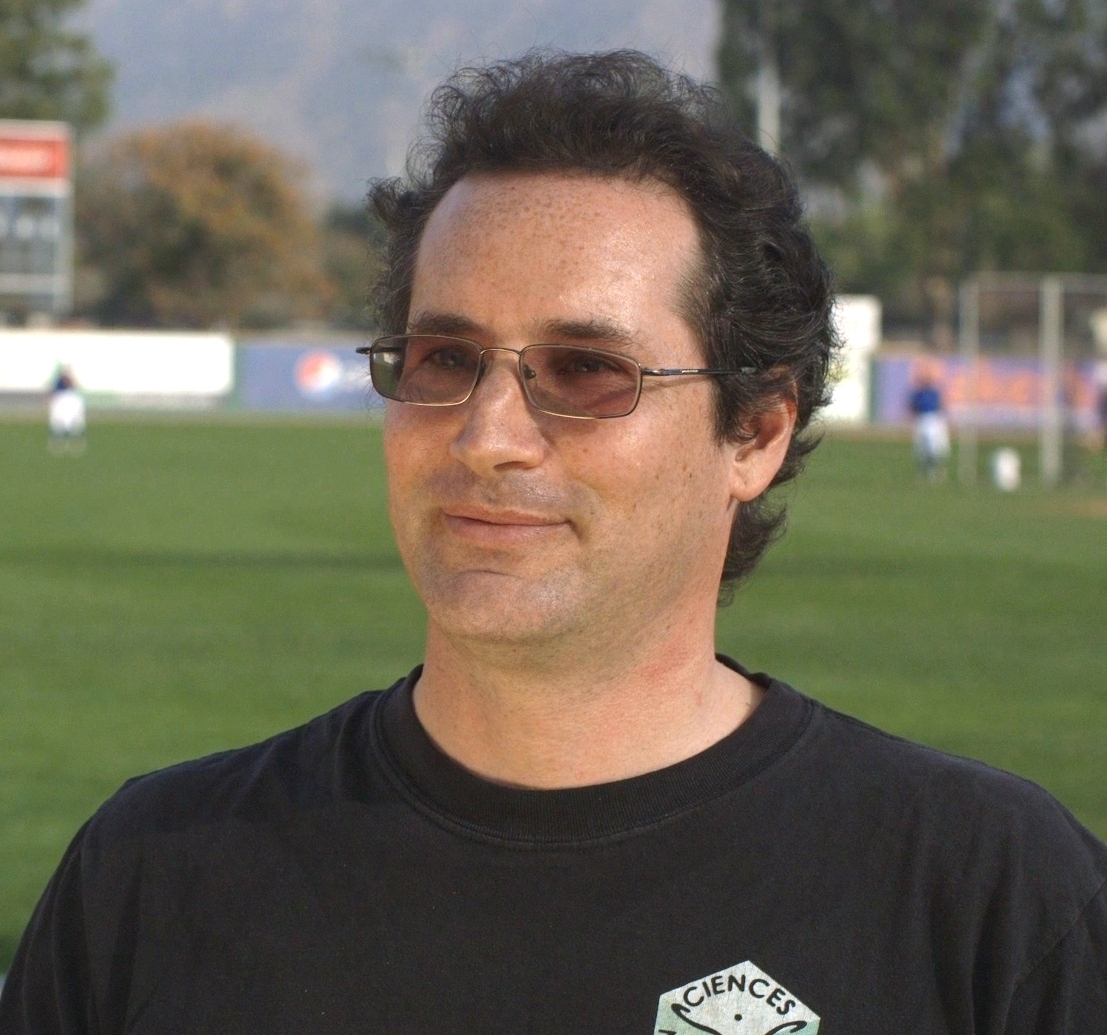
Aaron Seitz
Aaron Seitz’s research program aims to understand mechanisms of cognitive processes and to apply this knowledge for public benefit. His academic training is diverse, with a BA in theoretical mathematics, PhD in computational neuroscience, postdoctoral work in systems neuroscience and neuroimaging. His research has led to new insights regarding the roles of reinforcement, attention, multisensory […] -
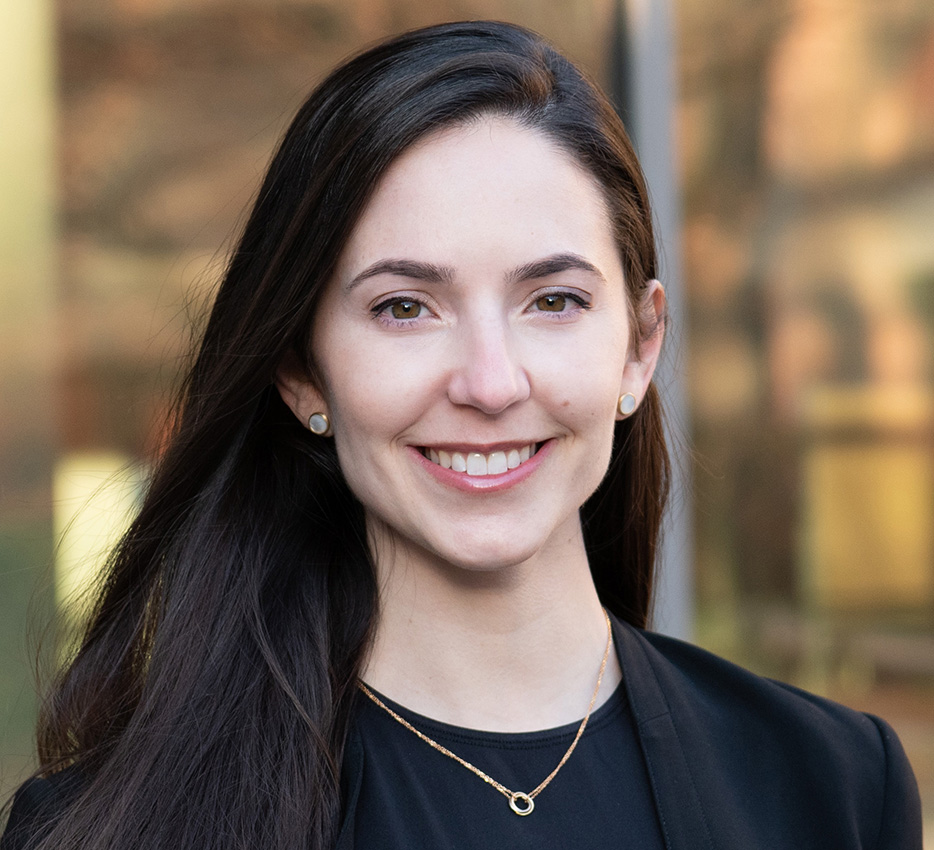
Alexandra Rodman
Alexandra Rodman is an assistant professor in the Department of Psychology and Center for Cognitive and Brain Health. Dr. Rodman completed her PhD in Psychology (Clinical Science) and Postdoctoral fellowship at Harvard University. She completed her clinical internship at the Boston VA. She earned her BA in Clinical Psychology at Tufts University. A Clinical Psychologist […] -
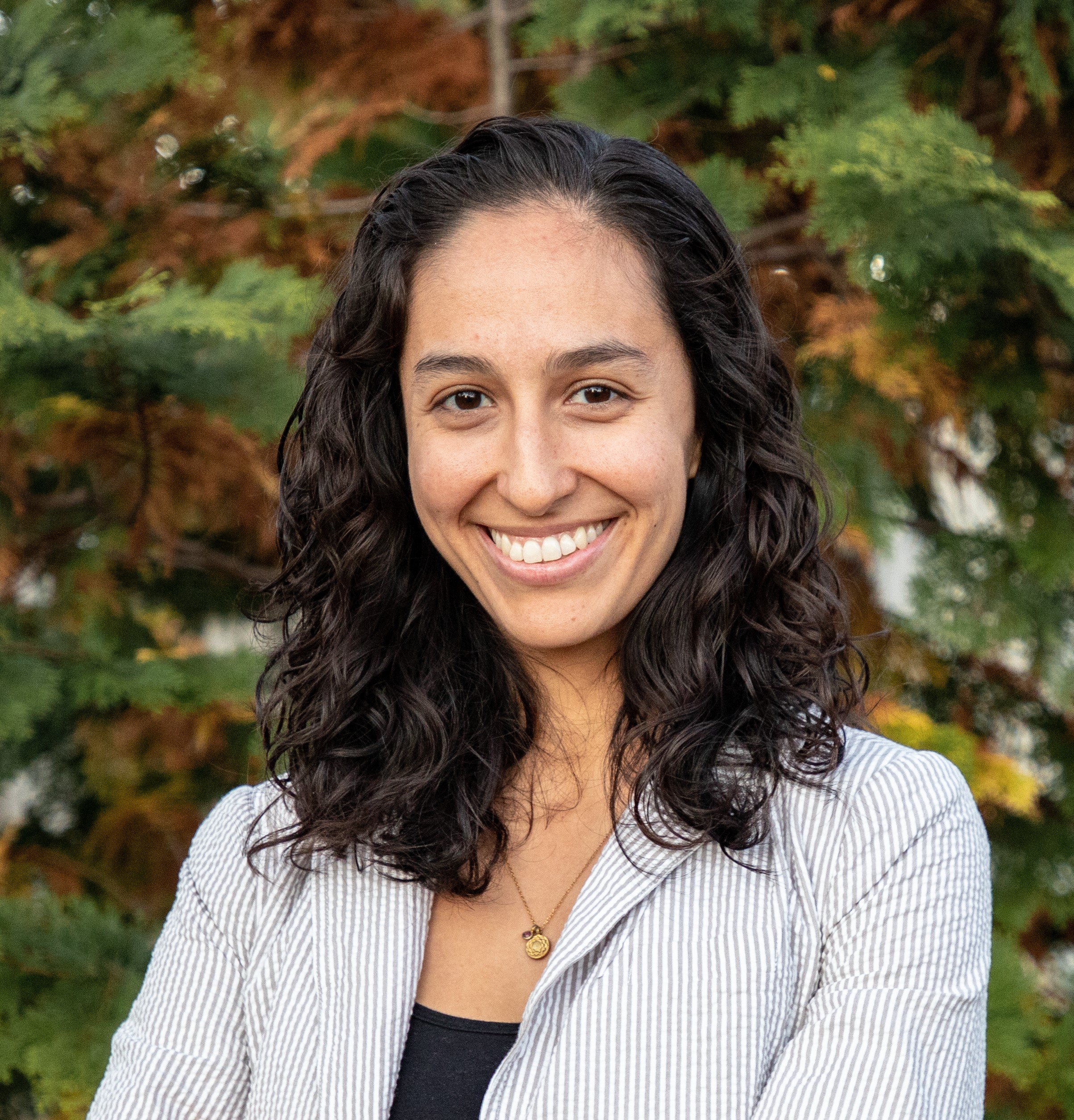
Analia Albuja
Analia Albuja is an assistant professor in the psychology and applied psychology departments. She directs the Belonging and Social Identities Lab, which studies how multiple identities (e.g., biracial, bicultural identities) are lived and perceived in a society that largely views social categories as distinct and static. Specifically, the lab studies Questions of interest include, how […]

Research in Psychology
Our scientific expertise spans behavioral neuroscience, personality and social psychology, language and cognition, and perception.
Student Research Opportunities
Through research, our students develop a practical expertise and intellectual passion for their chosen field.
Postdoctoral Training Program
The Postdoctoral Research Program in the College of Science is personalized for each postdoctoral researcher’s needs and aspirations. In addition to rich research experiences with our faculty members, our postdocs have comprehensive professional development support for a variety of career paths.
Interested in working with us?
Psychology Education
Undergraduate Majors
Psychology majors will take research-based fundamental and advanced courses in basic and applied psychology including biological psychology, cognition, social psychology, personality psychology, sensation and perception, clinical psychology, learning and motivation, developmental psychology, and more.
Combined Majors
This combined major educates students in cognition psychology, psycholinguistics, and the structures of human languages in general and American Sign Language.
This combined major educates students in both business and psychology, focusing on their intersection. Graduates will understand how these fields relate to explaining and addressing human behavior and business practices.
The computer science and cognitive psychology combined major provides a foundation in general psychology, psychology of language, cognition, and statistics and is geared toward students are interested in human psychology or artificial intelligence or human-computer interaction.
In this combined major students learn how these fields relate to understanding and addressing criminal behavior. Psychology courses provide a foundation in the biological and psychosocial bases of behavior, learning, personality, and cognition, while criminal justice courses cover criminology and justice systems.
This program offers an integrative curriculum in the study of psychology and the collection, manipulation, storage, retrieval, and computational analysis of data in its various forms. Students have an opportunity to augment such knowledge with skills in big data analysis, data science, and data analytics
This combined major integrates economics and psychology, focusing on their intersection. Graduates will understand how both fields jointly explain the complexity of human behavior in an economic context.
This program provides students with the opportunity to develop knowledge in health promotion and illness prevention by way of understanding people’s behaviors, perceptions, and emotions within the contexts of relationships and culture.
This combined major focuses on clinical and policy interventions promoting wellness at both individual and community levels. Grounded in social justice, it emphasizes the impact of structural forces on psychological well-being, treatment barriers, and mental health inequities.
This combined major educate students in psychology, linguistics, and the interface between the two disciplines, which are core areas within the field of cognitive science.
In this program, courses from both fields help lay the groundwork for strong basic training that seeks to prepare the student toward developing psychological models using mathematics.
The psychology and design combined major provides students with a foundation in psychology—focusing on sensation, perception, cognition, and social psychology—that enhances their understanding and application of design principles.
This combined major educates students in psychology and music and the interface between the two disciplines, specifically how they jointly contribute to explaining human behavior in the domain of music.
This combined major educates students in psychology and theatre and the interface between the two disciplines, specifically how they jointly contribute to explaining human behavior in the domain of theatre.
Undergraduate Minor
The minor in psychology involves taking five psychology courses, some required and some elective, that focus on the multidisciplinary study of mind, brain, and behavior.
PhD Programs
This doctoral program combines training in psychology with the ecological and geophysical sciences, producing boundary-breaking scholars who can accelerate sustainability solutions that are robustly informed by the results of scientific research.
The PhD in Psychology prepares students to become experts in research and teaching in psychology by offering a research-intensive curriculum and environment within a supportive community of faculty and students.
Through the Connected Science Community PhD program, students have the opportunity to participate in the Summer Skills Session the summer before their first year to meet fellow PhD students, develop key skills, explore university resources and learn about post-PhD careers.
Explore interdisciplinary undergraduate programs
PreMed and PreHealth Track
Our PreMed and PreHealth Advising program offers personalized expertise to students pursuing health careers. This comprehensive program includes application guidance, workshops and presentations, course mapping and more.
Experiential Learning
-

Cooperative Education
Many students choose to participate in the university’s signature co-op program because if offers excellent preparation and exposure to exciting careers. With a combination of academics and field experience, students gain a deeper, real-world perspective while they explore career paths and prepare for the global workforce or graduate studies.
-

Global Experiences
Northeastern University provides students with intercultural learning and transformative experiences. Through programs like Study Abroad, Dialogue of Civilizations, and opportunities to study at one of Northeastern’s global campuses, you will deepen your knowledge of the world and your chosen field of study, explore international career opportunities, and grow as a global individual.
-

Entrepreneurship
Our Science Connects to Innovation Program empowers undergraduate science students through education, resources, and networks to create entrepreneurial solutions—spanning cleaner energy, eco-friendly pesticides, potential anticancer compounds, sustainable foods, and high-tech assistive devices.
Ready to apply?
Belonging and Engagement
The Department of Psychology at Northeastern University is a community of scholars committed to cultivating a culture of inclusion, equity, respect and connectedness. We can develop a more equitable and inclusive psychological science when we encourage a diversity of thought, culture, and viewpoint, which are essential to lifelong learning. Diversity encompasses individuals from any group or identity that has traditionally been marginalized in the academy, in particular in science, technology, engineering or mathematics (STEM) disciplines.
Action Plan
Increase the diversity of the department at all levels
- Ensure that every faculty search and graduate student recruitment process maximizes the diversity of the pool of candidates.
- Promote STEM across the entire undergraduate community, including psychology and non-psychology majors.
Ensure that issues of equity, diversity, and inclusion remain central in all departmental activities.
- Examples: student awards, colloquia/career spotlights, service assignments, communications about diversity education and training events on campus, departmental newsletter.
Support the inclusion of diverse sources of scholarship in syllabi and coursework, ensuring that a wide diversity of perspectives in psychological science are visible and discussed in all courses.
Student Stories
-
Student Spotlight

Siima Kiriziya Machayo ‘26, BS Behavioral Neuroscience
What inspired you to pursue your current field of study/research? My inspiration for pursuing behavioral neuroscience is rooted in my fascination with how the brain influences every aspect of people’s lives and how this knowledge can be applied to improve human health. My middle name, my grandmother’s maiden name, is a meaningful way to honor […] -
Student Spotlight

Naomi Rajput ‘26, BS Behavioral Neuroscience
What inspired you to pursue your current field of study/research? My first co-op resulted in me pursuing my venture – Eden. Working as a front office administrator, I saw pain points on administrative workflows that affected physicians, admins, and patients alike. This resulted in me exploring current solutions in the space and after realizing that […] -
Student Spotlight
‘Growth is imbalance’: How Naomi Rajput is squeezing everything out of her Northeastern education
Naomi Rajput, a fourth year neuroscience student, juggles course work with research, multiple clubs, co-ops, and a social life stating that “I live by this quote: ‘Aggressive growth is a product of imbalance.'” -
Student Spotlight

How did this student summit Mount Everest? Navy training and mindfulness skills from Northeastern
Evan Kenney, behavioral neuroscience student, scaled Everest last May. The veteran and former hotshot fire-fighter, is a yoga instructor who spent a month yoga training in Rishikesh before spending 2 months training for his summit. -
Student Spotlight

Sophia Mastroianni ’25, Behavioral Neuroscience
Sophia Mastroianni ’25, behavioral neuroscience, shares her experience as a COS student. -
Student Spotlight

Naomi Rajput ’26, Behavioral Neuroscience
Naomi Rajput ’26, behavioral neuroscience, shares her experiences as a COS student. -
Student Spotlight

Gabrielle Kim-Levesque ’27, Behavioral Neuroscience
Gabrielle Kim-Levesque ’27, behavioral neuroscience, shares her experience as a COS student. -
Student Spotlight

Maria Restrepo ’26, Behavioral Neuroscience
Maria Restrepo ’26, behavioral neuroscience, shares her experience as a Latin COS student. -
Student Spotlight

Northeastern student helps shape US science policy during White House internship
Machayo was an intern with the White House Office of Science and Technology, where she worked on the President’s Council of Advisors on Science and Technology (PCAST), a group of CEOs, presidents of top universities and nonprofit leaders in science and technology.
Upcoming events
-
Dec 9
Psychology in the News
View all Stories-
News
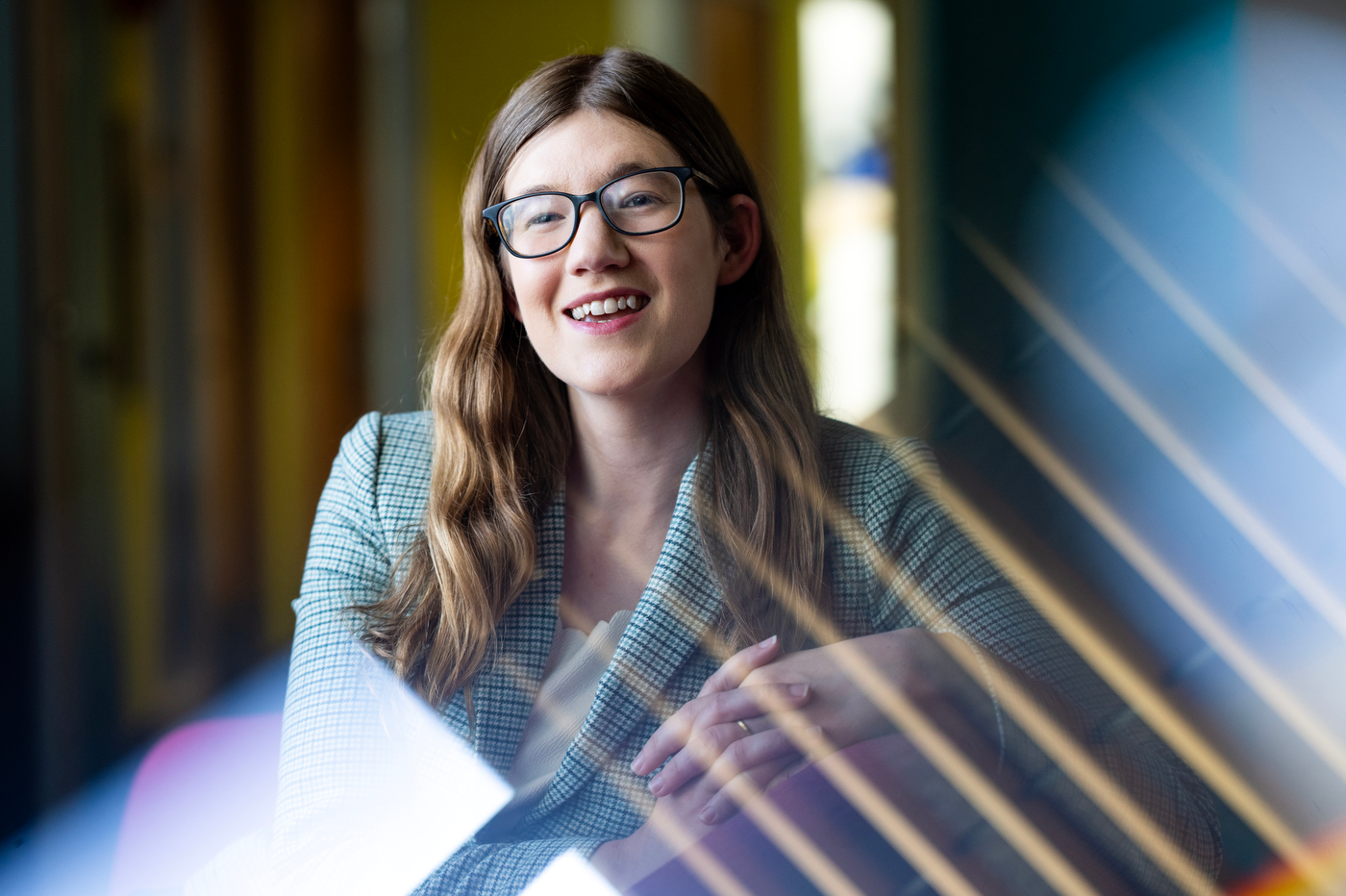
Northeastern University professor honored with prestigious American Psychological Association award
Laurel Gabard-Durnam, whose work focuses on brain plasticity and creating real-world tools, will receive the Boyd McCandless Award in August, 2026. -
News

Why Annabelle, Chucky and dolls in general creep us out
Do you know what that doll is doing when your back is turned? Northeastern University experts explain the ‘uncanny valley’ effect. -
Research

Next gen scanner could unlock new treatments for brain injuries
The Center for Translational Neuroimaging recently obtained a Mediso nanoScan 7T PET/MRI scanner, the first of its kind in the United States. -
News

Brain health researcher Charles Hillman installed as inaugural Manganaro Distinguished Professor
Charles Hillman, director of the Institute for Cognitive and Brain Health, studies lifestyle behaviors on brain and cognition to maximize health and well-being, and to promote effective functioning. -
Alumni

Houston, we have a Husky
Imelda Muller, behavioral neuroscience ’13, brings expertise in bioastronautics as one of 10 candidates who will undergo training to become an astronaut for NASA’s next generation of flights to the moon and beyond. -
Research

Northeastern research finds aerobic fitness and lower body fat are associated with better mental health outcomes in children
Northeastern researchers looked at the link in children ages 8 to 11 in one of the first studies looking at these relationships in this population. -
Research

Precise maps of the brain’s deepest corners are made possible through tools developed by these Northeastern researchers
The NeuroPRISM lab, led by assistant psychology professor Stephanie Noble, makes tools that pave the way for reliable and reproducible neuroimaging of the brain. -
Research
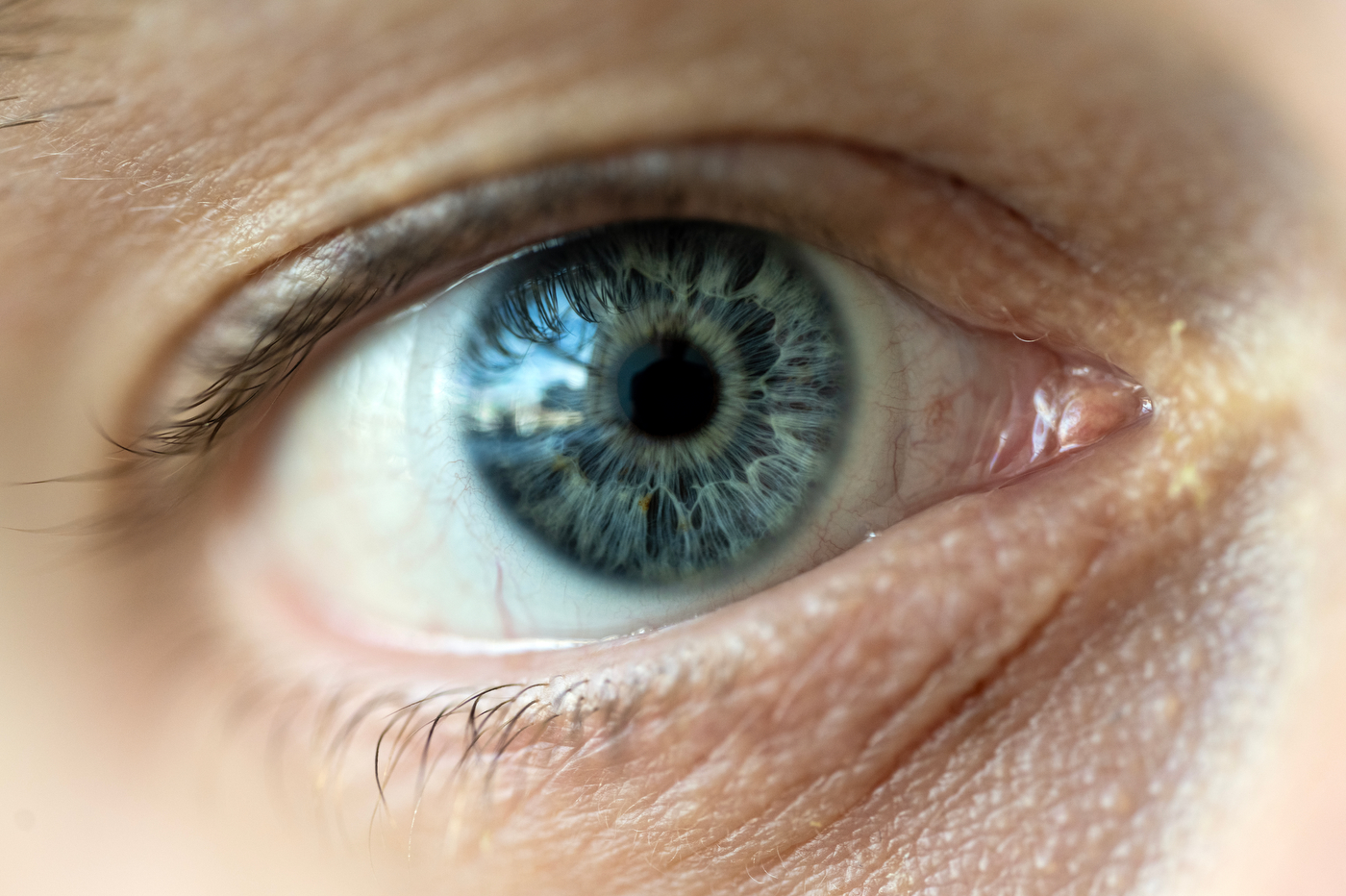
Millions of people have macular degeneration. Could this training model help restore their sight?
Psychology professor Aaron Seitz says training people on how to use their peripheral vision can compensate for central vision problems. -
Research
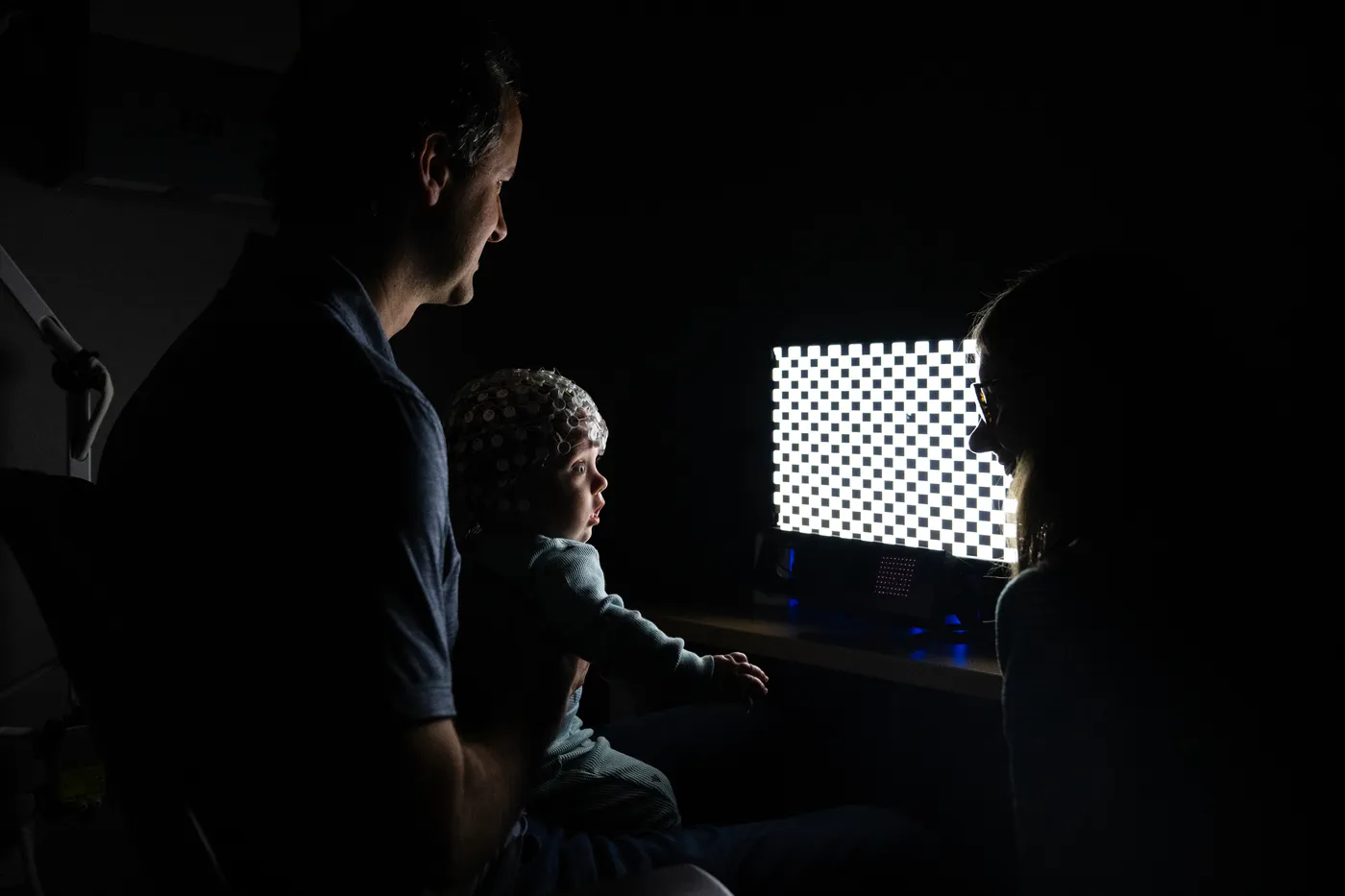
Northeastern research finds infant anesthesia may speed up brain development
Northeastern research from Assistant Professor Laurel Gabard-Durnam finds babies exposed to general anesthesia in very early infancy showed accelerated brain development.
Contact Us
125 Nightingale Hall
105-107 Forsyth Street
Boston, MA 02115