COS News
Research

“The basic premise is that AI can help us do better physics, and something that is less expected is that physics can also help us understand AI better,” said Northeastern professor James Halverson.
AI and physics have more in common than you might think.
News
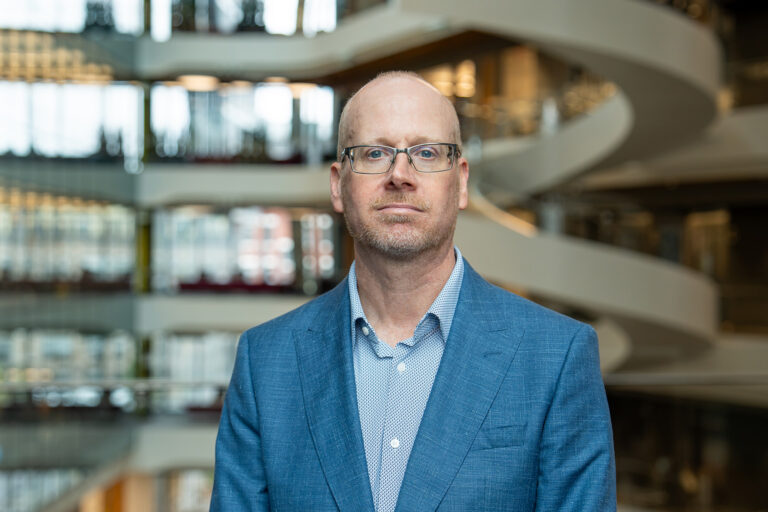
Mark Williams, Professor and Chair of the Department of Physics, will assume the role of Dean of the College of Science, effective July 1, 2026.
Mark C. Williams named Dean of the College of Science
Showing 209 results in Psychology
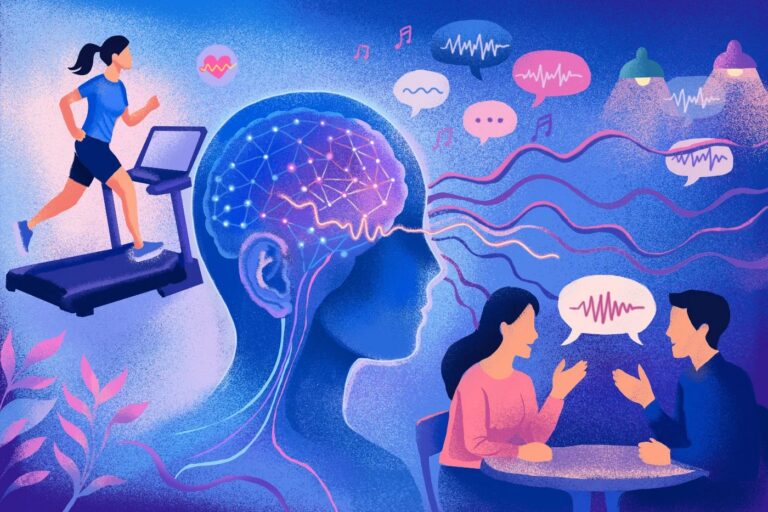
Break a sweat, hear more? Early results point to a surprising link between fitness and speech perception
There’s another reason to make time for a Peloton session or squeeze in a run before work — it could be good for your hearing. Northeastern researchers found that fitness boosts speech perception in a noisy environment.

Who’s listening when you say “thank you”? It matters more than you might think
There may be more to a simple “thank you” than meets the ear. Northeastern researchers found that witnessing someone express gratitude creates a halo effect that makes observers want to interact or collaborate with them.
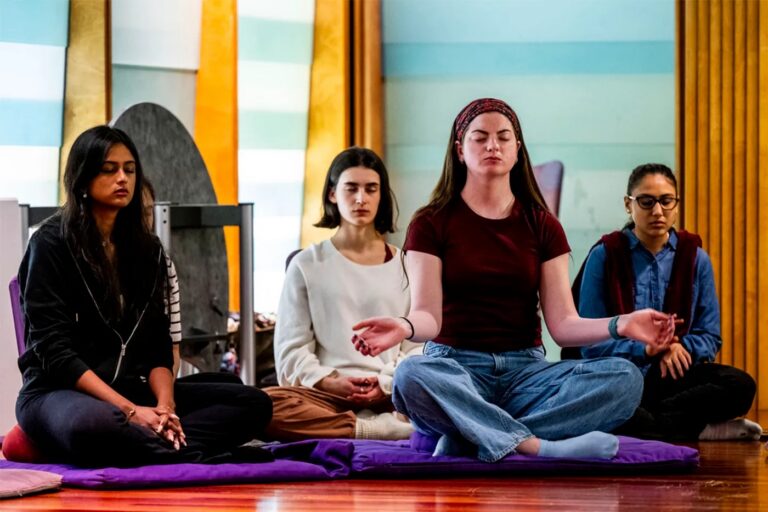
Five insights about changing your mind
What happens when you slow down and start paying attention? Conversations with Northeastern experts reveal how meditation can change the way you experience everyday life.
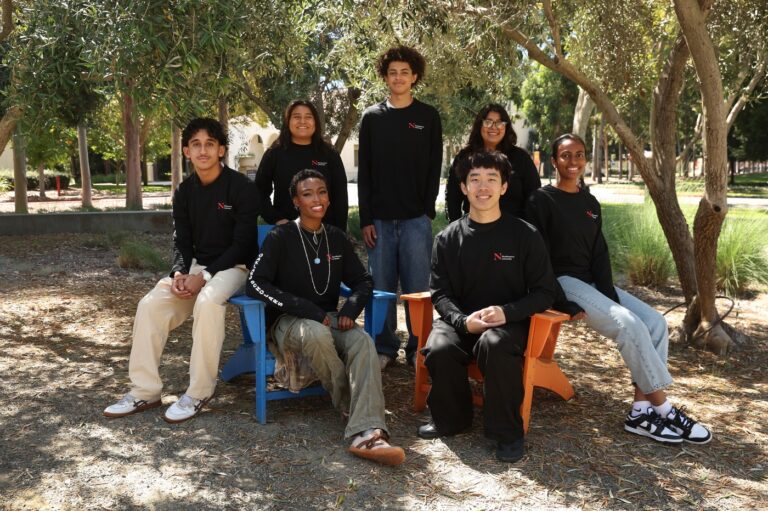
Northeastern awards full scholarships to accomplished Oakland students
To qualify, the Oakland high school students demonstrated extensive commitment to public service within their high schools’ communities.
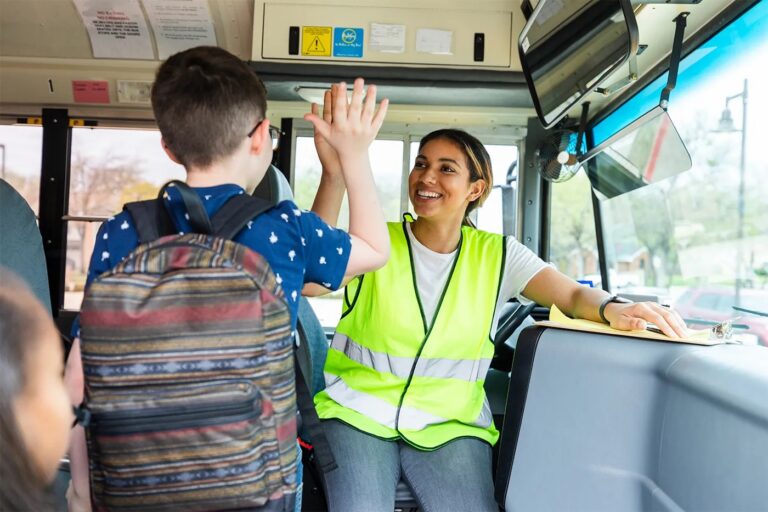
Grandparents, teachers and even bus drivers can build resilient kids
Scientists have spent decades studying what goes wrong in childhood. Northeastern researchers are measuring what goes right — and how those experiences can shape mental health years later.

Time2Learn, then time to sleep: evening practice may help language stick
When is the best time to practice a foreign language so your brain can cement it during sleep? Early findings by Northeastern researchers suggest studying in the evening may give learners an edge.

Can video games help personalize cognitive care for vulnerable groups?
Northeastern scientists are using video games to understand how to one day customize cognitive care for people with HIV.
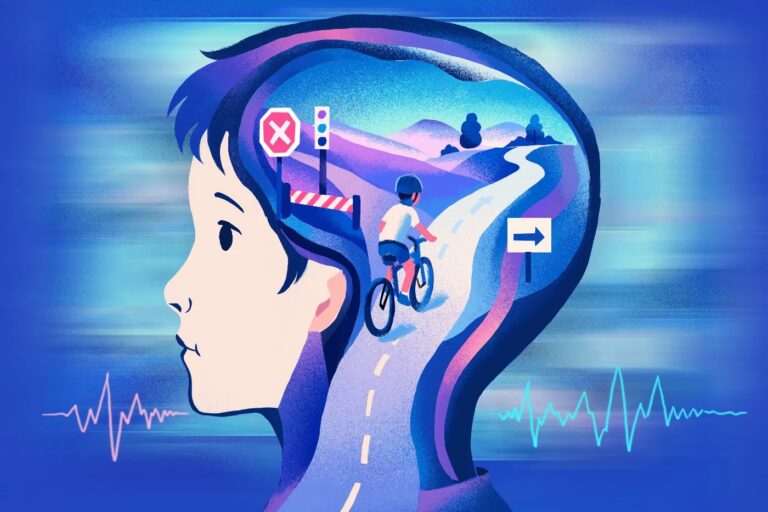
Aerobic fitness may be a teller of some brain health, study suggests
Inhibitory control is the ability to suppress a response or actively ignore irrelevant distractions.

Zapping microscopic worms gives undergrads a leg up in competitive lab placements
Undergrads are utilizing their worm-zapping mastery to stand out within a competitive pool of science lab applicants in Boston.
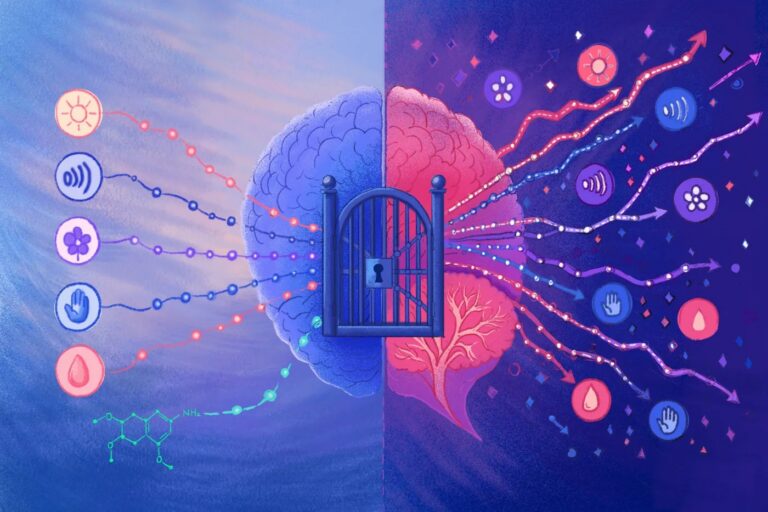
One of the oldest psychedelics meets modern brain imaging
Mescaline is a naturally occurring chemical found in cacti, mainly peyote cacti, that are located in the Southwest United States and Mexico.

Should you join the 5 AM Club? Why hitting snooze might be better for some
The morning routine that calls for an extra-early wakeup time has been touted by many, but what do sleep experts say? Northeastern researchers caution that sleep deprivation isn’t a price worth paying.
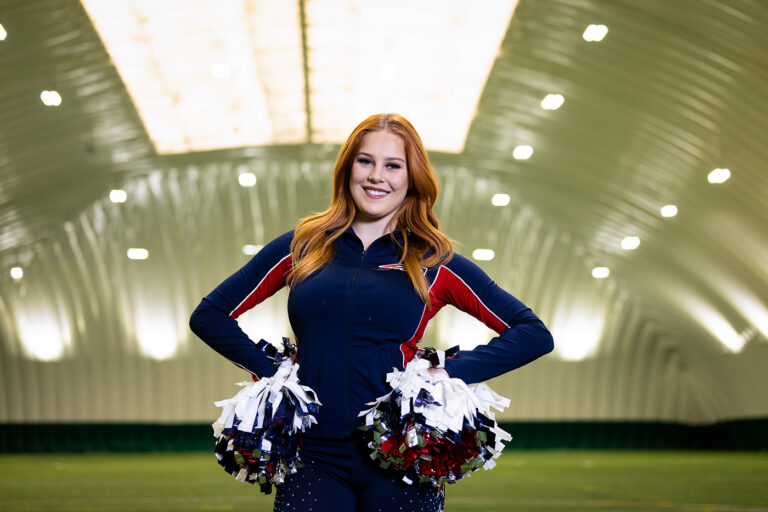
Cheerleading at World Cup was like ‘giant dance party’, Northeastern student says
Behavioral neuroscience student and New England Patriots Cheerleader Lana Vogler performed before a different set of football fan at the World Cup.