COS News
News
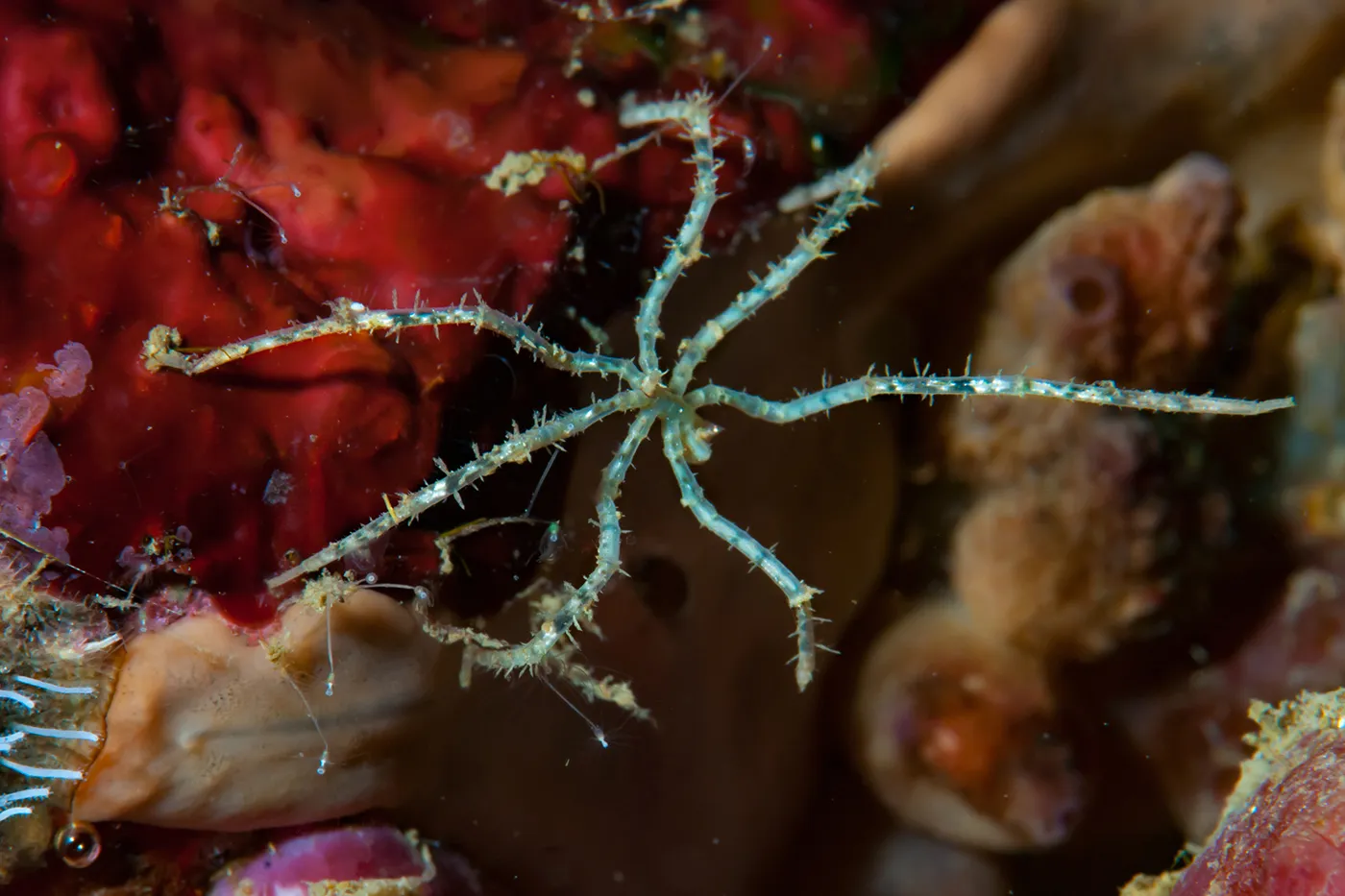
Connie Phong wants to know how an animal adapted to live in a highly specialized environment — just below the freezing point for seawater — responds to warming oceans.
How Northeastern scientists are using Antarctic sea spiders to study life on the edge
News

Fleury Augustin Nsole Biteghe has identified a way to target two of the deadliest cancer types with chemotherapy drugs but without the harms associated with chemotherapy.
Northeastern researcher uses light to target and kill cancer cells
Showing 171 results in Psychology

How did this student summit Mount Everest? Navy training and mindfulness skills from Northeastern
Evan Kenney, behavioral neuroscience student, scaled Everest last May. The veteran and former hotshot fire-fighter, is a yoga instructor who spent a month yoga training in Rishikesh before spending 2 months training for his summit.

Sophia Mastroianni ’25, Behavioral Neuroscience
Sophia Mastroianni '25, behavioral neuroscience, shares her experience as a COS student.

Naomi Rajput ’26, Behavioral Neuroscience
Naomi Rajput '26, behavioral neuroscience, shares her experiences as a COS student.

Gabrielle Kim-Levesque ’27, Behavioral Neuroscience
Gabrielle Kim-Levesque '27, behavioral neuroscience, shares her experience as a COS student.

Maria Restrepo ’26, Behavioral Neuroscience
Maria Restrepo '26, behavioral neuroscience, shares her experience as a Latin COS student.

Co-ops help neuroscience student compare research and patient care as she aims to shape career studying brain disorders
Ariana Mechem, third year neuroscience major, used her two co-op opportunities to help her decide what career pathway to pursue after graduation.
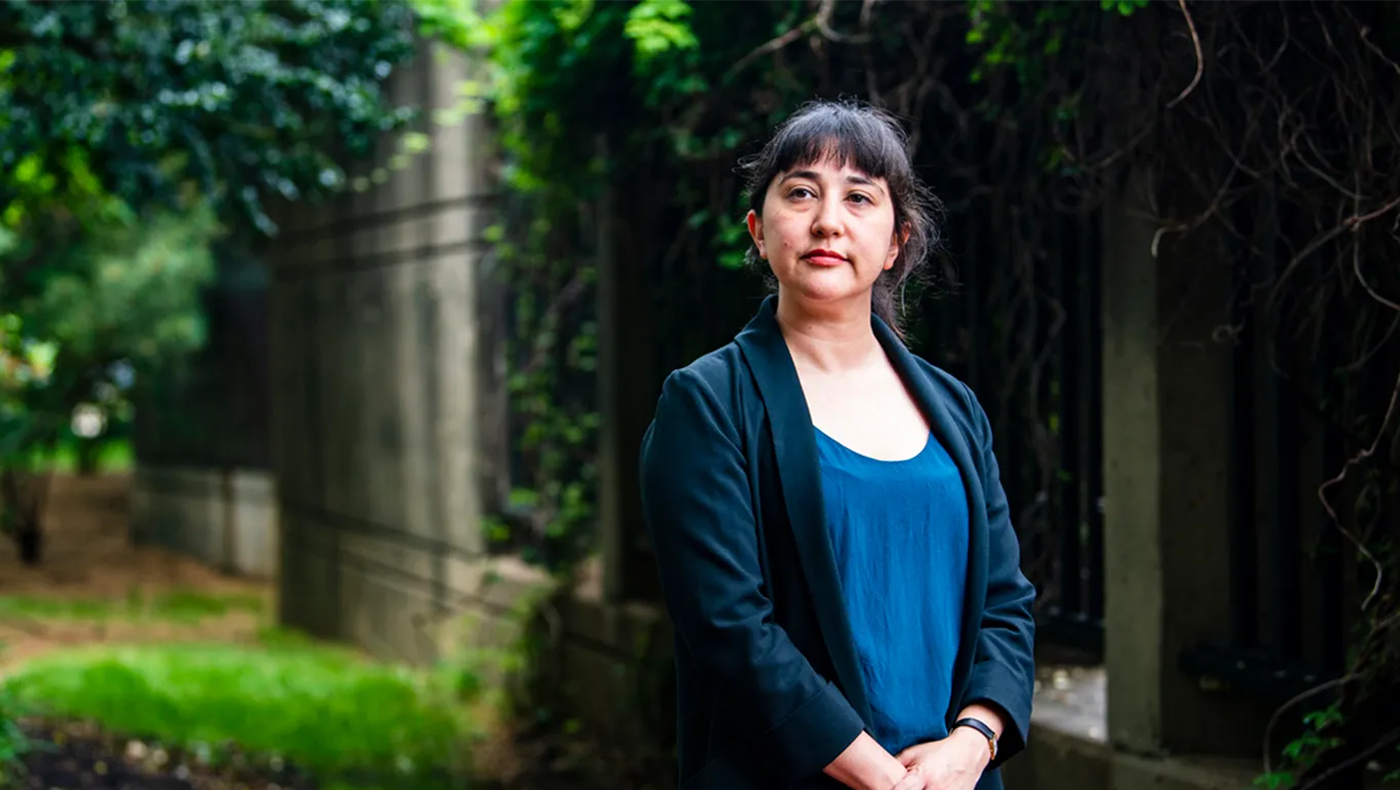
How teens make decisions: Juliet Davidow’s research sheds light on motivation and the adolescent mind
Juliet David, assistant psychology professor, has been awarded a National Science Foundation CAREER Award to explore how motivated learning develops during this critical period of life.

This Northeastern grad went from neuroscience major to the head of her own cookie company
Maura Duggan, who graduated with a degree in neuroscience in 1998, has turned her street reliving hobby into a flourishing cookie business.

What is causing autism rates to rise? And should we be concerned?
Northeastern researchers, Laurel Gabard-Durnam and Zhenghan Qi, provide some context to the rising rate of autism diagnoses, pointing out that the rate is not as concerning as it may seem.

Can you train your brain for better memory? This Northeastern study points to yes
Susanne Jaeggi, psychology professor, has new research that may help scientist understand how people's working memory can be improved.

Can psilocybin — the key ingredient in magic mushrooms — be the key to treating head injuries?
Craig Ferris, psychology professor, and colleagues have found that rats dosed with psilocybin after mild head injuries, were able to regain normal brain function.

Does diet outweigh genetics when it comes to Alzheimer’s risk? Northeastern research offers insight
Northeastern University professor Craig Ferris worked on research that found that diet plays a role in the likelihood of someone developing Alzheimers.