COS News
Research

“The basic premise is that AI can help us do better physics, and something that is less expected is that physics can also help us understand AI better,” said Northeastern professor James Halverson.
AI and physics have more in common than you might think.
News
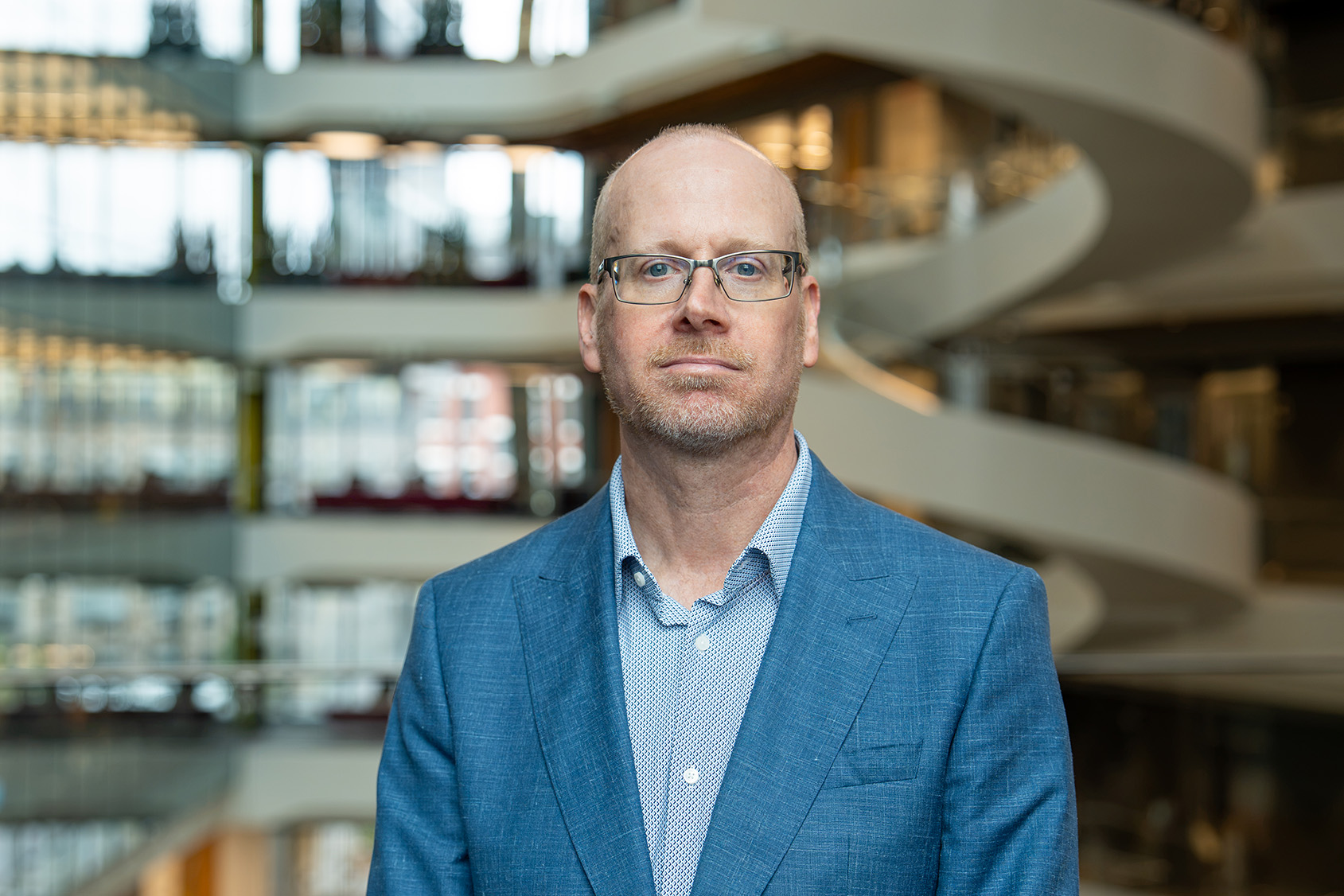
Mark Williams, Professor and Chair of the Department of Physics, will assume the role of Dean of the College of Science, effective July 1, 2026.
Mark C. Williams named Dean of the College of Science
Showing 232 results in Marine and Environmental Sciences
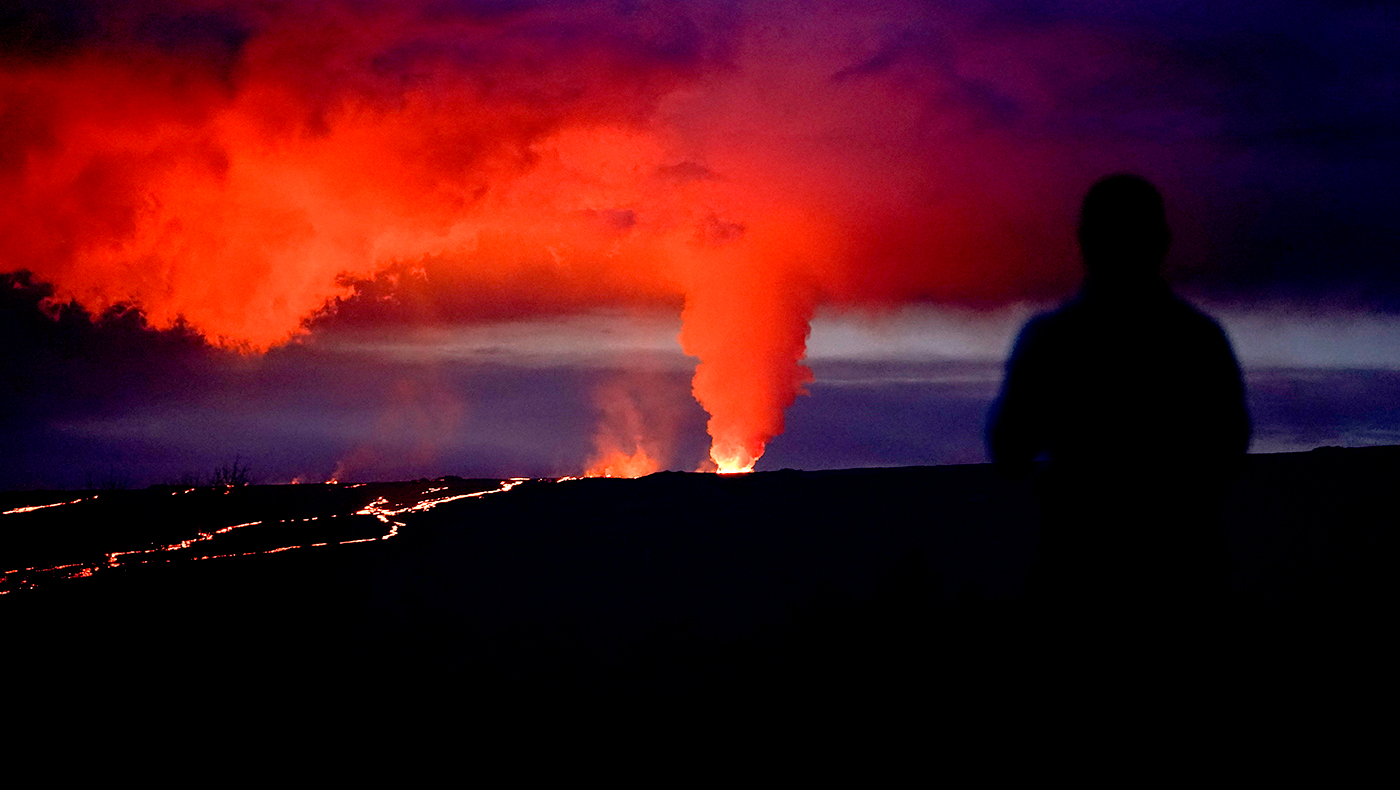
Are volcanoes impacted by climate change? Or is it the other way around?
While a study of Iceland proposes a possible link, scientists at Northeastern University say the effect of volcanic activity on global warming is minimal.

Northeastern entrepreneurs dominate list of innovators and leaders on BostInno’s ‘25 Under 25’
BostInno’s 25 Under 25 is a class of elite young founders, nonprofit leaders, startup employees and students.
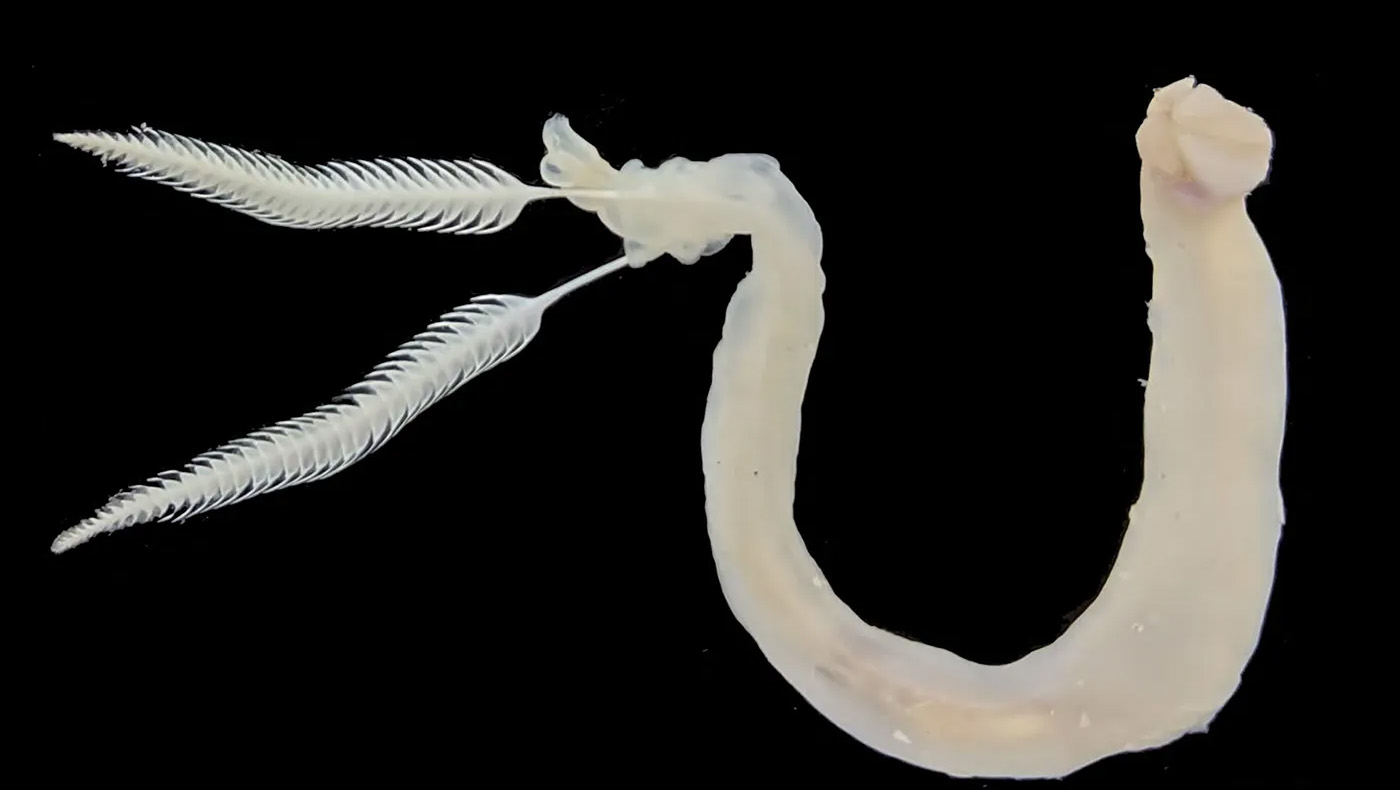
Shipworms can sink a boat. Northeastern researchers explain digestive process
Known as the clam that has sunk a thousand ships, shipworms are strange looking—and strange acting—animals.
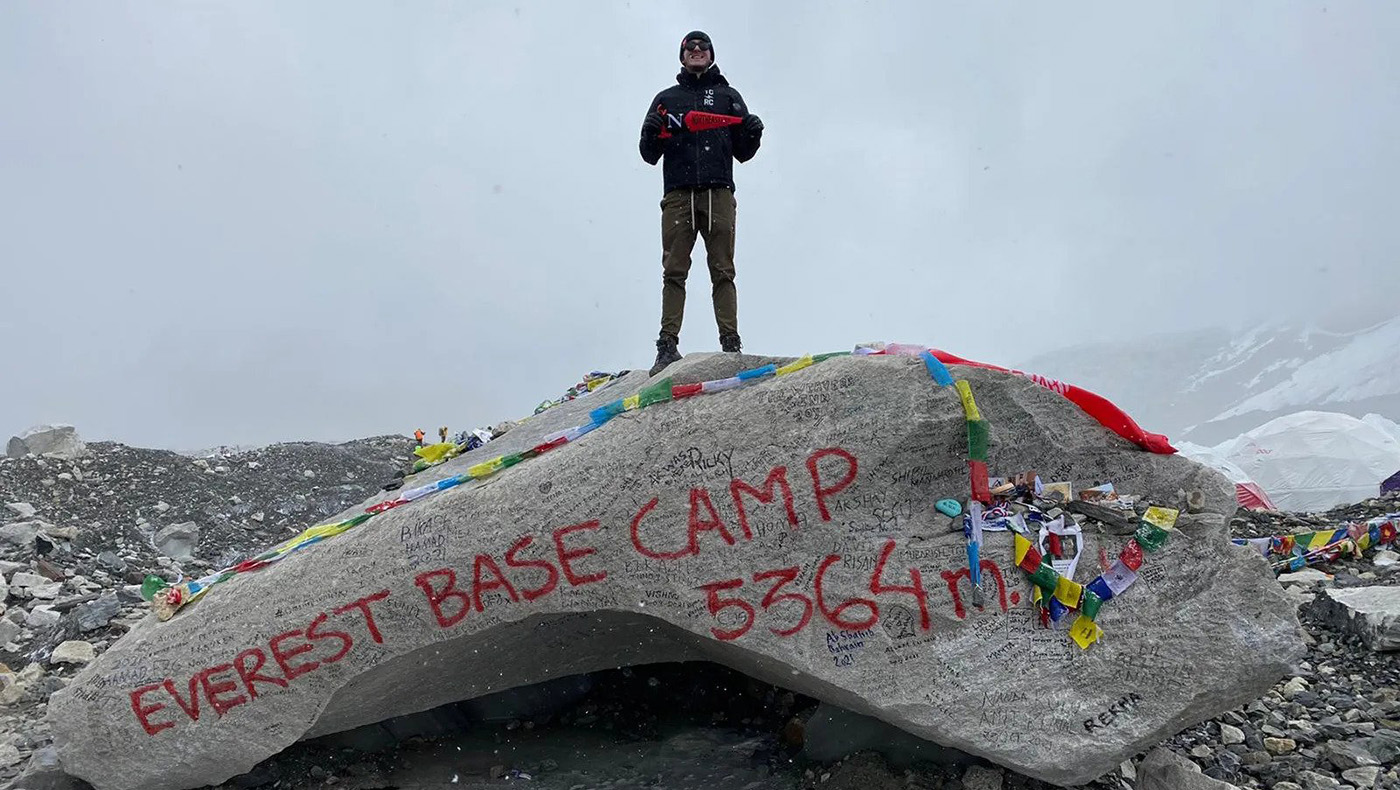
Northeastern student’s climate research co-op on Mount Everest a ‘spectacular experience’
Alexander Anderson’s co-op included a grueling two-week trek from the Khumbu region of Nepal to Everest Base Camp with the Himalayan Climate and Science Institute to support the installation of the world’s highest weather station.
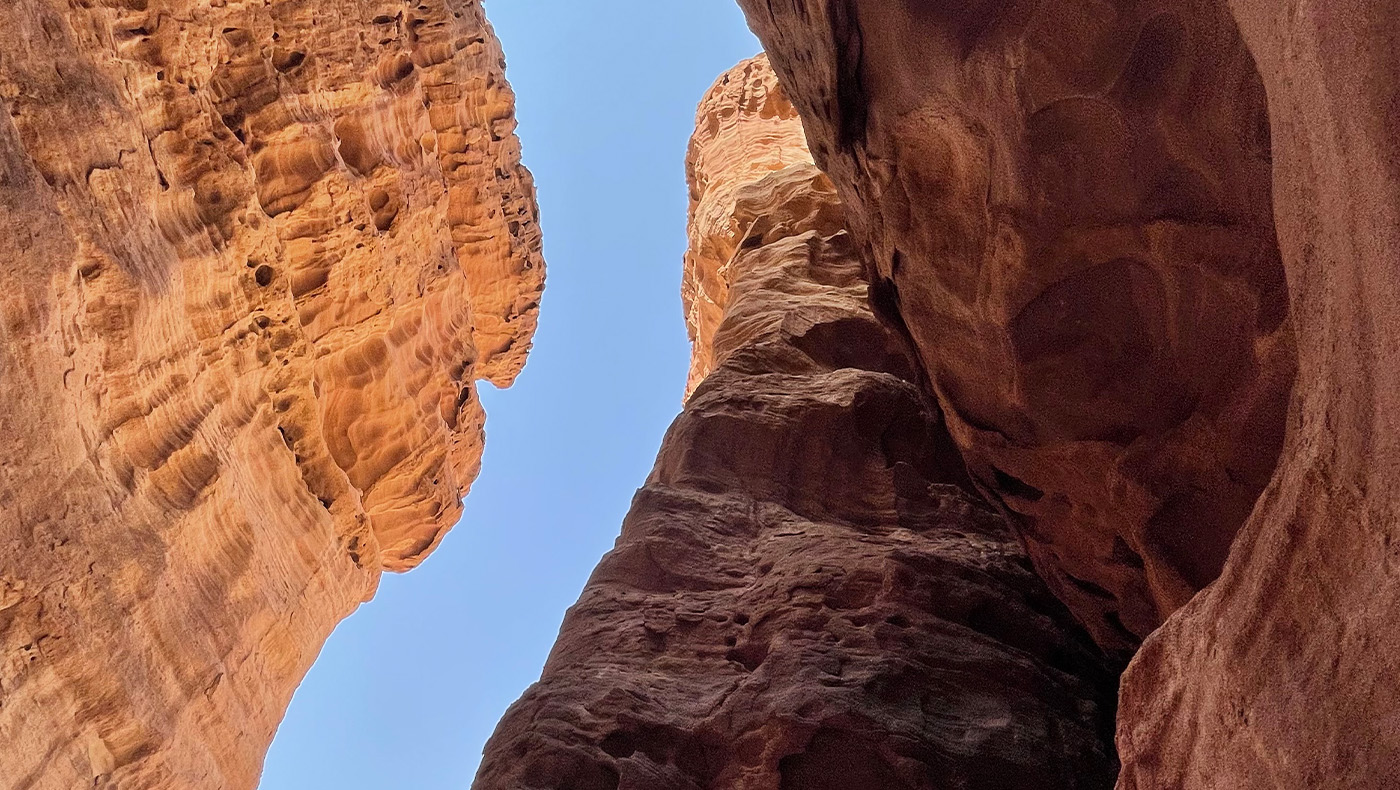
The Desert Dialogue: Q&A With Caterina Wang
Caterina Wang, a recent graduate of Khoury College of Computer Science, completed her studies at Northeastern while on a Dialogue of Civilizations Program held in the desert of Israel: “SUSTAINABLE LIVING IN A HARSH DESERT ENVIRONMENT”.
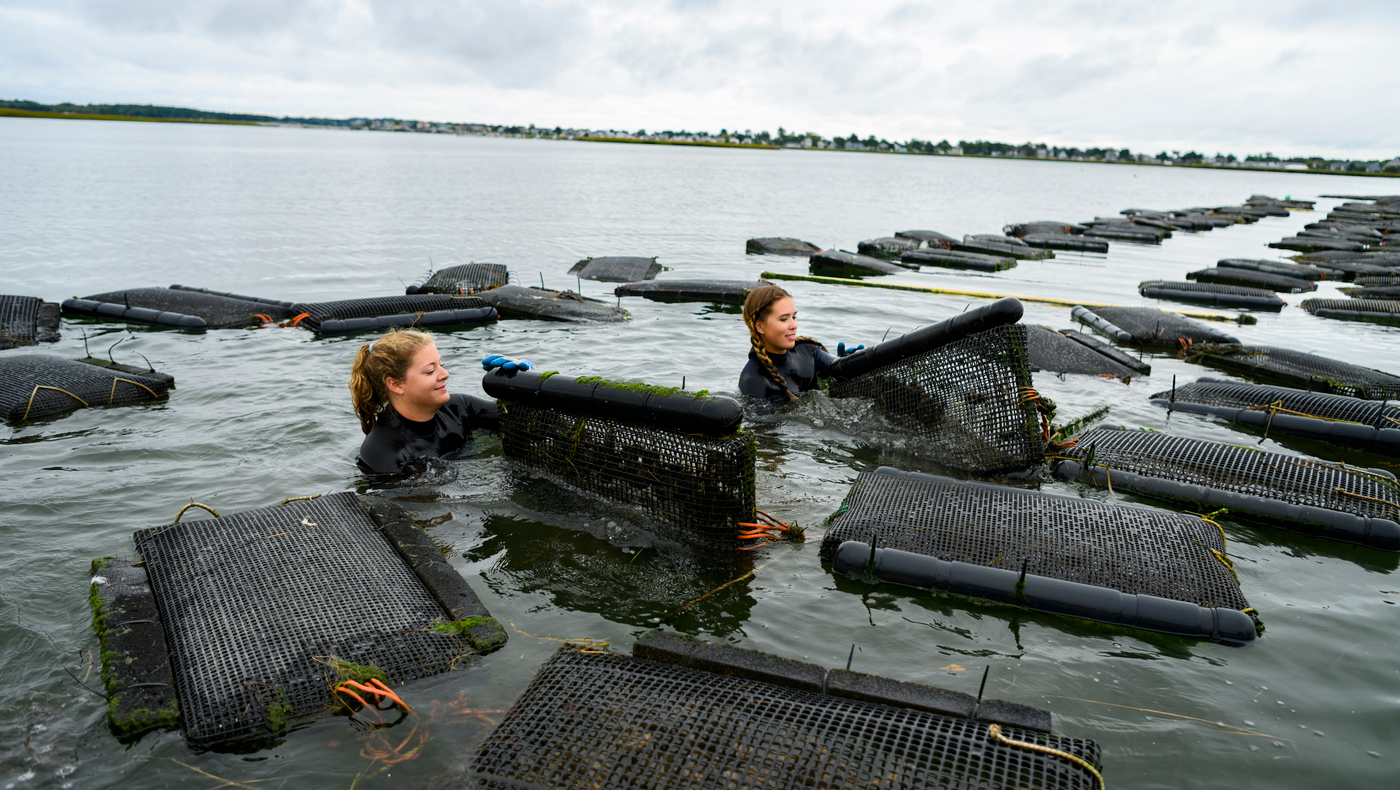
Northeastern students find ‘pearls’ harvesting oysters in Maine
Co-op students at roux institute campus get real-world experience in the blue-green economy working at the Nonesuch oyster farm on the coast of maine.
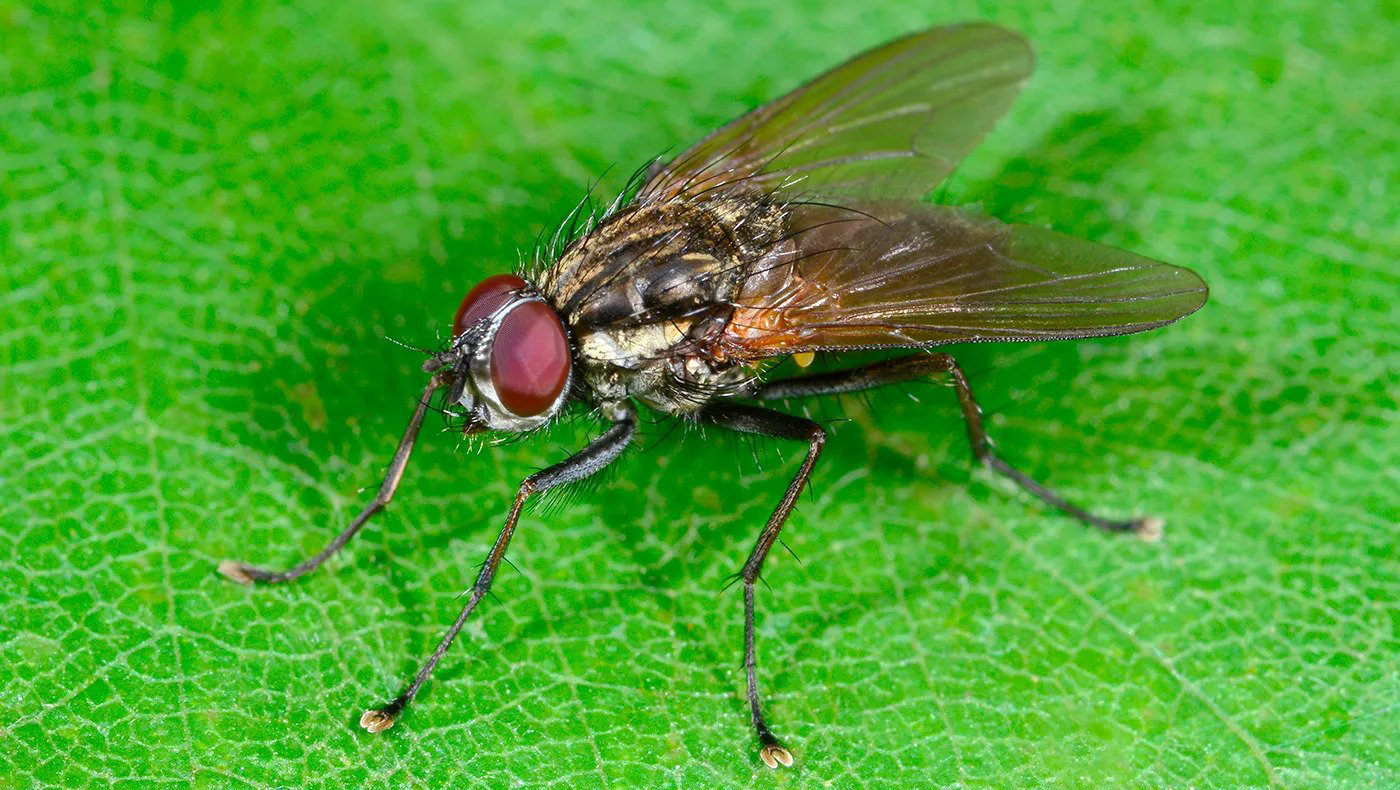
Are insects doomed? New paper shows added threat of climate change
The swings in temperature that accompany global warming could spell trouble for insect populations the world relies on for pollination and food production.
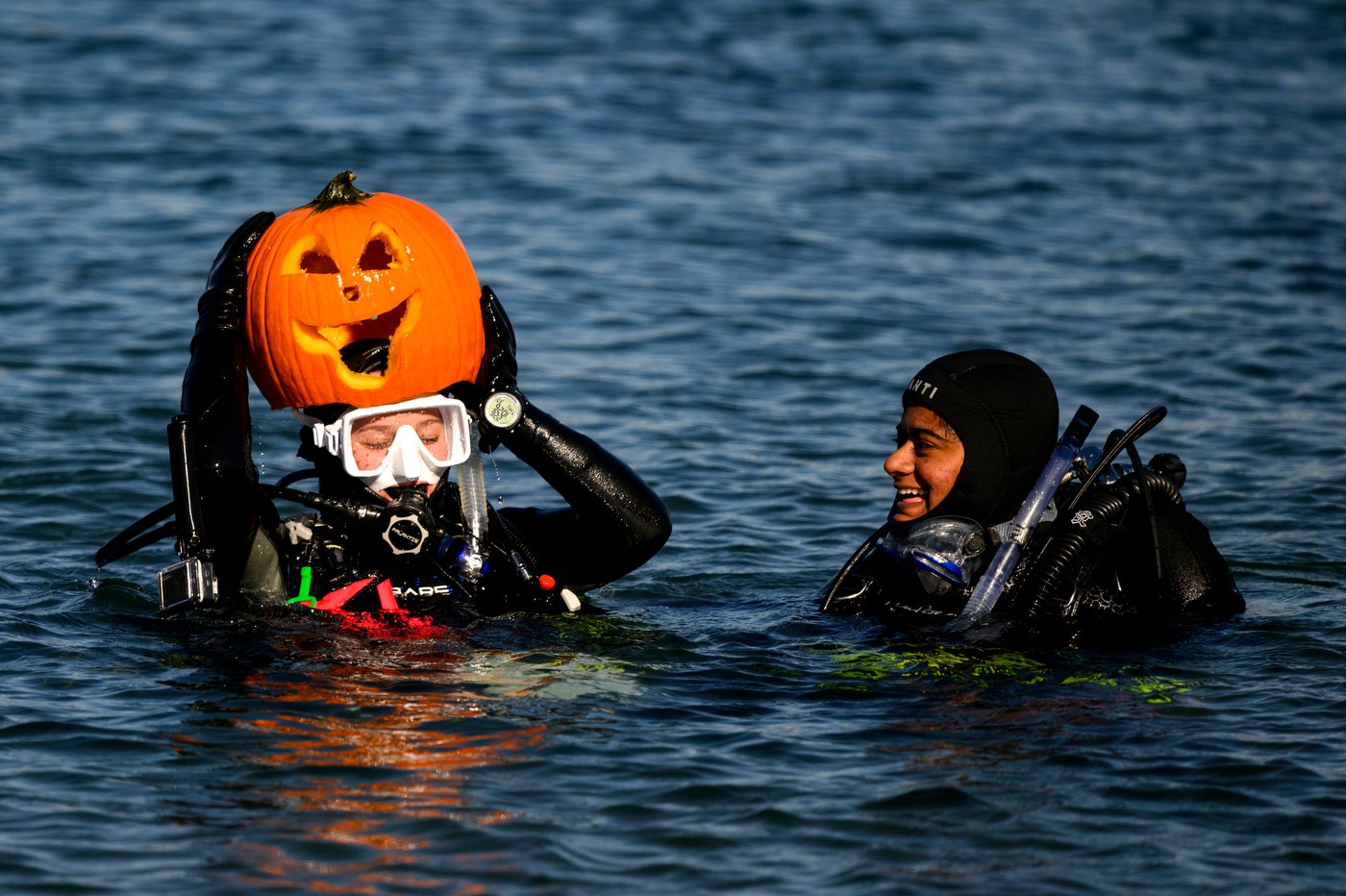
Northeastern marine science students bring Halloween spirit to the bottom of the Atlantic Ocean
Students participate in the Underwater pumpkin carving contests that have been happening among participants of the Three Seas Program. This tradition was established about three decades ago.
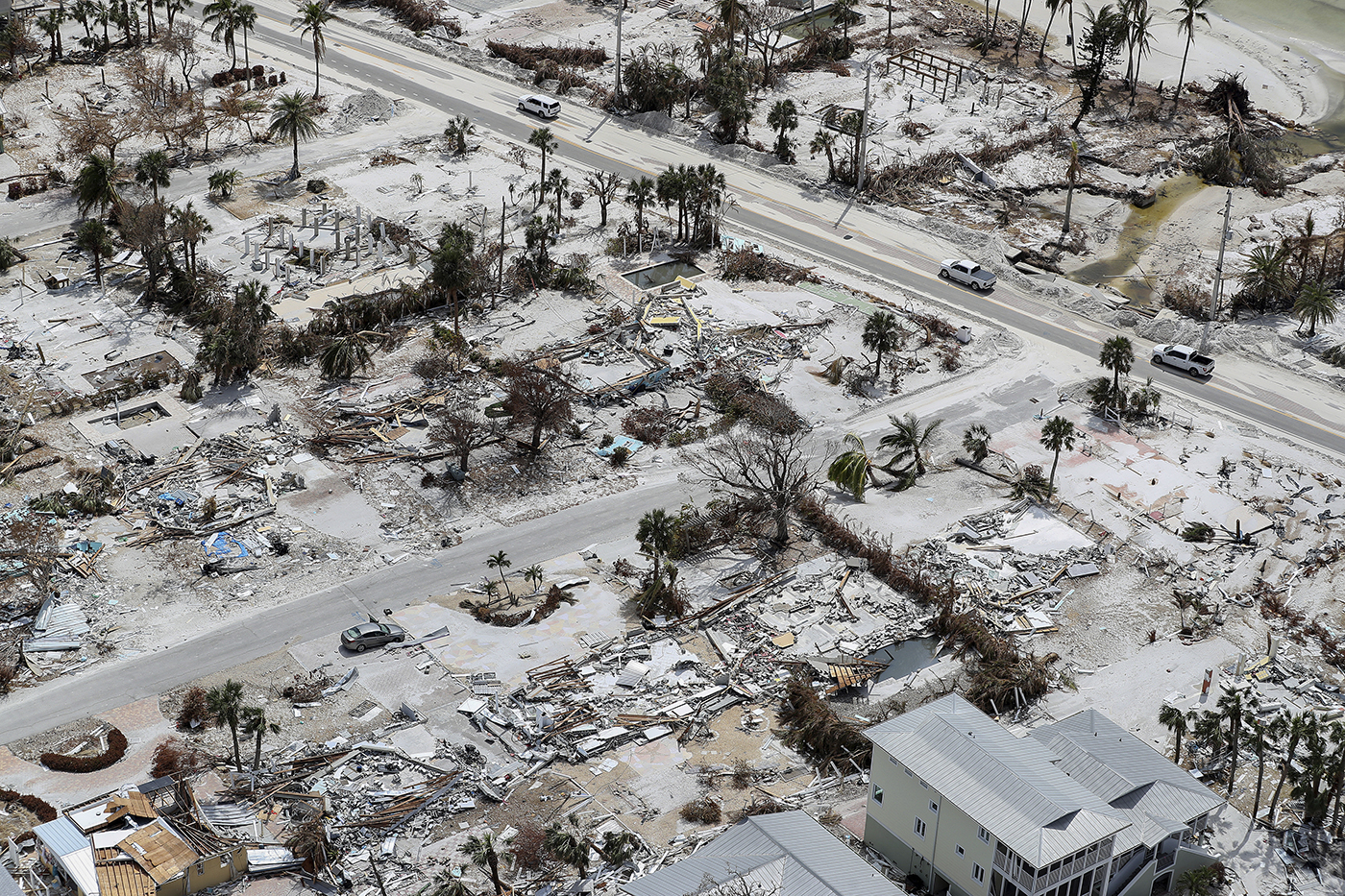
With storms threatening to intensify, should Floridians stay or should they go?
With hundreds of Floridians remaining in shelters weeks after Hurricane Ian devastated swathes of the Sunshine state, the question many residents face is whether to rebuild—or retreat.
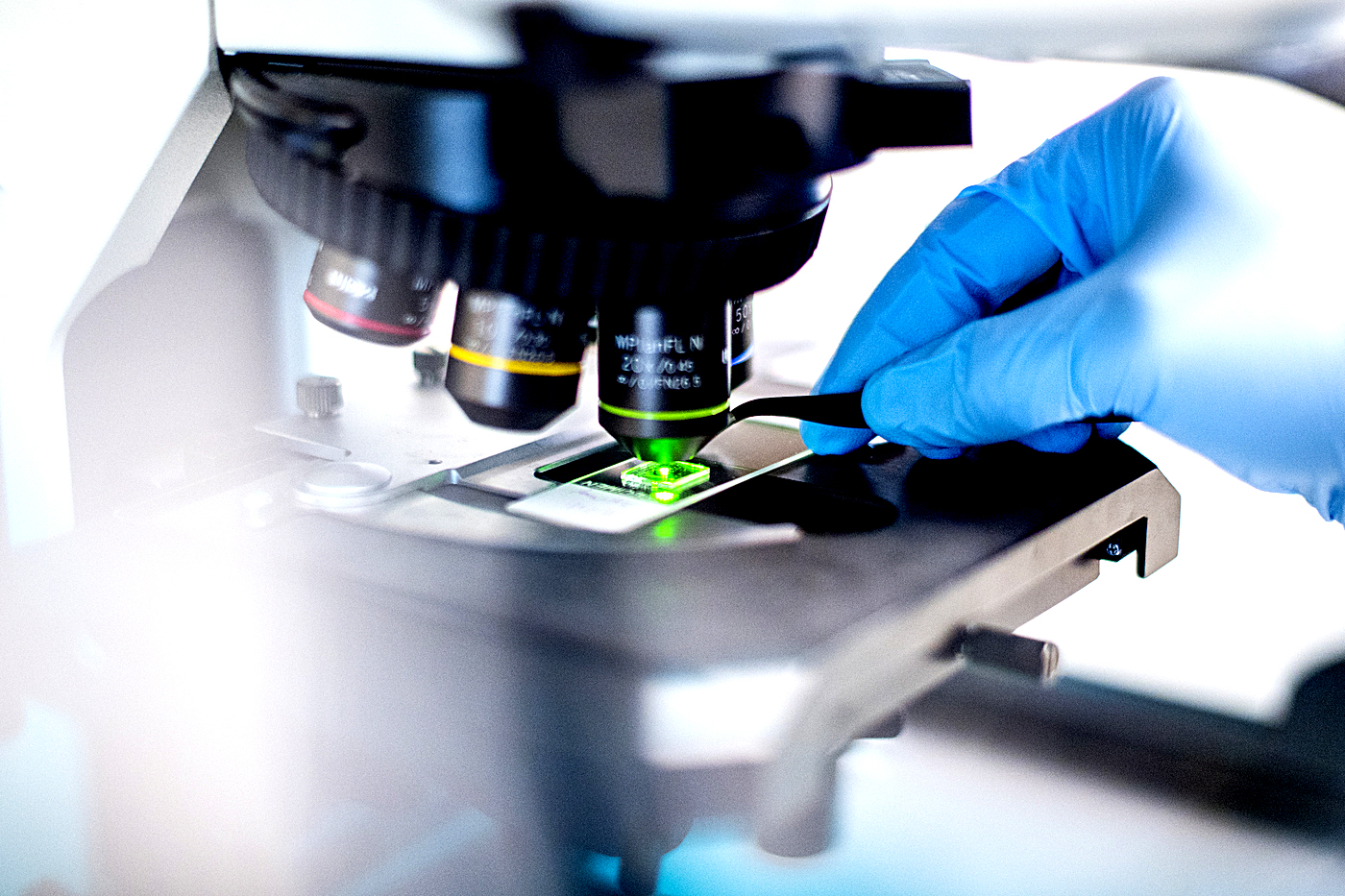
Northeastern receives more than $230 million in new research awards
Aron Stubbins and Samuel Munoz, professors of marine and environmental sciences, were awarded an NSF grant to study how microplastics are accumulating and moving in the environment—especially in rivers and other waterways

After winning NOAA fellowship, Northeastern grad will take marine environmental mission to D.C.
Lab technician for Northeastern’s Marine Science Center Sophia Ly will be working in Washington, D.C. on marine policy issues as the winner of a Sea Grant Knauss fellowship.
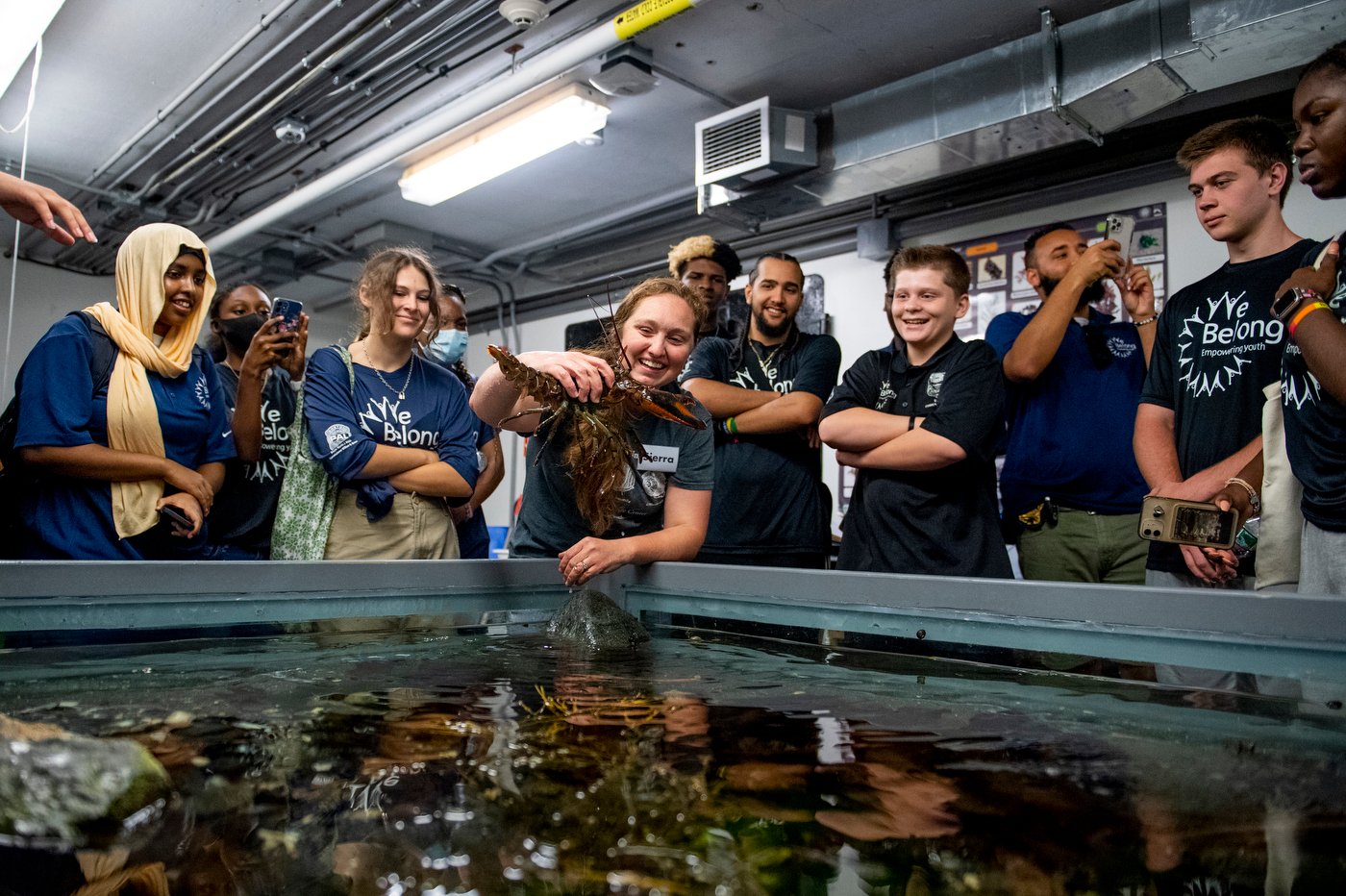
Northeastern’s Marine Science Center helps inspire future leaders from Boston youth academy
Students from Boston's We Belong visit Northeastern’s Marine Science Center to interact and learn about marine wildlife.