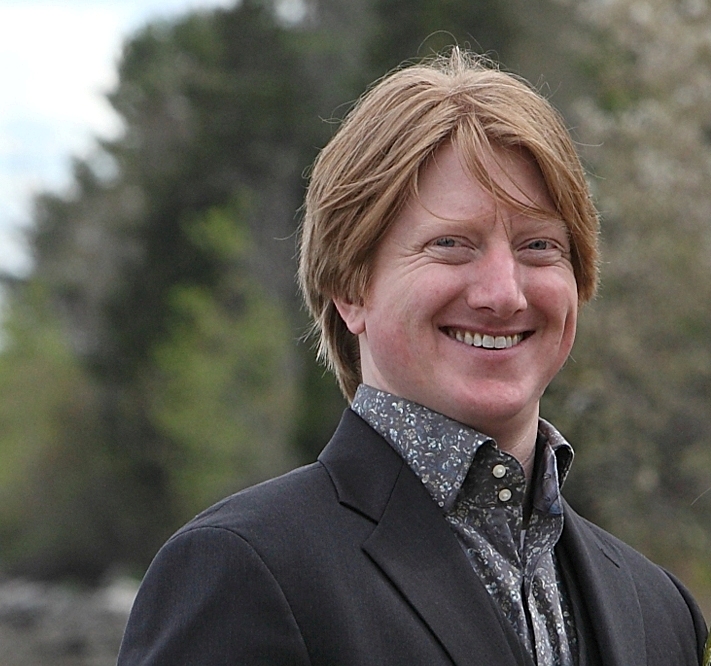
My research starts from a simple but inconvenient premise: Different parts of society only pay attention to environmental problems when those problems interrupt something they already care about. This is not cynicism but a structural claim about how institutions work. Understanding this, I’ve argued, is the prerequisite for designing governance, science, conservation, and policy that actually change the behaviors and systems they intend to change.
I’ve found that most environmental problems get misidentified before they get mismanaged. Environmental governance fails when it mistakes a social problem for a technical one, or mislabels a governance problem as a science communication problem, or a meaningful place gets treated like an interchangeable space, or a participation process is mistaken as an effort to gain buy-in. To do something about this, I draw on systems theory and theories of place to articulate the concept of social–ecological system resonance, a framework explaining how sustainability actors achieve change by aligning their interventions with the organizing logics of multiple social systems simultaneously. I examine these misfires across water resources policy, insect pollinator conservation policy, environmental computational modeling, citizen science, and nature-based solutions including dam removals, managed retreat, and levee setbacks and I’ve developed a framework for what getting it right requires.
Methodologically, I am committed to place-based fieldwork because in resource-dependent communities, the knowledge that matters most is only accessible through relationships of trust built in the field, on people’s time, with their privacy protected. The empirical center of this work is the Yellowstone River Cultural Inventory: a longitudinal study now spanning three decades, 453 interviews, and the full 692-mile mainstem of the Yellowstone River. Among the longest-running qualitative social studies of a single river’s communities in North American environmental research, its data are used by the US Army Corps of Engineers, US Environmental Protection Agency, and Montana Department of Natural Resources and Conservation. The cultural inventory approach has since been used in projects on nature-based solutions and flood resilience planning within the Lower Missouri River Flood Risk and Resiliency Study, stakeholder-engaged water planning in Montana’s State Water Plan, transboundary water rights modeling for USA–Canada International Joint Commission St. Mary and Milk Rivers Study Board, and several computational modeling projects featuring hydrology, optimization engineering, and conservation biology. I also bring these frameworks and methods to insect pollinator conservation policy research — including ongoing work on Bombus affinis recovery across New England municipalities. Across all projects, the aim is to demonstrate what becomes possible when researchers genuinely know a community before they ask it to change.
My approach began as dissertation research conducted as a Boone & Crockett Conservation Policy Fellow at Texas A&M University. It deepened through an NSF postdoctoral fellowship at the University of Maine’s Sustainability Solutions Initiative, where I developed the relational fieldwork model that now anchors the lab’s methodology. Faculty positions at Saint Louis University and University of Missouri anchored the pollinator and water resources research programs before my move to Northeastern, where I hold a joint appointment in Marine and Environmental Sciences and the School of Public Policy and Urban Affairs.
Publications
In The News
-
Research
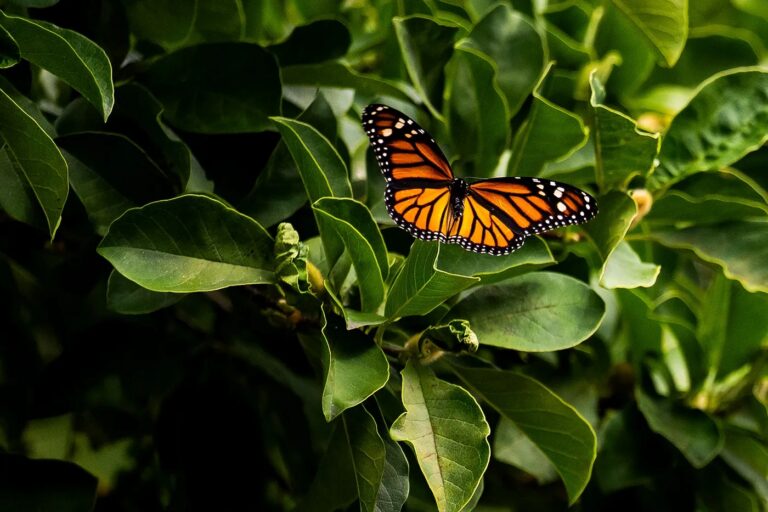
Monarch butterflies face possible extinction without more care to preserve their habitats
America’s favorite bug is fluttering to Mexico for the winter -
Research
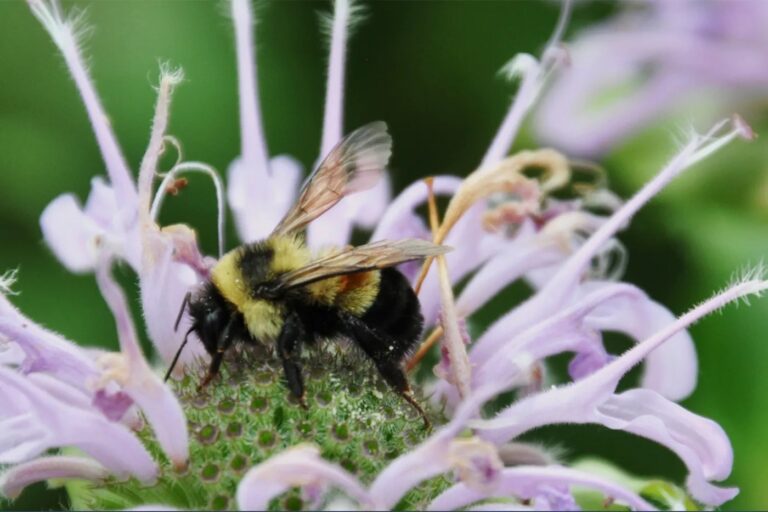
Bees by the book. Can municipalities save the pollinators?
Rare bumblebee hasn’t been seen in New England for more almost two decades -
News

Scientists explore stakeholder-informed spatial modeling for hydrologic sciences
MES researchers convened an NSF-supported workshop exploring the role of stakeholders in hydrological studies and futures -
Research

Can we make ‘citizen science’ better?
In a paper published this past spring, Northeastern University professor Damon Hall argues that ‘citizen science’ partnerships historically have been unbalanced, with researchers taking more from participating communities than they give back. -
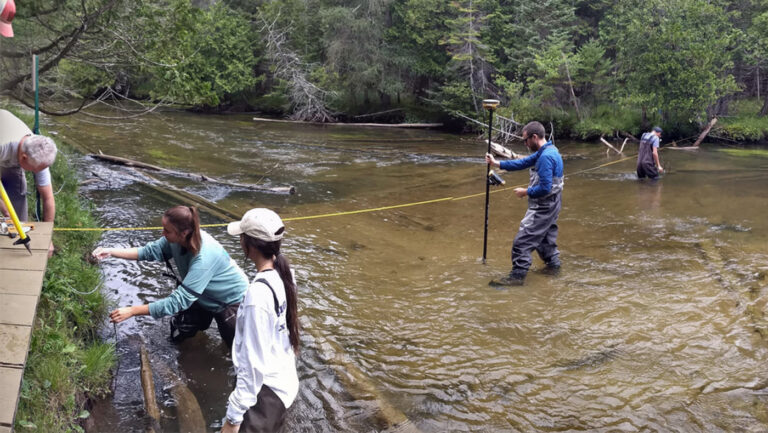
Exploring the Role of Citizen Science in Research and Community Engagement with Damon Hall
With the excitement of his recent publication, associate professor of Environmental Science and Public Policy, Damon Hall, met with me to discuss his research on the importance of citizen science. “Citizen silence: Missed opportunities in citizen science” can be accessed here. What initially sparked your interest in citizen science and its role in research? My... -

Monarch butterfly nowhere to be found in some state wildlife action plans, new research shows
The monarch butterfly is one of the most widely recognized and admired creatures native to North America.