COS News
Research
“The basic premise is that AI can help us do better physics, and something that is less expected is that physics can also help us understand AI better,” said Northeastern professor James Halverson.
AI and physics have more in common than you might think.
News
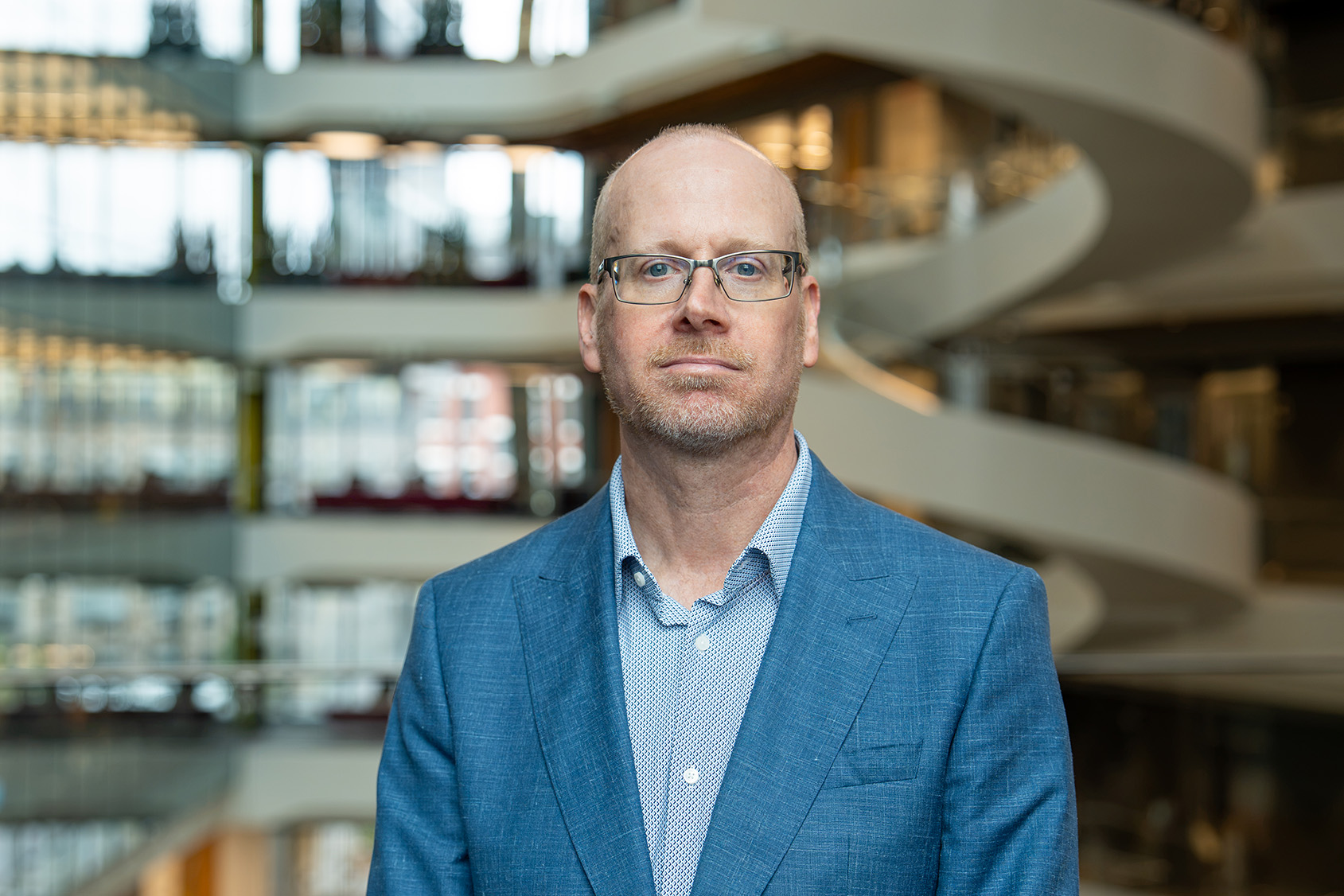
Mark Williams, Professor and Chair of the Department of Physics, will assume the role of Dean of the College of Science, effective July 1, 2026.
Mark C. Williams named Dean of the College of Science
Showing all results
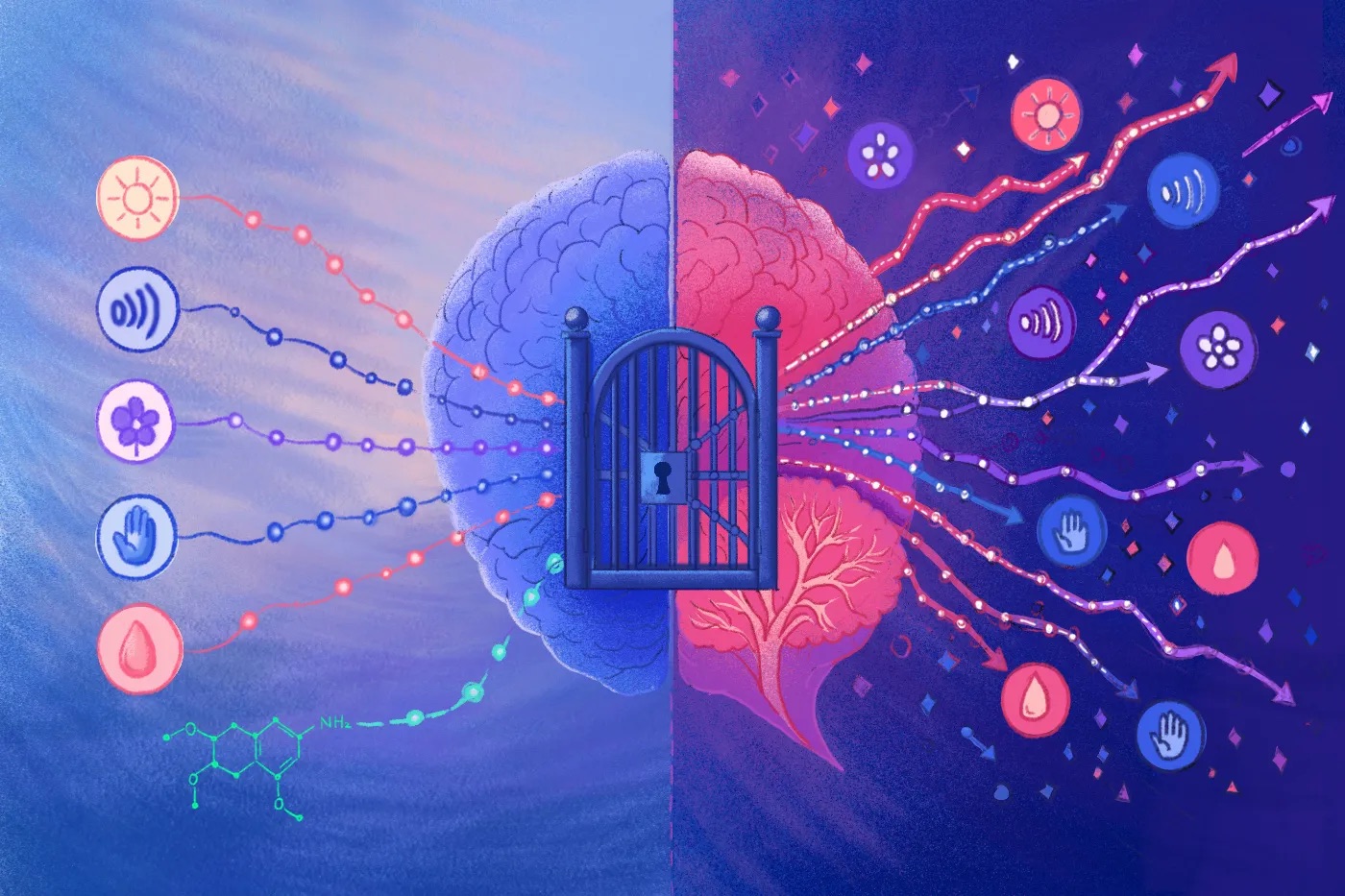
One of the oldest psychedelics meets modern brain imaging
Mescaline is a naturally occurring chemical found in cacti, mainly peyote cacti, that are located in the Southwest United States and Mexico.
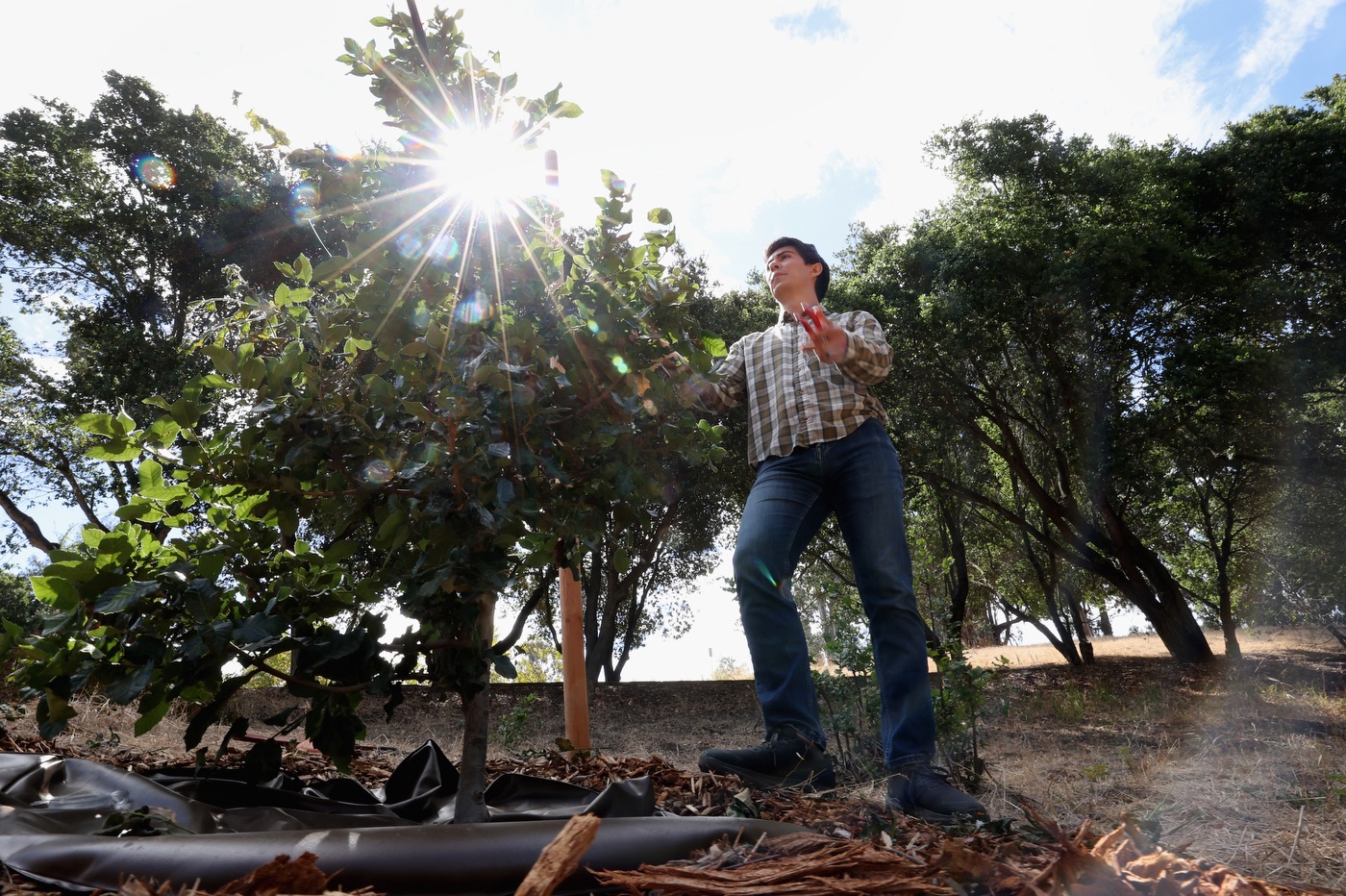
This project aims to rescue Oakland’s namesake tree species
As climate change threatens Oakland’s namesake tree, Northeastern has launched a transplant program to safeguard the city’s urban forest.

Should you join the 5 AM Club? Why hitting snooze might be better for some
The morning routine that calls for an extra-early wakeup time has been touted by many, but what do sleep experts say? Northeastern researchers caution that sleep deprivation isn’t a price worth paying.

Northeastern researchers want to help keep New England seafood from going to China and back
The NSF Seafood Engine in New England is a collaboration of the seafood industry, tech sector, government and research partners.

Meet the researcher who thinks plants could help save the world
“I’m really, really humbled by plants all the time,” said Northeastern’s Jing-Ke Weng, the director of the Institute for Plant-Human Interface.
Varun Kompalli ’26, MS Nanomedicine
Varun Kompalli's exploration of drug delivery technologies sparked a fascination with nanomedicine and its role in COVID-19 vaccine delivery, ultimately motivating them to pursue a master's degree in the field at Northeastern University
Shreya Bangara ’27, MS Biotechnology
Working at Northeastern University's Nanomedicine Innovation Center introduced Shreya Bangara to the interdisciplinary world of nanomedicine. Seeing its potential to address real-world medical challenges inspired them to pursue a graduate certificate alongside their master's degree and expand their research experience.
Hrudaya Shailesh Powale ’26, MS Biotechnology
Building on a foundation in pharmacy and drug delivery systems, Hrudaya Shailesh Powale became fascinated by the potential of nucleic acid therapeutics and lipid nanoparticle technologies, leading them to pursue advanced training in nanomedicine.

The Legacy Survey of Space and Time officially launches, as scientists begin filming ‘greatest cosmic movie ever made’
The Legacy Survey of Space and Time just kicked off one of the largest and most detailed observations of the sky, with the help of the largest digital camera on Earth.

Rising high schoolers study wildfires in Oakland amid historic dry season
A two-week wildfire ecology program on Northeastern’s Oakland campus took lessons from the deadly blaze along the Colorado-Utah border.

Physicist explains how to ‘bend it like Beckham’
Professor Arun Bansil said the “absolute key” to bending is the Magnus force or effect.
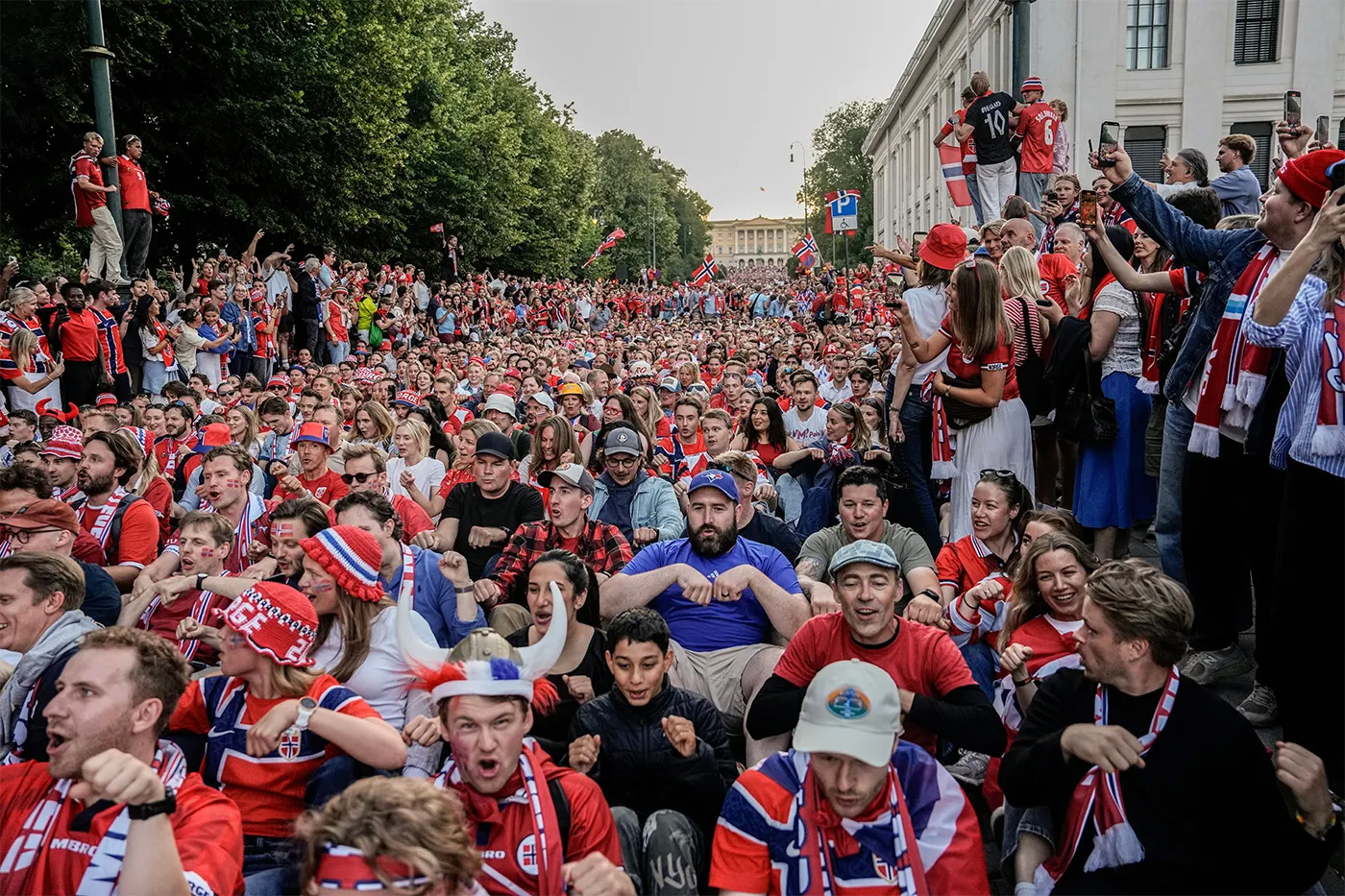
How do World Cup crowds get synchronized so quickly? Researchers explain
Some World Cup crowds are more in sync than others, but all have some common features, Northeastern experts say.