COS News
Research

“The basic premise is that AI can help us do better physics, and something that is less expected is that physics can also help us understand AI better,” said Northeastern professor James Halverson.
AI and physics have more in common than you might think.
News
Mark Williams, Professor and Chair of the Department of Physics, will assume the role of Dean of the College of Science, effective July 1, 2026.
Mark C. Williams named Dean of the College of Science
Showing 170 results in Biology
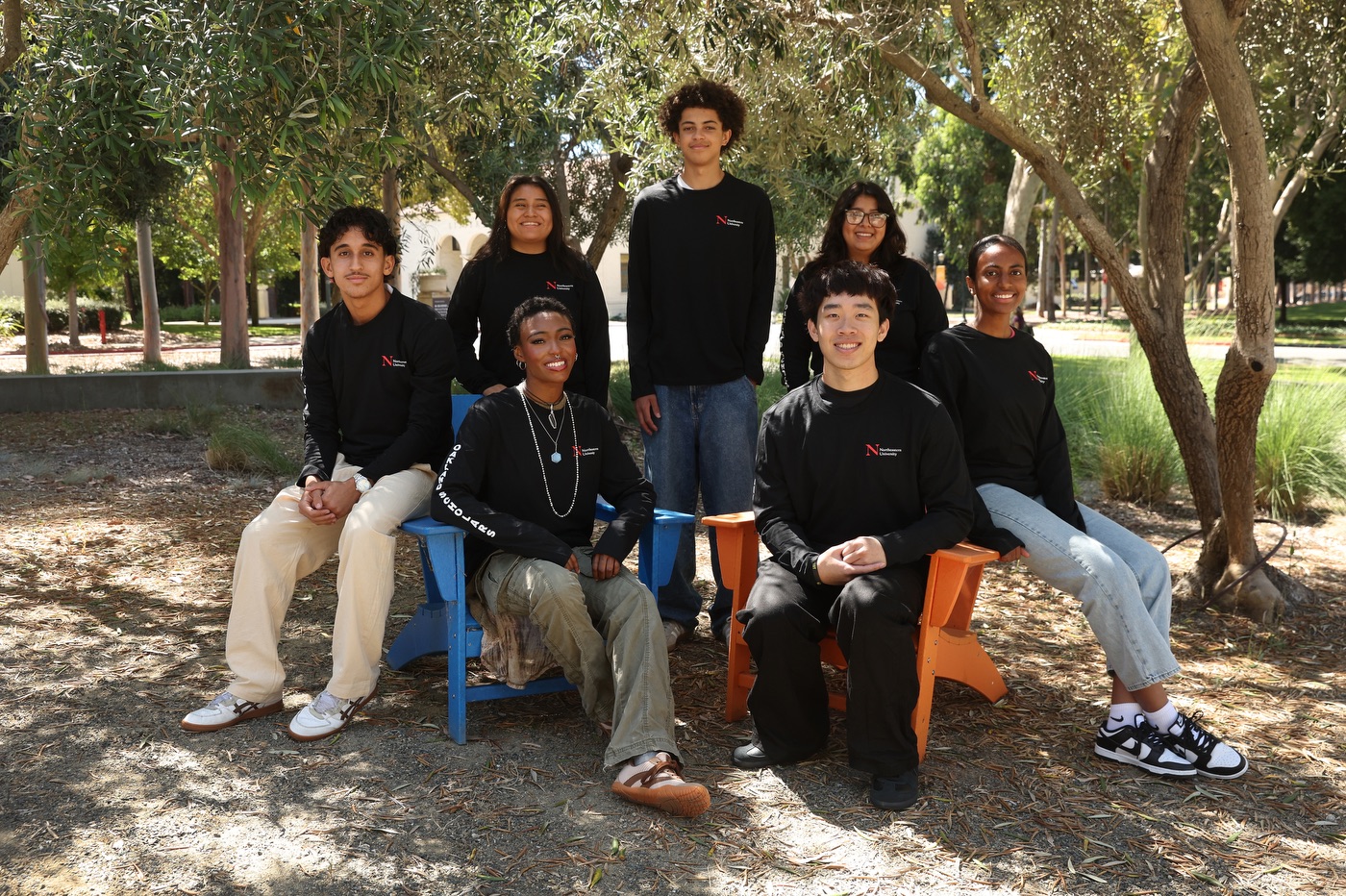
Northeastern awards full scholarships to accomplished Oakland students
To qualify, the Oakland high school students demonstrated extensive commitment to public service within their high schools’ communities.
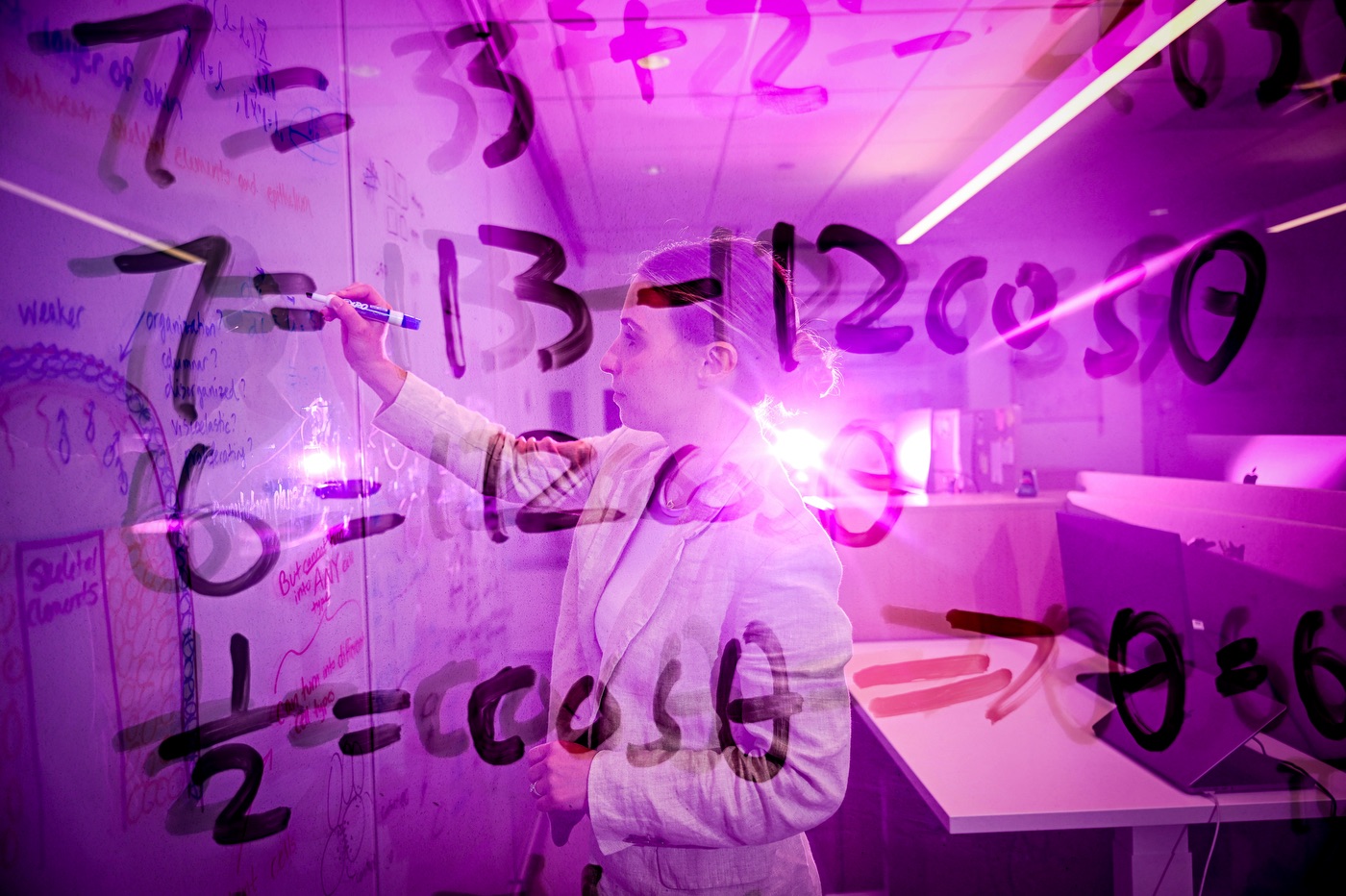
Cracking the axolotl code: How to regrow limbs and stay young
Northeastern University professor Calina Copos is using computational techniques to study limb regeneration in axolotls. The findings could advance research on wound healing and aging.
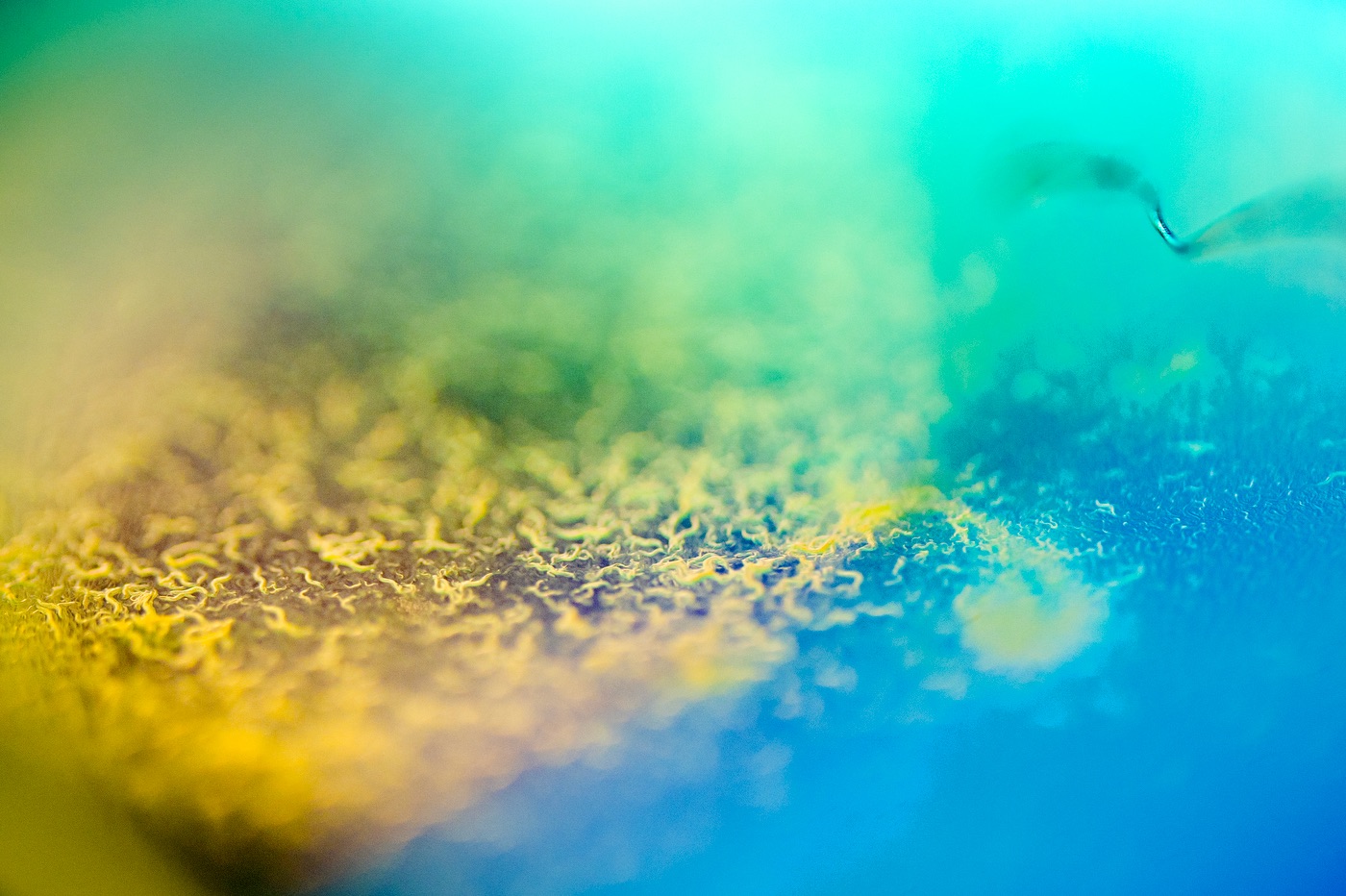
Zapping microscopic worms gives undergrads a leg up in competitive lab placements
Undergrads are utilizing their worm-zapping mastery to stand out within a competitive pool of science lab applicants in Boston.

Should you join the 5 AM Club? Why hitting snooze might be better for some
The morning routine that calls for an extra-early wakeup time has been touted by many, but what do sleep experts say? Northeastern researchers caution that sleep deprivation isn’t a price worth paying.

Rising high schoolers study wildfires in Oakland amid historic dry season
A two-week wildfire ecology program on Northeastern’s Oakland campus took lessons from the deadly blaze along the Colorado-Utah border.
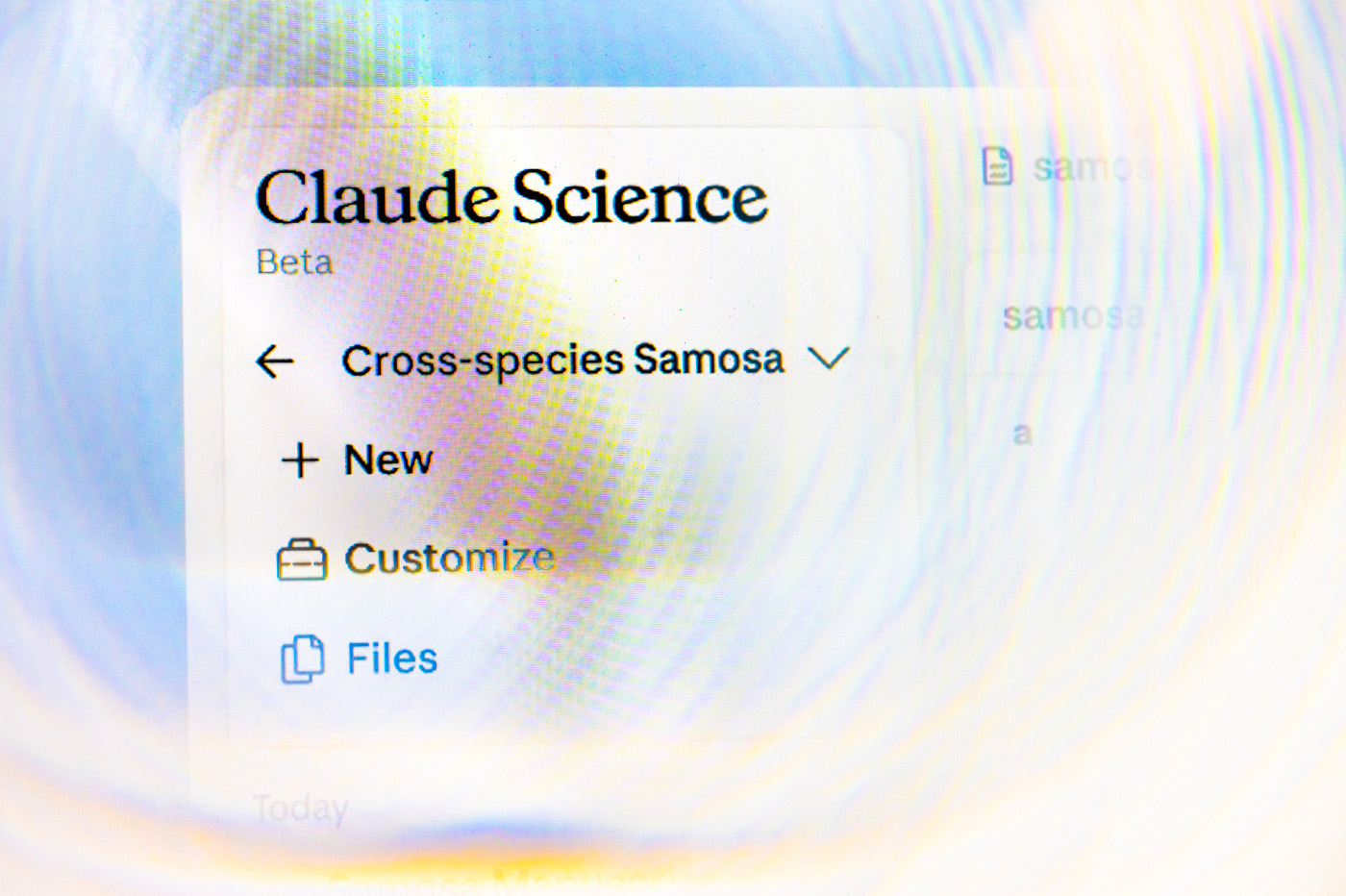
Researchers say Anthropic’s release of Claude Science will help speed up drug discovery
Northeastern scientists weigh in on Anthropic’s answer to GPT-Rosalind.
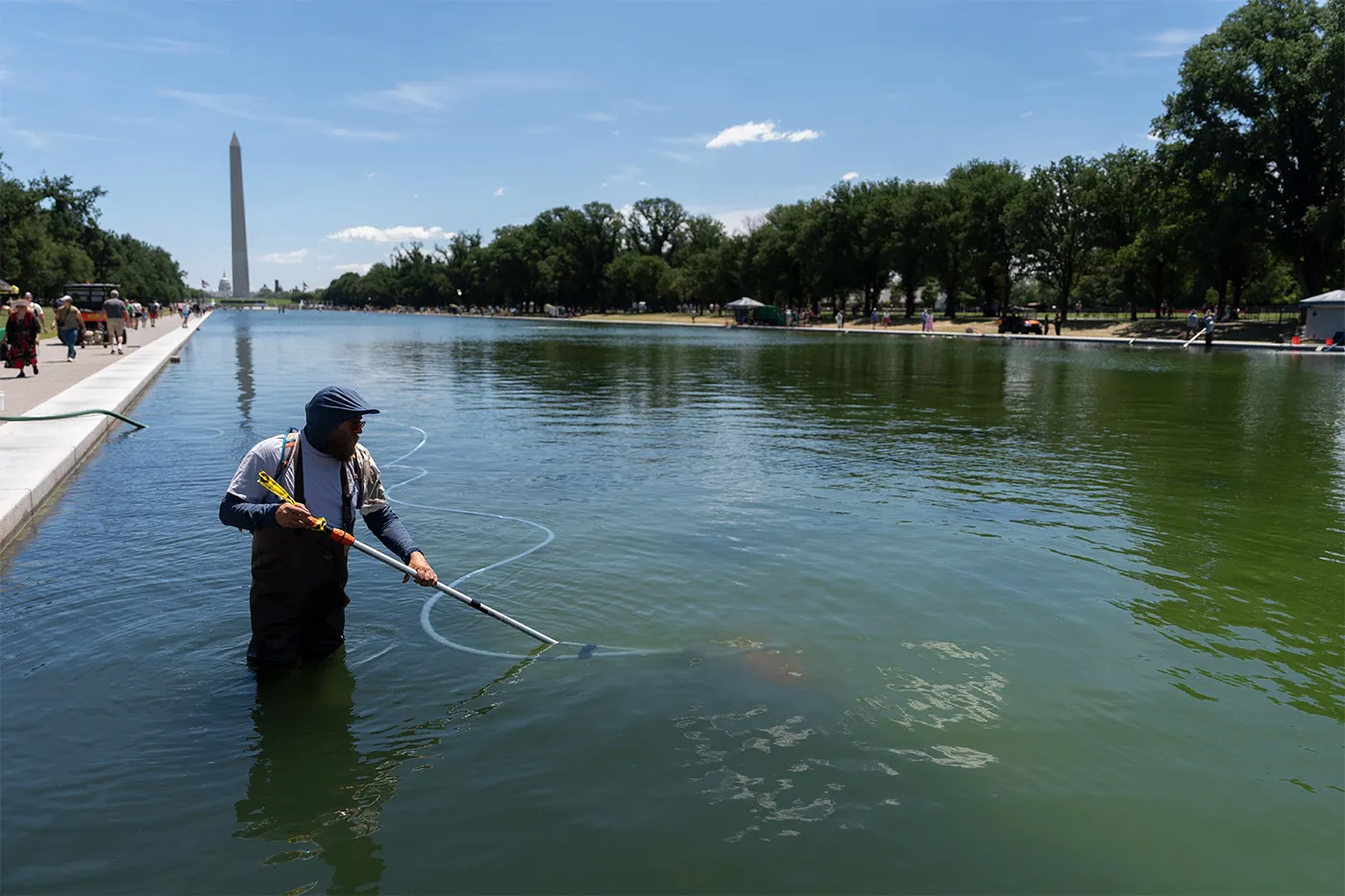
Reflections on algae in the Lincoln Memorial Pool (and elsewhere)
Lianyong Wang, assistant professor of biology, explains what algal blooms are all about and what is — and isn’t — cause for concern.
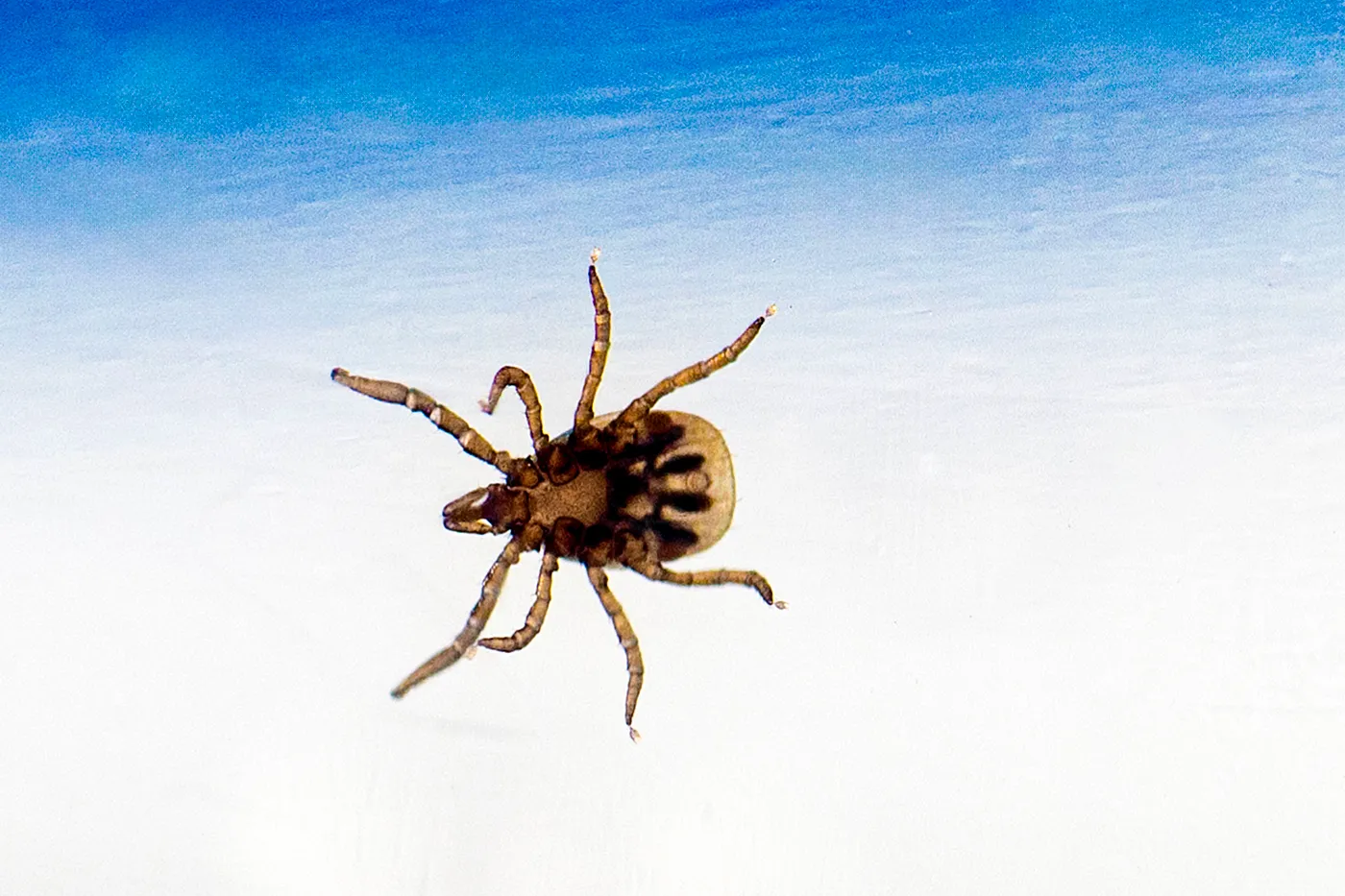
Tick-related ER visits are higher than normal this year. Here’s how you can protect yourself and your family from Lyme disease
How to protect yourself and your family from Lyme disease, according to Assistant Professor Constantin Takacs.
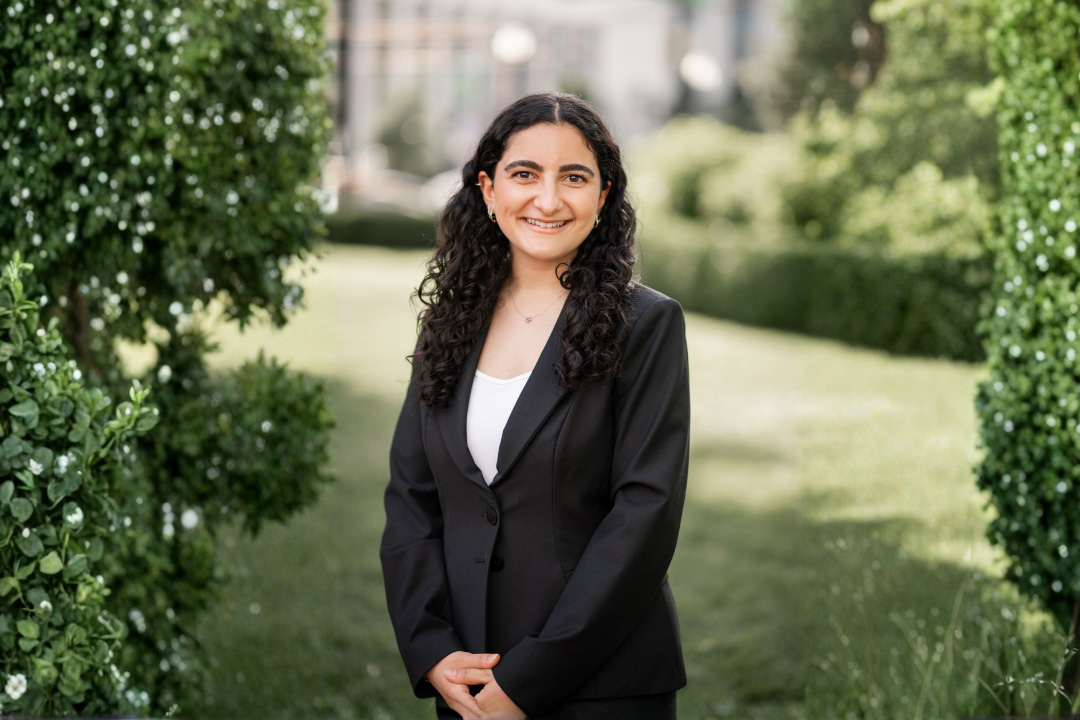
Driven by Purpose: Susanna Ovsepian’s Path to Medicine at Northeastern
From her earliest days at Northeastern University, Susanna Ovsepian was motivated by a desire to make an impact. As graduation approaches, she reflects on a journey defined by resilience, balance, and a deep commitment to others.
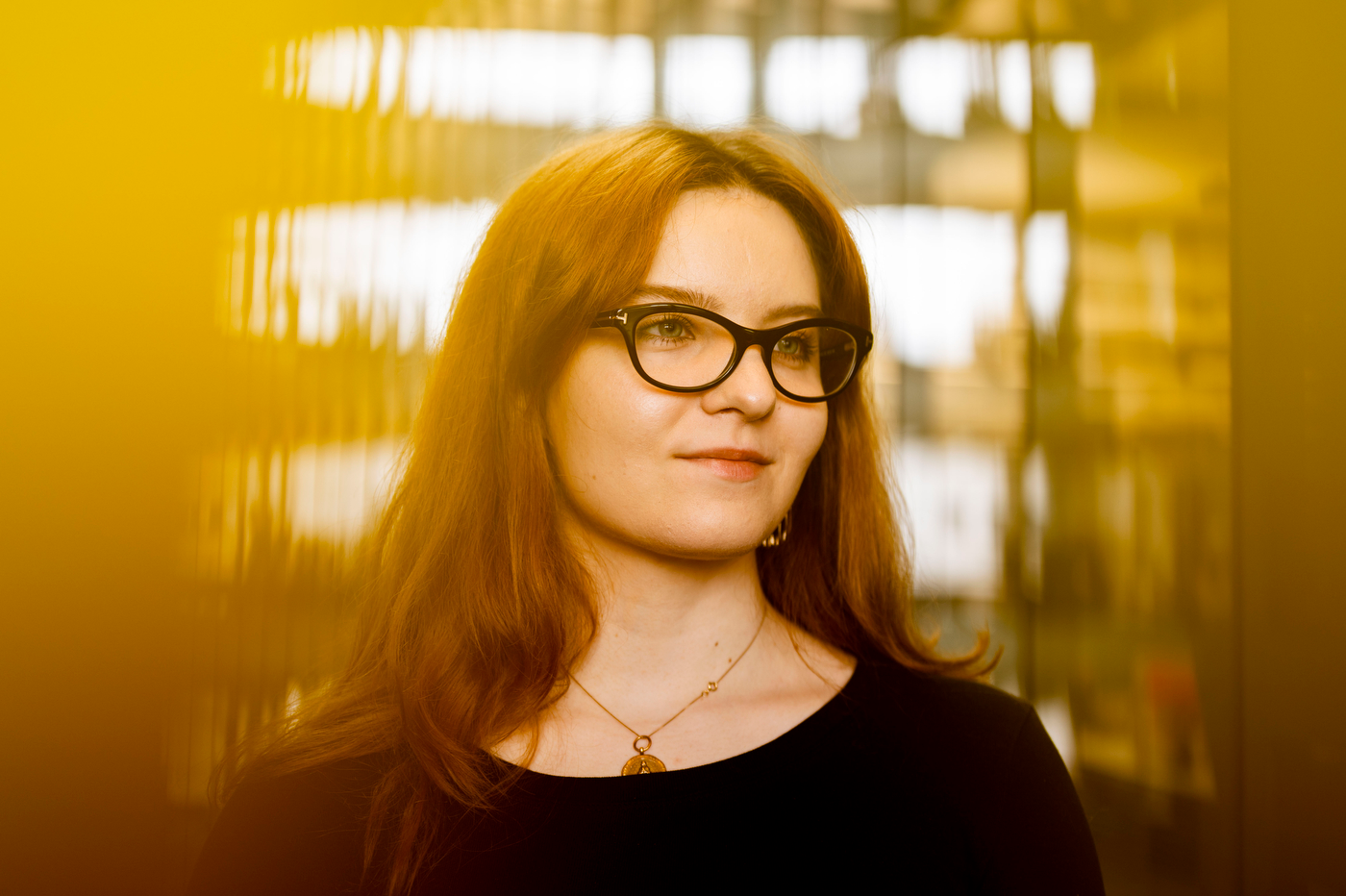
Northeastern graduate wins prestigious NIH Oxford-Cambridge doctoral scholarship
Northeastern graduate Laurel Walsh mapped a mosquito’s brain; now she’s headed to Oxford.
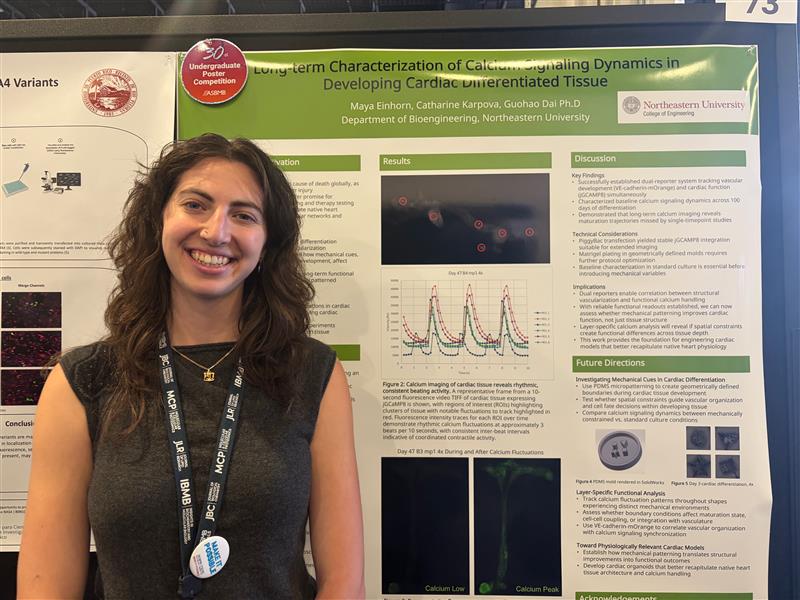
Science in the Capital: Northeastern Undergrads at ASBMB 2026
Northeastern University students traveled to Washington, D.C. to attend the American Society for Biochemistry and Molecular Biology’s (ASBMB) annual meeting.

How Co-op Research Led Matthew Uy to His First Scientific Publication
Matthew Uy’s co-op research helped develop faster methods to detect antimicrobial resistance in hospitals, leading to his first scientific publication.