COS News
Research

“The basic premise is that AI can help us do better physics, and something that is less expected is that physics can also help us understand AI better,” said Northeastern professor James Halverson.
AI and physics have more in common than you might think.
Research
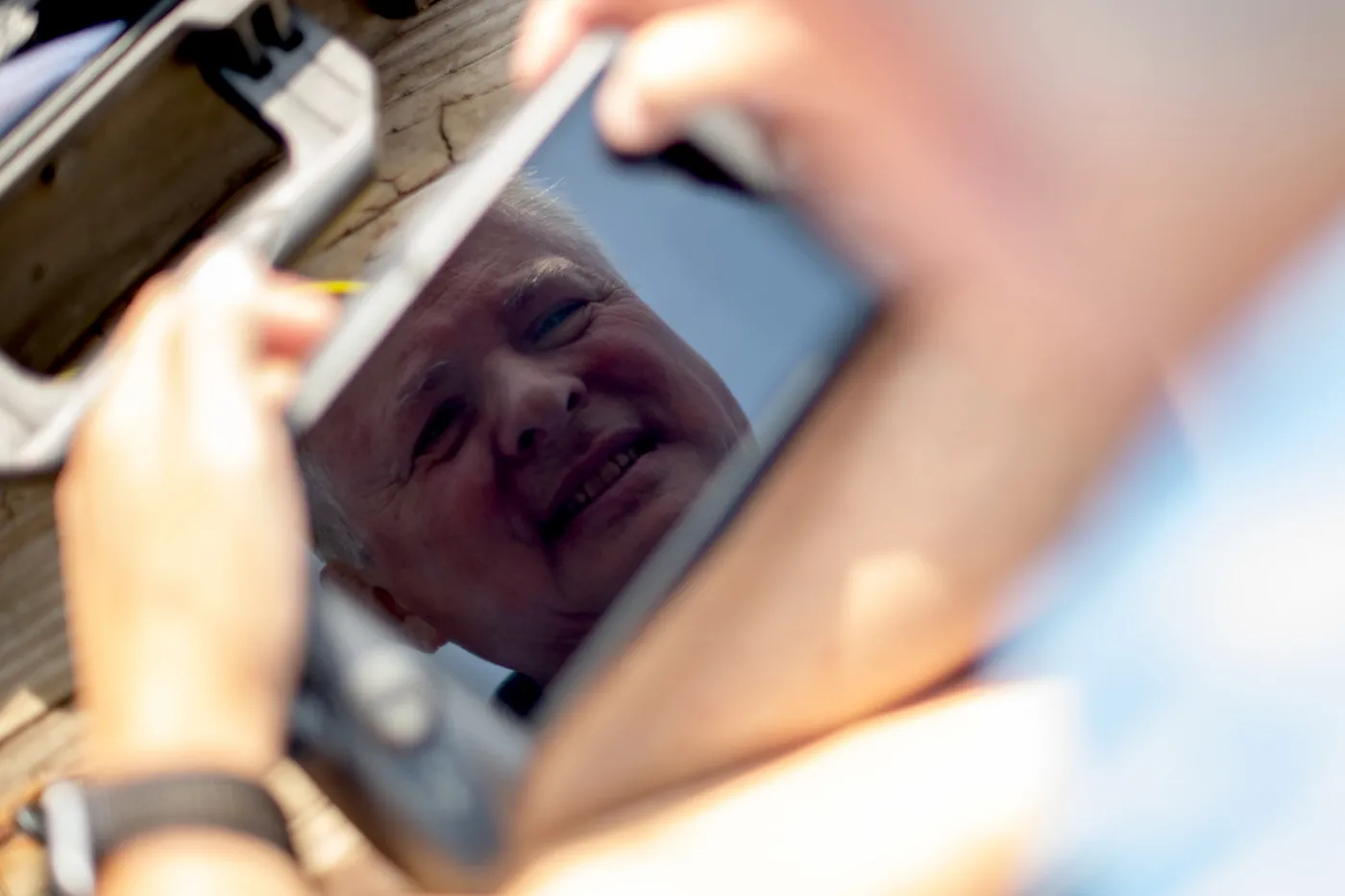
Formed by superheated glacial water from the last ice age, the hydrothermal vents Professor Mark Patterson studies have been bubbling beneath the fjord for centuries.
Professor receives Fulbright to explore one of the world’s most unique hydrothermal vents
Showing all results
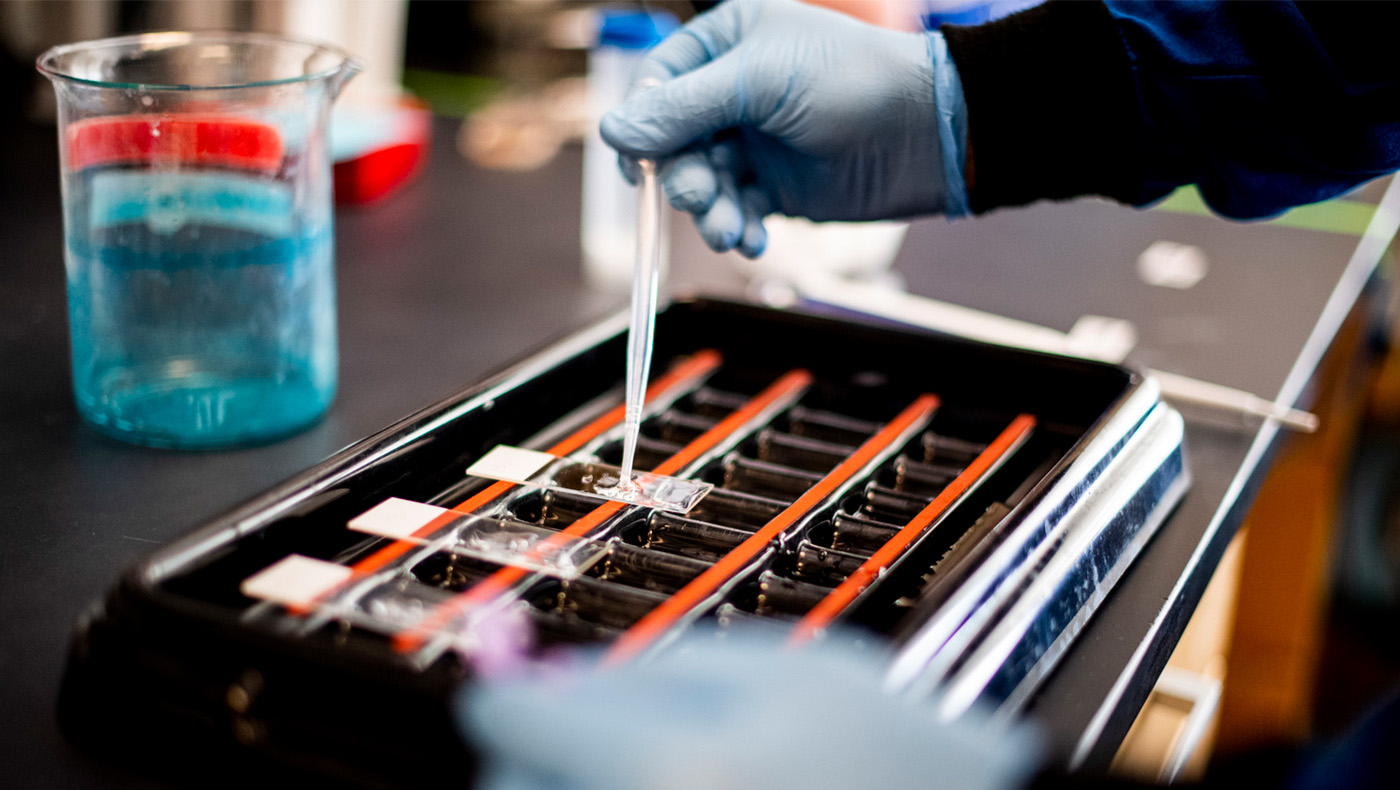
Varun Kompalli ’26, MS Nanomedicine
Varun Kompalli's exploration of drug delivery technologies sparked a fascination with nanomedicine and its role in COVID-19 vaccine delivery, ultimately motivating them to pursue a master's degree in the field at Northeastern University
Shreya Bangara ’27, MS Biotechnology
Working at Northeastern University's Nanomedicine Innovation Center introduced Shreya Bangara to the interdisciplinary world of nanomedicine. Seeing its potential to address real-world medical challenges inspired them to pursue a graduate certificate alongside their master's degree and expand their research experience.
Hrudaya Shailesh Powale ’26, MS Biotechnology
Building on a foundation in pharmacy and drug delivery systems, Hrudaya Shailesh Powale became fascinated by the potential of nucleic acid therapeutics and lipid nanoparticle technologies, leading them to pursue advanced training in nanomedicine.
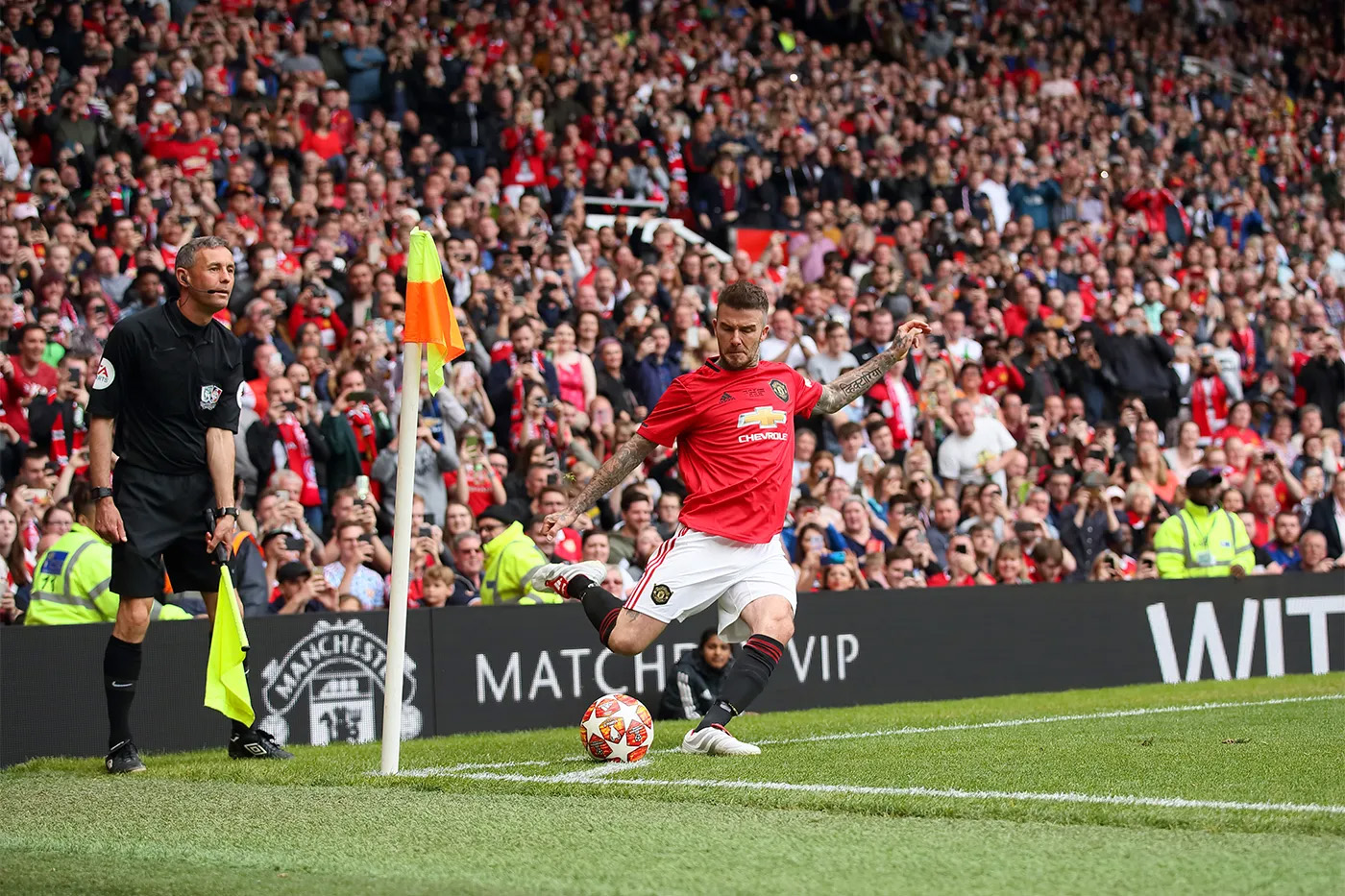
Physicist explains how to ‘bend it like Beckham’
Professor Arun Bansil said the “absolute key” to bending is the Magnus force or effect.
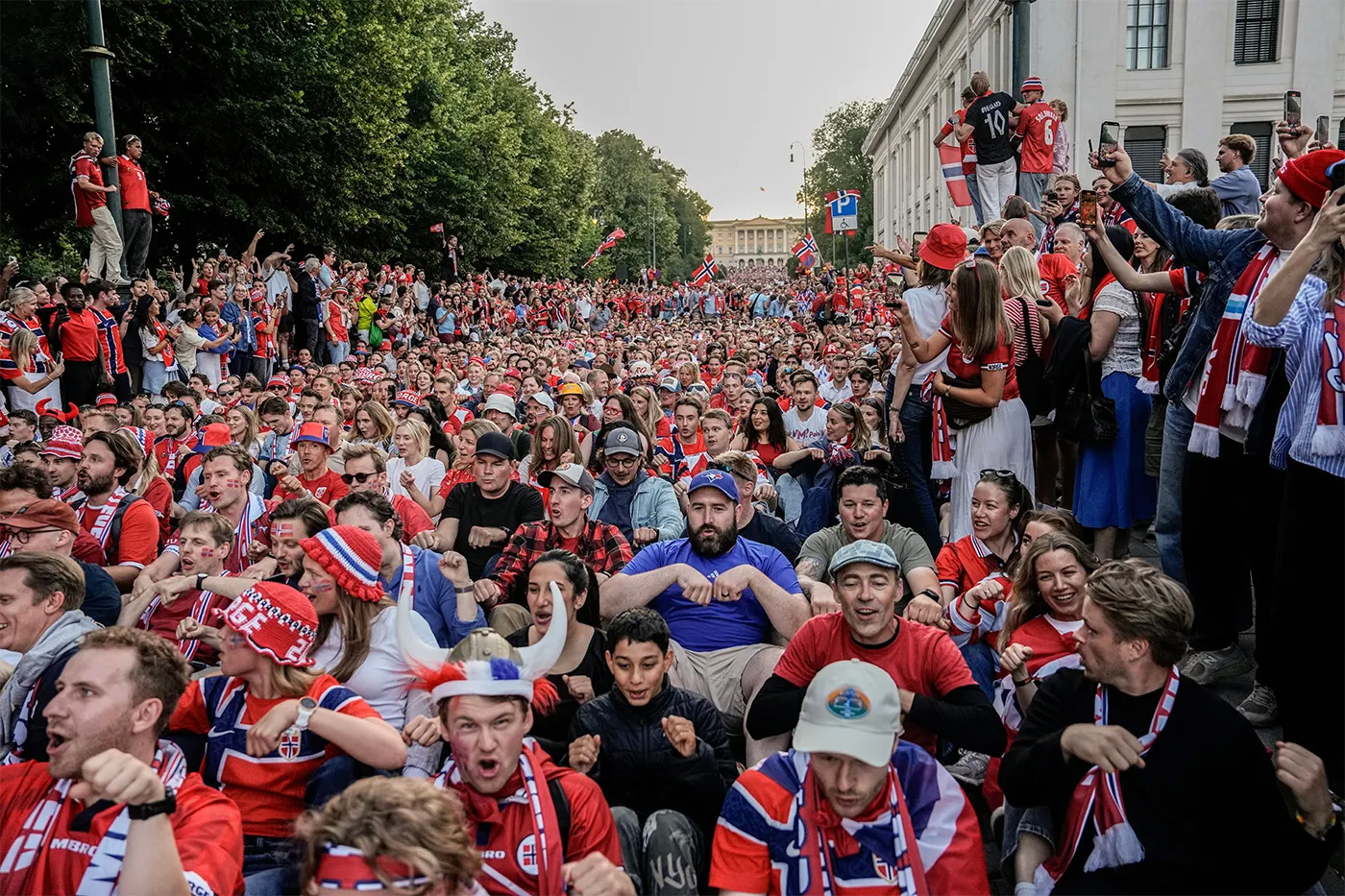
How do World Cup crowds get synchronized so quickly? Researchers explain
Some World Cup crowds are more in sync than others, but all have some common features, Northeastern experts say.

New revelations about interstellar comet 3I/Atlas shed light on ‘alien chemistry’
Assistant Professor Jacqueline McCleary breaks down how recently released details point to the comet’s ancient origins and distant, alien chemical composition.
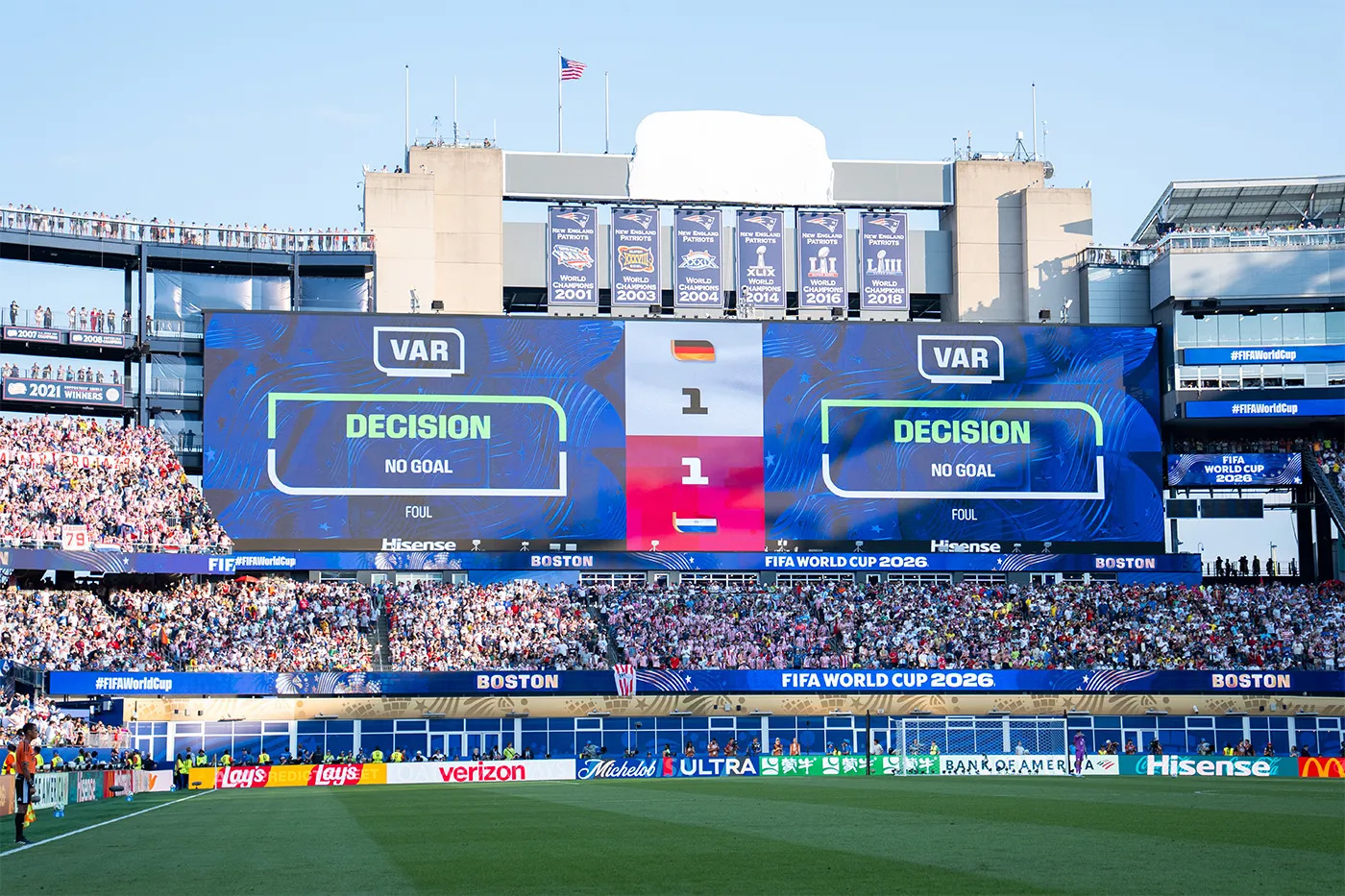
Is technology ‘ruining’ soccer? How advancements have changed the sport
The 2026 World Cup may be the most technologically advanced yet. From player avatars made with AI to video replays to confirm or challenge calls, soccer continues to see advances in technology that have changed the game.
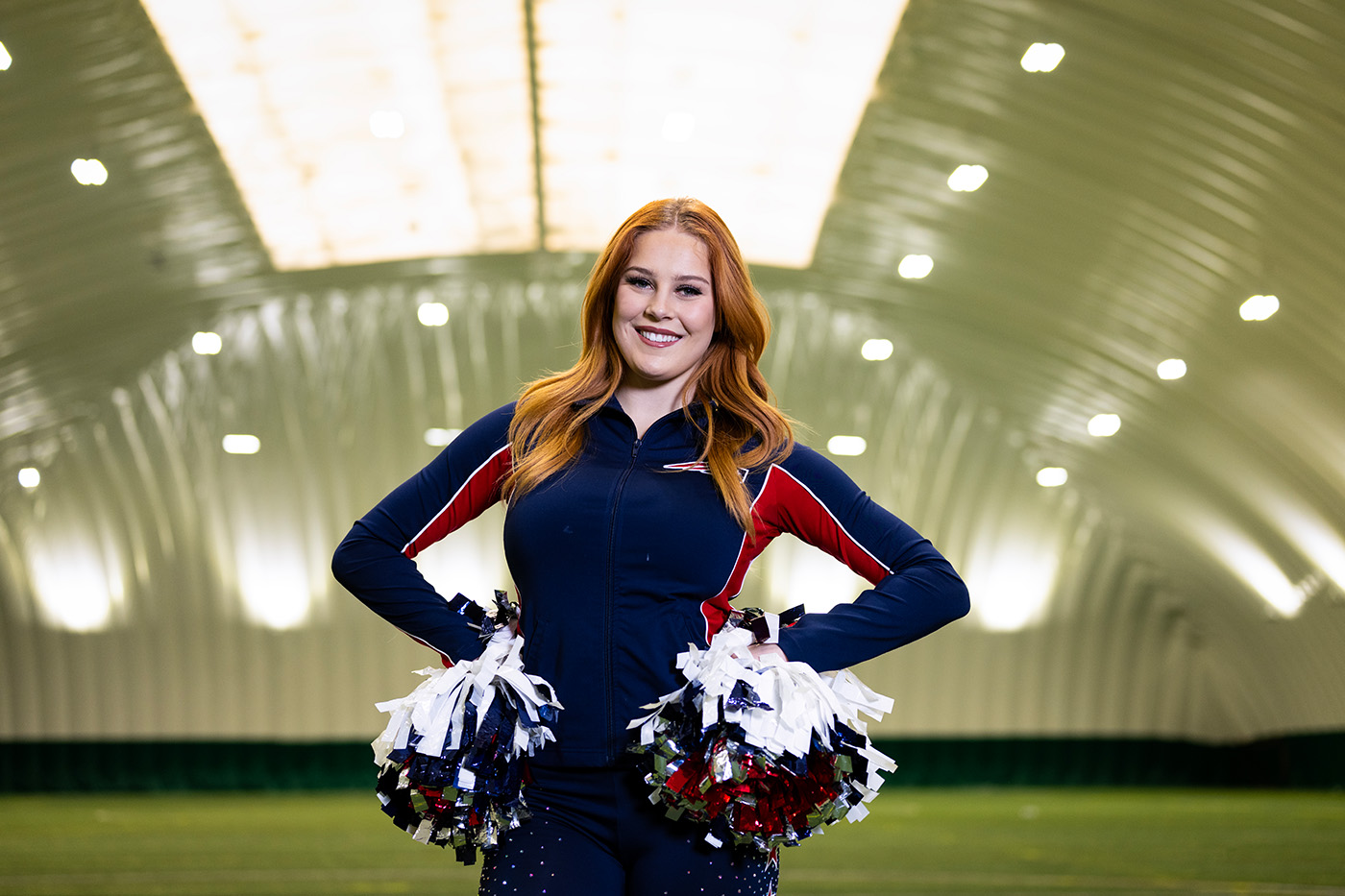
Cheerleading at World Cup was like ‘giant dance party’, Northeastern student says
Behavioral neuroscience student and New England Patriots Cheerleader Lana Vogler performed before a different set of football fan at the World Cup.
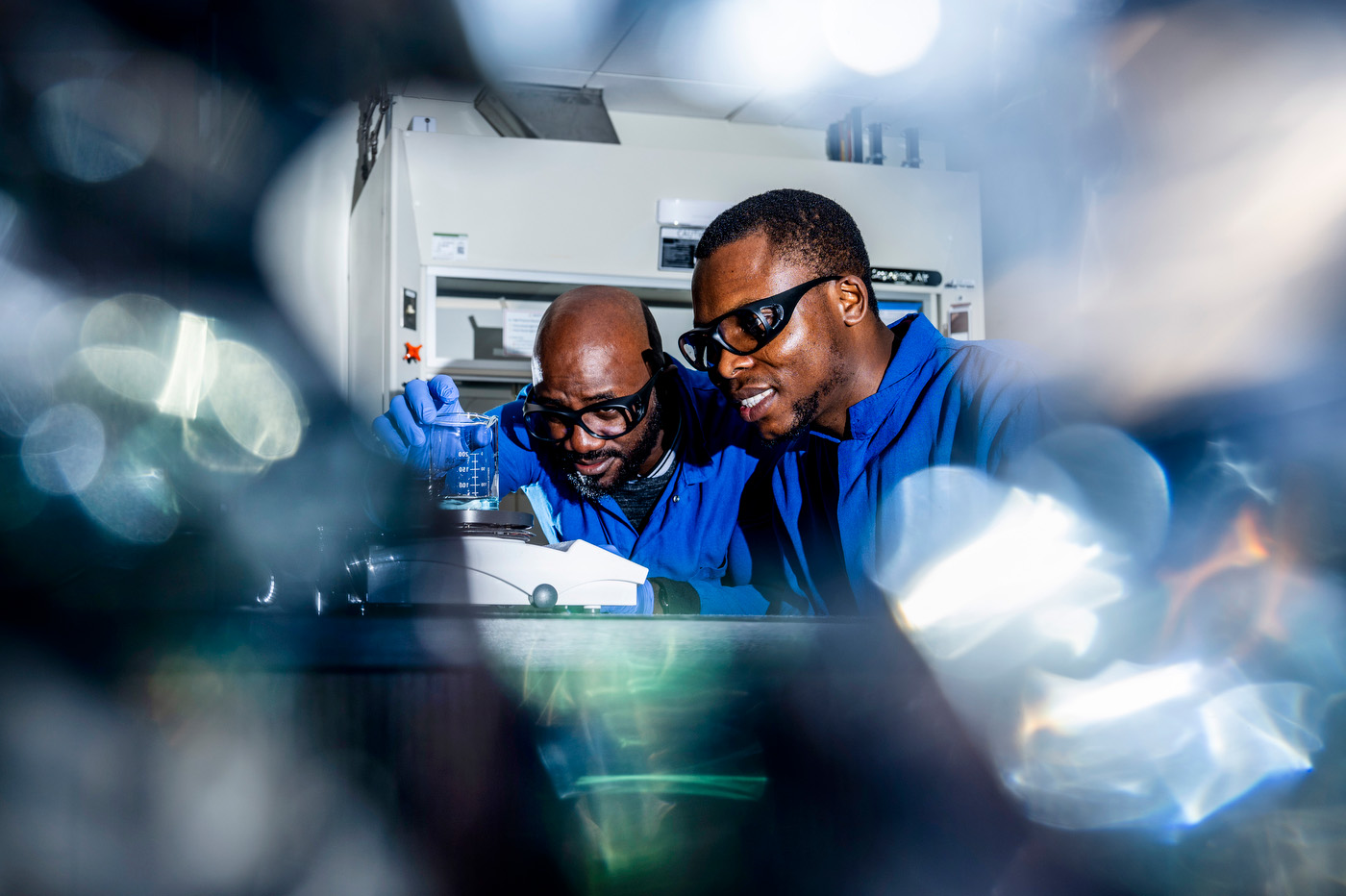
Could the clean energy revolution be powered by wastewater?
Professor Damilola Daramola and doctoral student Qudus Rafiu investigated removing critical materials from wastewater.
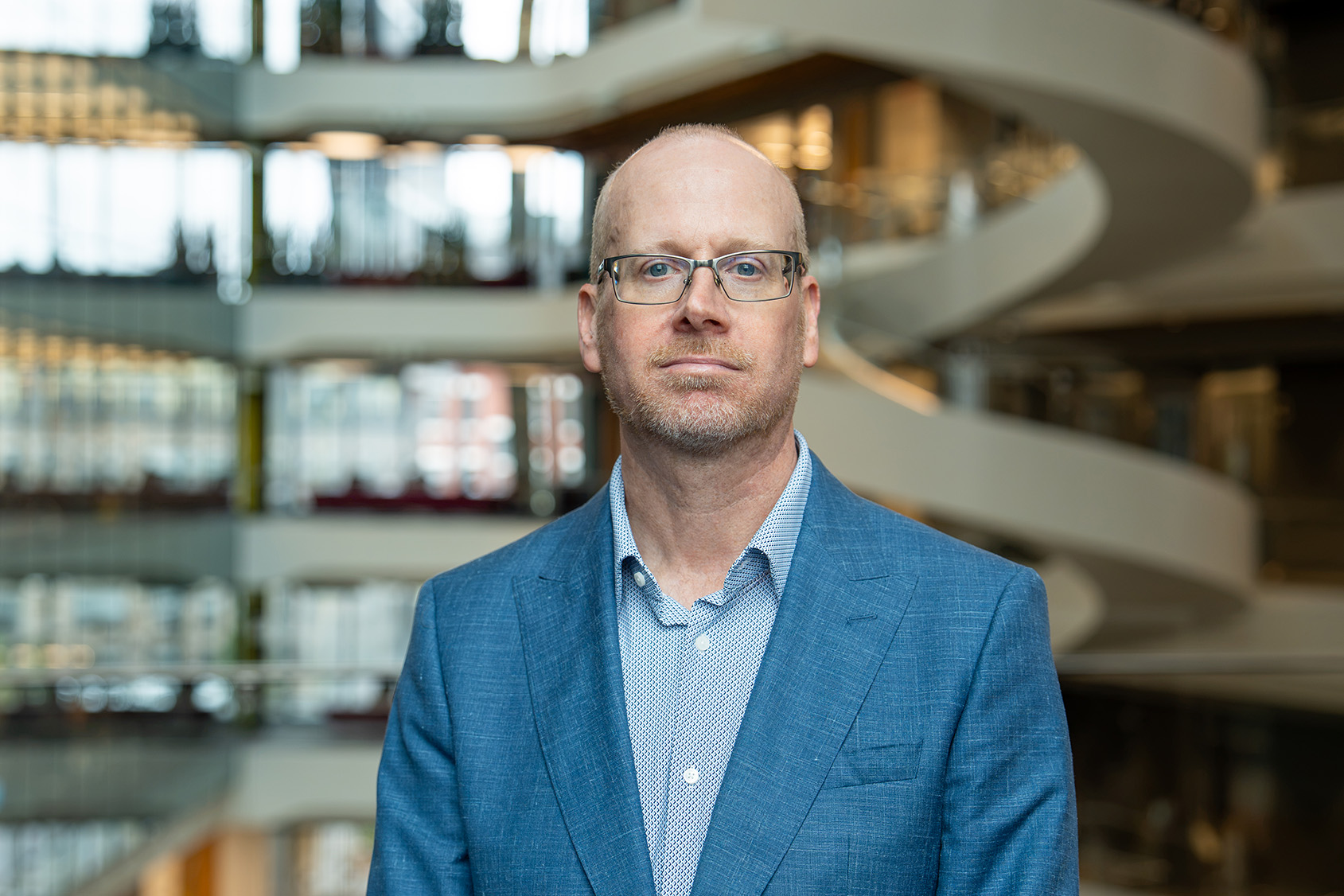
Mark C. Williams named Dean of the College of Science
Mark Williams, Professor and Chair of the Department of Physics, will assume the role of Dean of the College of Science, effective July 1, 2026.
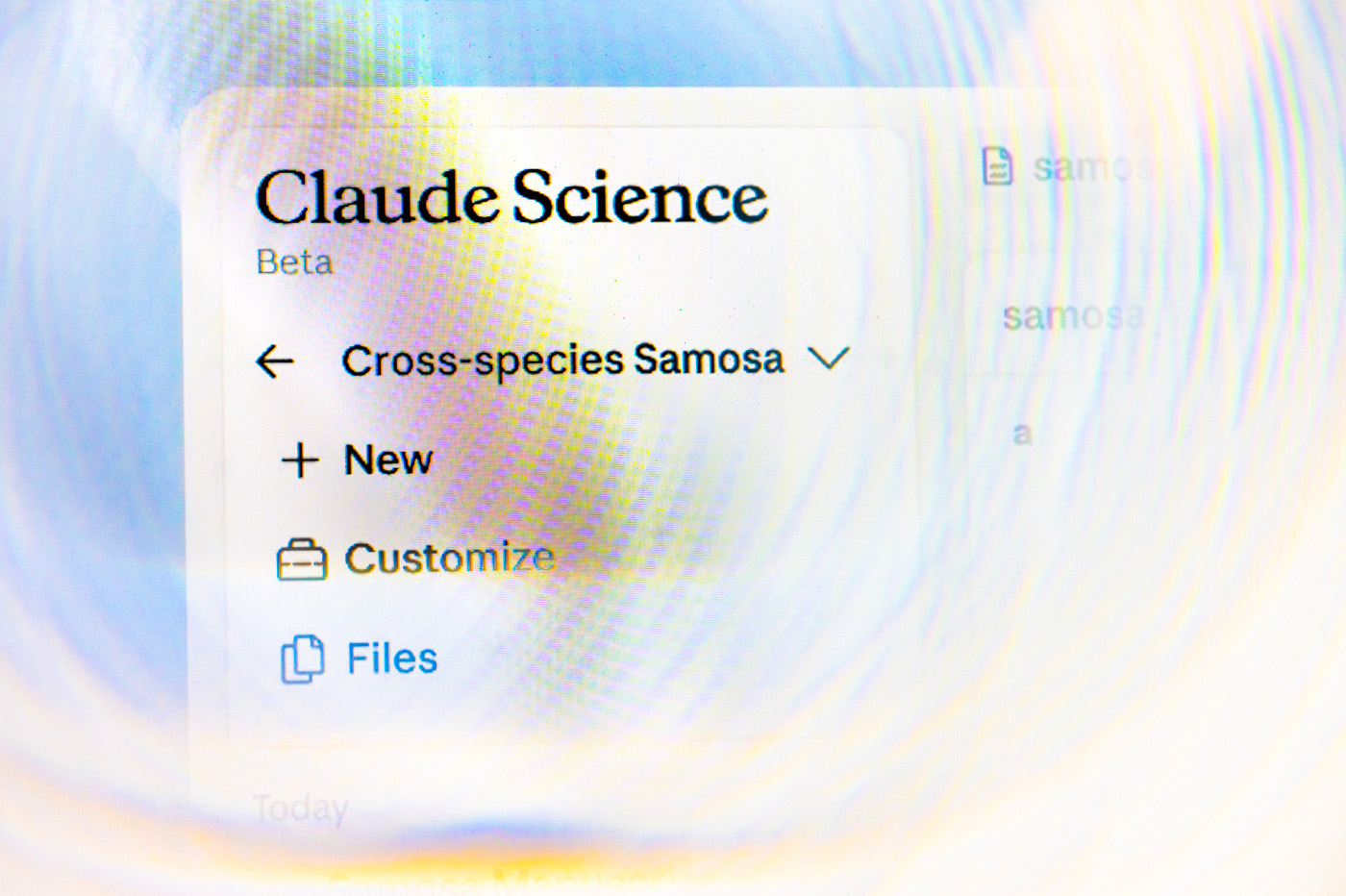
Researchers say Anthropic’s release of Claude Science will help speed up drug discovery
Northeastern scientists weigh in on Anthropic’s answer to GPT-Rosalind.
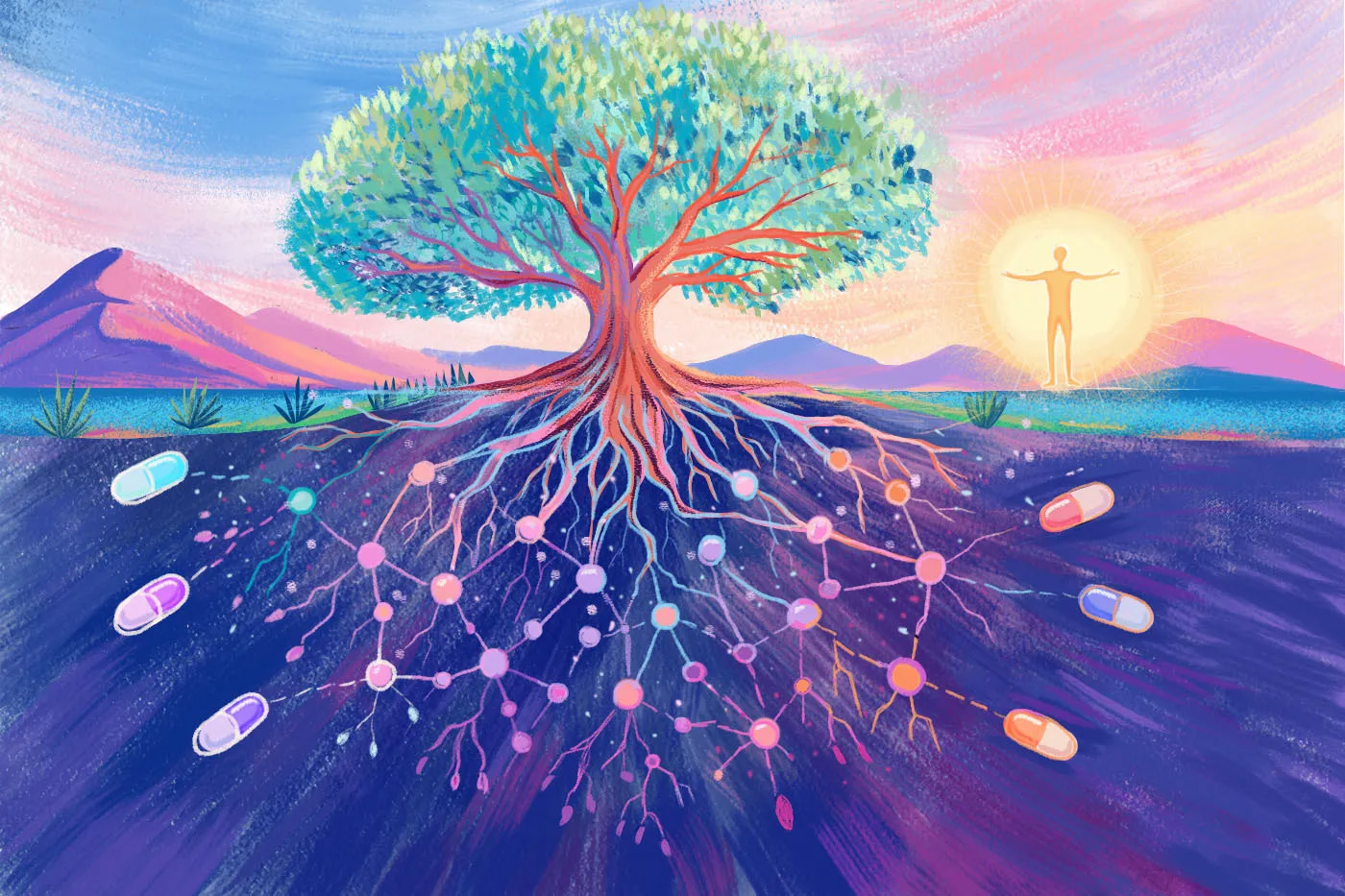
Study finds existing drugs could be repurposed for longevity by tapping network of aging-related genes
A study led by Northeastern researchers found that aging-related genes sit in a network associated with the “hallmarks of aging.” That network can be used to find existing drugs that reverse or speed up aging.