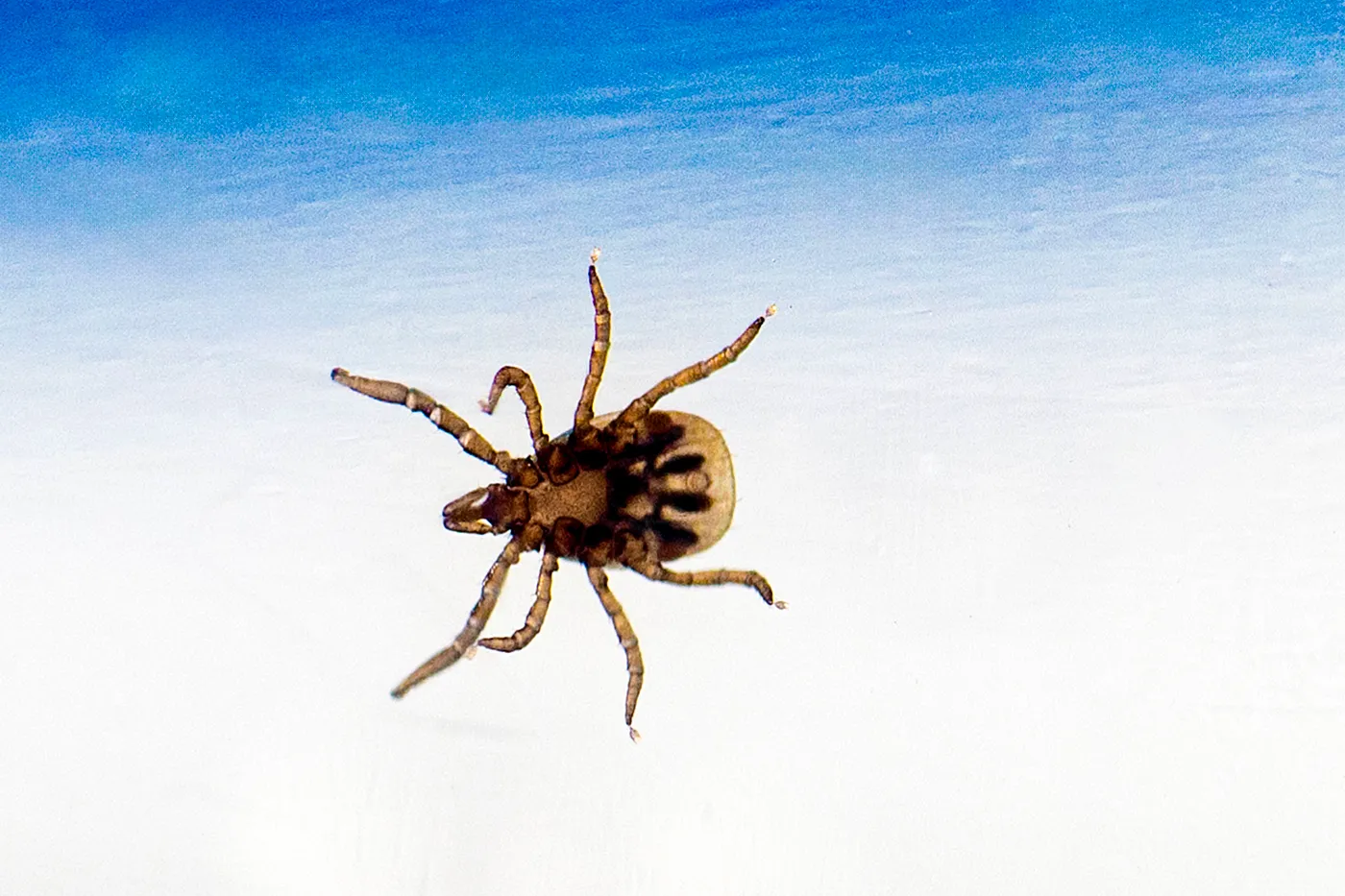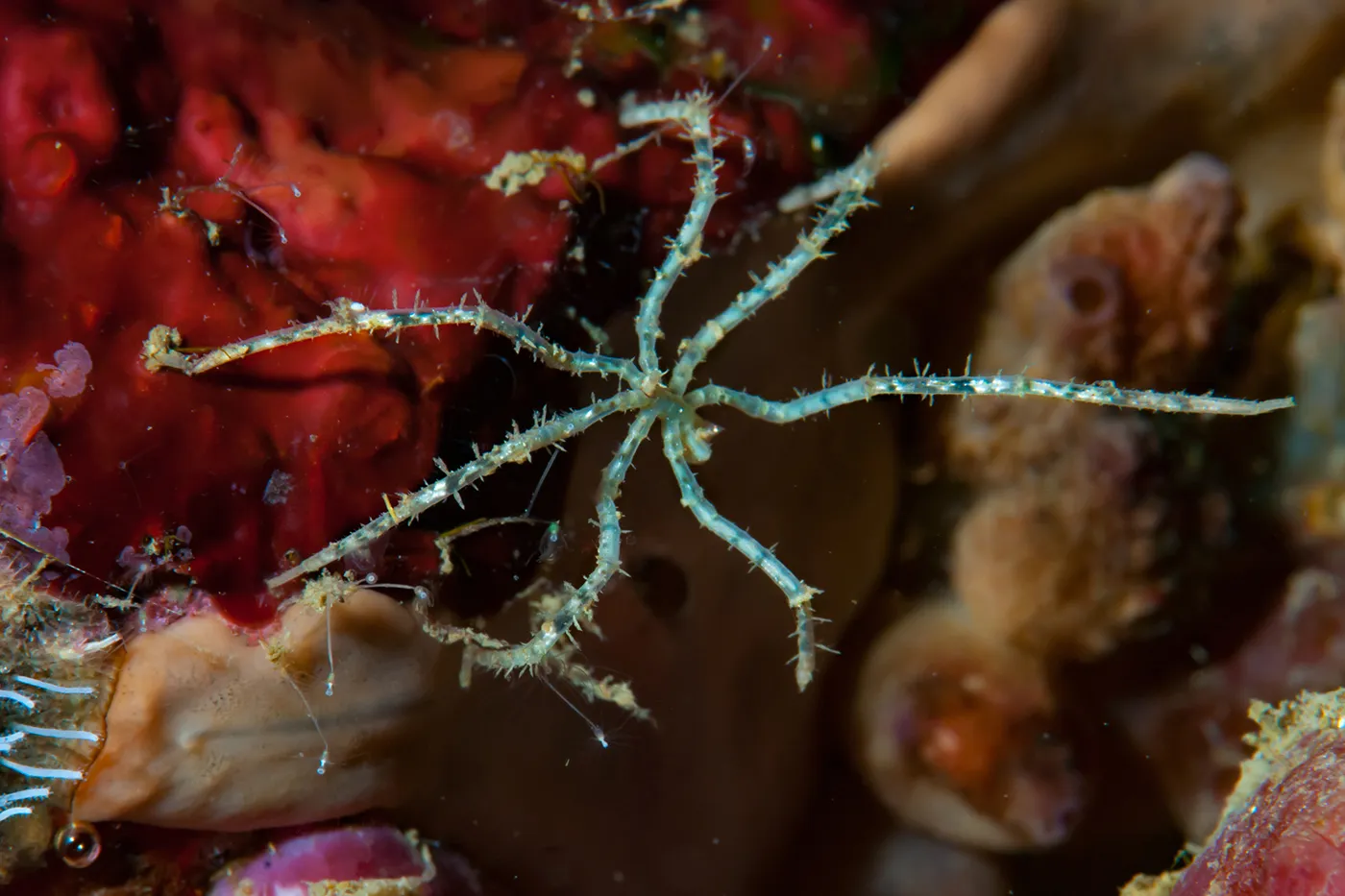
One of the best ways to learn how Antarctic sea spiders thrive under extreme conditions is to squeeze their guts out through their legs.
That’s what a Northeastern University biologist is doing to understand the otherworldly life cycle of the enormous marine arthropods that breathe, reproduce and digest through legs as long as a small cat.
Assistant teaching professor Connie Phong wants to know how an animal adapted to live in a highly specialized environment — just below the freezing point for seawater — responds to warming oceans. And by warming Phong means a 10th of a degree.
“The first question is, how does life even survive at these very cold temperatures?” Phong says. “And then, what happens when it starts to get very warm?”
Animals used to a narrow range of temperatures, cold or hot, have a harder time adapting to even slight change, Phong says. By studying life “at the edge of what can possibly be,” she says, we get a glimpse of the biodiversity we stand to lose as the climate warms.
Read more at Northeastern Global News.
Photo by Getty Images