COS News
Research

“The basic premise is that AI can help us do better physics, and something that is less expected is that physics can also help us understand AI better,” said Northeastern professor James Halverson.
AI and physics have more in common than you might think.
News
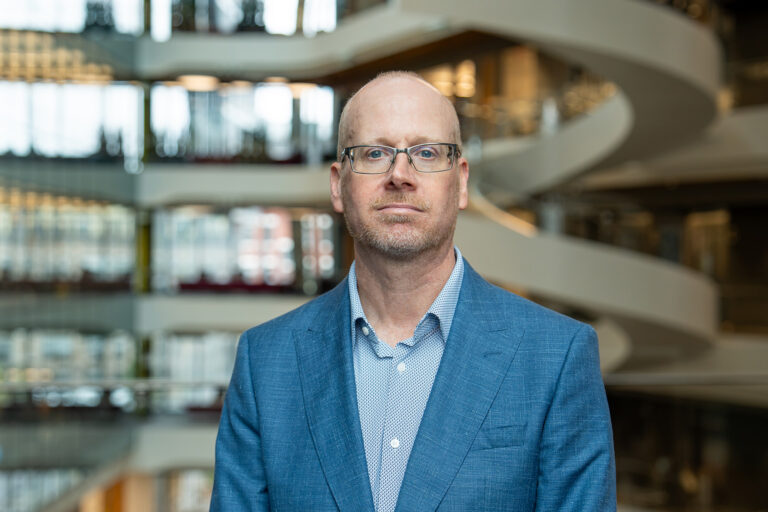
Mark Williams, Professor and Chair of the Department of Physics, will assume the role of Dean of the College of Science, effective July 1, 2026.
Mark C. Williams named Dean of the College of Science
Showing 240 results in Marine and Environmental Sciences

From coastal resilience to streamlining product development, Northeastern researchers are the state’s AI innovators
Northeastern University professor Jim Chen is one of the winners of the Massachusetts AI Hub’s AI Models Innovation Challenge.

What to expect from La Niña this winter
Will La Niña bring more snow or rain to your region this winter?
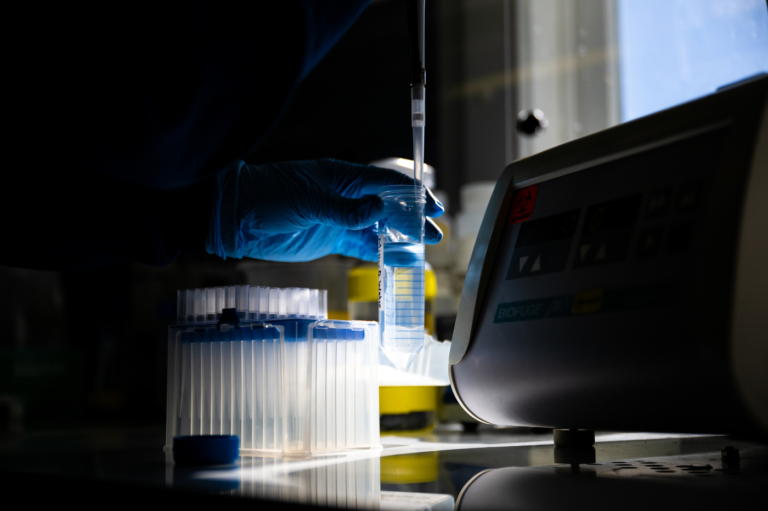
Preserving biological specimens for DNA analysis just got easier
How a Northeastern professor and undergraduate students discovered a safe, inexpensive method to preserve DNA in the lab
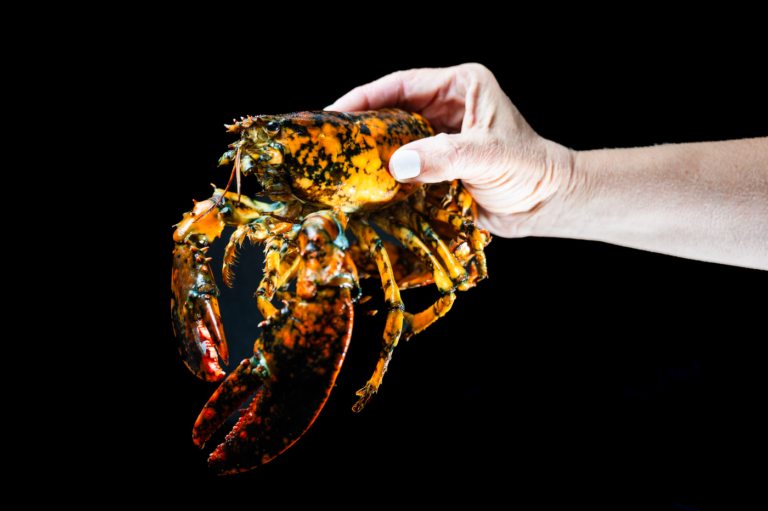
Rare calico lobster makes a splash at Nahant
Meet Jackie—a one-in-30 million lobster and the new superstar at Northeastern’s Marine Science Center.
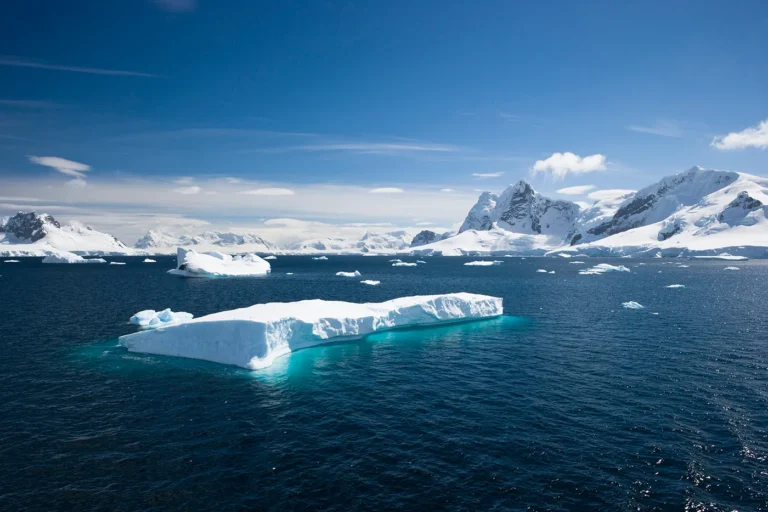
The Antarctic Ocean of the last ice age has stories to tell about a warming planet
New research describes how a critical process of carbon dioxide storage in the Southern Ocean slowed during the last deglaciation, and how it could be happening again.

Scientists explore stakeholder-informed spatial modeling for hydrologic sciences
MES researchers convened an NSF-supported workshop exploring the role of stakeholders in hydrological studies and futures
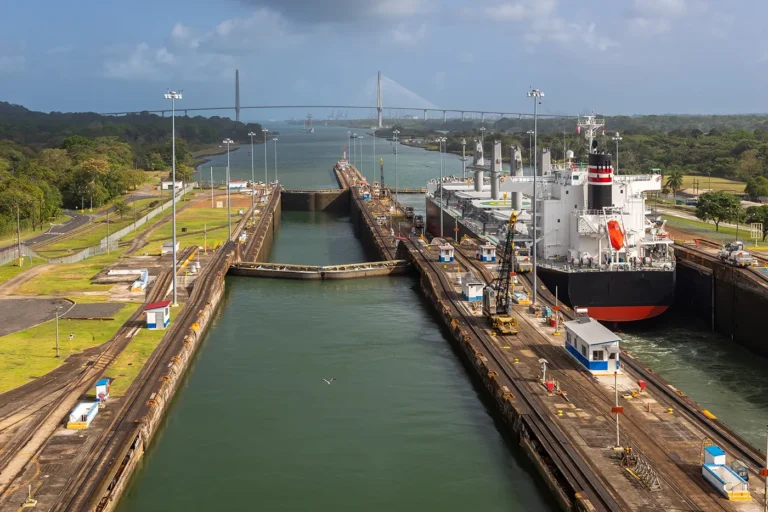
Drought and low water levels could slow global trade at the Panama Canal
New research by professor Samuel Muñoz reports that the risk of shipping disruptions will grow in a warming climate unless steps are taken to reduce greenhouse gas emissions or to adapt to drier conditions.
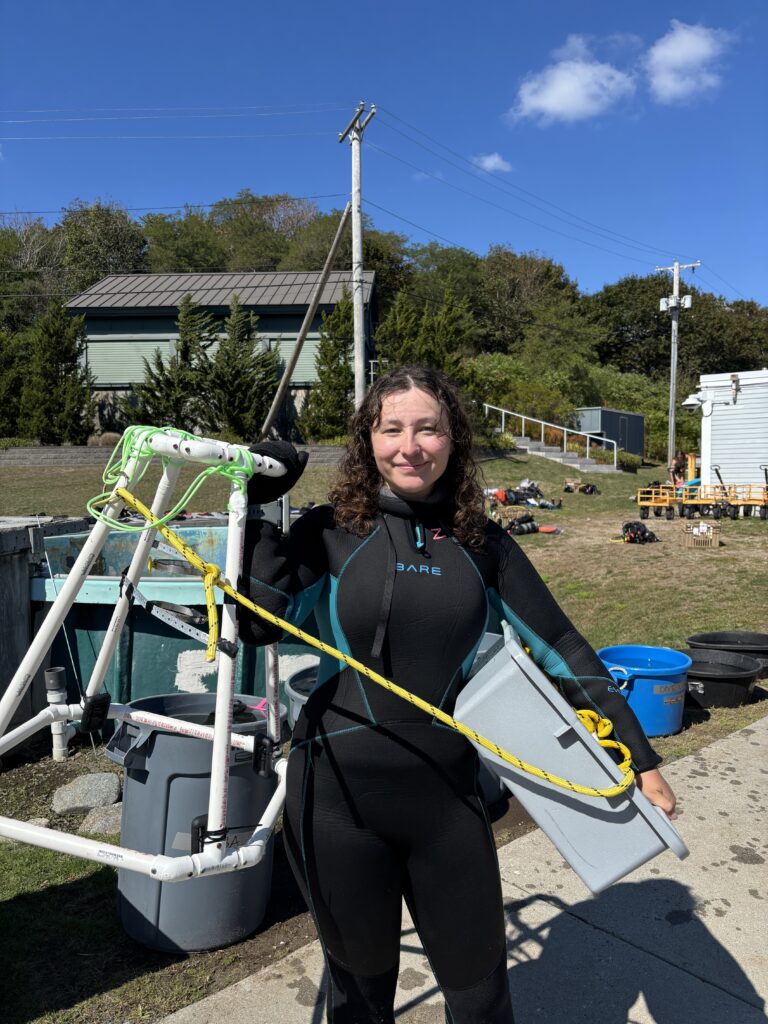
Three Seas student wins AAUS Award
Congratulations to Zoe Salyapongse, Three Seas Program Cohort 45, on being awarded the American Academy of Underwater Sciences (AAUS) research award!
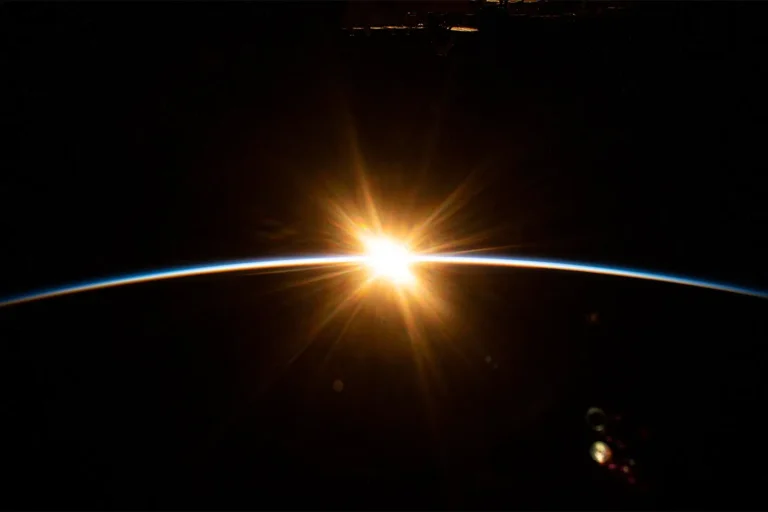
The key to international space cooperation is developments in biotechnology, Northeastern researchers say
A new report from a group of Northeastern researchers explores across disciplines how biotech can ensure safe, sustainable life beyond Earth.
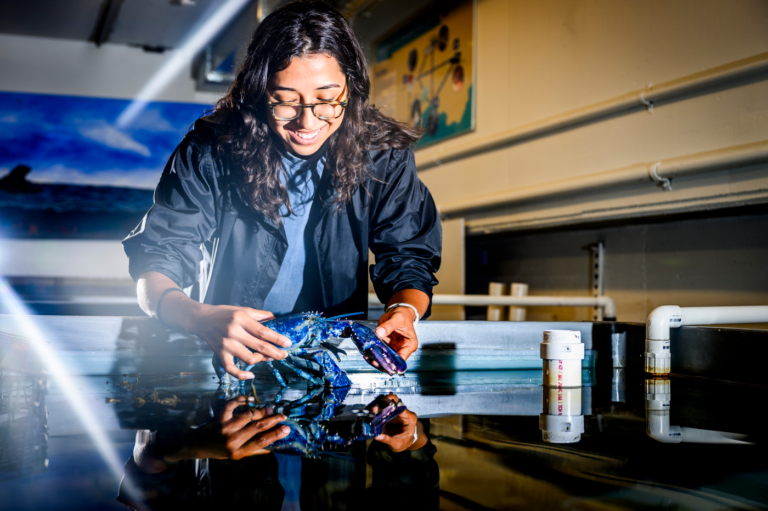
Meet Neptune, the rare blue lobster donated to Northeastern’s Marine Science Center in Nahant
Research suggests only one in two million lobsters is blue, like this rare animal caught by a lobster boat captain and donated to Northeastern.
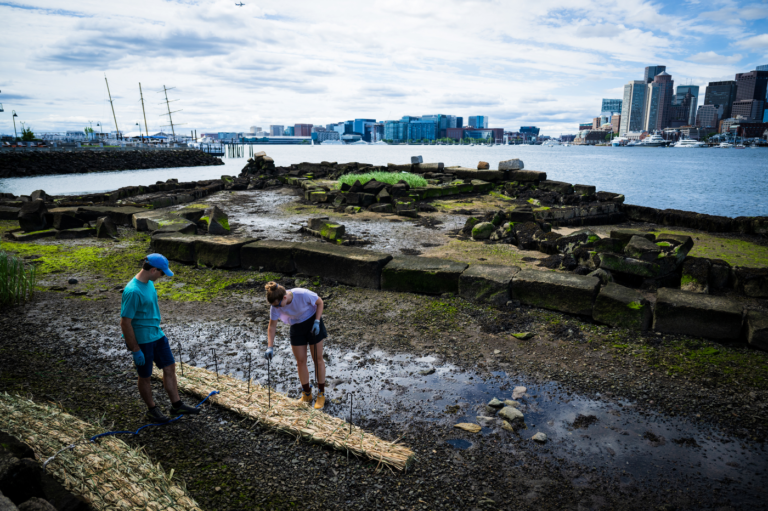
Using invasive wetland grasses, Northeastern grads adopt a green approach to stop erosion
Kayla Sklar and Anja Clark, Northeastern alumni, work with Emerald Tutu lead Gabriel Cira to grow native wetlands grasses on beds formed from invasive species.
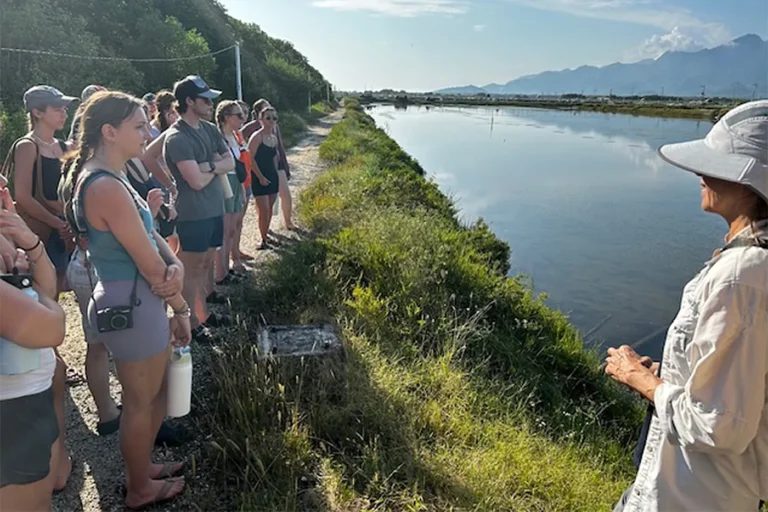
In Bali, Northeastern students see resilience and innovation at the heart of climate change adaptation
Students studied the unequal ways that climate change is effecting island nations like Bali, one of more than 17,000 islands in Indonesia’s archipelago.