Artificial Intelligence at the College of Science
The College of Science is at the forefront of AI research, developing the tools and methods that are redefining what’s possible across every scientific discipline. From decoding the building blocks of disease to modeling the systems that shape our planet, our researchers are using AI to answer questions that were once beyond our reach. Just as importantly, we’re teaching our students not only how to use these technologies, but how to wield them responsibly and ethically.
Educating students for what’s possible
As AI redefines what’s possible, it doesn’t diminish what makes us human. It makes those qualities essential. Our students pair genuine AI fluency with critical thinking, ethical reasoning, and creative collaboration. From combined majors in undergraduate studies to graduate programs in fields like bioinformatics and nanomedicine, they learn to work with AI, not to be replaced by it.

COS faculty at the leading edge
College of Science faculty are developing new machine learning methods and applying them in drug discovery, climate science, adaptive robotics, and personalized health. They translate that research into impact and into the classroom, pioneering experiential models that let students apply AI to real challenges while shaping the responsible standards institutions worldwide follow.
Faculty perspectives on AI

Highlighted Publication
Hidden patterns of urban mixing across five global cities
Drawing on large-scale travel surveys of over 200,000 residents across Boston, Chicago, Hong Kong, London, and São Paulo, this research published in Nature Cities reveals patterns in social mixing invisible in mobility data alone. It finds that individual mobility shapes who we encounter more than demographics, home environment, or transit access, yet activity spaces remain stratified by income, producing structurally different social mixing experiences across groups.
Highlighted Publication
A real-time early warning system to anticipate respiratory disease outbreaks using transfer learning
Respiratory outbreaks drive over a million U.S. hospitalizations yearly, yet surveillance lags behind real-time conditions. This machine learning system, published in Nature Communications, pairs Google search trends with epidemiological data to predict outbreak timing across all 50 states. Deployed live in 2024–2025 alongside the CDC, it caught 98% of onsets and 97% of peaks with weeks of lead time, turning reactive responses into proactive preparedness.
Highlighted Publication
Accurate prediction of tensorial spectra using equivariant graph neural network
Designing optoelectronic devices depends on modeling how materials interact with light, but the calculations are slow and demanding. Published in Nature Communications, this research introduces TSENN, a symmetry-aware neural network that predicts a crystal’s full optical response directly from its structure. Trained on 1,432 semiconductors, it turns a half-hour computation into about one second, accelerating the discovery of new materials.
Related Institutes and Centers
Select Faculty in AI and Machine Learning
-

Robert Gray Dodge Professor of Network Science
University Distinguished Professor
Professor Barabási’s research focuses on biological networks, science of success, applications of control theory to networks, and the development of network models of resiliency in systems. -
University Distinguished Professor, Physics
Professor Bansil’s research focuses on first principles studies, oftopological materials, and optical spectroscopy. -

Assistant Professor, Mathematics and Physics
Professor Bao’s expertise includes holography and quantum information theory. -
Associate Professor, Physics
Professor Halverson’s expertise lies in AI, string theory, mathematics, and string phenomenology. -
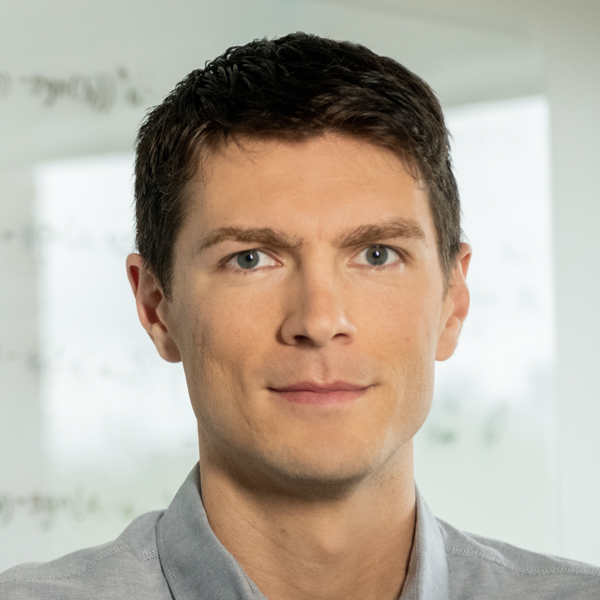
Assistant Professor, Mathematics (jointly appointed with Khoury College of Computer Sciences)
Professor Hand researches theory and algorithms for AI and machine learning in the context of vision and imaging. -

Assistant Professor, Physics and Mathematics
Professor Harrison’s research is focused on quantum field theory, string theory, and mathematics. -
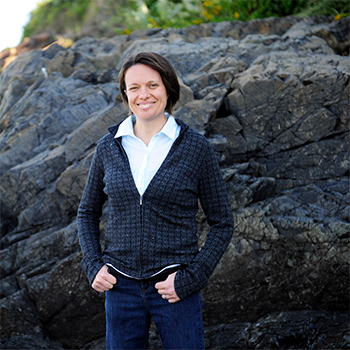
Associate Professor, Marine and Ecological Genomics
Professor Lotterhos conducts cross-disciplinary research in ecological and evolutionary genomics, marine biology, and biostatistics. -
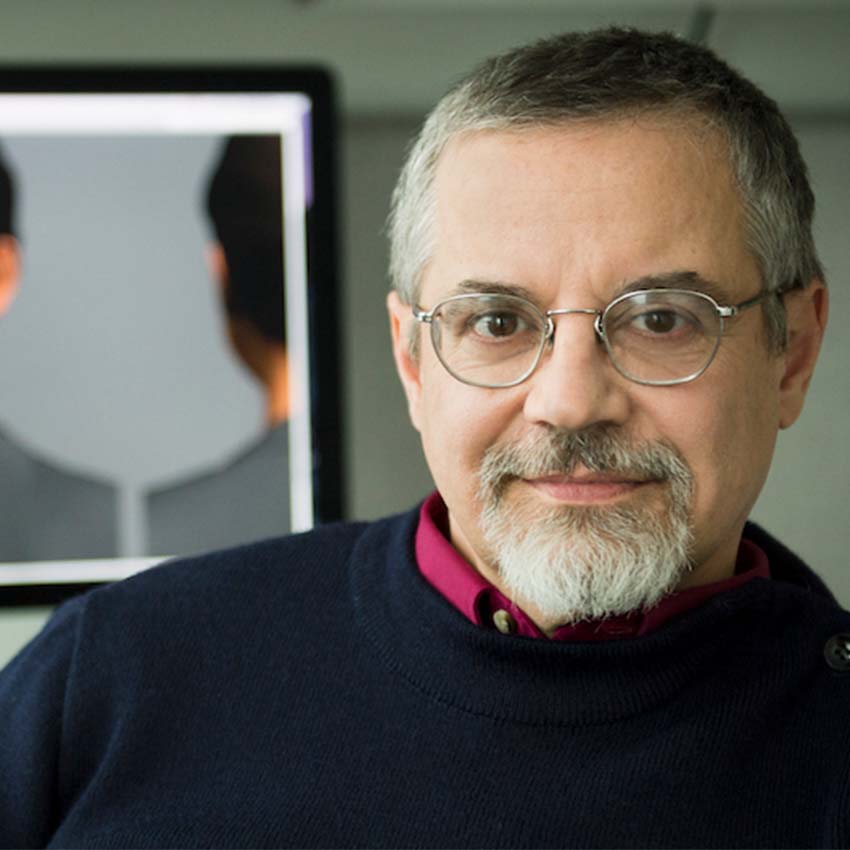
Professor, Psychology (jointly appointed with Khoury College of Computer Sciences)
Dr. Marsella’s work, which is grounded in the computational model of human cognition, emotion, and social behavior, has applications for human behavior, health interventions, social skills training, and planning operations. -

Matthews Distinguished University Professor, Physics
Professor Nath’s expertise includes supergravity, particle physics, and cosmology. -
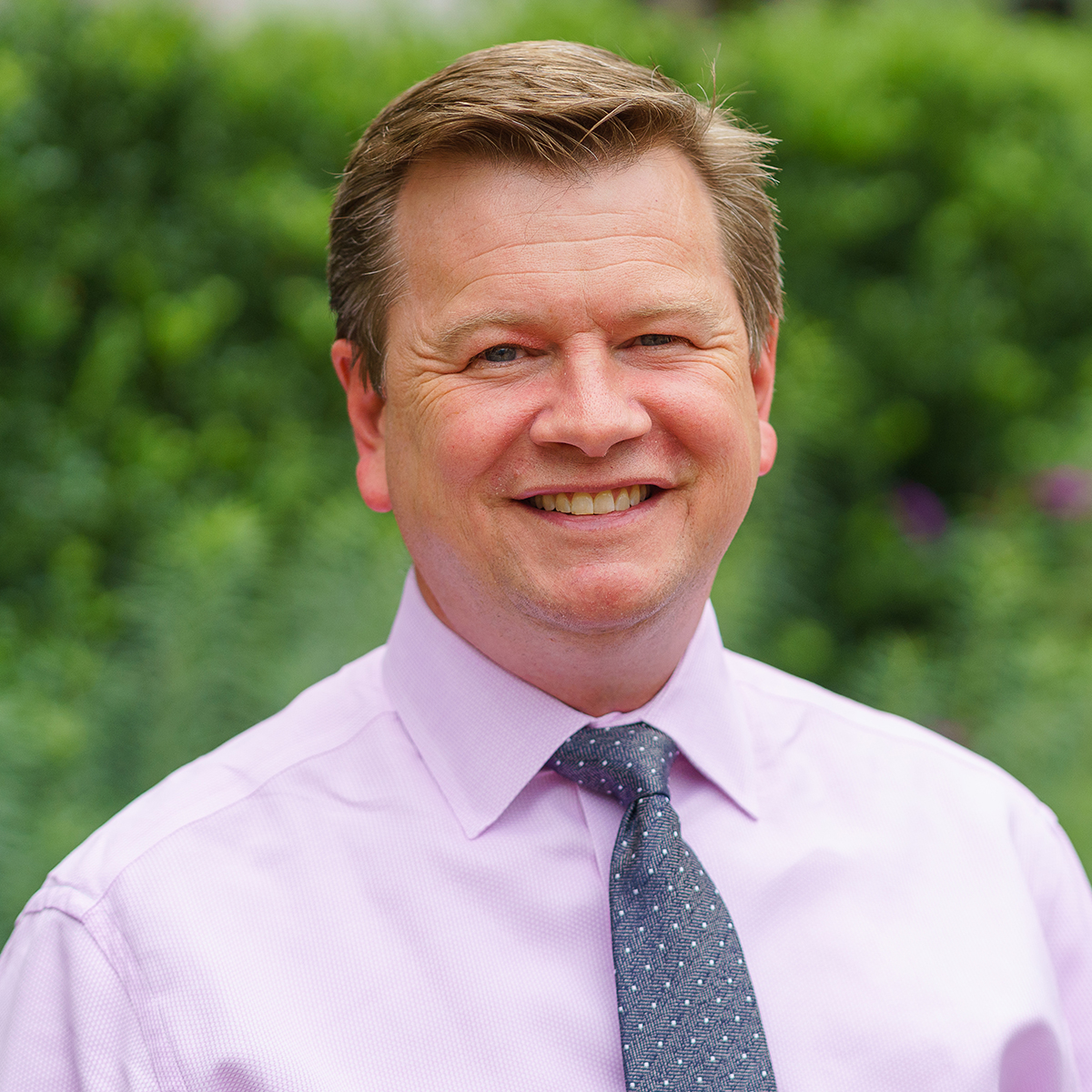
Professor, Physics
Professor Nelson’s expertise includes AI, cosmology, and string phenomenology. -
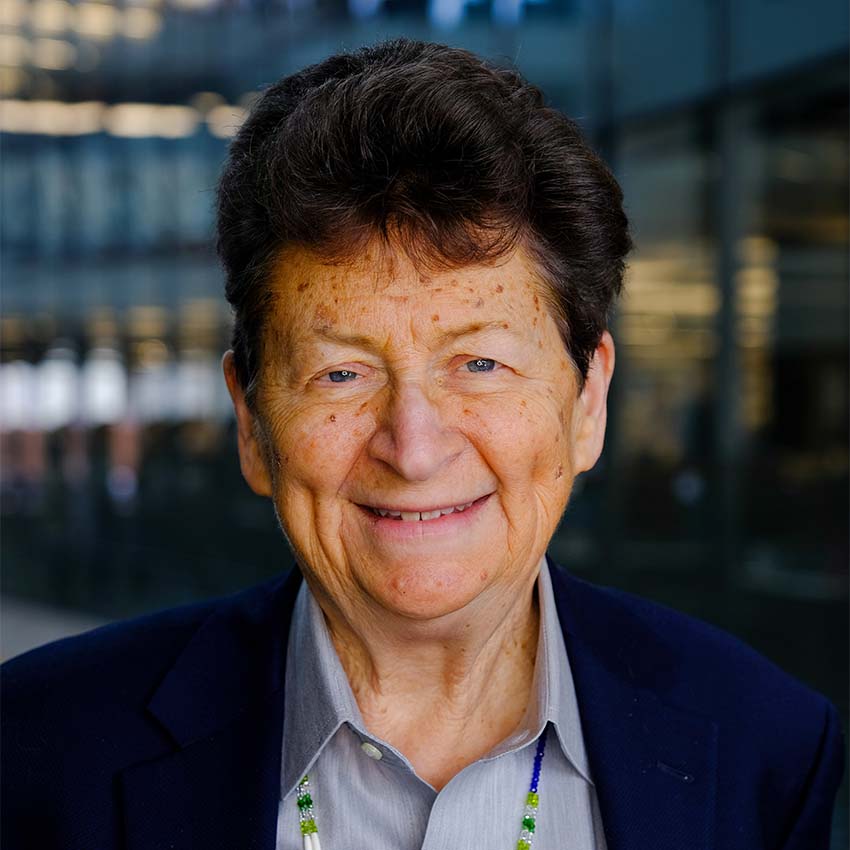
Professor, Chemistry and Chemical Biology
The Ondrechen Research Group develops methods for genomics, studies how enzymes work, and collaborates in drug discovery using computation. -

Assistant Professor, Psychology (jointly appointed with Khoury College of Computer Sciences)
Professor Padilla combines cognitive, neural, and computer sciences to study how people process data visualizations and how those visualizations can communicate more accurately and effectively. -
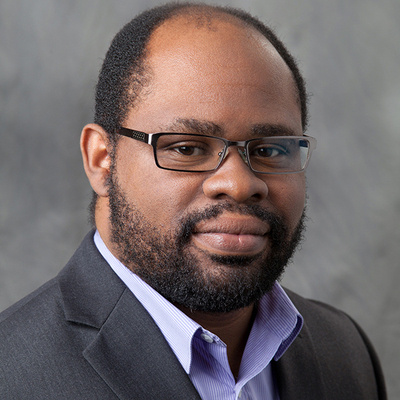
Associate Professor, Mathematics (jointly appointed with Khoury College of Computer Sciences)
Professor Perea is passionate about using nonstandard mathematical ideas to solve problems in data science and machine learning. -

Assistant Professor, Physics and Mathematics
Professor Ruehle’s research incorporates AI, string theory, mathematics, and string phenomenology. -

Associate Teaching Professor, Biology
Dr. Schlichting’s teaching spans Biology Project Lab, Genetics and Molecular Biology, and the innovative Biological Clocks course he developed to engage students in circadian rhythms through active learning. -

Assistant Teaching Professor, Biology
Dr. Sherman’s is a multidisciplinary educator in the biological and computational sciences, who advances bioinformatics education by developing new pedagogical methods across programs. -
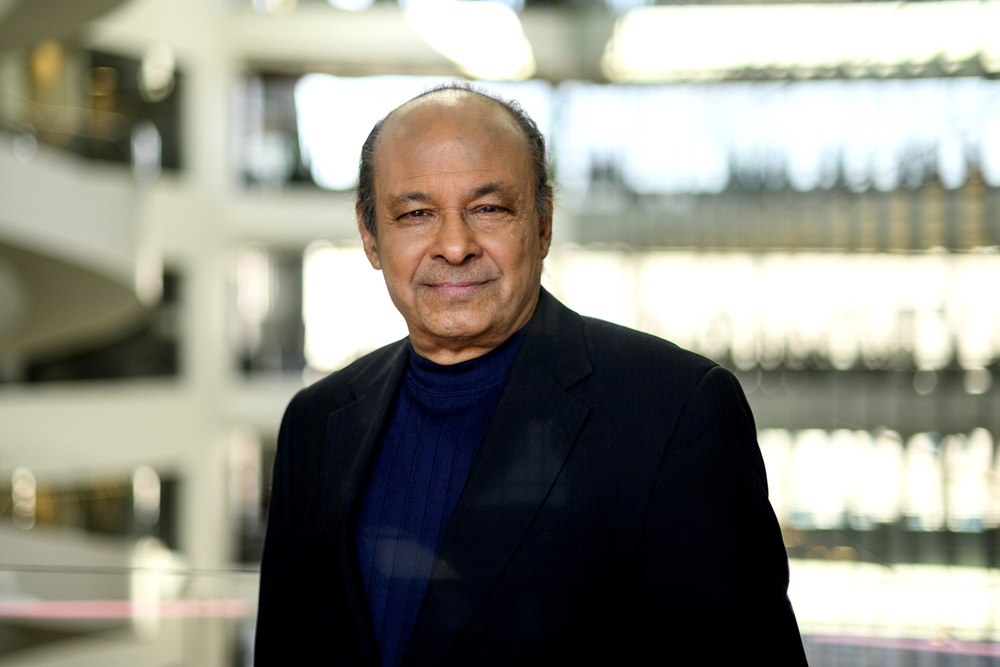
University Distinguished Professor of Physics
Professor Sridhar’s research is focused in quantitative MRI, drug discovery, and neurovisual science. -

Professor, Physics
Professor Taylor’s expertise lies in holography and scattering amplitudes. -
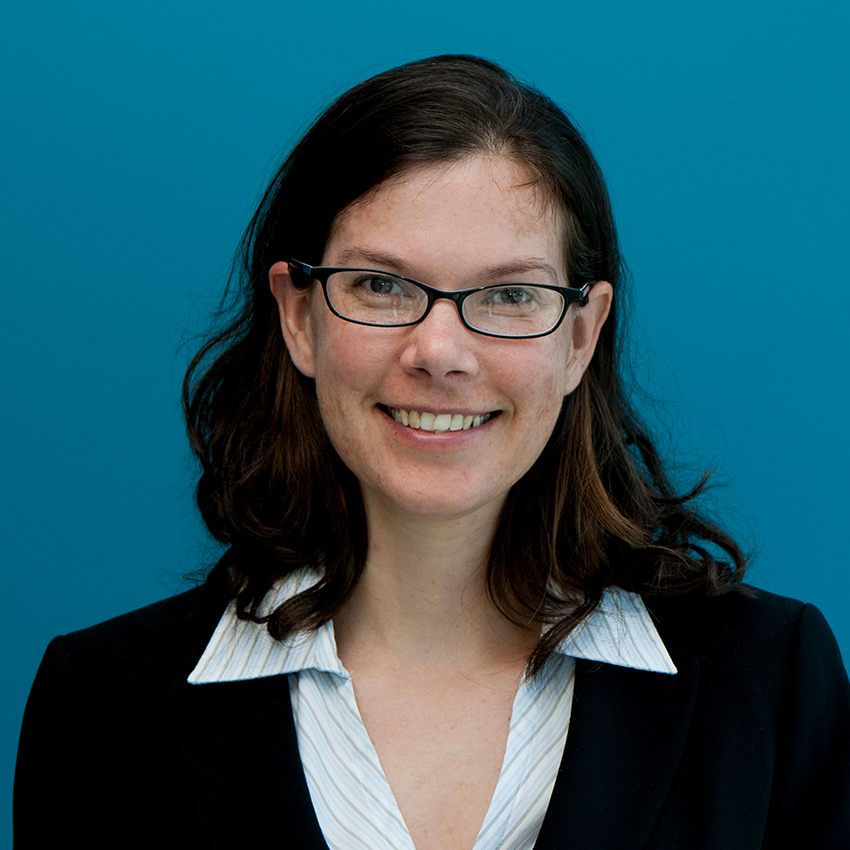
Teaching Professor, Physics
Program Director, MS Nanomedicine
Dr. van de Ven’s interdisciplinary work in nanomedicine, AI, and graduate education prepares scientists to evaluate emerging technologies, lead innovation, and translate research into real-world patient impact.
In the news
-
News
Are chatbots changing the way people talk? Insights into language in the age of AI
Chatbots are leaving fingerprints on human language, from word choice and sentence structure to the way people navigate conversations. Three Northeastern experts explore language change and the role of AI. -
Research
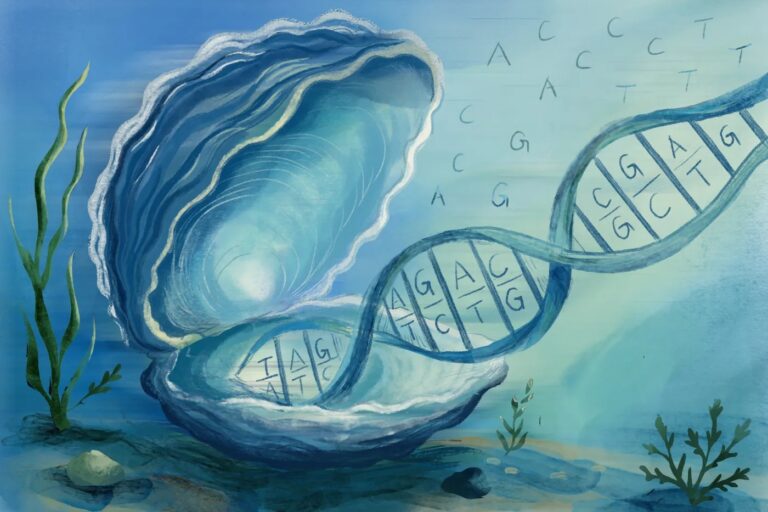
Graduate student studies oyster genomics to preserve biodiversity
Graduate student Megha Prasad tapped into the power of AI when studying Eastern oyster genomics to uncover patterns that show what makes them thrive. -
Research

AI is helping design cities. How should urban planners proceed?
Using AI in urban planning can predict floods and simplify policy, but Northeastern researchers say it needs careful oversight. -
Research
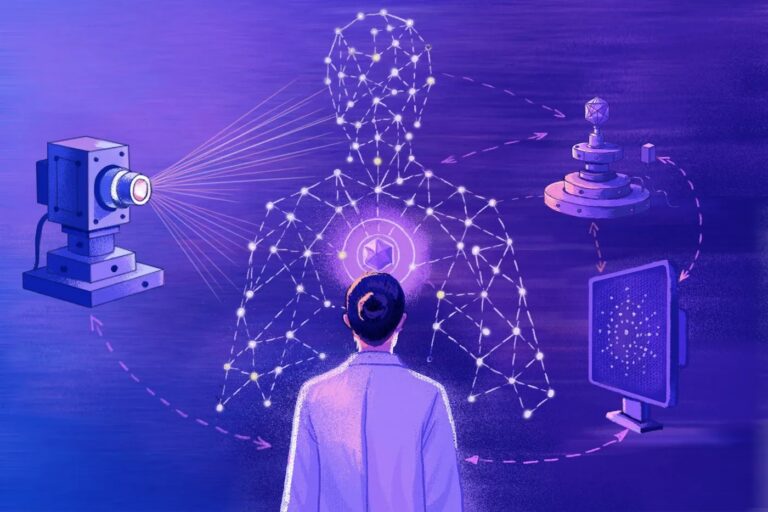
This AI scientist can run an X-ray experiment. Self-driving labs may come next.
Northeastern researchers helped develop an AI scientist that can run X-ray experiments autonomously, adjusting when needed. The discovery paves the way for self-driving labs of the future. -
News
Researchers say Anthropic’s release of Claude Science will help speed up drug discovery
Northeastern scientists weigh in on Anthropic’s answer to GPT-Rosalind. -
Research
AI and physics have more in common than you might think.
“The basic premise is that AI can help us do better physics, and something that is less expected is that physics can also help us understand AI better,” said Northeastern professor James Halverson. -
Student Spotlight
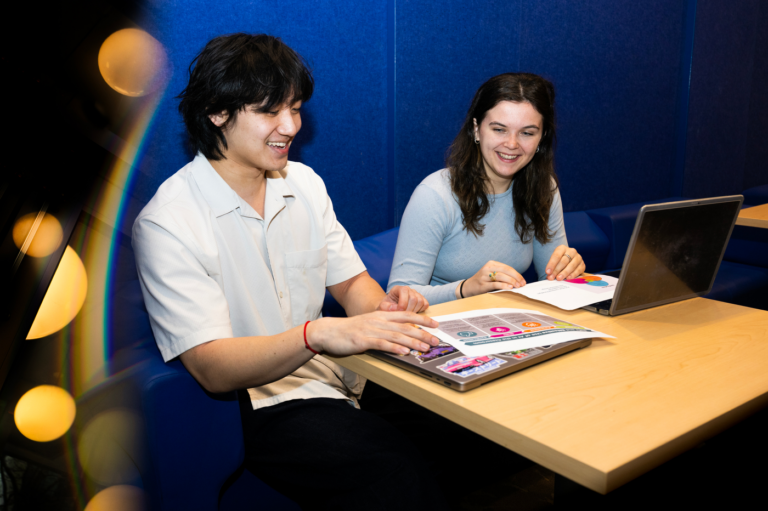
These educators wanted to learn more about AI. Northeastern was there to help
Dylan Kao and Lucy Paolini co-oped with NU Oakland’s Lead by Learning and designed a program to help educators learn about AI. -
News
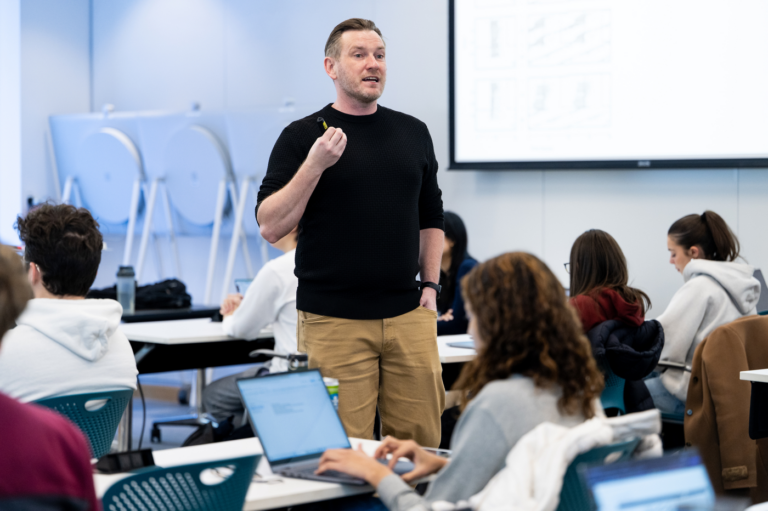
This class at Northeastern guides students through the mystery of the circadian rhythm
Associate teaching professor Matthias Schlichting invites upper-level students to investigate a biological mystery: How does the circadian rhythm function? -
Research

AI could revolutionize drug discovery. But how can we regulate it?
In health care, AI is moving at warp speed, while regulations lag behind. Jared Auclair proposes a new regulatory framework that would keep AI innovation moving and get drugs to patients in need.