As it turns out, you don’t need a boat or waders to help oysters survive.
While a colleague traveled along the East Coast from Canada to the Gulf of Mexico collecting oysters, Northeastern University bioinformatics graduate student Megha Prasad worked away at her computer. She zeroed in on DNA, the molecule containing instructions for making proteins that shape the critters’ traits. It also holds the key to their adaptation to the changing climate.
A senior with just one semester to go, Prasad was working as a co-op at Northeastern’s Center for Marine Ecological Genomics (CMEG).
Her mission? Helping conservationists restore dwindling oyster populations by identifying the genes behind the traits that give them a better shot at survival.
Despite the task at hand, Prasad herself rarely came face-to-face with the mollusks during her workday. Instead, she put her computational skills to use by developing new code that brought AI on board. It made the task of combing through genetic data of oysters easier than ever by directing the AI to spot promising mutations related to adaptations in vast stretches of DNA. She also discovered that some genetic changes scientists previously overlooked actually played an important role in adaptations.
Read more at Northeastern Global News
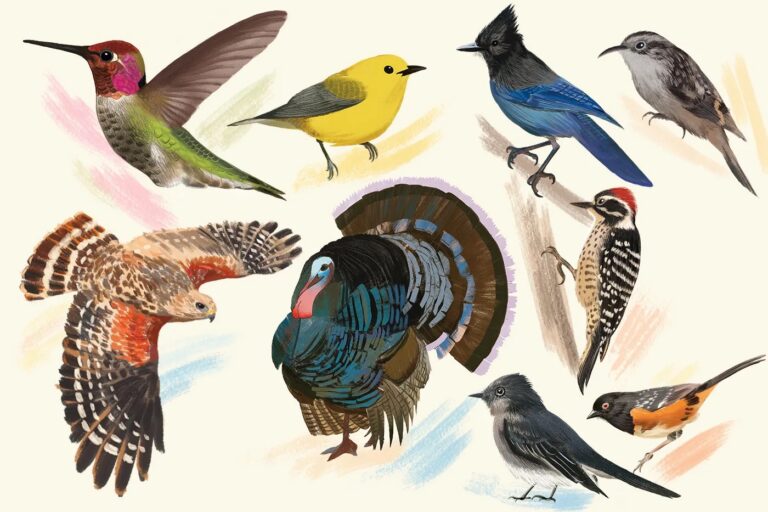
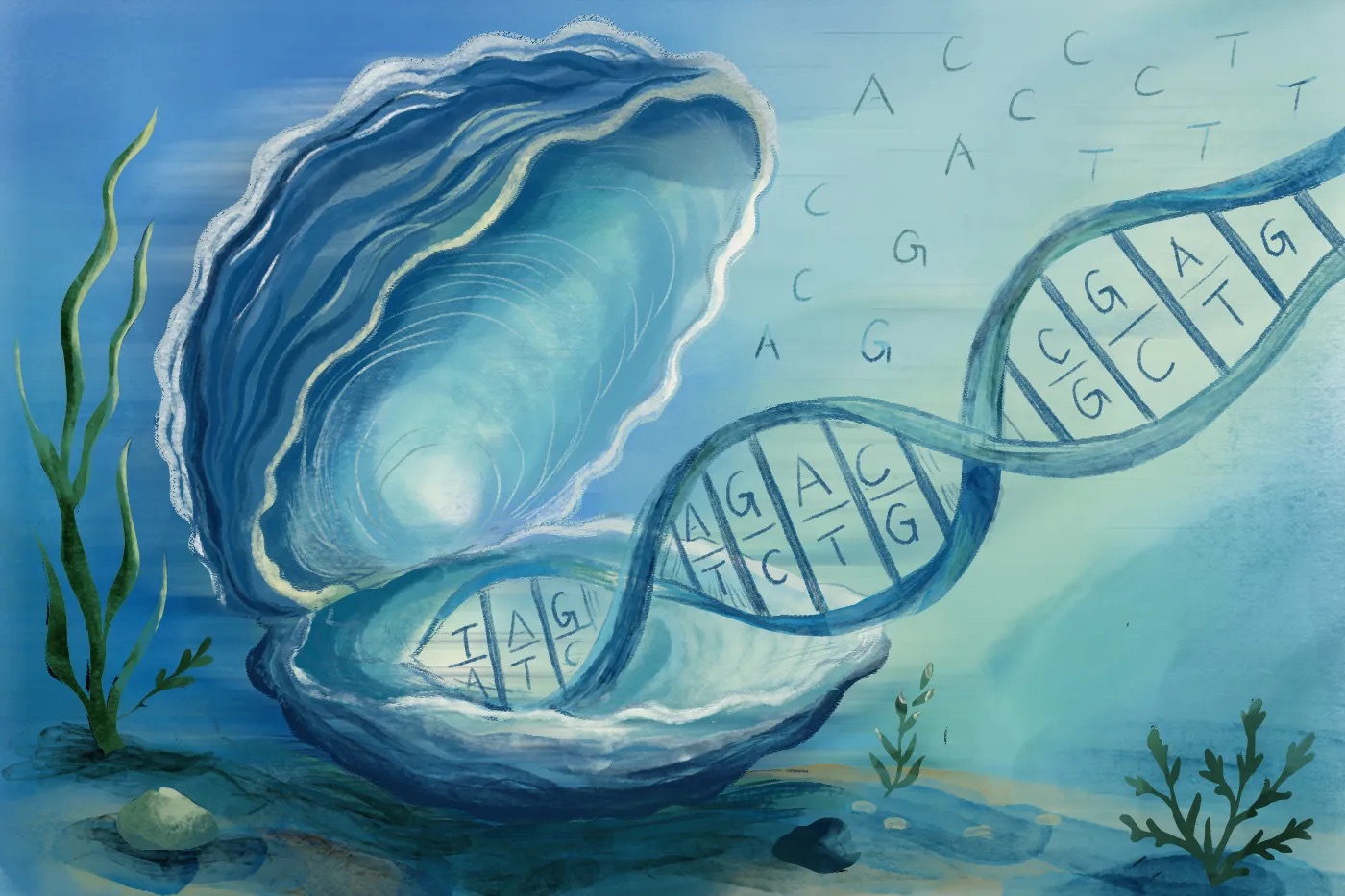
Illustration by Renee Zhang/Northeastern University