
Biology
The science of the 21st century will fundamentally change the concept of life. Yet as complex as life has become, it all started with a single cell.
The College of Science Department of Biology provides students with a broad understanding of the biological organization and processes of life, from molecules and cells through tissues and organs, to populations, ecosystems, and evolution.
-
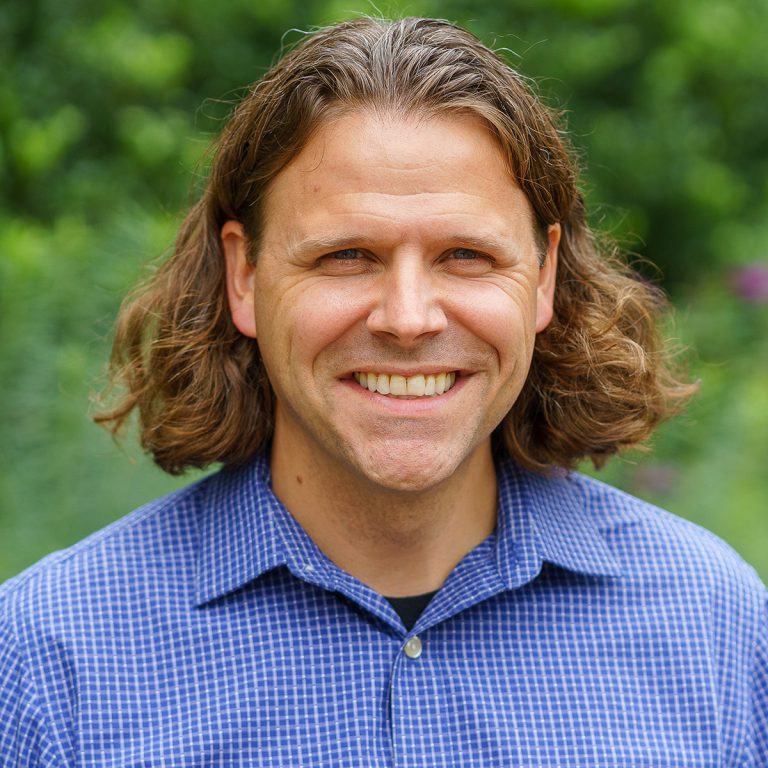
James Monaghan
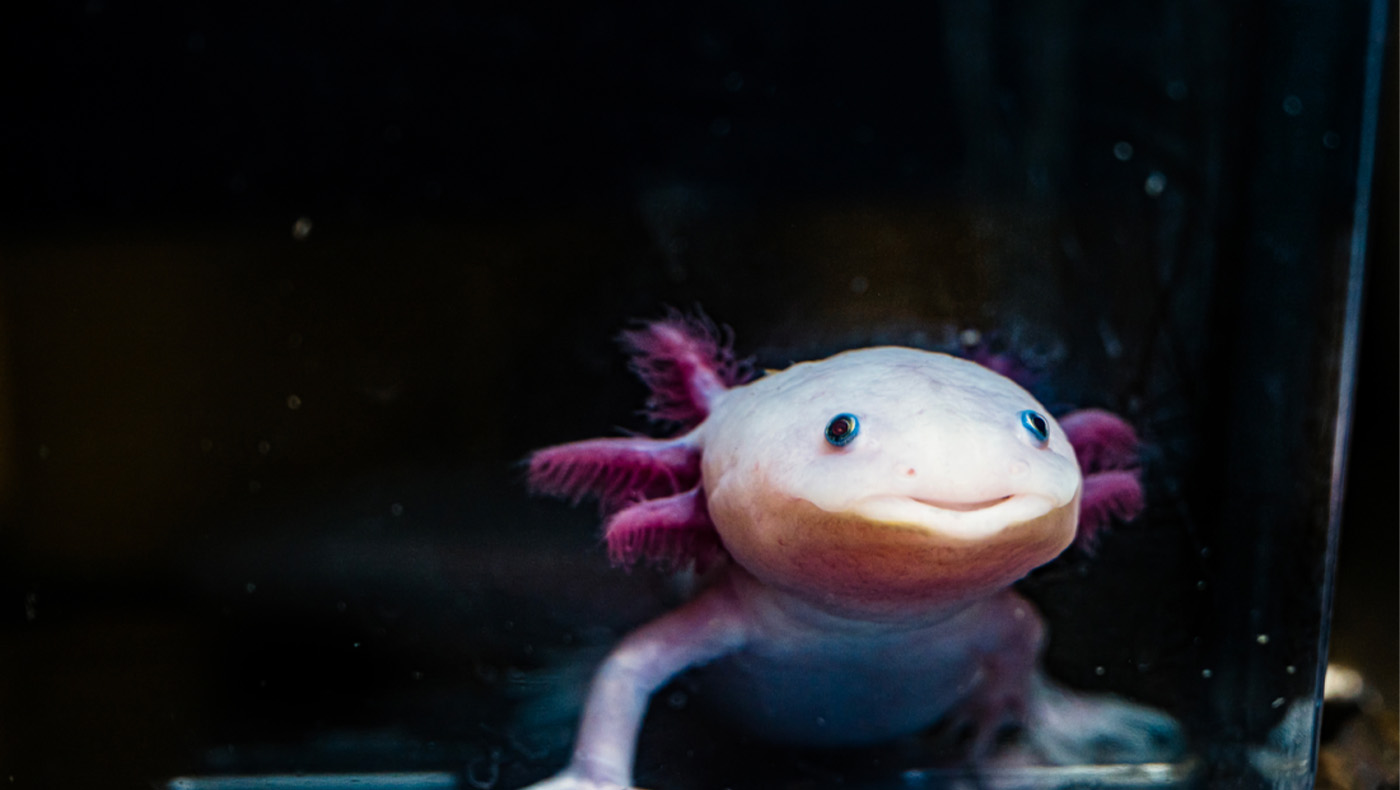
James Monaghan is the Chair of the Department of Biology. Dr. Monaghan’s lab uses the axolotl salamander to investigate the cellular and molecular basis of complex tissue regeneration, focusing on the nervous system, limb regeneration, and their interactions. His research explores why nerves are necessary for regeneration and what cellular properties enable axolotls to regrow limbs and spinal cords, with implications for regenerative medicine. -
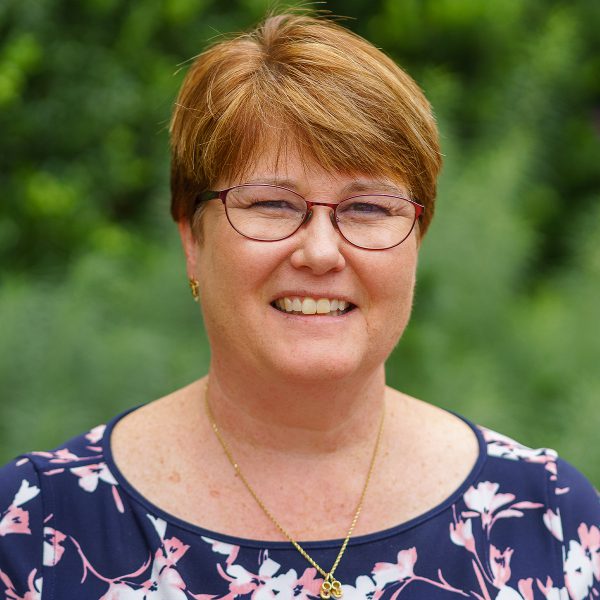
Mary-Susan Potts-Santone
Mary-Sue Potts-Santone serves as Associate Chair for the Department of Biology, where she teaches and advises undergraduate students. Her interests include natural history, invertebrate zoology, particularly human-parasite interactions, and Universal Instructional Design in the biology classroom. -
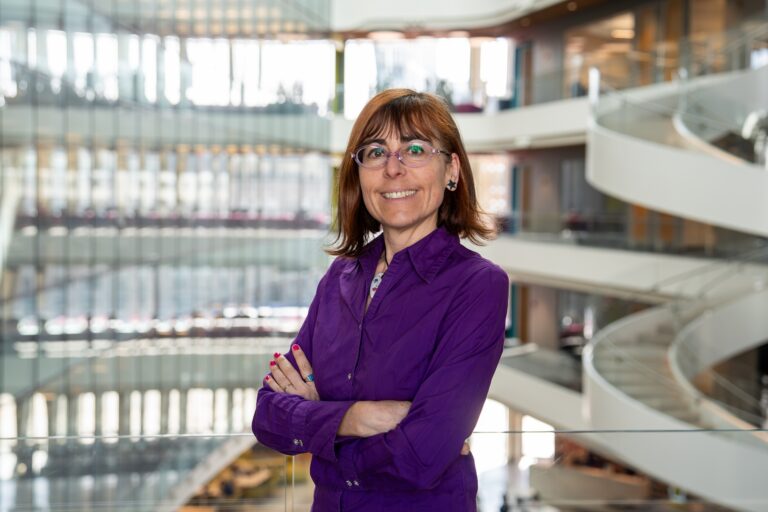
Ana Otero
Ana Otero is the Director of Undergraduate Studies for the Department of Biology. Dr. Otero’s background includes research in cancer molecular biology at St. Jude’s Children’s Hospital, and her teaching has been recognized with a Fulbright Senior Scholarship in Yogyakarta, Indonesia. -
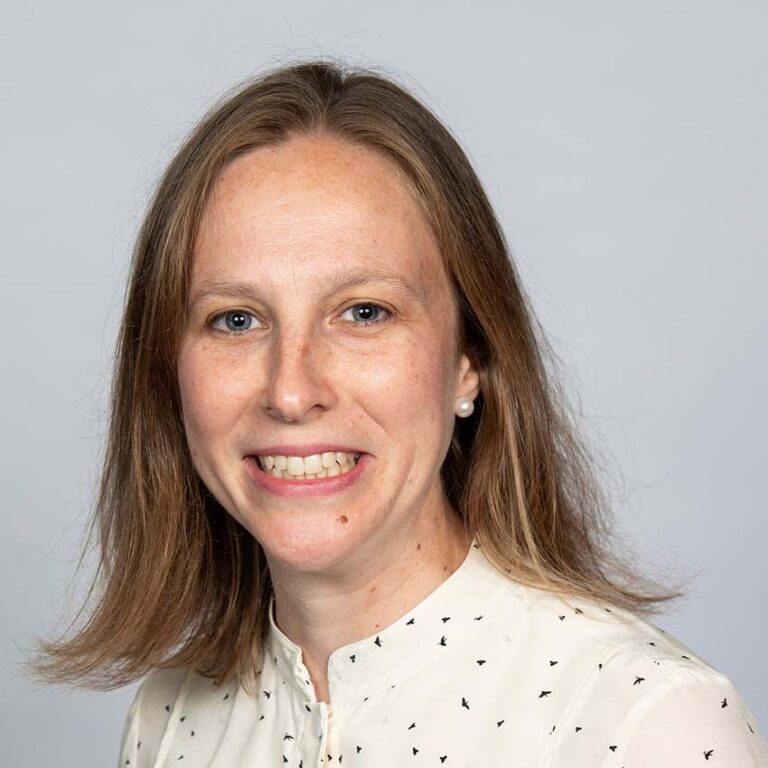
Tovah Day
Tovah Day is the Director of Graduate Studies in the Department of Biology. The Day Lab investigates the molecular role of G-quadruplex DNA in genome stability and human disease, focusing on mammalian telomeres and the alternative telomere maintenance mechanisms activated in cancer. Using biochemistry, genetics, and computational biology, Dr. Day’s research aims to leverage this understanding of G-quadruplex biology to design therapeutic strategies for malignant disease. -
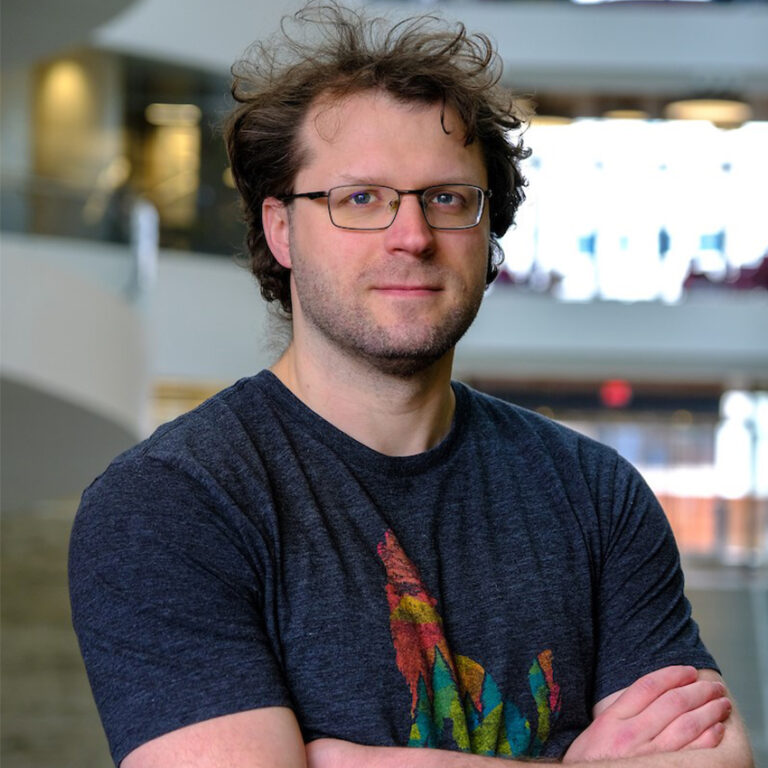
Maxim Wolf
Max Wolf is the Program Director for the Professional MS in Bioinformatics and an Associate Teaching Professor in the Department of Biology. Dr. Wolf’s scientific interests lie in evolutionary biology, particularly the impact of mutational and selection pressures on genomes over time, alongside a deep interest in teaching and curriculum development in bioinformatics. -

Sahar Tavakoli
Sahar Tavakoli is the Program Director for the Professional MS in Cell and Gene Therapies and Associate Teaching Professor in the Department of Biology. Her research in regenerative and developmental biology and stem cell research has included discovering compounds that promote muscle progenitor cell engraftment in vivo, expertise she brings to developing solutions for complex biotechnology and healthcare challenges. -

Kirsten Fertuck
Kirsten Fertuck is the Program Director for Biochemistry and a Teaching Professor in the Department of Biology. She has taught courses across the all levels including Molecules and Cells, Genetics, Biochemistry, Environmental Biology, Plant Biology, and upper-level capstone research. -
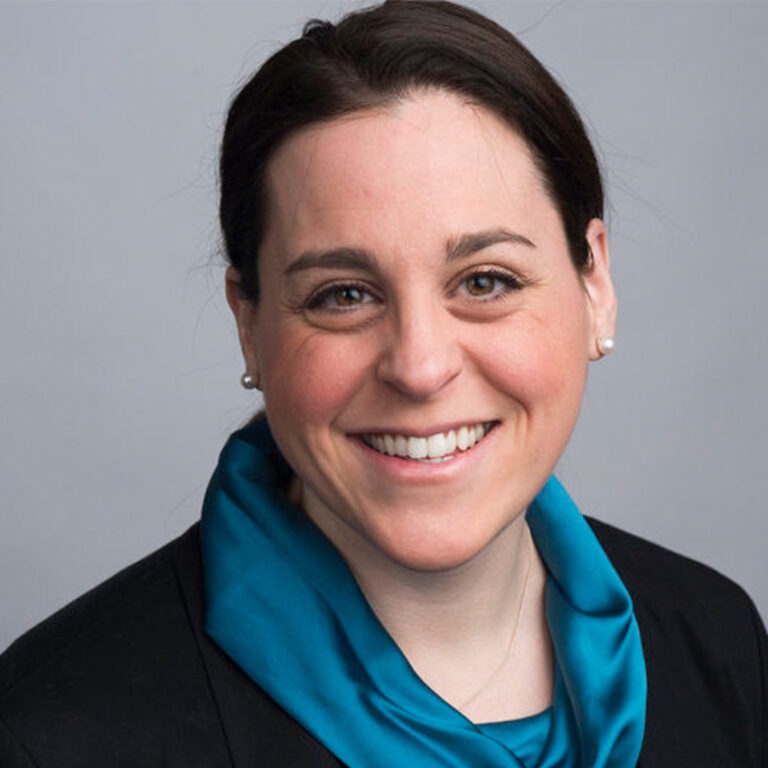
Jenn Ingemi
Jenn Ingemi is the Program Director for Behavioral Neuroscience and a Teaching Professor in the Department of Psychology. Dr. Ingemi’s research uses the escape response in the nematode C. elegans to uncover how the nervous system coordinates complex behavior, identifying a novel tyramine-gated chloride channel and mapping the neural circuit from sensory input to motor output.

Research in Biology
Faculty Labs and Research
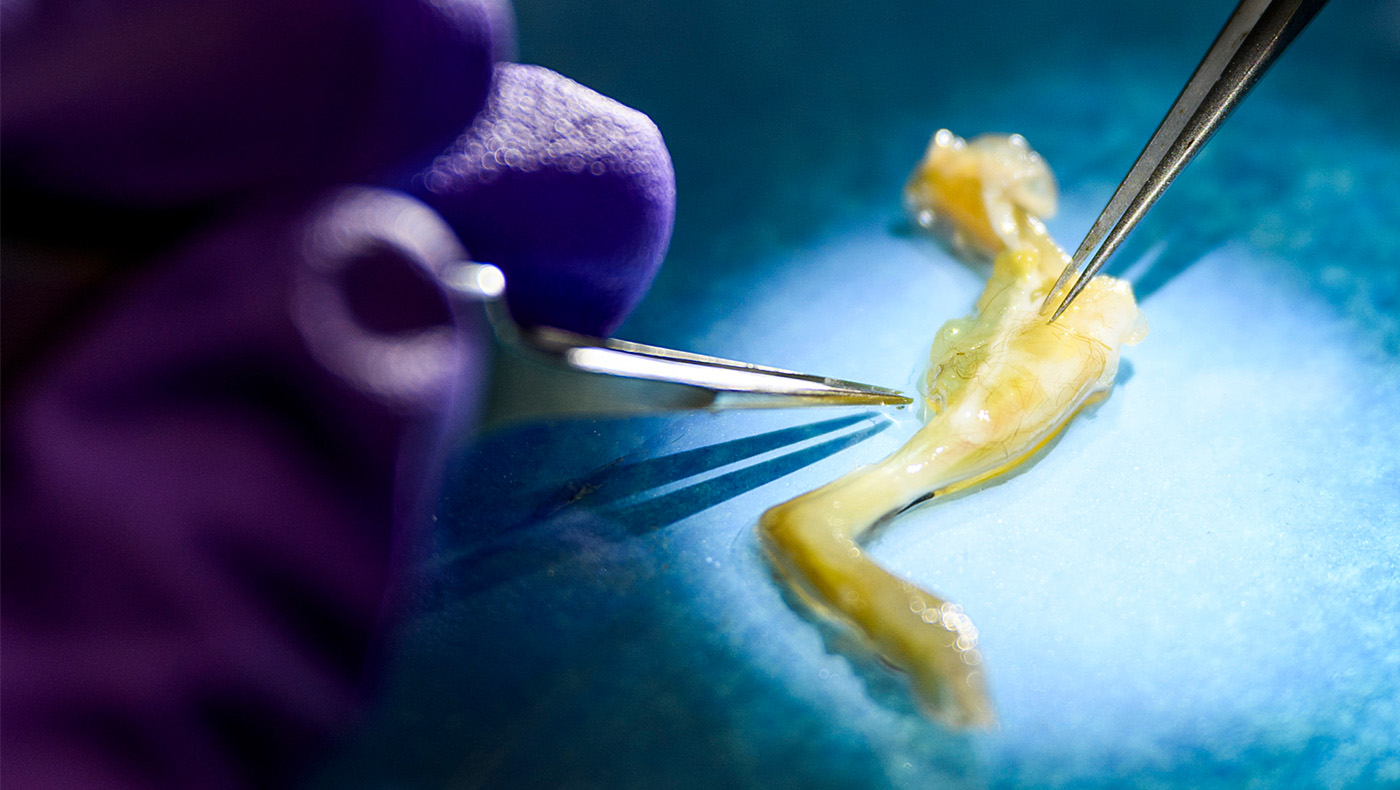
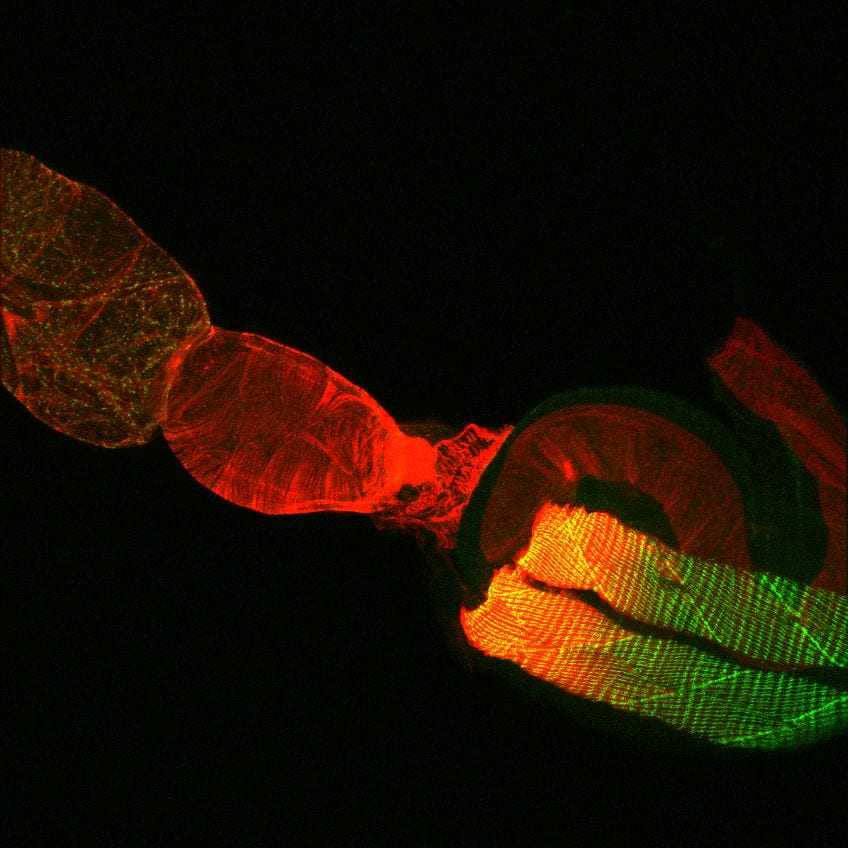
Our biology faculty bring wide-ranging expertise across the biological sciences, driving advances in medicine and healthcare, biotechnology, education, and public policy.
Student Research Opportunities
Through research, our students develop a practical expertise and intellectual passion for their chosen field.
Undergraduate Research
- Biology Summer Research Experiences
- Life Sciences at the University of Dundee (Scotland)
- Life Sciences in Action at The American College of Thessaloniki (Greece)
Postdoctoral Training Program
The Postdoctoral Research Program in the College of Science is personalized for each postdoctoral researcher’s needs and aspirations. In addition to rich research experiences with our faculty members, our postdocs have comprehensive professional development support for a variety of career paths.
Research Areas





Interested in working with us?
Biology Education
Undergraduate Majors
Biology majors explore the organization and processes of life across broad areas of the field, from molecules and cells through organs and organ systems to populations, ecosystems, and evolution.
Cell and molecular biology majors pursue a focused program of study emphasizing processes operating at the cellular and molecular levels of biological systems, including specialty courses in molecular cell biology and advanced genomics.
Combined Majors
In this combined major, the fields of biology and English are bridged with course work in different forms of science writing, as well as psychology and sociology courses exploring the acquisition of language and reading, the sociology of health and illness, and the environment, technology, and society.
In the combined biology and mathematics degree program, the two fields are integrated in a range of course offerings including bioinformatics, applied statistics, advanced genomics, and biological imaging.
In the combined biology and political science degree program, an appreciation of the intersection of the two fields is provided through advanced courses in science, technology and public policy, and in environmental politics and policy.
The computer science and biology combined major reflects how research in biology, especially genetics, has become a computational science.
The data science and biology major provides a strong foundation in biology, chemistry, and mathematics, as well as software development and algorithms.
Undergraduate Minors
The Department of Biology offers a minor in biology, which involves taking five biology courses, two of which must have a corequisite lab, and one science course chosen from a range of science departments.
The Department of Biology offers a minor in cell and molecular biology, which involves taking five biology courses, two of which must have a co-requisite lab. The minor provides students with a foundation in biology and an emphasis in cell and molecular biology.
This interdisciplinary science writing minor offers students a contextual understanding of how the language of science is applied and manipulated to influence the reader.
MS Degree Programs
The MS in Bioinformatics program provides students with core knowledge in bioinformatics programming, integrating knowledge from the biological, computational, and mathematical disciplines.
Biotechnology students receive didactic and practical knowledge in genomics, proteomics, and other bioanalytical approaches in drug discovery, development, and delivery, as well as in bioprocess development and optimization.
This innovative nonthesis degree program prepares students for the evolving field of cell and gene therapy medicine through a combination of expert-led interdisciplinary training in advanced therapies and in-demand skills development critical for career success.
Graduate Certificate Programs
The Graduate Certificate in Bioinformatics seeks to provide students with core knowledge in bioinformatics programming, integrating knowledge from the biological, computational, and mathematical disciplines.
Students will explore in detail the key genomic technologies and computational approaches that are driving advances in prognostics, diagnostics, and treatment, learning how scientists sequence, assemble, and analyze the function and structure of genomes.
Accelerated Programs
Our BS/MS PlusOne programs and Accelerated PhD program allow students to pursue advanced degrees in a condensed period of time.
The MS in Bioinformatics program provides students with core knowledge in bioinformatics programming, integrating knowledge from the biological, computational, and mathematical disciplines.
Biotechnology students receive didactic and practical knowledge in genomics, proteomics, and other bioanalytical approaches in drug discovery, development, and delivery, as well as in bioprocess development and optimization.
This innovative nonthesis degree program prepares students for the evolving field of cell and gene therapy medicine through a combination of expert-led interdisciplinary training in advanced therapies and in-demand skills development critical for career success.
The biology PhD program seeks to provide a broad background knowledge base in conjunction with in-depth study of a specialized area of biology. Two optional concentrations are available: cell and molecular biology and molecular microbiology.
PhD Programs
Doctoral candidates gain a broad background knowledge-base and an in-depth study of specialized areas of biology including cell, developmental and regenerative biology, biomechanics, and neurobiology and behavior. Students can choose to pursue a concentration in cell and molecular biology or molecular biology.
This cross-disciplinary program in biophysics bridges the fields of physics, biology, and chemistry to explore living systems with a focus on the interactions of energy and matter across all scales of biological organization—from molecular to organismal levels.
Through the Connected Science Community PhD program, students have the opportunity to participate in the Summer Skills Session the summer before their first year to meet fellow PhD students, develop key skills, explore university resources and learn about post-PhD careers.
Course Spotlight
Students share what Biology Project Lab is like, the hands-on skills they gained, and how the experience helped them grow as scientists. From collaboration to real-world research, hear what made this class stand out.
Explore interdisciplinary undergraduate programs
PreMed and PreHealth Track
Our PreMed and PreHealth Advising program offers personalized expertise to students pursuing health careers. This comprehensive program includes application guidance, workshops and presentations, course mapping and more.
Experiential Learning
-
Cooperative Education
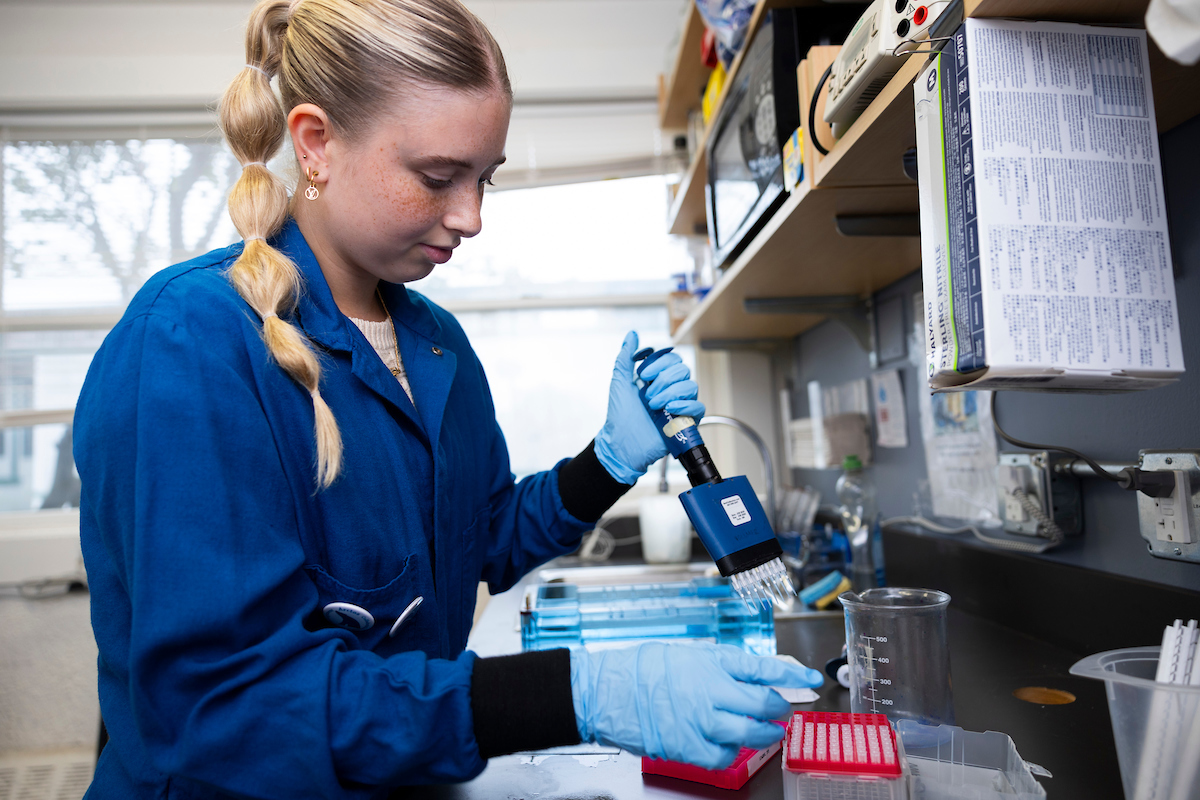
Our signature co-op program makes a Northeastern education more meaningful. With a combination of academics and field experience, students gain a deeper, real-world perspective while they explore career paths and prepare for the global workforce or graduate studies.
-
Global Experiences
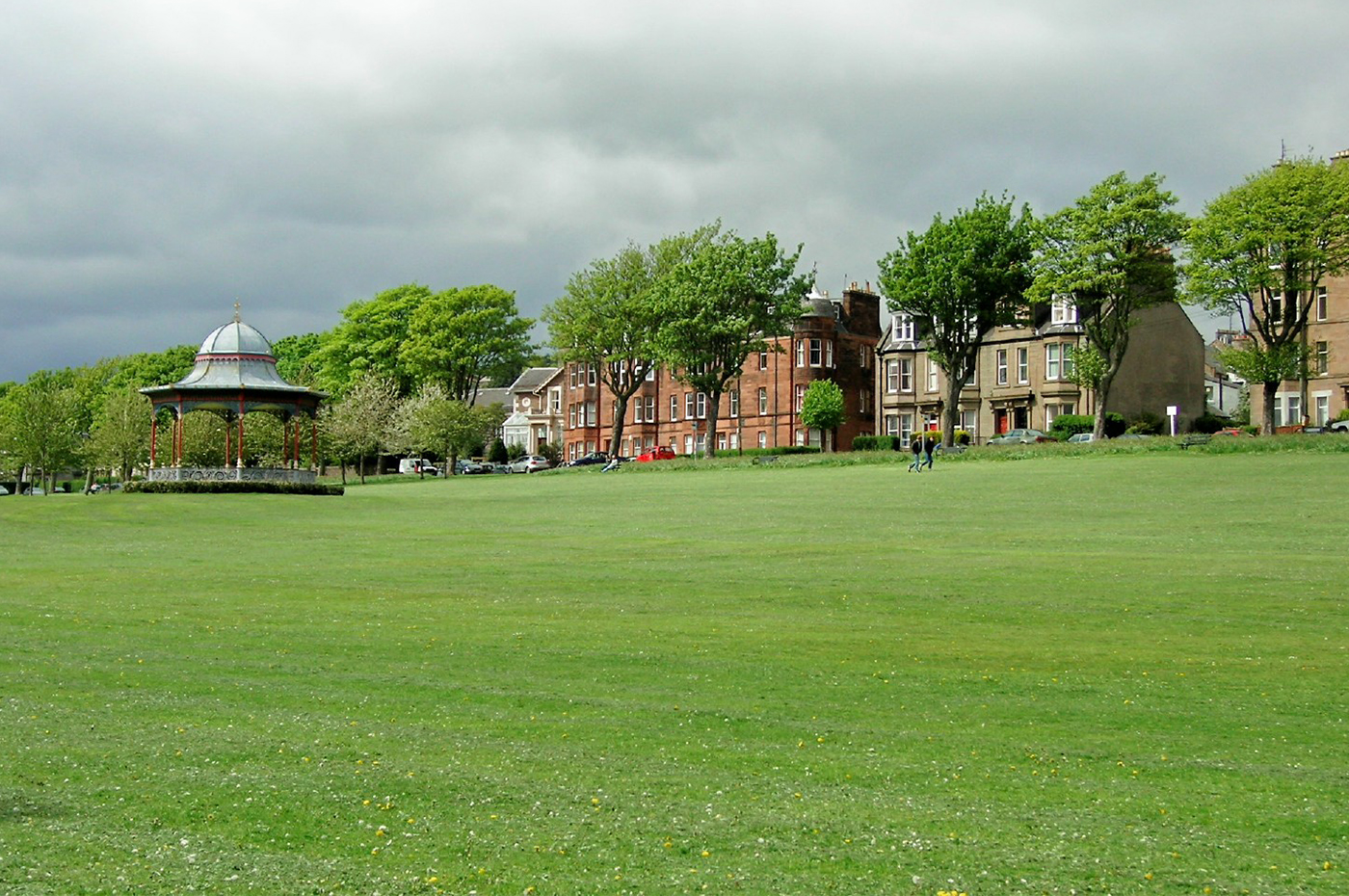
Northeastern’s biology, cell and molecular biology, behavioral neuroscience, and biochemistry students have the opportunity to study at the University of Dundee, Scotland — the No. 1 rated Life Sciences university in the UK. This program also provides the opportunity to engage in hands-on research at one of the world’s emerging centers for biomedical research.
-

Entrepreneurship
Our Science Connects to Innovation Program empowers undergraduate science students through education, resources, and networks to create entrepreneurial solutions—spanning cleaner energy, eco-friendly pesticides, potential anticancer compounds, sustainable foods, and high-tech assistive devices.
Ready to apply?
Belonging and Engagement
The College of Science supports a culture where each person feels they belong, regardless of race, color, religion, religious creed, genetic information, sex, gender, gender identity, sexual orientation, age, national origin, ancestry, veteran or disability status. We celebrate the diversity of our community, and we seek to create a space where everyone belongs to further excellence. We commit to being a College where members act with respect, trust, collaboration, and communication, and where inappropriate behavior is reported and acted on without fear of retaliation.
Student Stories
-
Student Spotlight
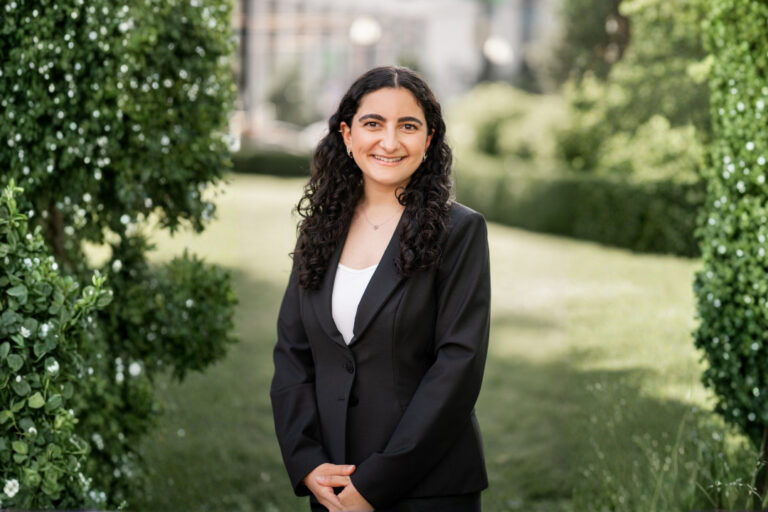
Driven by Purpose: Susanna Ovsepian’s Path to Medicine at Northeastern
From her earliest days at Northeastern University, Susanna Ovsepian was motivated by a desire to make an impact. As graduation approaches, she reflects on a journey defined by resilience, balance, and a deep commitment to others. -
Student Spotlight
Industry Partnership Takes Student from Classroom to Cancer Research
How a co-op at the Ontario Institute for Cancer Research helped Ainslie Forbes clarify her path in bioinformatics. -
Student Spotlight
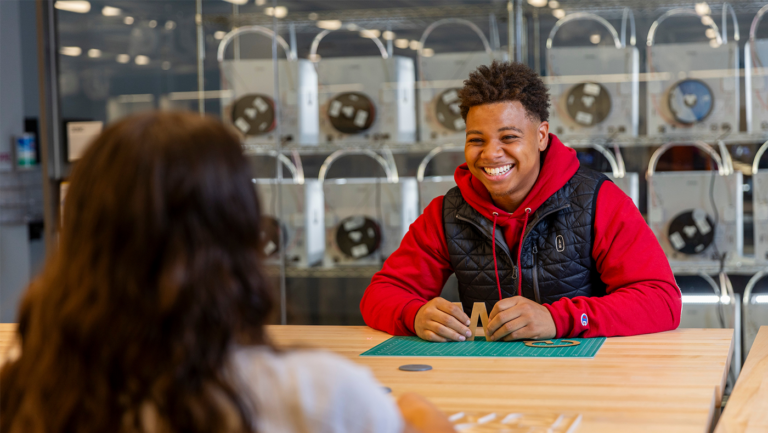
Donte Lewis ‘26, BS Cell and Molecular Biology
What inspired you to pursue your current field of study/research? My passion for science ignited in high school when I was exposed to cancer research at the Ellison Institute of Medicine where I was a summer research intern. I then pursued an internship at the National Institute of Drug Abuse (NIDA) due to my interest… -
Student Spotlight
Defining Excellence in Science and Leadership: Dillon Nishigaya’s Northeastern Story
For Dillon Nishigaya, a biology major with a minor in health sciences entrepreneurship from San Jose, California, being selected as the College of Science student speaker is more than just an honor. “I am incredibly honored to be selected as the COS student speaker,” Nishigaya says. “I am very proud to represent the College of… -
Student Spotlight
Yash Maheshbhai Patel ’25, MS Bioinformatics
Yash Maheshbhai Patel ’25, MS bioinformatics, shares his experiences as a COS student. -
Student Spotlight

Valery Pamela Trujillo Benitez ’25, MS Cell and Gene Therapies
Valery Pamela Trujillo Benitez shares her experiences as a master’s student studying cell and gene therapies. -
Student Spotlight
Subhiksha Srinivasan ’25, MS Cell and Gene Therapies
Subhiksha Sirinivasan ’25, cell and gene therapies, shares her experiences as a COS student. -
Student Spotlight
Akshita Virdy ’26, Cell and Molecular Biology
Akshita Virdy ’26, cell and molecular biology, shares her experience as a COS student. -
Student Spotlight

Ashlin Owen ‘26, Biochemistry
Ashlin Owen shares how her experience in class, the lab, and on co-op have shaped her perspective and career path.
Upcoming Events
-
Oct 19
-
Oct 26
Biology in the News
-
News
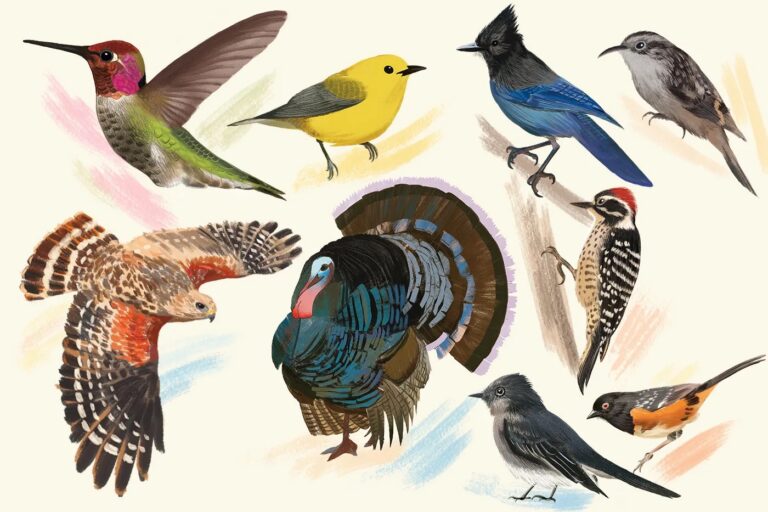
The sights and sounds of Northeastern Oakland’s resident bird species
Learn about 10 of the most unique bird species on Northeastern’s Oakland campus and listen to the songs that make up its natural soundtrack. -
Research
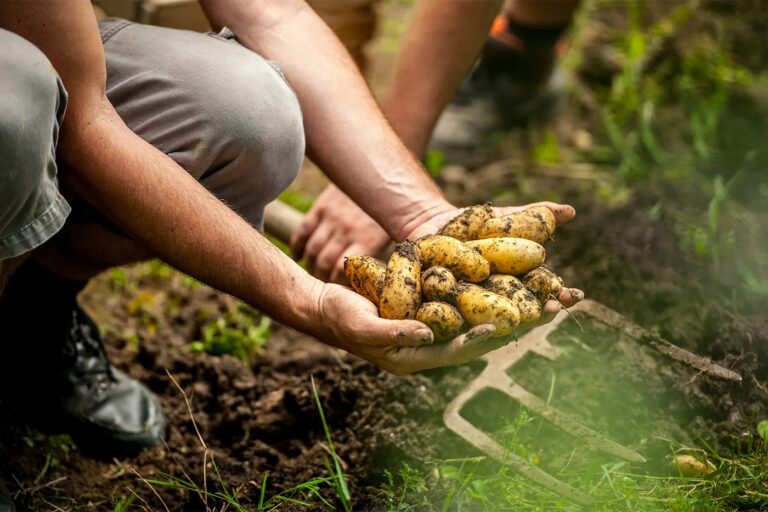
Scientists dig into the potato’s potential to fight gut inflammation
There’s more beneath the skin of a potato than starch. A Northeastern researcher is studying whether a tiny peptide derived from it could offer a new way to treat Crohn’s disease and ulcerative colitis. -
Research
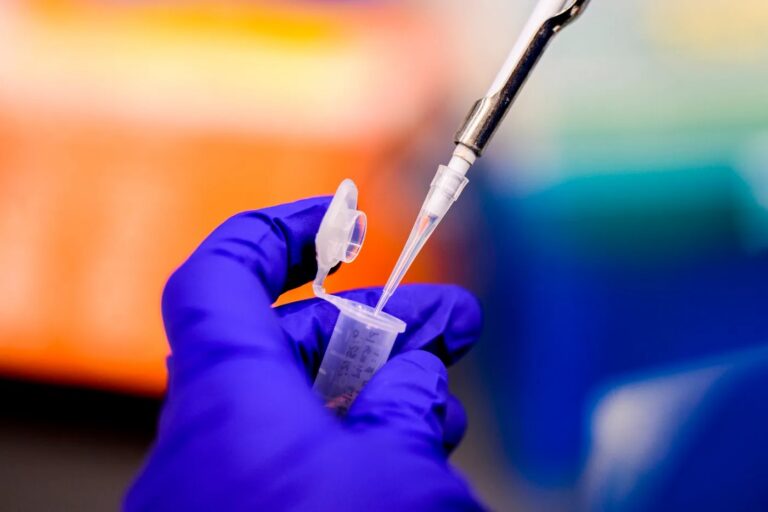
Northeastern’s bioinformatics escape room allows guests to become genetic detectives
The gamified escape room experience introduced the next generation of scientists to the complex field of bioinformatics and its wealth of professional opportunities in the Bay Area. -
News
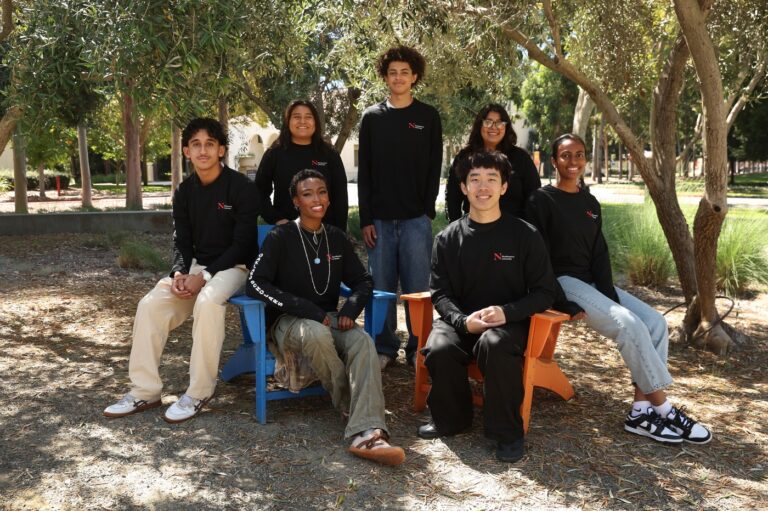
Northeastern awards full scholarships to accomplished Oakland students
To qualify, the Oakland high school students demonstrated extensive commitment to public service within their high schools’ communities. -
Research
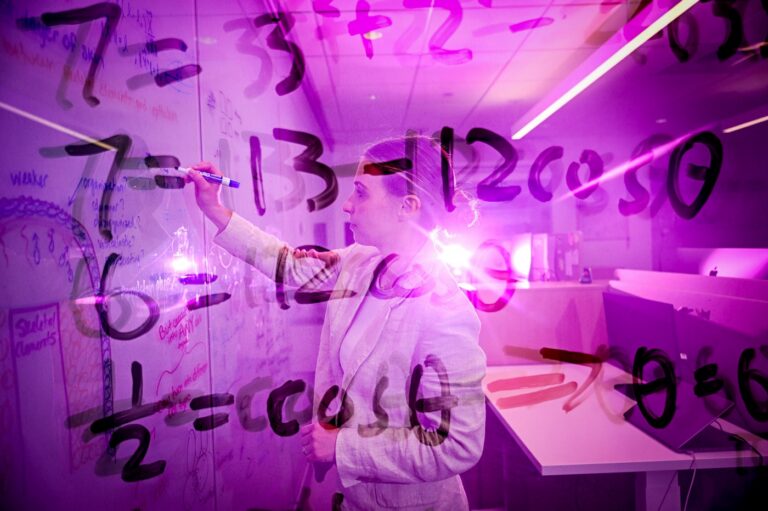
Cracking the axolotl code: How to regrow limbs and stay young
Northeastern University professor Calina Copos is using computational techniques to study limb regeneration in axolotls. The findings could advance research on wound healing and aging. -
Research

Zapping microscopic worms gives undergrads a leg up in competitive lab placements
Undergrads are utilizing their worm-zapping mastery to stand out within a competitive pool of science lab applicants in Boston. -
News

Should you join the 5 AM Club? Why hitting snooze might be better for some
The morning routine that calls for an extra-early wakeup time has been touted by many, but what do sleep experts say? Northeastern researchers caution that sleep deprivation isn’t a price worth paying. -
News
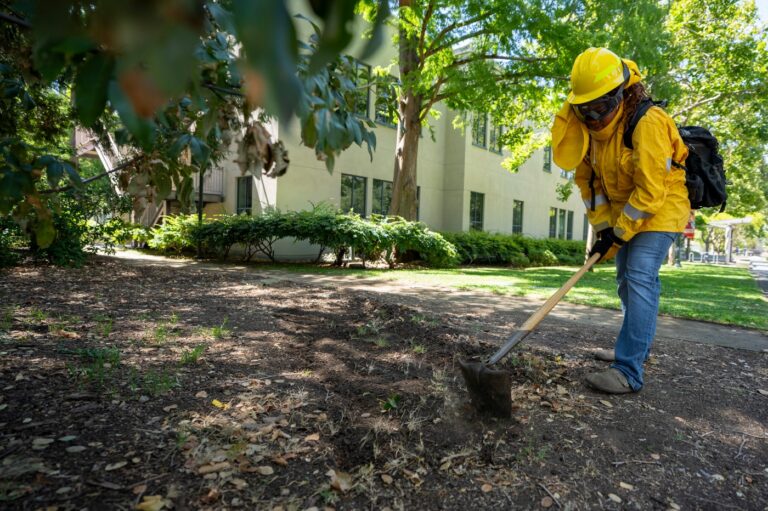
Rising high schoolers study wildfires in Oakland amid historic dry season
A two-week wildfire ecology program on Northeastern’s Oakland campus took lessons from the deadly blaze along the Colorado-Utah border. -
News
Researchers say Anthropic’s release of Claude Science will help speed up drug discovery
Northeastern scientists weigh in on Anthropic’s answer to GPT-Rosalind.
Contact Us
360 Huntington Avenue
Boston, MA 02115
617.373.2260