
Microbiology and Antimicrobial Discovery
Our scientists study the biology, genetics, and ecological roles of microbes. They identify and develop new antibiotics to combat drug-resistant pathogens. This research addresses critical public health challenges by creating therapeutic strategies against infectious diseases and emerging microbial threats.
Members
-

Dr. Chai is interested in understanding fundamental mechanisms controlling bacterial biofilm formation and the role of beneficial biofilms in bacteria-host interactions.
-

Research in Dr. Epstein’s lab is focused on microbial discovery in the environment and human microbiome.
-

The Geisinger Lab investigates the molecular basis of antibiotic resistance and disease development in infections with hospital-acquired pathogens.
-
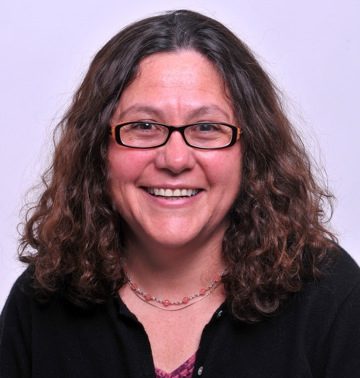
The Godoy Lab investigates the regulation of the bacterial DNA damage responses (DDR) and the mutagenic Y-family DNA polymerases that are part of the DDR.
-

Researchers in the Lewis Lab study several related subjects – persister cells, microbiomes, and uncultured bacteria – enabling their work on antibiotic discovery.
-

The Saavedra Lab investigates host-microbe interactions in health and disease through an immunology and cell biology lens.
-

Dr. Santos aims to uncover how bacteria manufacture and install stabilizing protein entities into cell walls, which could form the basis of new antibiotics.
Interested in working with us?
In the news
-
Research

Patagonian ‘living rocks’ trace their origins to the beginning of life on Earth
Veronica Godoy-Carter, professor of Biology and Biochemistry, has sequenced the genome of a “living hill” or bacterial colony found in Patagonia. -
Research
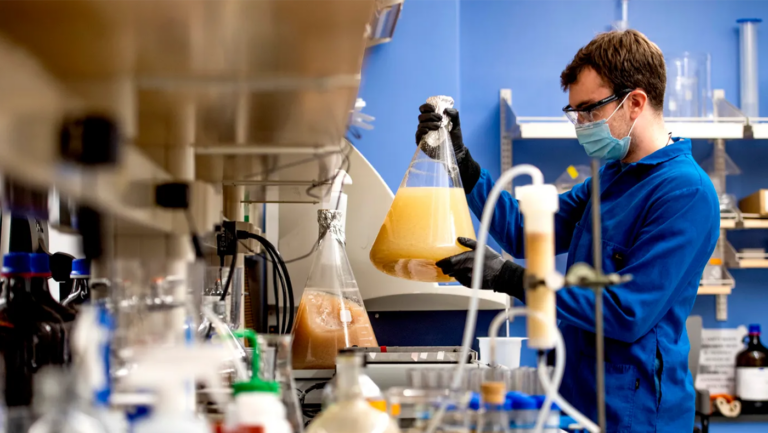
This antibiotic is effective against anthrax, and has no detectable resistance, Northeastern research finds
Kim Lewis and Slava Epstein, Northeastern biology professors, developed an antibiotic over a decade ago that can now be used against anthrax. -
Research
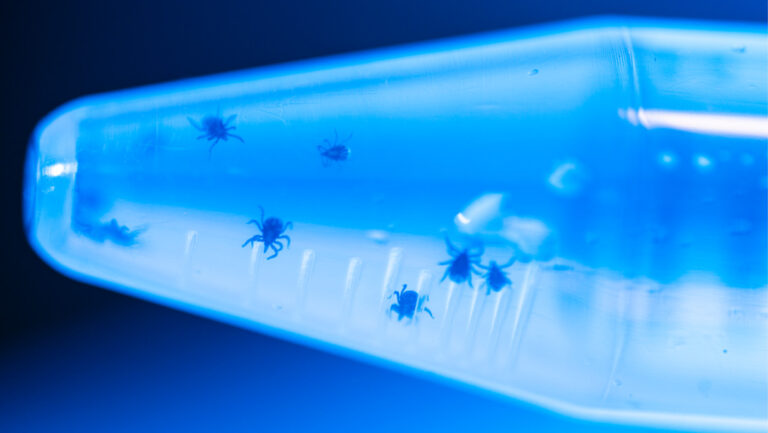
New Northeastern lab plumbs the mysteries of the ticks and bacteria that cause Lyme
Constantin Takacs loves to study black-legged deer ticks and Borrelia burgdorferi, which is good news for everybody else. -
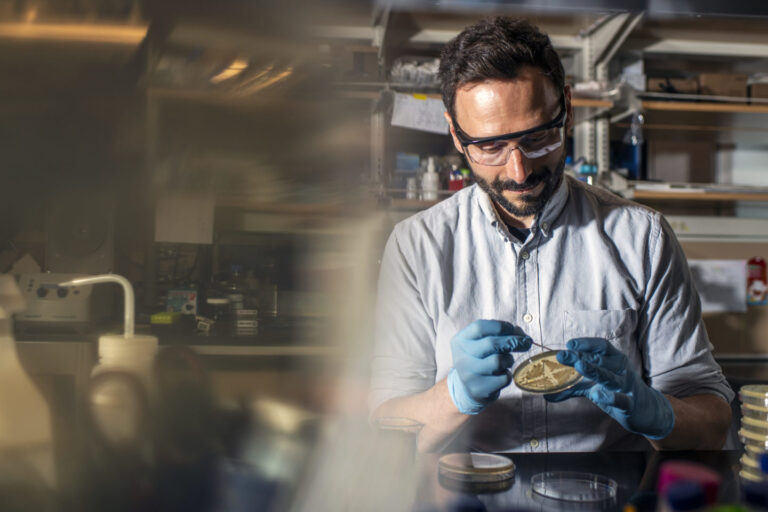
This superbug dodges antibiotics. He’s finding a way to kill it.
Edward Geisinger, assistant professor of Biology at Northeastern, studies bacterium Acinetobacter baumannii that frequently infects hospital patients, and is resistant to antibiotics.