COS News
Research
“The basic premise is that AI can help us do better physics, and something that is less expected is that physics can also help us understand AI better,” said Northeastern professor James Halverson.
AI and physics have more in common than you might think.
News
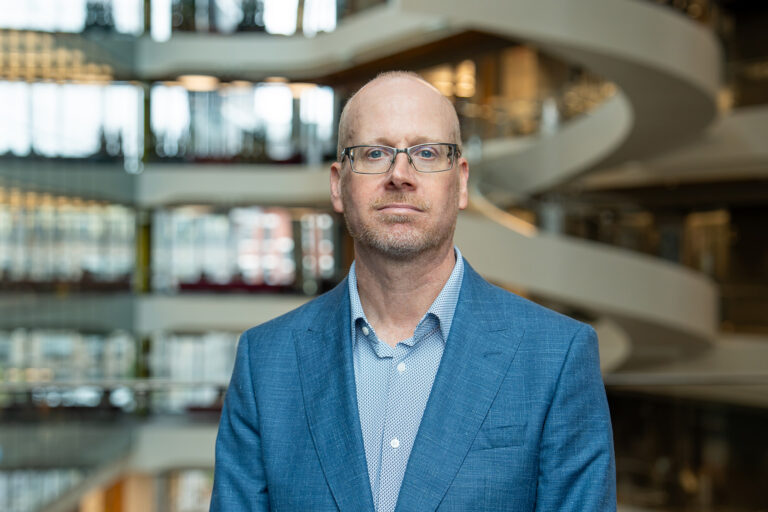
Mark Williams, Professor and Chair of the Department of Physics, will assume the role of Dean of the College of Science, effective July 1, 2026.
Mark C. Williams named Dean of the College of Science
Showing 209 results in Research
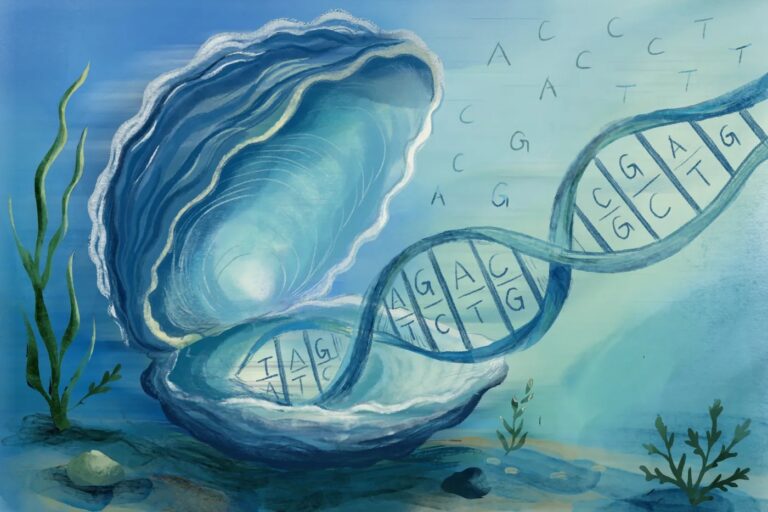
Graduate student studies oyster genomics to preserve biodiversity
Graduate student Megha Prasad tapped into the power of AI when studying Eastern oyster genomics to uncover patterns that show what makes them thrive.
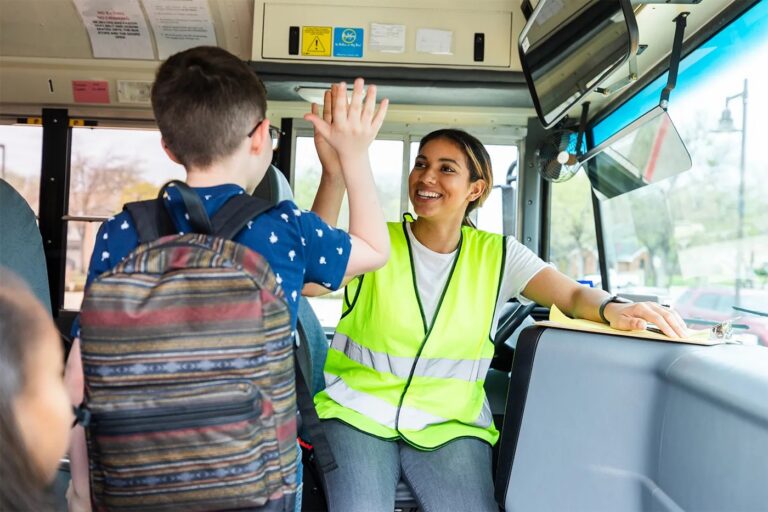
Grandparents, teachers and even bus drivers can build resilient kids
Scientists have spent decades studying what goes wrong in childhood. Northeastern researchers are measuring what goes right — and how those experiences can shape mental health years later.

Time2Learn, then time to sleep: evening practice may help language stick
When is the best time to practice a foreign language so your brain can cement it during sleep? Early findings by Northeastern researchers suggest studying in the evening may give learners an edge.

AI is helping design cities. How should urban planners proceed?
Using AI in urban planning can predict floods and simplify policy, but Northeastern researchers say it needs careful oversight.
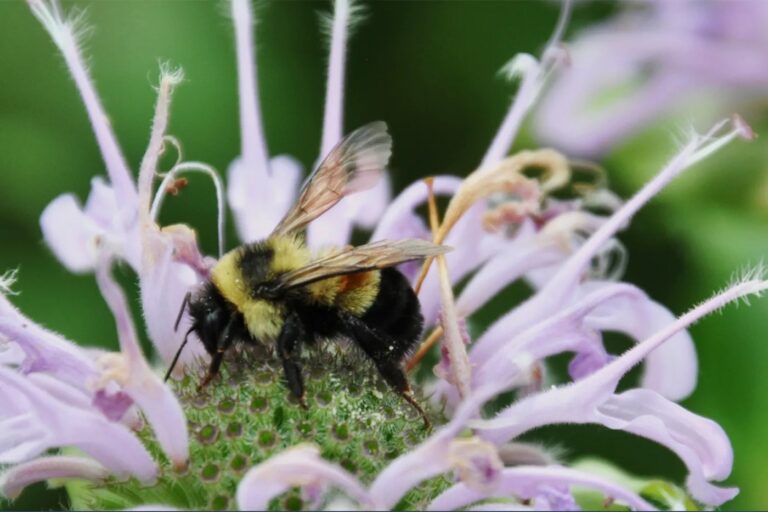
Bees by the book. Can municipalities save the pollinators?
Rare bumblebee hasn’t been seen in New England for more almost two decades

Can video games help personalize cognitive care for vulnerable groups?
Northeastern scientists are using video games to understand how to one day customize cognitive care for people with HIV.
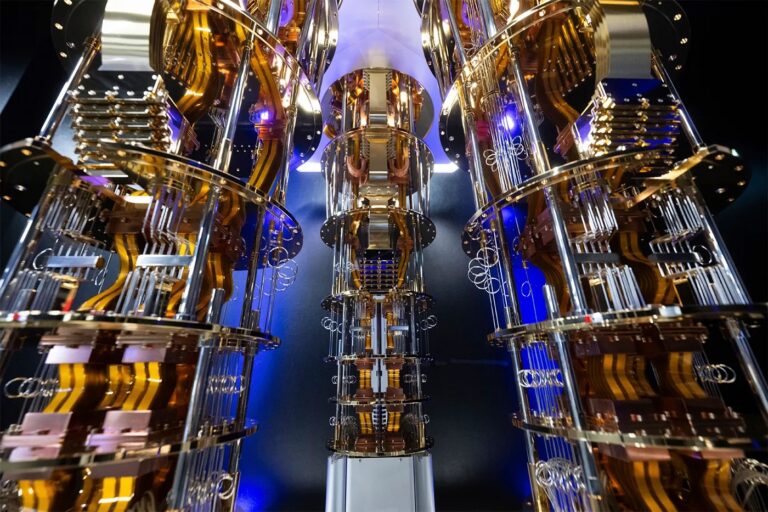
These researchers seek to quiet ‘the noise’ in quantum computing
These Northeastern University researchers are working to make quantum computers more efficient.
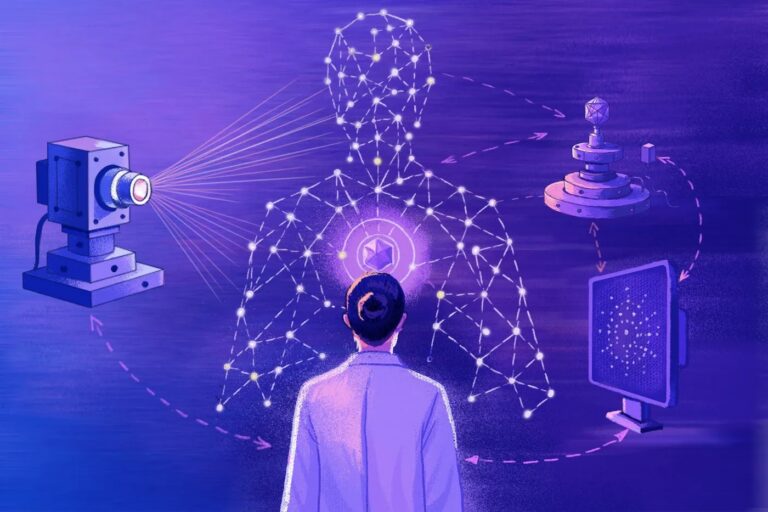
This AI scientist can run an X-ray experiment. Self-driving labs may come next.
Northeastern researchers helped develop an AI scientist that can run X-ray experiments autonomously, adjusting when needed. The discovery paves the way for self-driving labs of the future.
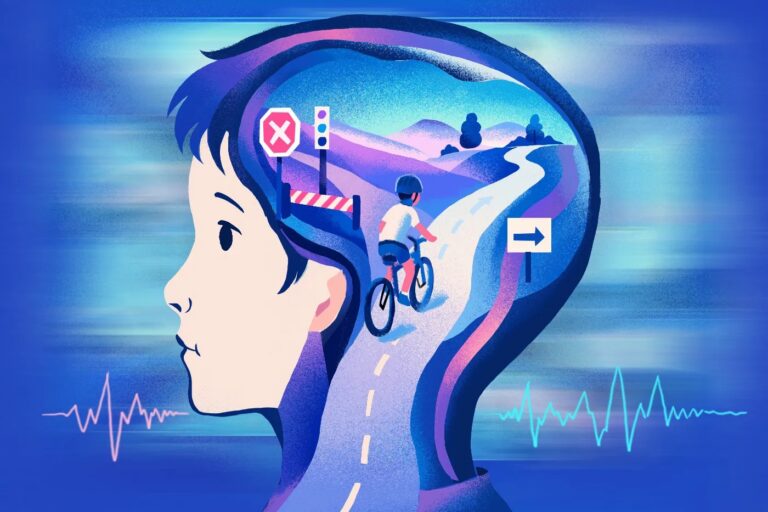
Aerobic fitness may be a teller of some brain health, study suggests
Inhibitory control is the ability to suppress a response or actively ignore irrelevant distractions.
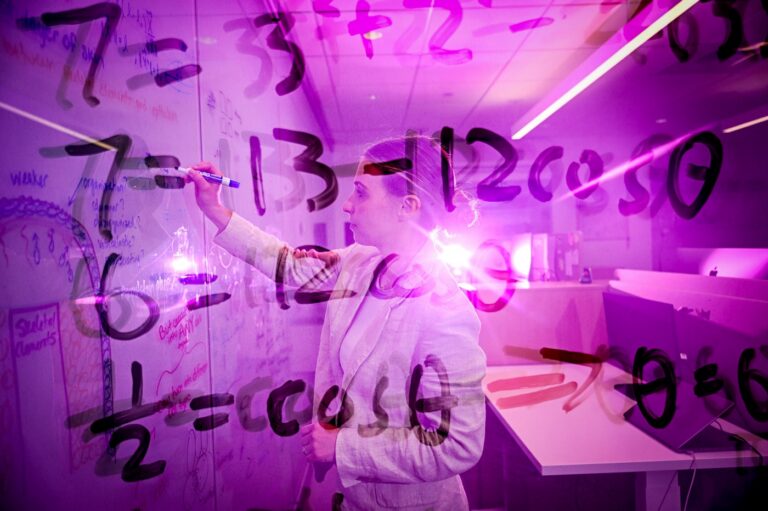
Cracking the axolotl code: How to regrow limbs and stay young
Northeastern University professor Calina Copos is using computational techniques to study limb regeneration in axolotls. The findings could advance research on wound healing and aging.

Zapping microscopic worms gives undergrads a leg up in competitive lab placements
Undergrads are utilizing their worm-zapping mastery to stand out within a competitive pool of science lab applicants in Boston.
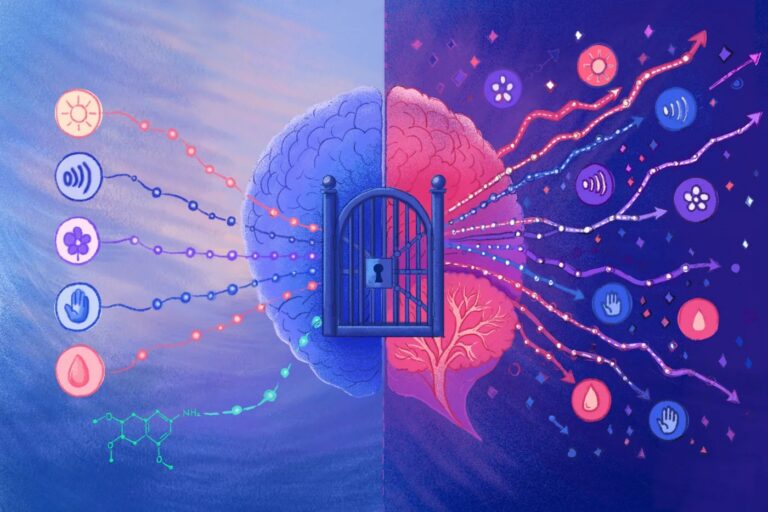
One of the oldest psychedelics meets modern brain imaging
Mescaline is a naturally occurring chemical found in cacti, mainly peyote cacti, that are located in the Southwest United States and Mexico.