COS News
Research
“The basic premise is that AI can help us do better physics, and something that is less expected is that physics can also help us understand AI better,” said Northeastern professor James Halverson.
AI and physics have more in common than you might think.
News
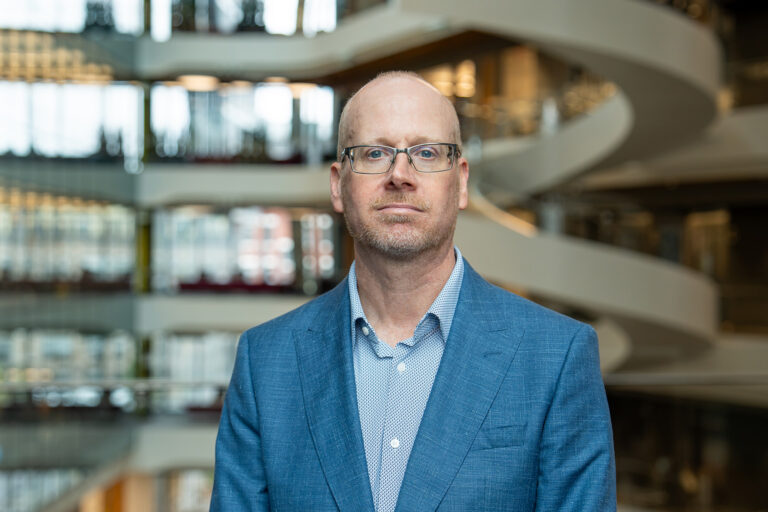
Mark Williams, Professor and Chair of the Department of Physics, will assume the role of Dean of the College of Science, effective July 1, 2026.
Mark C. Williams named Dean of the College of Science
Showing 210 results in Research
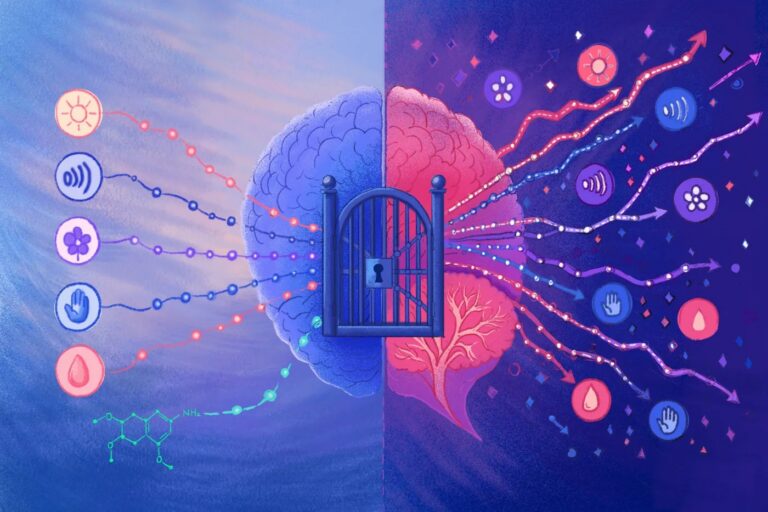
One of the oldest psychedelics meets modern brain imaging
Mescaline is a naturally occurring chemical found in cacti, mainly peyote cacti, that are located in the Southwest United States and Mexico.
Should you join the 5 AM Club? Why hitting snooze might be better for some
The morning routine that calls for an extra-early wakeup time has been touted by many, but what do sleep experts say? Northeastern researchers caution that sleep deprivation isn’t a price worth paying.
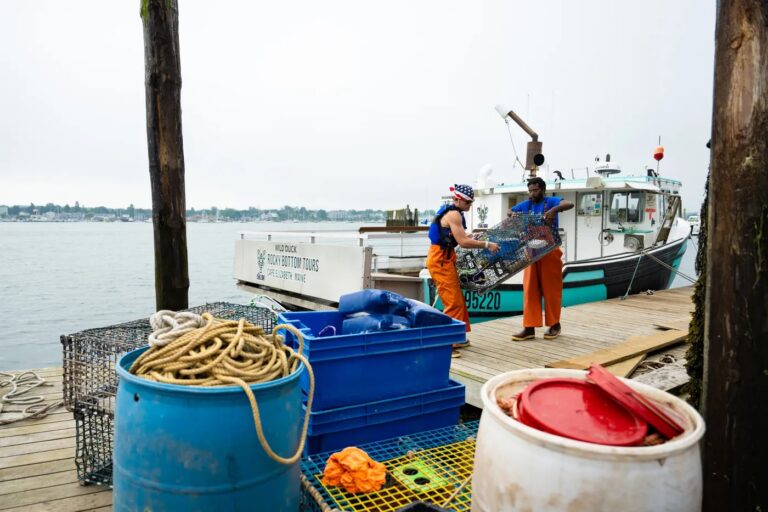
Northeastern researchers want to help keep New England seafood from going to China and back
The NSF Seafood Engine in New England is a collaboration of the seafood industry, tech sector, government and research partners.
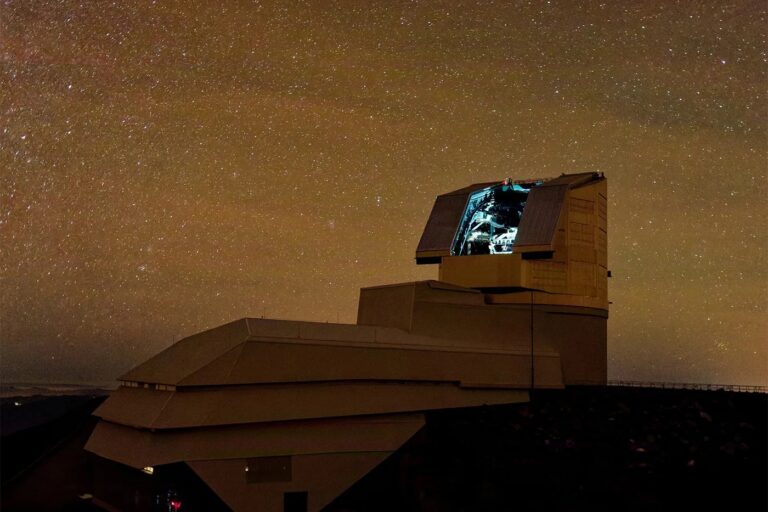
The Legacy Survey of Space and Time officially launches, as scientists begin filming ‘greatest cosmic movie ever made’
The Legacy Survey of Space and Time just kicked off one of the largest and most detailed observations of the sky, with the help of the largest digital camera on Earth.
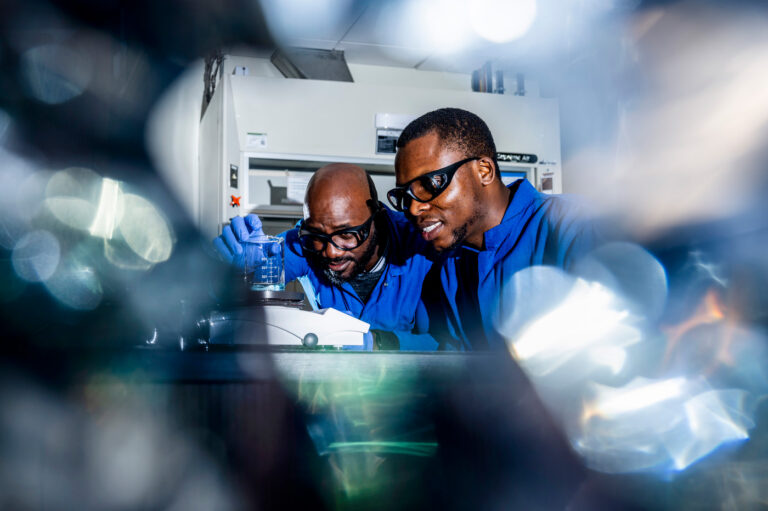
Could the clean energy revolution be powered by wastewater?
Professor Damilola Daramola and doctoral student Qudus Rafiu investigated removing critical materials from wastewater.
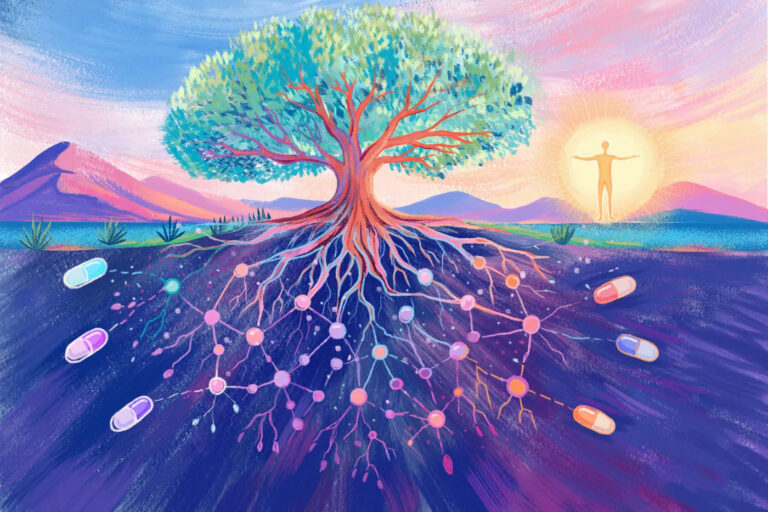
Study finds existing drugs could be repurposed for longevity by tapping network of aging-related genes
A study led by Northeastern researchers found that aging-related genes sit in a network associated with the “hallmarks of aging.” That network can be used to find existing drugs that reverse or speed up aging.
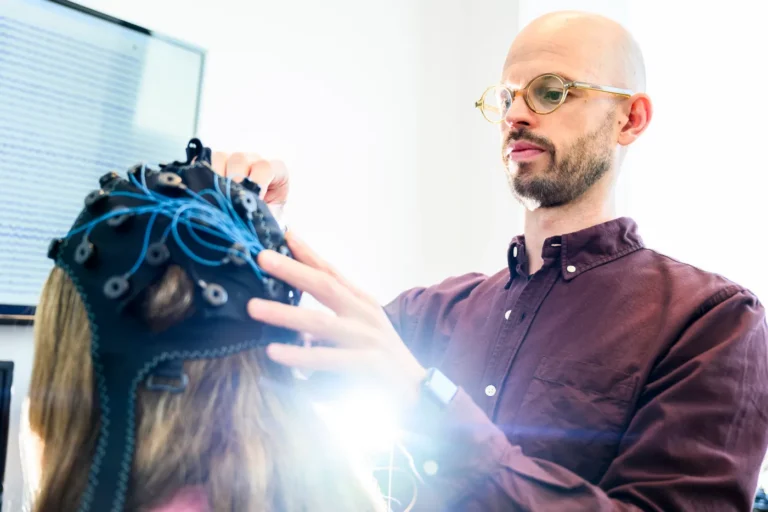
Being inactive isn’t good for anyone. This research got people with a traumatic brain injury moving
The effects of a traumatic brain injury can worsen with physical inactivity. Professor Charles Hillman has studied how to change this.
Could the World Cup trigger the next pandemic? Scientists have mapped the risks
The World Cup brings together 48 teams from across the globe, but it also provides an opportunity for disease to spread. Professor Alessandro Vespignani developed a tool to help American cities prepare.
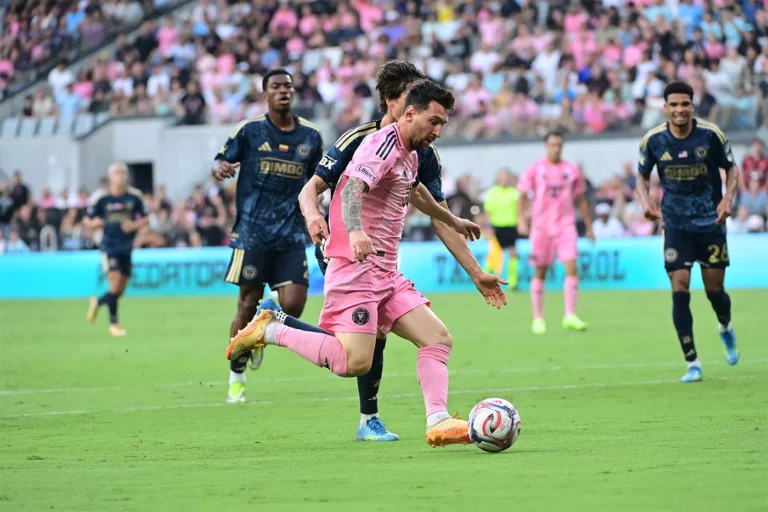
12 players to watch in the FIFA World Cup 2026, according to the data
Assistant teaching professor Brennan Klein analyzed a comprehensive dataset and compiled a list of key players.
AI and physics have more in common than you might think.
“The basic premise is that AI can help us do better physics, and something that is less expected is that physics can also help us understand AI better,” said Northeastern professor James Halverson.
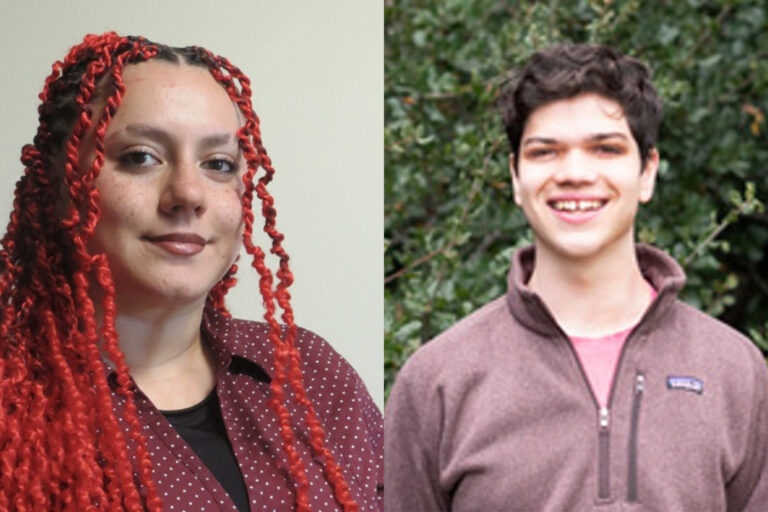
Emily Baloche and Simon Braun named 2026 Beckman Scholars at Northeastern University
Two Northeastern undergraduate students have been selected as 2026 Beckman Scholars, joining a nationally recognized program that supports undergraduate students pursuing long-term, research-intensive experiences in STEM.
Professor receives Fulbright to explore one of the world’s most unique hydrothermal vents
Formed by superheated glacial water from the last ice age, the hydrothermal vents Professor Mark Patterson studies have been bubbling beneath the fjord for centuries.