COS News
Research
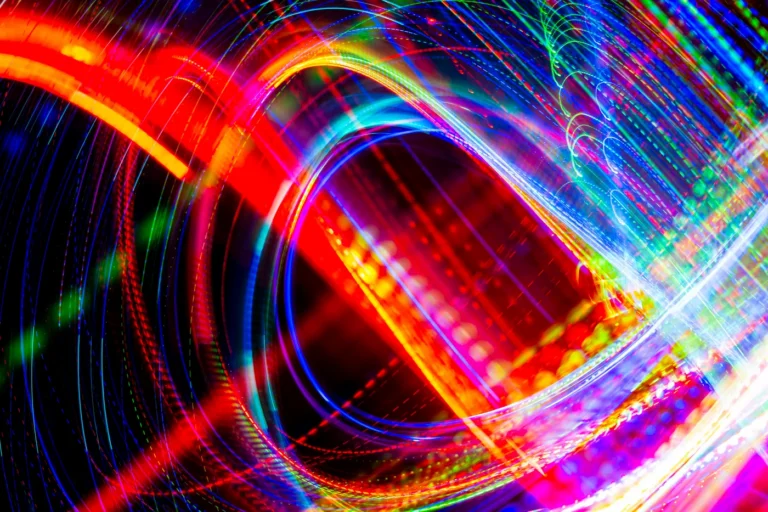
“The basic premise is that AI can help us do better physics, and something that is less expected is that physics can also help us understand AI better,” said Northeastern professor James Halverson.
AI and physics have more in common than you might think.
News
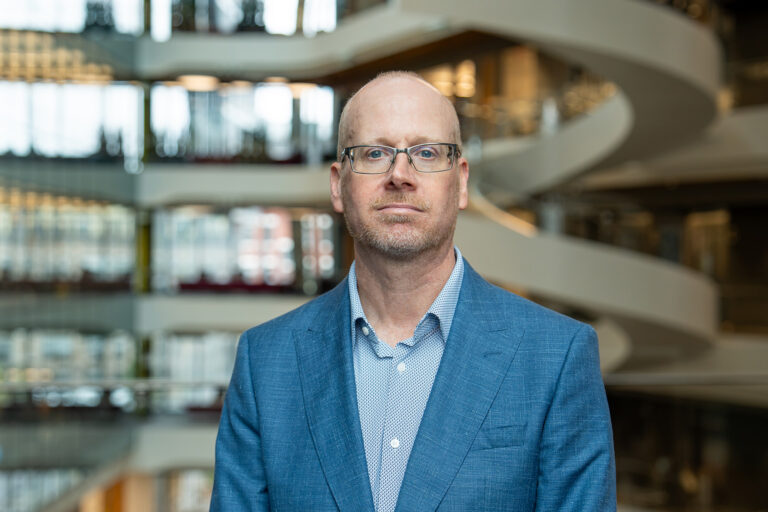
Mark Williams, Professor and Chair of the Department of Physics, will assume the role of Dean of the College of Science, effective July 1, 2026.
Mark C. Williams named Dean of the College of Science
Showing 210 results in Research
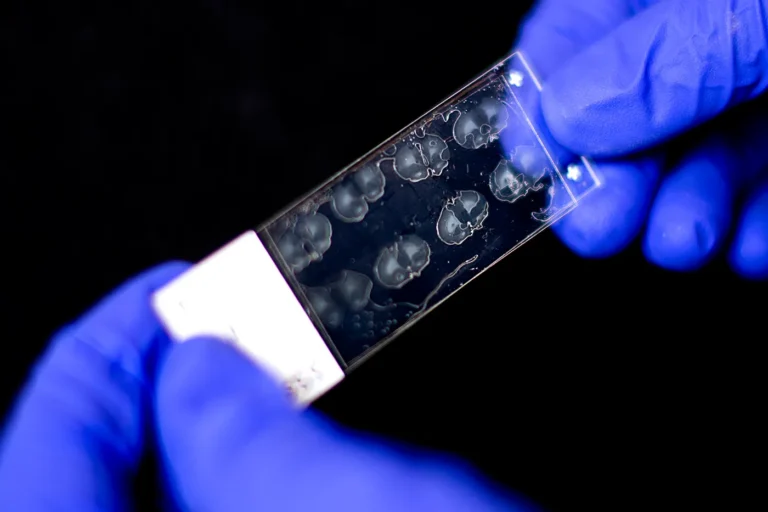
Pregnant? Researchers discover that it may decrease your ‘fear memory’
Professor Rebecca Shansky has discovered that chemical changes in the pregnant brain can soften subjects’ fear memories.
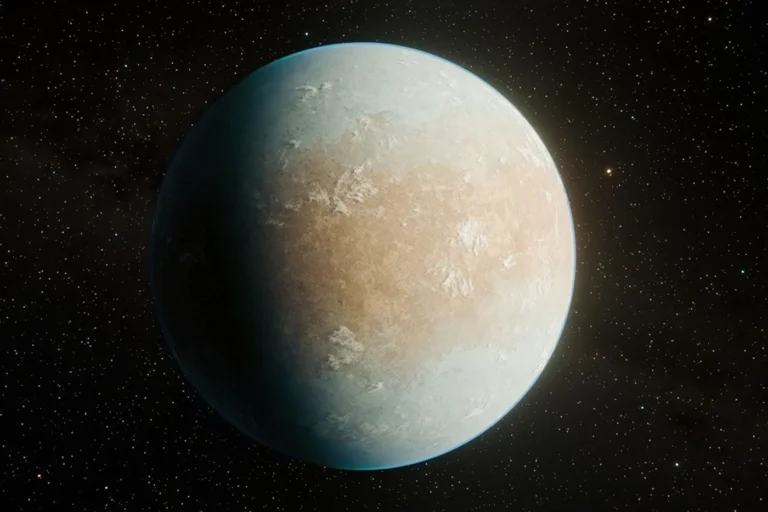
What is an exoplanet? An astrophysicist explains why they are vital for finding alien life
The discovery of a more Earth-like planet beyond our solar system reveals how these objects can help us “understand where we came from and whether we’re also alone,” astrophysicist Jonathan Blazek said.
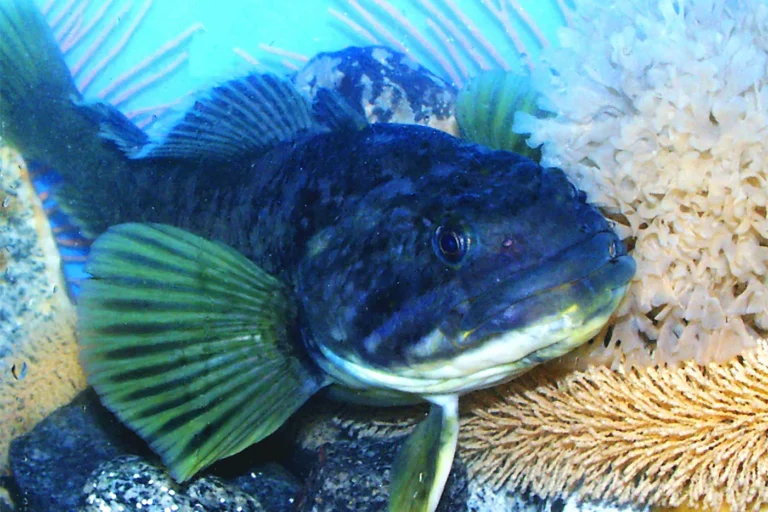
Warming Antarctic waters come with a cost for the normally ‘robust’ rockcod
Researcher H. William Detrich investigated the potential impact of warming waters in the Southern Ocean on a common species of fish. What he found could be catastrophic for fish populations in the region.

Our preference for certain foods may be impacted by early life stress, research shows
Researcher Brie Reid finds a correlation between acute stress in infancy and an increased preference for inflammatory foods in subjects’ late teens and 20s.

Will the Winter Olympics run out of snow?
Because of climate change, organizers will have to be careful about future venues and host events at locations of various altitudes, professor Samuel Muñoz say.

Soccer passing is harder, shorter and sharper across pro leagues, new research finds
Assistant teaching professors Brennan Klein's new research group, NetSi Sport, released research analyzing how professional soccer gameplay has evolved over the last five years.

Ashwagandha is having a moment. These researchers opened the door to more life-altering benefits
Ashwagandha, a popular supplement, is known for its effect on stress and sleep. Professor Jing-Ke Weng recreated its compounds in yeast, making a potential factory for its many benefits.
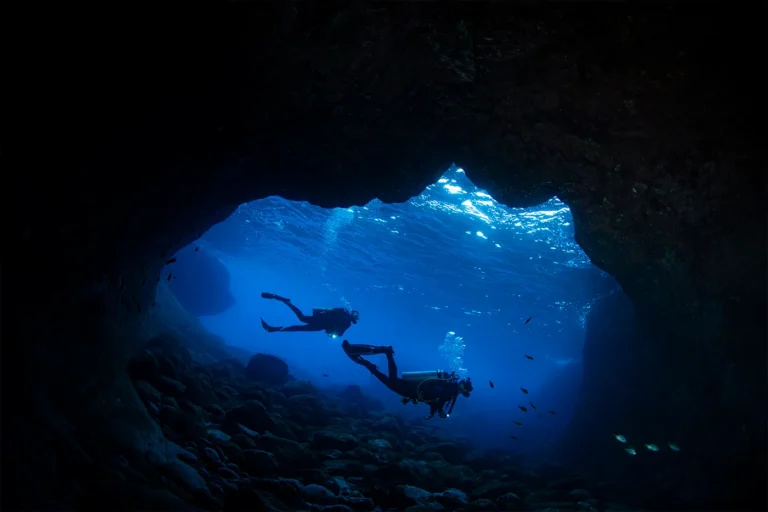
How living and working under the sea fills aquanauts with wonder and awe. The phenomenon is called the “underview effect.”
Professor Brian Helmuth studies how living underwater can create a mind-blowing effect similar to what astronauts experience in space.
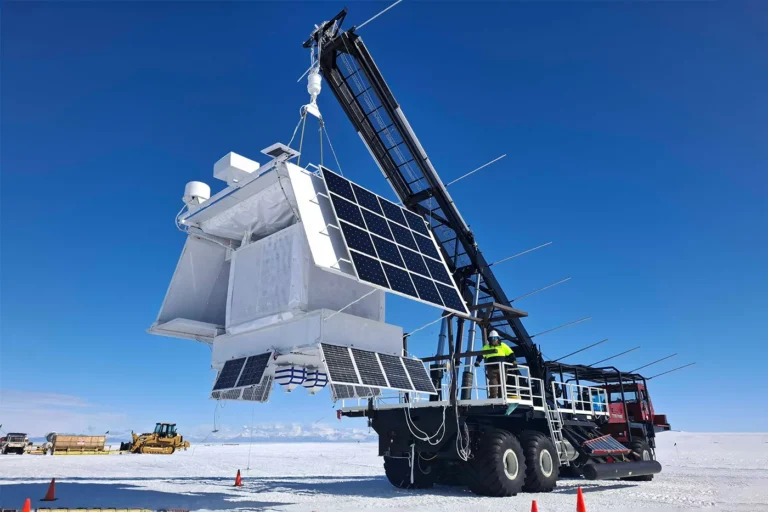
These researchers flew a particle detector above Antarctica, hoping to find evidence of mysterious matter
Assistant Professor Tsuguo Aramaki has spent 20 years developing a weather balloon-borne particle detector to record indirect traces of dark matter. It recently launched in Antarctica.

A ‘stunning’ new map of dark matter reveals insights into this mystery of the universe
Using NASA’s James Webb Space Telescope, researchers including Professor Jacqueline McCleary, created the highest-resolution map yet of dark matter, the virtually invisible material that makes up about 80% of the universe’s matter.
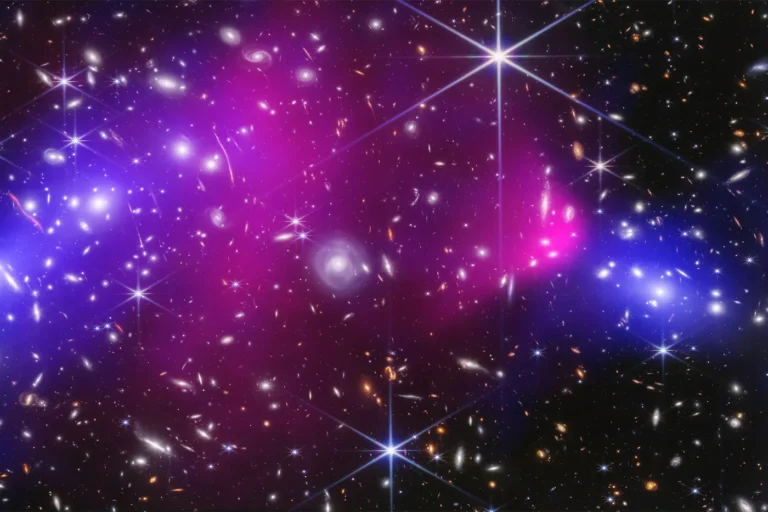
What is dark energy? Scientists shine new light on outer space’s biggest, invisible question
The final results from the six-year Dark Energy Survey show there are still more questions than answers but will impact astrophysics for decades, Northeastern’s Jonathan Blazek said.
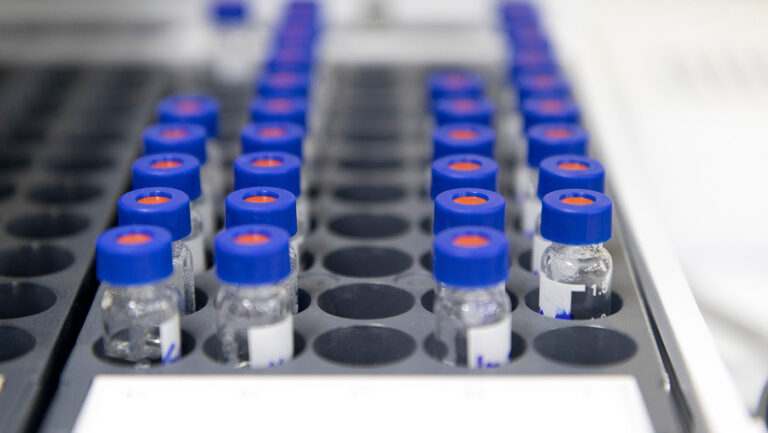
Mass Spectrometry Facility awarded grant to advance single-cell proteomics research
Northeastern University’s Mass Spectrometry Facility has been awarded a $2.2 million research infrastructure grant from the Massachusetts Life Sciences Center (MLSC) to build a cutting-edge core supporting single-cell proteomics research. The award, through the Center’s Research Infrastructure program, will establish a fully integrated pipeline that enables researchers to measure proteins at single-cell resolution, filling a...