COS News
Research

“The basic premise is that AI can help us do better physics, and something that is less expected is that physics can also help us understand AI better,” said Northeastern professor James Halverson.
AI and physics have more in common than you might think.
News
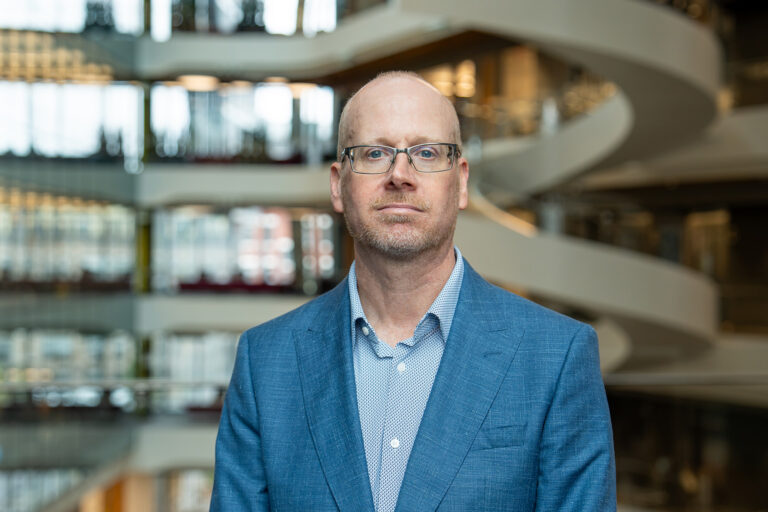
Mark Williams, Professor and Chair of the Department of Physics, will assume the role of Dean of the College of Science, effective July 1, 2026.
Mark C. Williams named Dean of the College of Science
Showing 210 results in Research

‘Giving back’ cellphone data so communities can plan
The goal of Professor Esteban
Moro's new research is to help communities better allocate resources, plan for events and more.

Does an infant’s body fat relate to cognitive and motor development?
Researchers include assistant professor Laurel Gabard-Durnam are looking beyond a weight and length to inform an infant’s neurological development.

Findings in toxic plants could help in the development of safer heart and cancer drugs
A new research published by post-doctoral researcher Menglong Xu and Professor Jing-Ke Weng have discovered a mammal-like hormonal pathway in plants such as foxglove that could help make heart and cancer drugs safer.

Northeastern researcher explains why climate models and observational data disagree
Assistant professor Chengfei He's findings are reported in the journal Nature Communications.
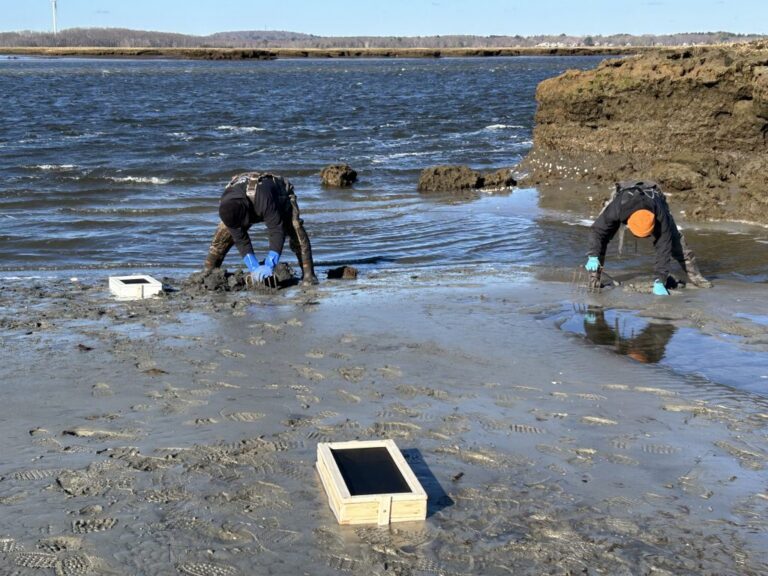
Northeastern CSI Researchers Recognized in $1.6 Million WHOI Sea Grant Award
Professor Jennifer Bowen has received WHOI Sea Grant funding to investigate bacterial contamination threatening Massachusetts soft-shell clam harvests.
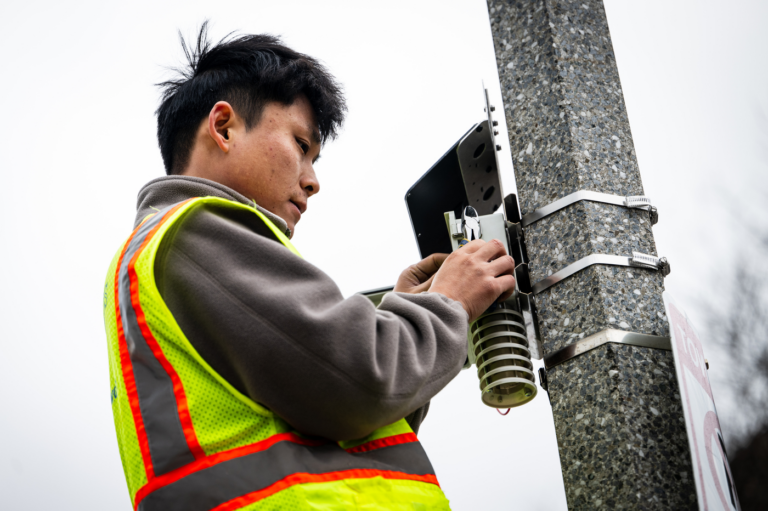
These Boston neighborhoods have heat and noise problems. This sensor project is helping address it
Amy Mueller, professor of civil and environmental engineering at Northeastern, says the sensors are measuring heat and noise across neighborhoods.
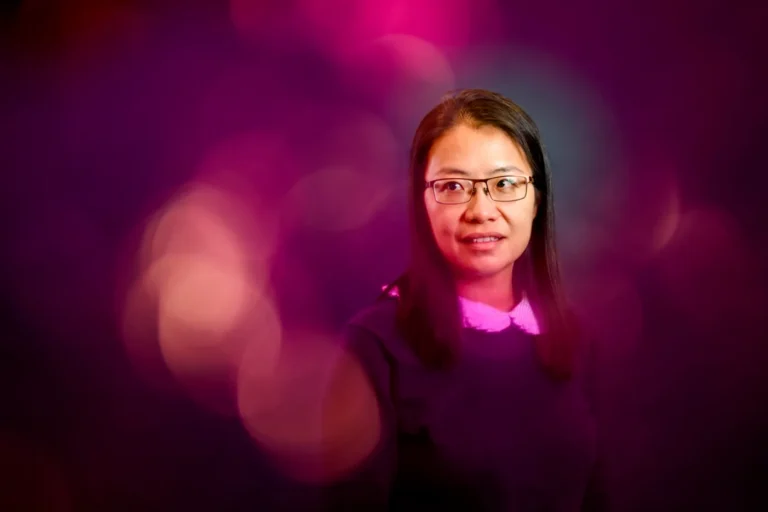
Quantum computing research earns professor prestigious Cottrell Scholar Award
Yizhi You, an assistant physics professor, was named a Cottrell Scholar, which is bestowed on promising early-career academics studying chemistry, physics or astronomy.

Where are the women? Researchers are on a quest for more representation in medical research
Despite constituting half the population, female subjects are still underrepresented in medical trials. At Northeastern University, a cohort of researchers including Professor Rebecca Shansky is trying to close that gender gap.

Nature report links wildlife trends to human well-being
Professor Brian Helmuth and Professor John Coley lead research chapter on the human connection to nature and its importance for the future of the planet.
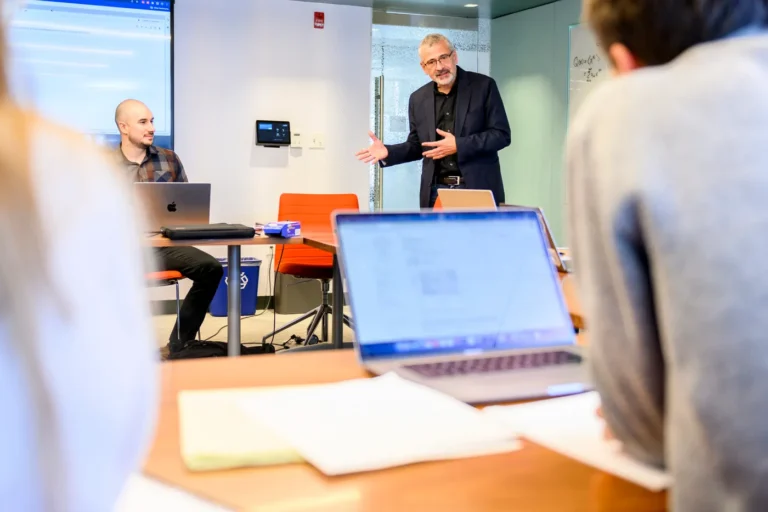
The pandemic is over but health threats remain. How network scientists are making epidemic modeling more accessible
Professor Alessandro Vespignani reveals new data on how Americans move and mingle post-COVID.
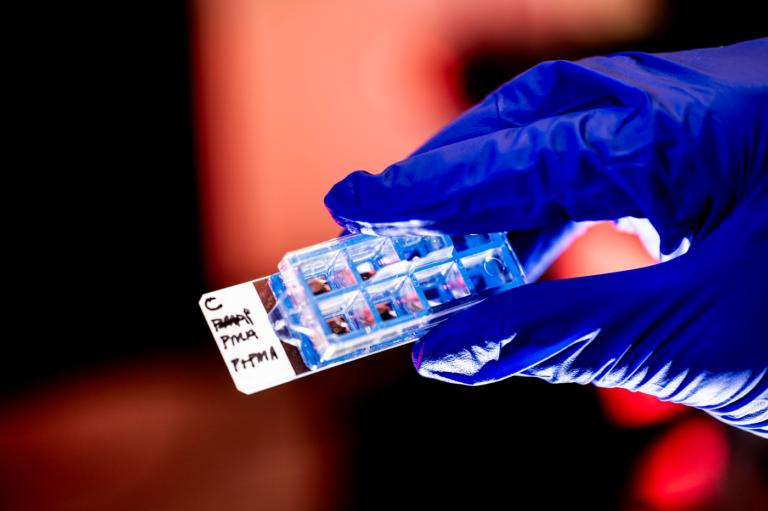
Feeling stressed? These immune cells might be key to understanding why
New research from Assistant Professor Emeka Okeke shows that neutrophils, the most abundant type of white blood cell, may play an important role in psychiatric diseases.

Mitochondria mania: Can supercharging your cells help you live longer?
Professor Konstantin Khrapko explains why mitochondria are often hailed as the secret to keeping the ailments of Father Time at bay.