COS News
Research
“The basic premise is that AI can help us do better physics, and something that is less expected is that physics can also help us understand AI better,” said Northeastern professor James Halverson.
AI and physics have more in common than you might think.
News
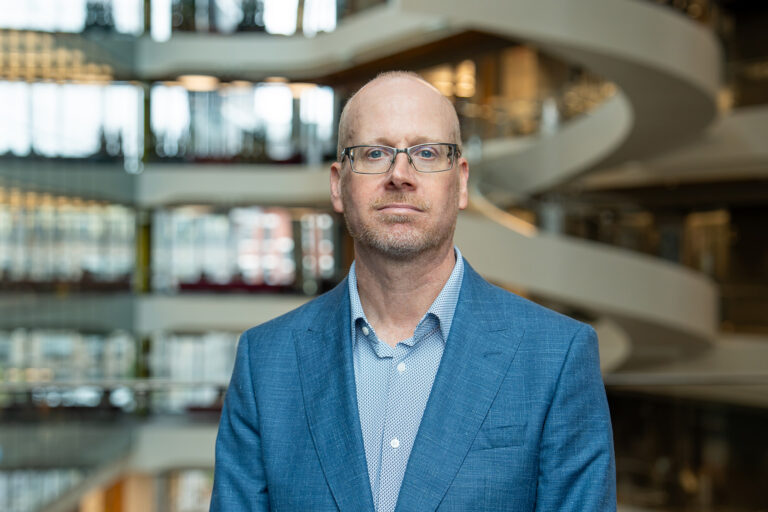
Mark Williams, Professor and Chair of the Department of Physics, will assume the role of Dean of the College of Science, effective July 1, 2026.
Mark C. Williams named Dean of the College of Science
Showing 209 results in Research
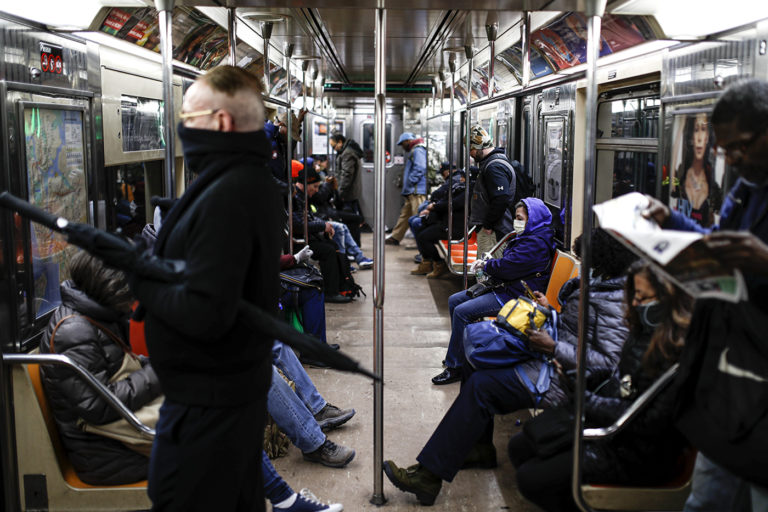
The coronavirus was in the US in January. We need to understand how we missed it.
SARS-CoV-2, the coronavirus that causes COVID-19, was circulating in major U.S. cities as early as January, says Alessandro Vespignani, director of Northeastern’s Network Science Institute. And if we want to keep our communities safe going forward, we need to understand how we missed a virus that was right under our noses.

Network scientists identify 40 new drugs to test against COVID-19
Researchers at Northeastern mapped the way proteins within human cells behave after the cells are hijacked by the virus to identify drugs that might be able to fight it. The team is now working with other experimental researchers to begin testing those drugs.
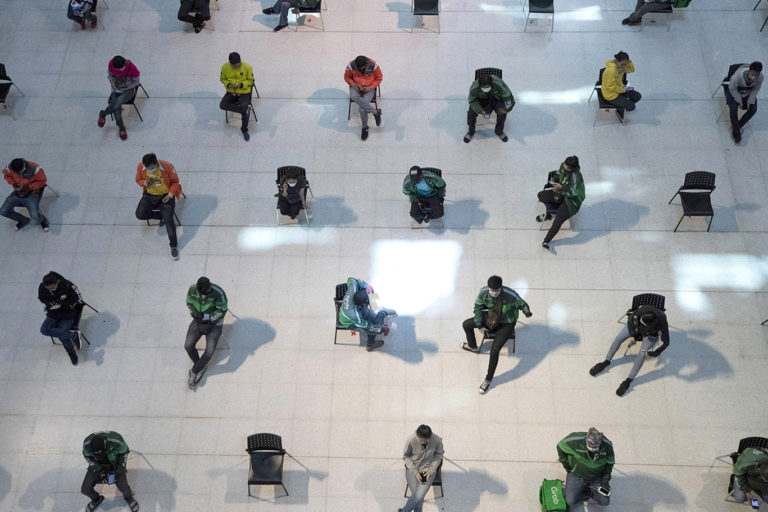
‘Social distancing’ is only the first step toward stopping the COVID-19 pandemic
After days of closures and requests—or orders—to stay home, many people caught in the heart of the COVID-19 pandemic are wondering if these efforts will be enough. Network scientist Alessandro Vespignani says the answer depends on the ways that local, regional, and federal governments use the time.
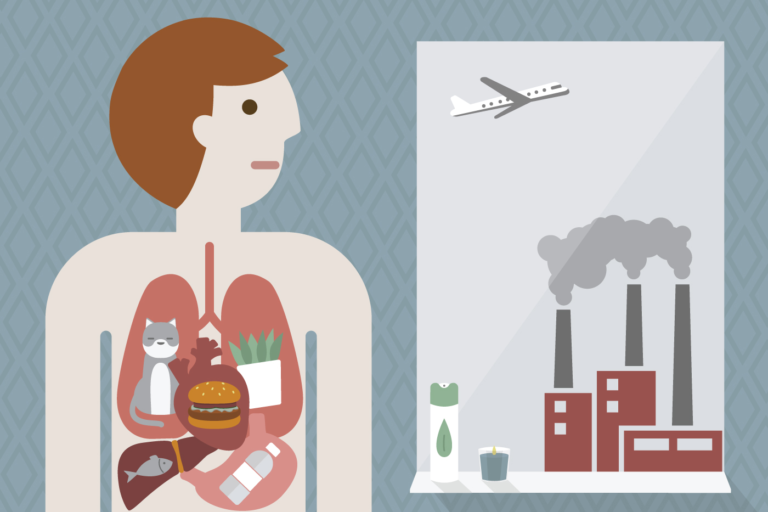
It’s not just your genes that are killing you. Everything else is, too.
Environmental factors drive the majority of our risk for non-communicable diseases, says Albert-László Barabási, Robert Gray Dodge Professor of Network Science at Northeastern. We need to be studying them.
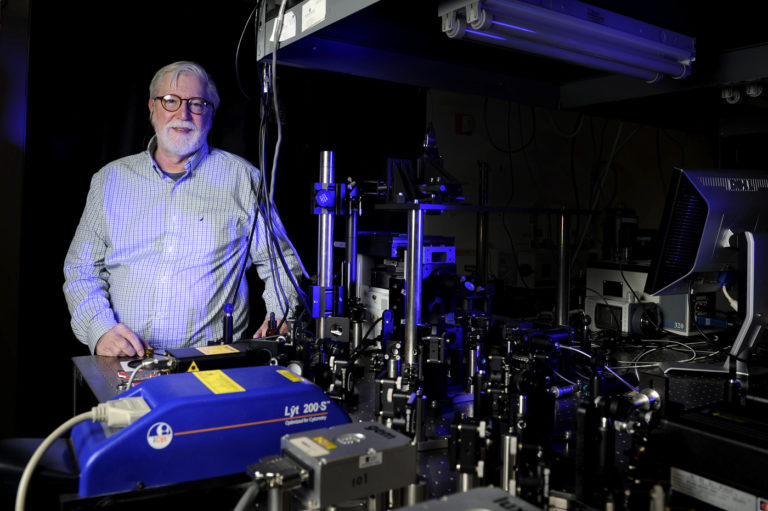
Research sheds new light on proton behavior, draws praise from science community
Instead of protons “hopping” over barriers from point A to B, new research by professor Paul Champion and his team reveals for the first time that protons actually tunnel through these barriers. This discovery upends a centuries-old belief about how protons behave.