COS News
Research
“The basic premise is that AI can help us do better physics, and something that is less expected is that physics can also help us understand AI better,” said Northeastern professor James Halverson.
AI and physics have more in common than you might think.
News
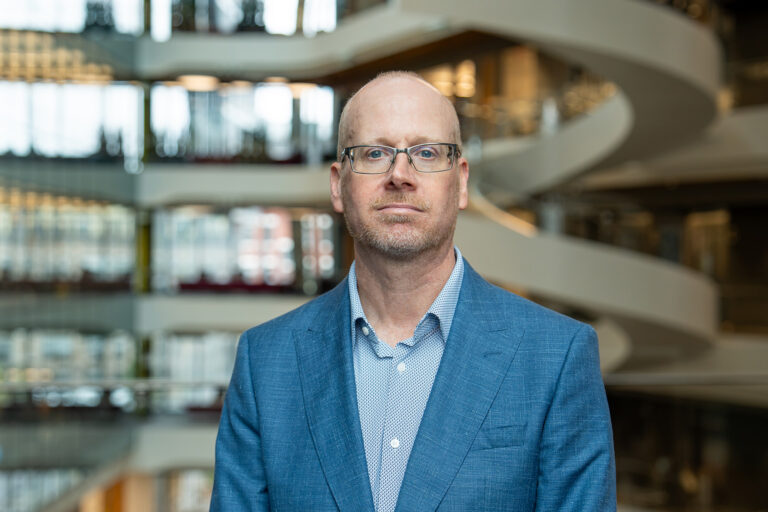
Mark Williams, Professor and Chair of the Department of Physics, will assume the role of Dean of the College of Science, effective July 1, 2026.
Mark C. Williams named Dean of the College of Science
Showing 209 results in Research

Want to know how processed your food is?
Northeastern researchers have been busy trying to better understand the links between “ultra-processed foods” and human health through the university-sponsored Foodome project.
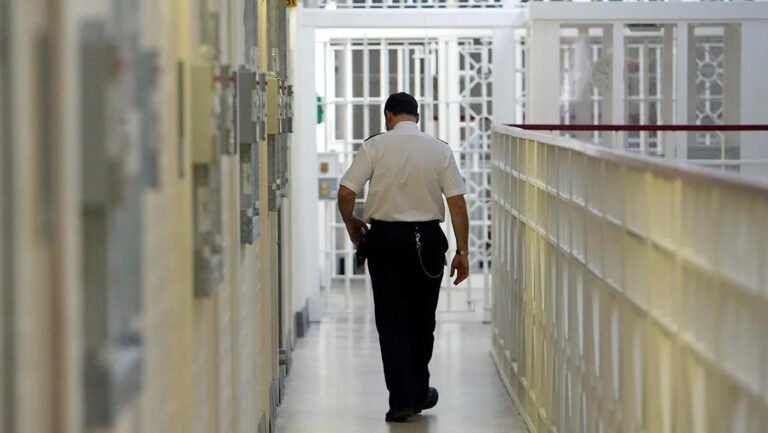
COVID-19 prison releases exposed inequities
In the decade leading up to 2020, racial inequity in U.S. incarceration was trending down––until the COVID-19 pandemic hit.
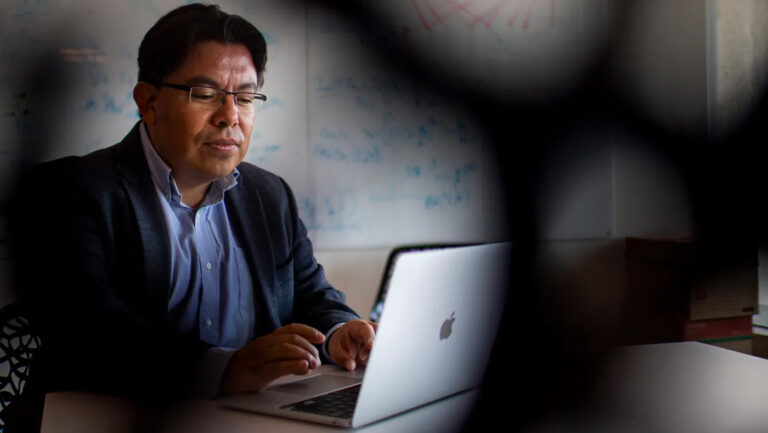
Can ‘digital traces’ from internet searches and social media predict outbreaks of COVID-19?
Your Google searches and Twitter accounts alert marketers about what items you might like to purchase—could they also serve as an early warning system when COVID-19 levels are about to take off?
A team of scientists including Northeastern University machine learning expert Mauricio Santillana says internet users’ “digital traces” can be adopted to alert public health officials to sharp increases in COVID-19 at the county level one to six weeks ahead of a major outbreak.
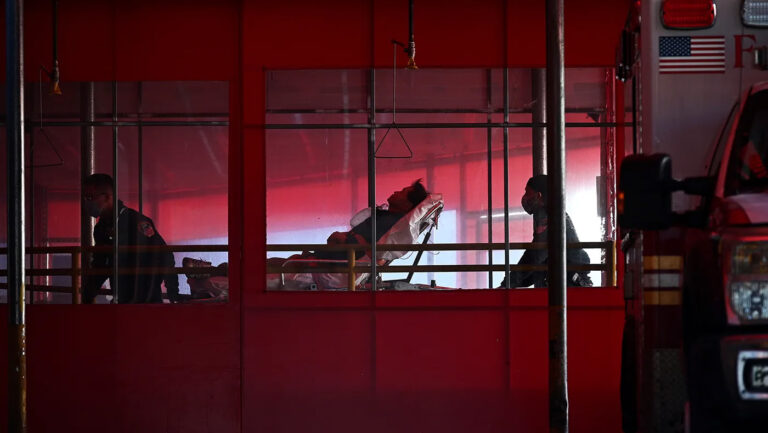
Republicans had higher COVID-19 death rates in the first year of the pandemic, new research says
Northeastern researchers uncovered statistics that suggests that politics played a significant role in who was dying early in the pandemic.
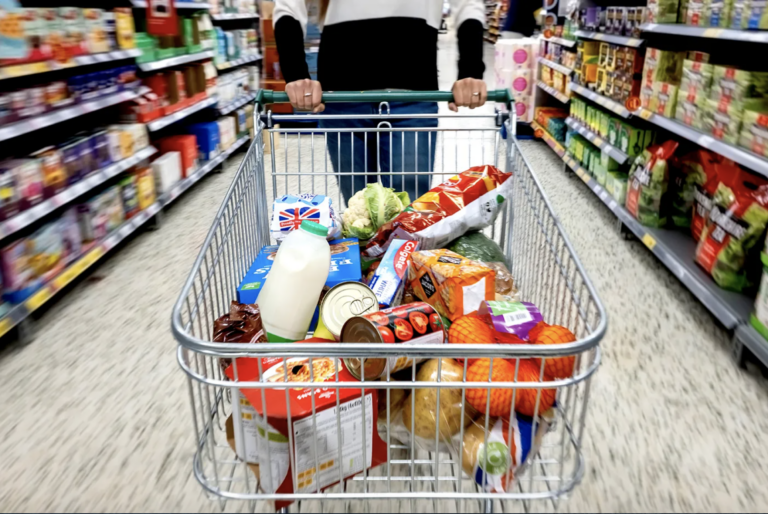
Has your food been chemically altered? New database of 50,000 products provides answers.
Northeastern researchers have discovered a way to outline the components of any given food, cluing us in to what our food is really made of—and what it took to get to your plate.

Student-led collaboration explains how worms navigate a world of food and toxins
A new study from a Northeastern-led collaboration, looking into the C. elegans worms’ interactions with their microbiome, found that the worms are willing to leave a bacterial food source when they’re exposed to one of their deadliest toxins and identified the driving neurological mechanism behind it.
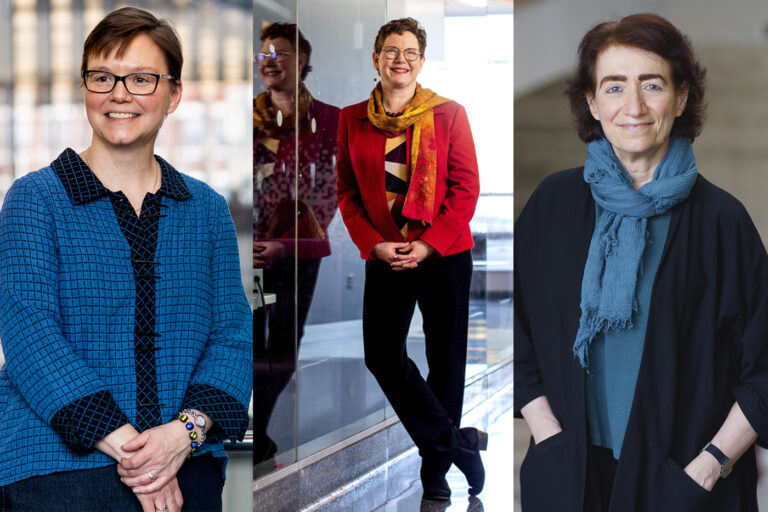
Three Northeastern leaders receive lifetime honor for prolific scientific contributions
Professor Penny Beuning, chair of the chemistry and chemical biology department; Elizabeth Mynatt, dean of the Khoury College of Computer Sciences; and Hazel Sive, dean of the College of Arts and Science, have all been named fellows of the American Association for the Advancement of Science.
How these worms avoid getting poisoned
After the microscopic roundworms he was studying survived a toxic chemical environment, professor Javier Apfeld was intrigued to discover their tactic for protection against chemical foe.
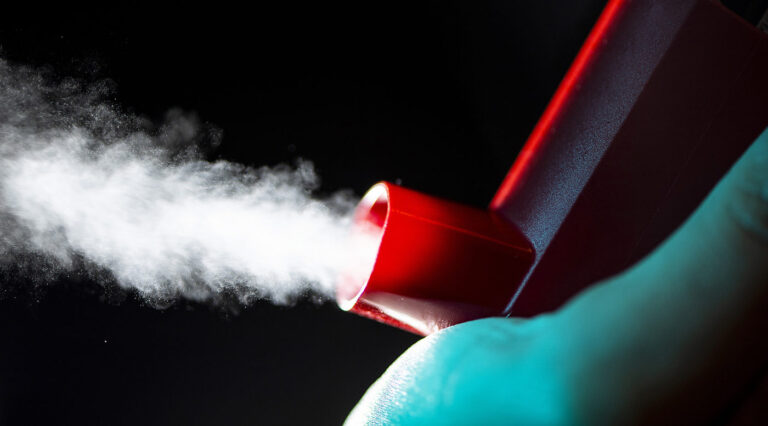
No needles? No problem. This COVID-19 vaccine could be inhaled.
Paul Whitford and a team of scientists develop an inhalable vaccine strategy in the hopes of offering a simple and efficient way of administering COVID-19 vaccines.
What would make oysters better? This scientist is figuring it out.
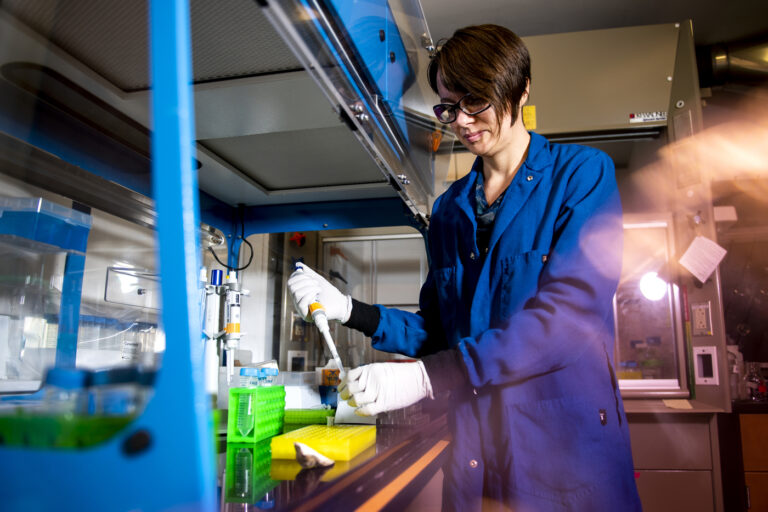
Katie Lotterhos receives two prestigious awards for her work breeding oysters in the hopes of restoring marine populations.
College of Science Connects: Research at the Frontier – Theoretical Condensed Matter & Biological Physics
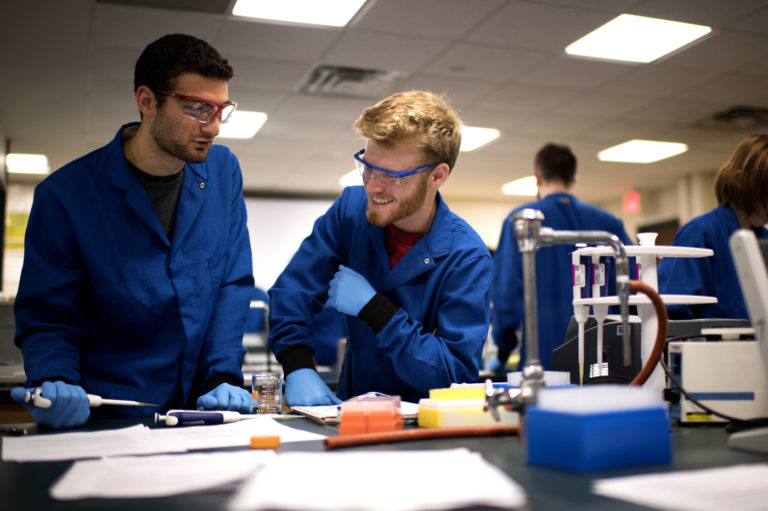
Alessandro Vespignani, Sternberg Family Distinguished Professor of Physics, presents his research as part of the Northeastern Office of Alumni Relations College of Science Connects series.
College of Science Connects: Research at the Frontier – Experimental Biological Physics
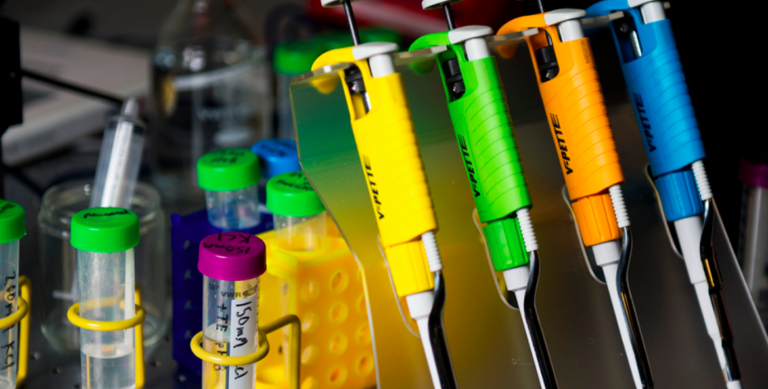
Hazel Sive, Dean of the College of Science, talks to Meni Wanunu, Associate Professor of Physics, on his expertise in experimental biological physics researching biosystems at the nanoscale. Dr. Wanunu’s lab is developing novel techniques that probe how small molecular changes affect the global properties of macromolecules and biomolecules.