COS News
Research

“The basic premise is that AI can help us do better physics, and something that is less expected is that physics can also help us understand AI better,” said Northeastern professor James Halverson.
AI and physics have more in common than you might think.
News
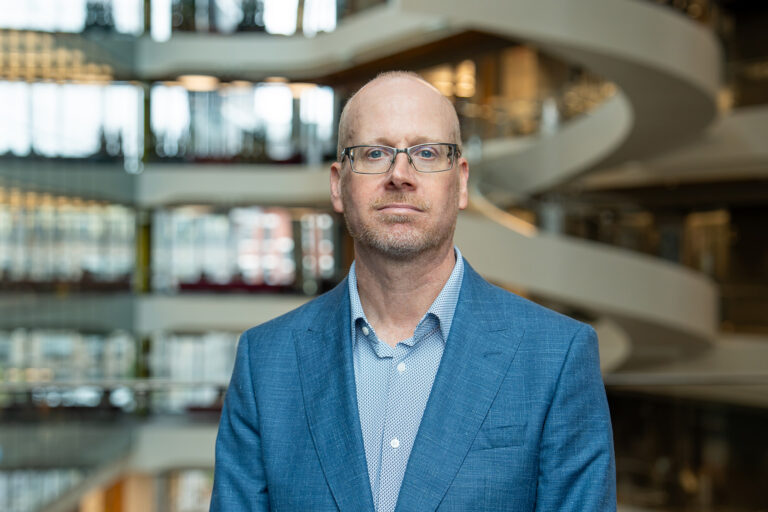
Mark Williams, Professor and Chair of the Department of Physics, will assume the role of Dean of the College of Science, effective July 1, 2026.
Mark C. Williams named Dean of the College of Science
Showing 210 results in Research

Northeastern’s neuroimaging lab empowers students with real-world brain research and innovative drug studies
Professor of psychology and pharmaceutical sciences Craig Ferris and principal research engineer Praveen Kulkarni work with the MRI machine.
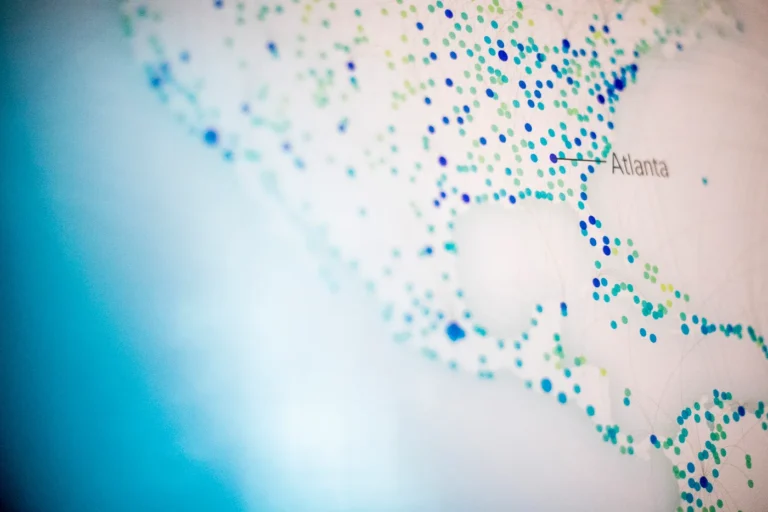
To understand the next pandemic, we must understand our own collective behavior — these researchers want to be ready
Researchers from Northeastern University are improving their epidemic models by incorporating collective behavioral patterns.
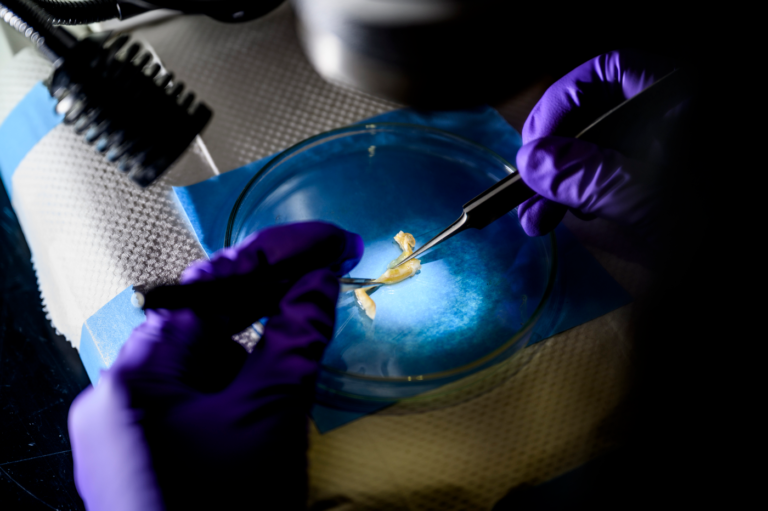
New Northeastern research could revolutionize treatment for children’s growth plate fractures using stem cells
Andreia Ionescu, assistant professor of biology, is conducting research to understand how stem cells can be used to treat bone fractures.

Cognitive Foundations of Environmental Science Education
Northeastern scientists launch new project funded by the NSF STEM Education Directorate (EDU) Education Core Research Program.

Unexploded ordnances still litter the seafloor worldwide. Northeastern engineers are trying to sniff them out.
Loretta Fernandez and her colleagues have been working on creating passive samplers that would allow them to locate old munitions by detecting degraded compounds in the water.
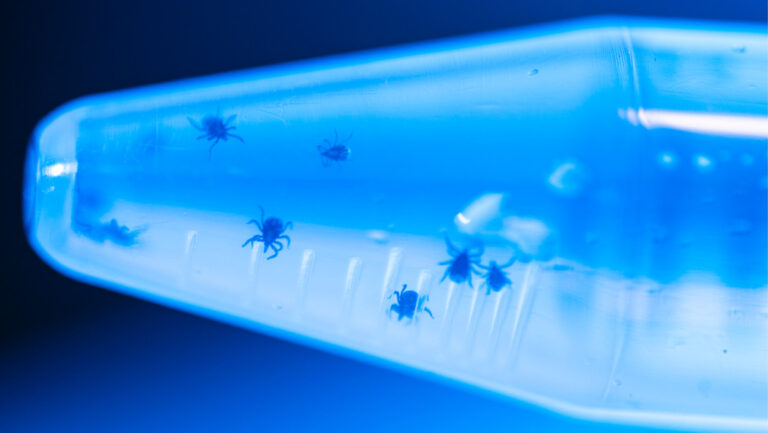
New Northeastern lab plumbs the mysteries of the ticks and bacteria that cause Lyme
Constantin Takacs loves to study black-legged deer ticks and Borrelia burgdorferi, which is good news for everybody else.
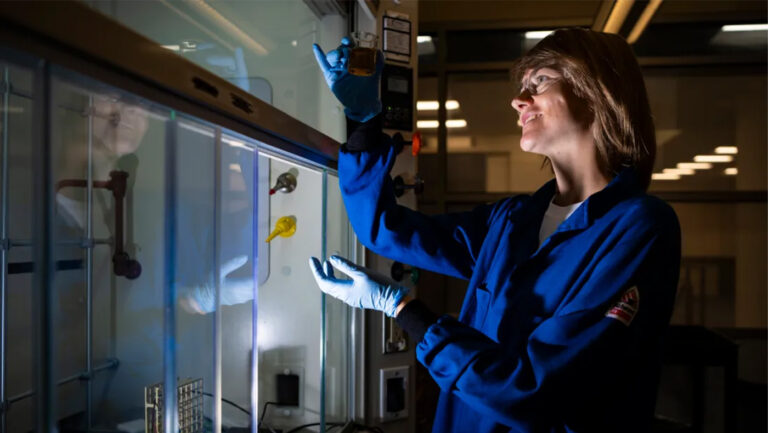
How a Northeastern scientist is turning carbon dioxide into renewable ethanol
Assistant professor Magda Barecka is designing a chemical reactor that could produce renewable, carbon-neutral ethanol for use in fuels. Her research recently received support from the U.S. Department of Energy.
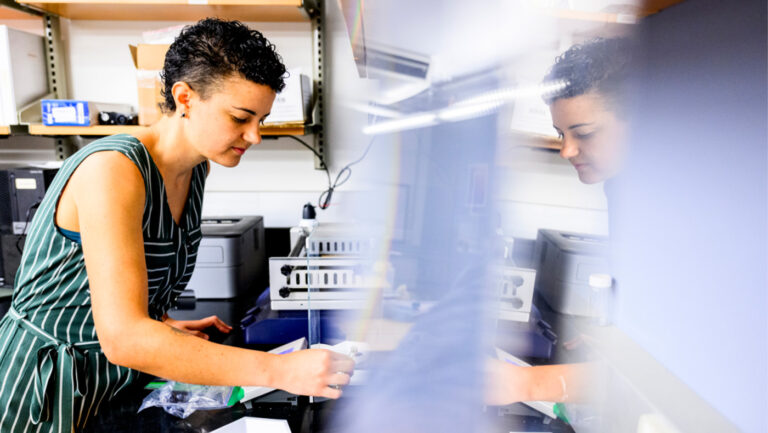
Northeastern research sheds light on low crop yields and their impact on small farms
In recently published research, Gabriela Garcia and her collaborators have developed a framework for how to understand alternate bearing.
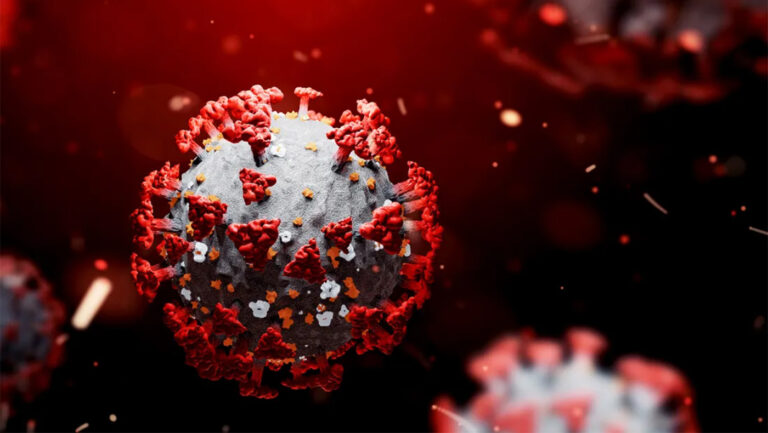
New insight into antibody shows how it could offer sweeping protection against evolving SARS-CoV-2 virus
The results suggest that the neutralizing antibody could hold the key to manufacturing a vaccine that protects against a rapidly evolving virus.
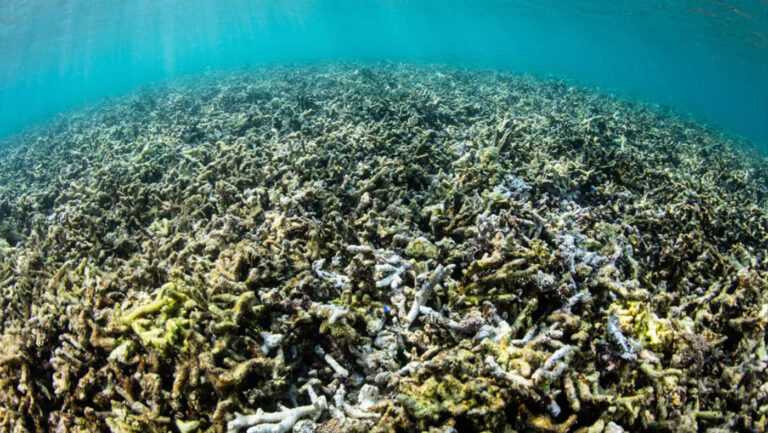
They’re living boulders on the ocean floor. Northeastern research explains the mysterious corallith
Mark Patterson, a professor at Northeastern University's Marine Science Center, studied hundreds of coralliths off the coast of the Florida Keys.
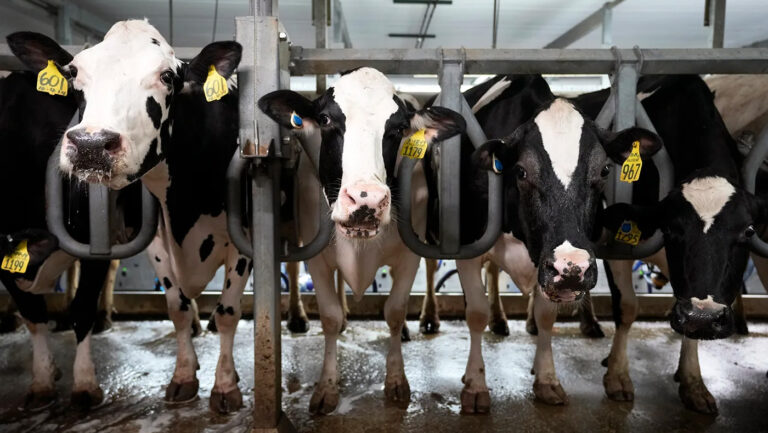
How Northeastern researchers are helping predict the outbreak of bird flu on US dairy farms
Bird flu has been detected in 169 livestock herds on dairy farms in 13 states. Northeastern researchers are creating a “risk map” of which farms might be next.

Galaxy clusters could be used as natural dark matter colliders to understand nature of invisible particles
Observing groups of galaxies, where dark matter naturally collides, could help scientists pinpoint what kind of particle makes up dark matter, a Northeastern University paper finds.