COS News
News

A new report from a group of Northeastern researchers explores across disciplines how biotech can ensure safe, sustainable life beyond Earth.
The key to international space cooperation is developments in biotechnology, Northeastern researchers say
News

The NeuroPRISM lab, led by assistant psychology professor Stephanie Noble, makes tools that pave the way for reliable and reproducible neuroimaging of the brain.
Precise maps of the brain’s deepest corners are made possible through tools developed by these Northeastern researchers
Showing all results

‘To Benefit the Earth and Those Upon It.’ Announcing the 2020 Muckenhoupt Scholarship Winners.
Congratulations to Allison Noble and Haley Bayne, this year’s recipients of the Dr. Carl Muckenhoupt Scholarship!
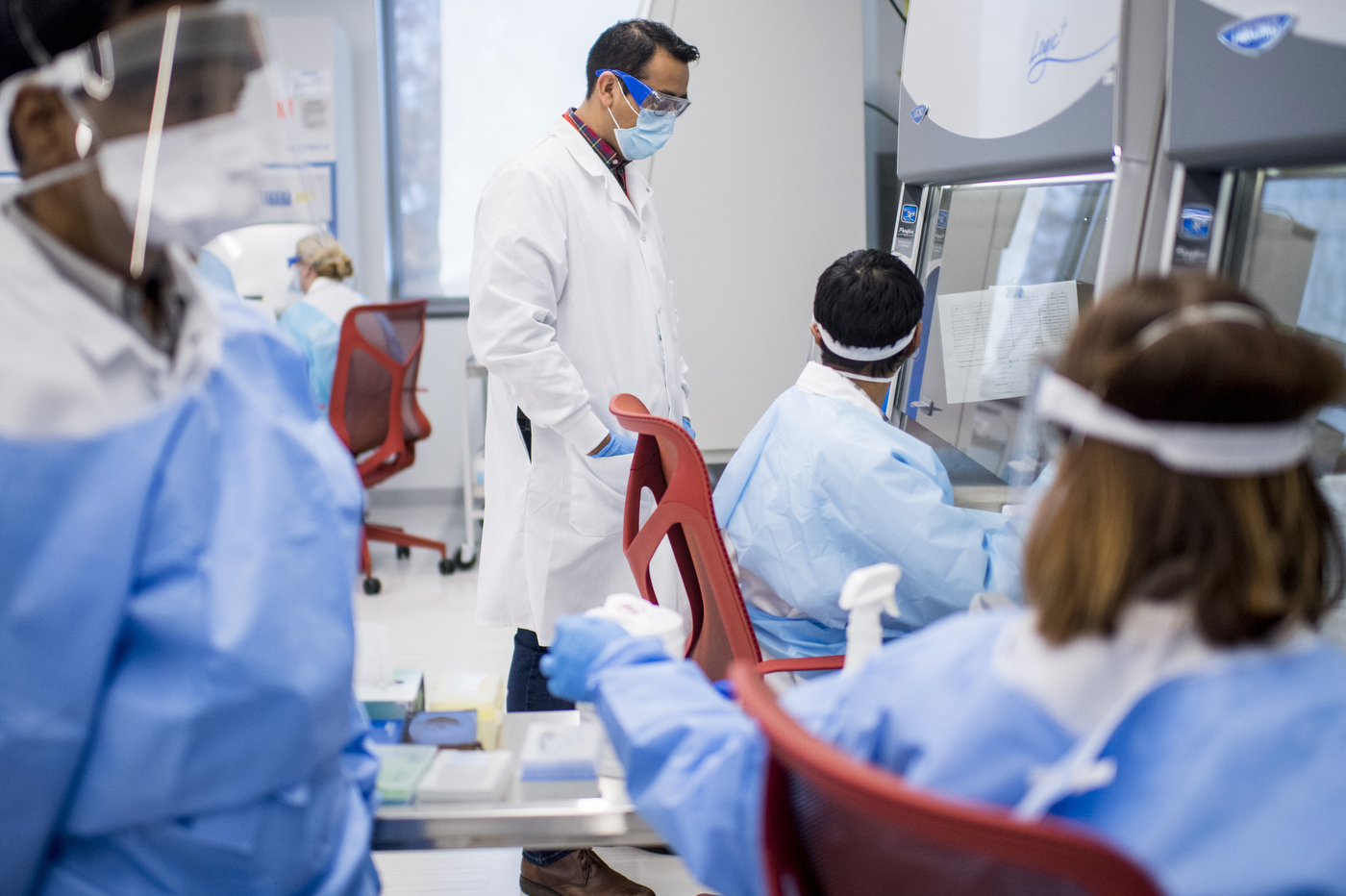
In the Trenches at Northeastern’s Coronavirus Testing Center by Day, Hitting the Books at Night
This grad student is part of the process keeping COVID tests- and northeastern- running smoothly. It's a lot to tack on when you're still a full time student.

The Best Leaf-peeping Spots in Boston? Start with Northeastern’s Campus Arboretum
Learn about what trees you can see in full autumn regalia right here on campus
Flu season is coming and COVID-19 is still here. Can disease forecasts tell them apart?
Flu season can be difficult for regular people, and those like Alessandro Vespignani who try to predict it. Adding in COVID could make it a nightmare.

The 2020 Linguistics Undergraduate Working Papers
The Linguistics Program announces the publication of the latest in their series of undergraduate working papers.
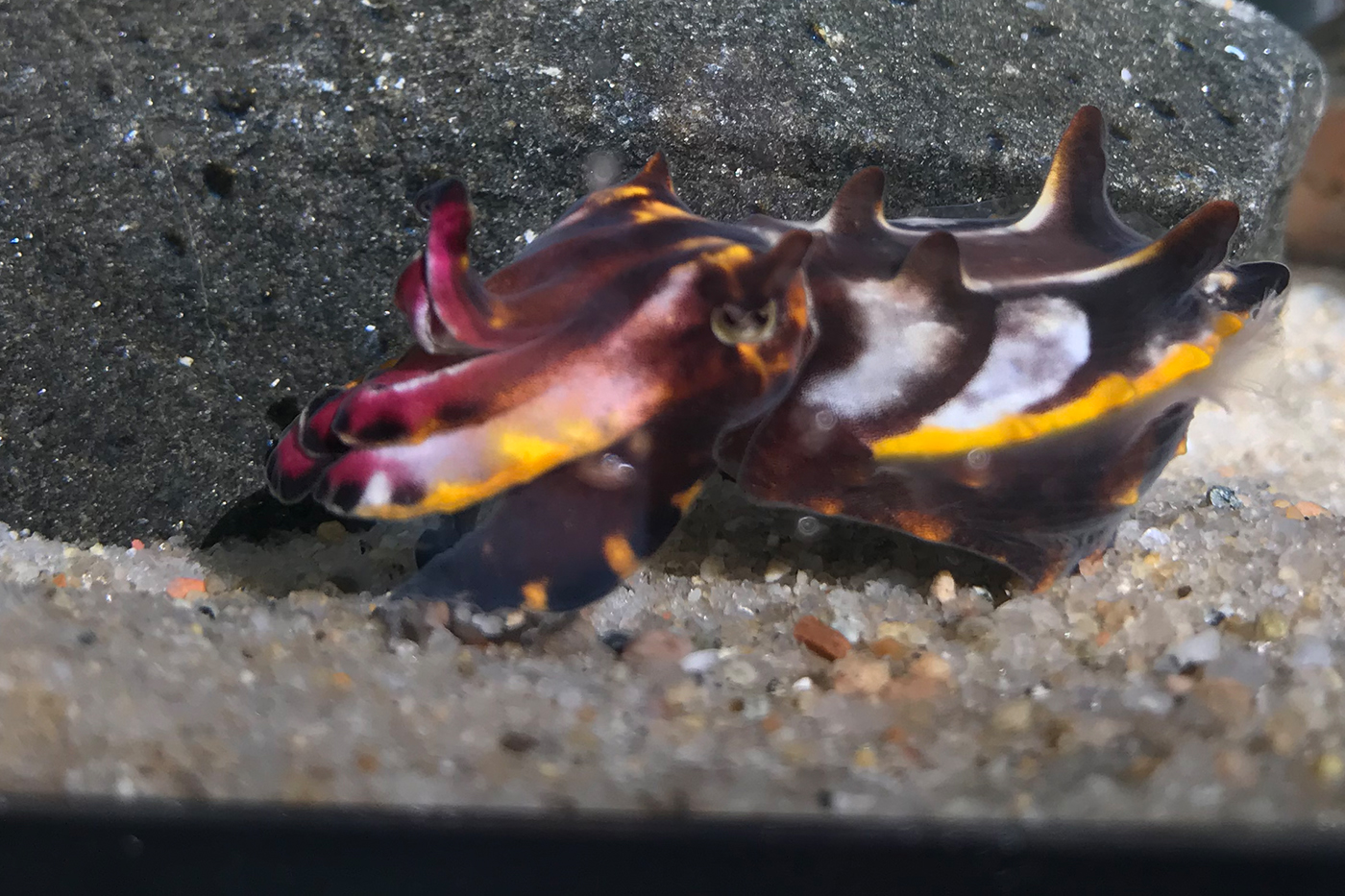
Co-op and COVID: Working at the Marine Biological Laboratory
A look at Fall 2020 Co-op Liana Greenberg-Nielsen experience working with cephalopods in Woods Hole.

COS Alumna Gave Northeastern Medical Supplies When It Mattered Most
Hear from Bihe "Momo" Wang, a COS alumna who made an tremendous PPE donation in the early stages of the COVID-19 pandemic.
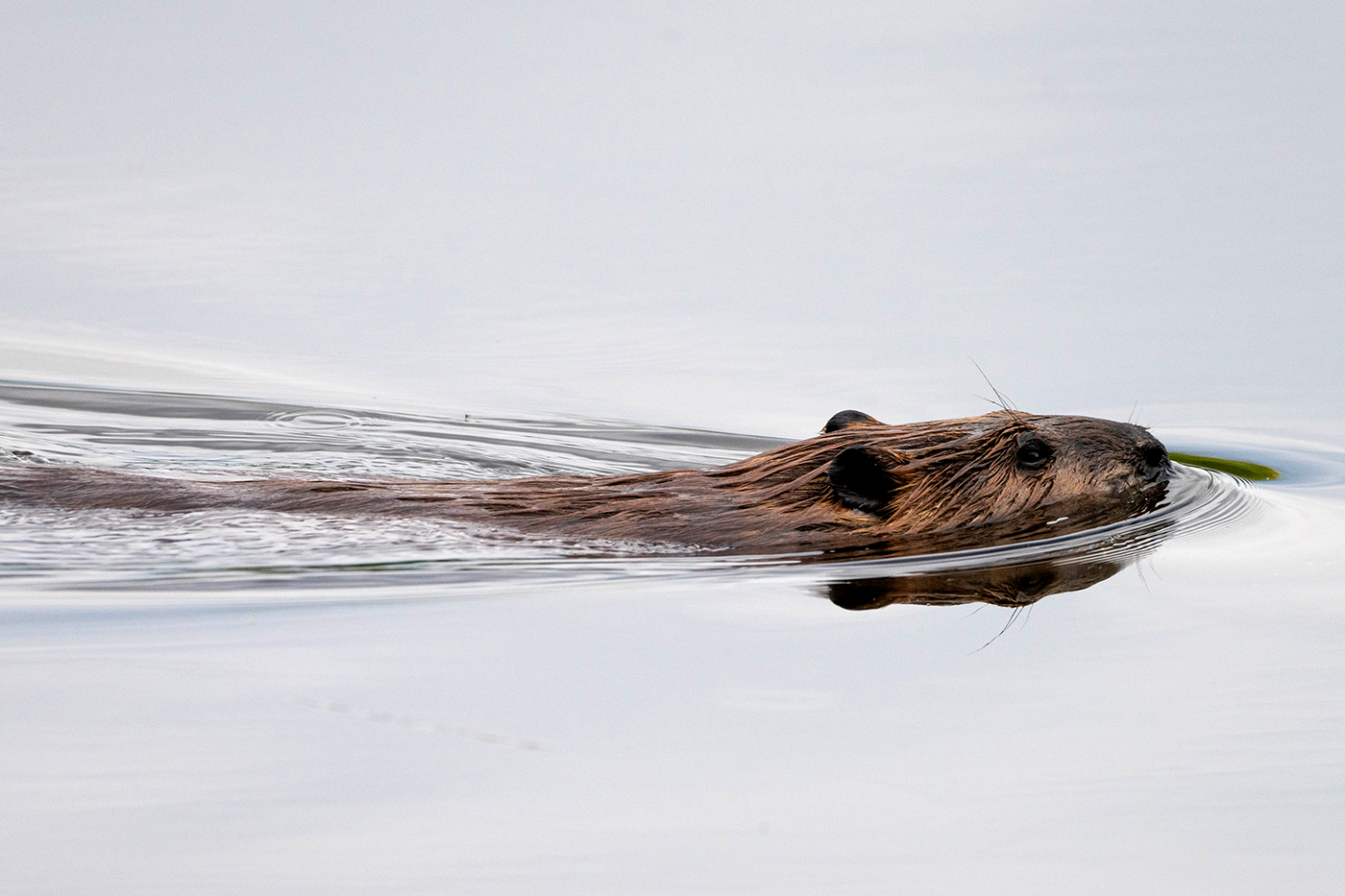
They’re Cute. They’re Furry. And They’re the Unsung Heroes of Wildfire Protection Efforts.
Professor Benjamin Dittbrenner researchers wetlands, and the important ecological roles they have. But one wetland animal in particular has caught his eye for the work its doing to engineer itself a home- and a healthier ecosystem.
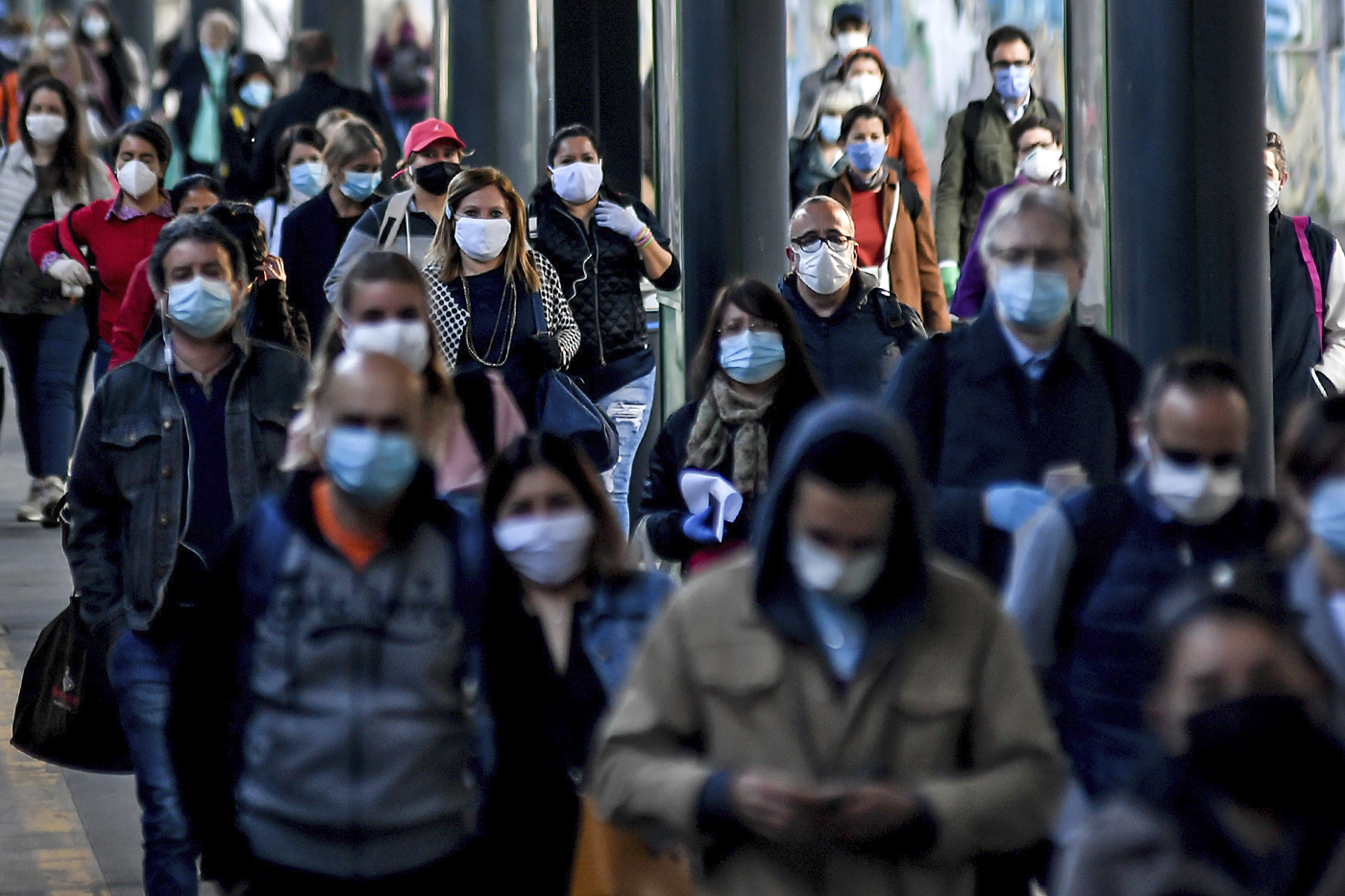
Why Does Covid-19 Hit Hard and Fast in Some Places, but Not Others?
Samuel Scarpino reveals important population density variables that change how fast COVID spreads.
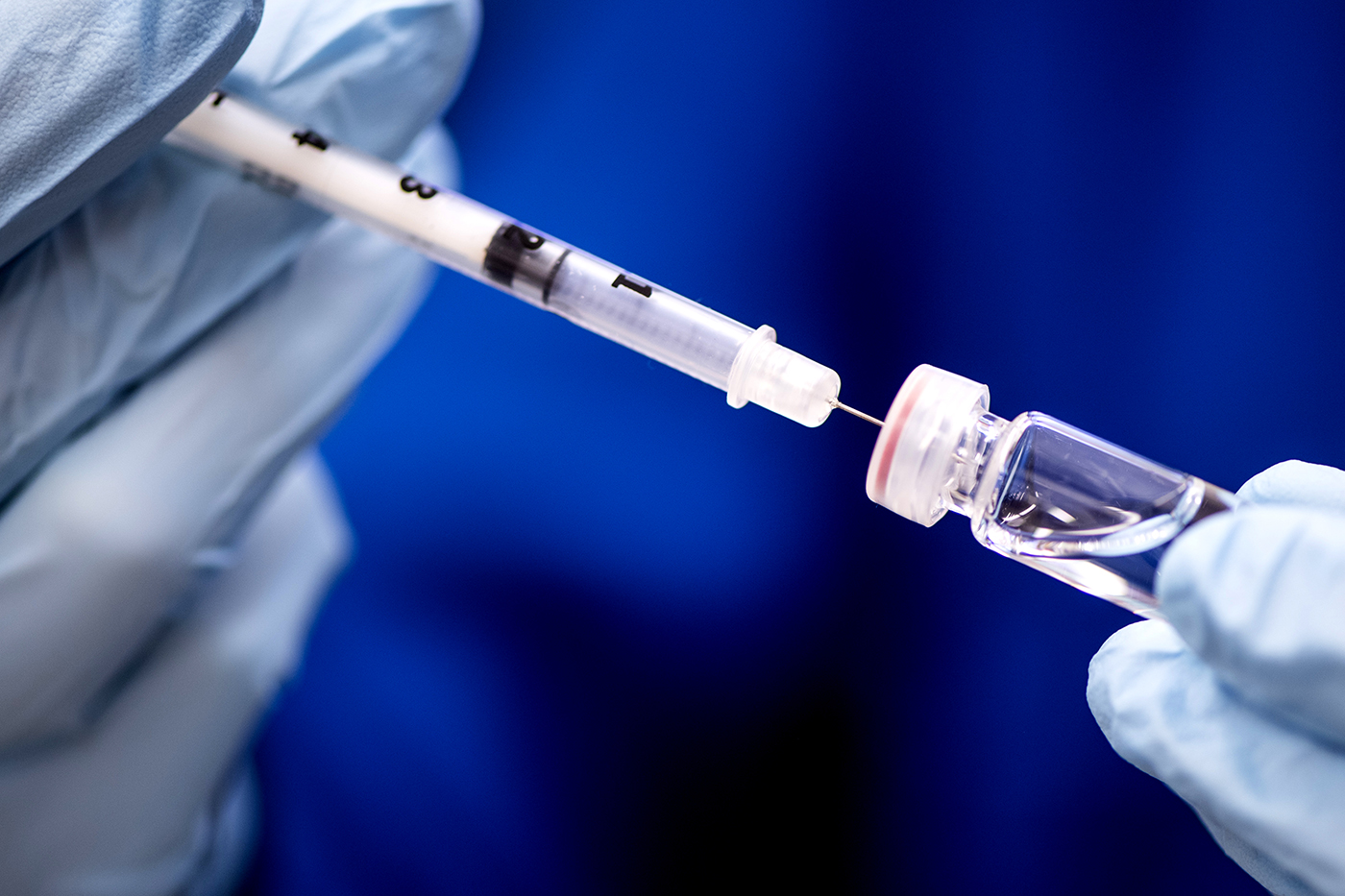
Here’s What It Takes to Test a Covid-19 Vaccine with Clinical Trials
People demand the rapid release of a COVID vaccine, but professor Mansoor Amiji breaks down the long process that is needed to ensure safety and effectiveness.
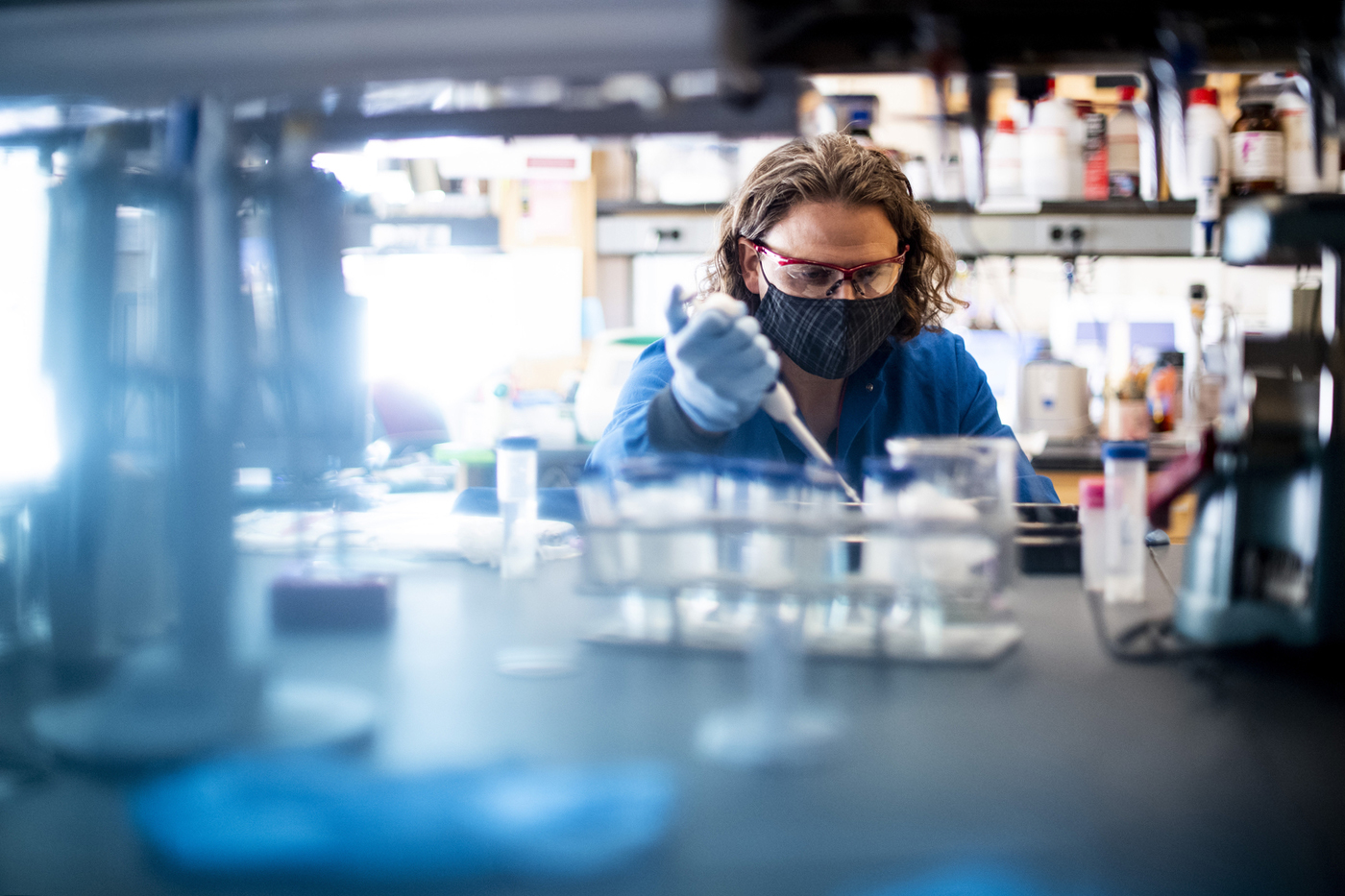
He’s Back in the Lab with His Salamanders
Working with axolotls, a regenerative Mexican salamander, has defined James Monaghan's adult life. But an international pandemic put a stop to his work.
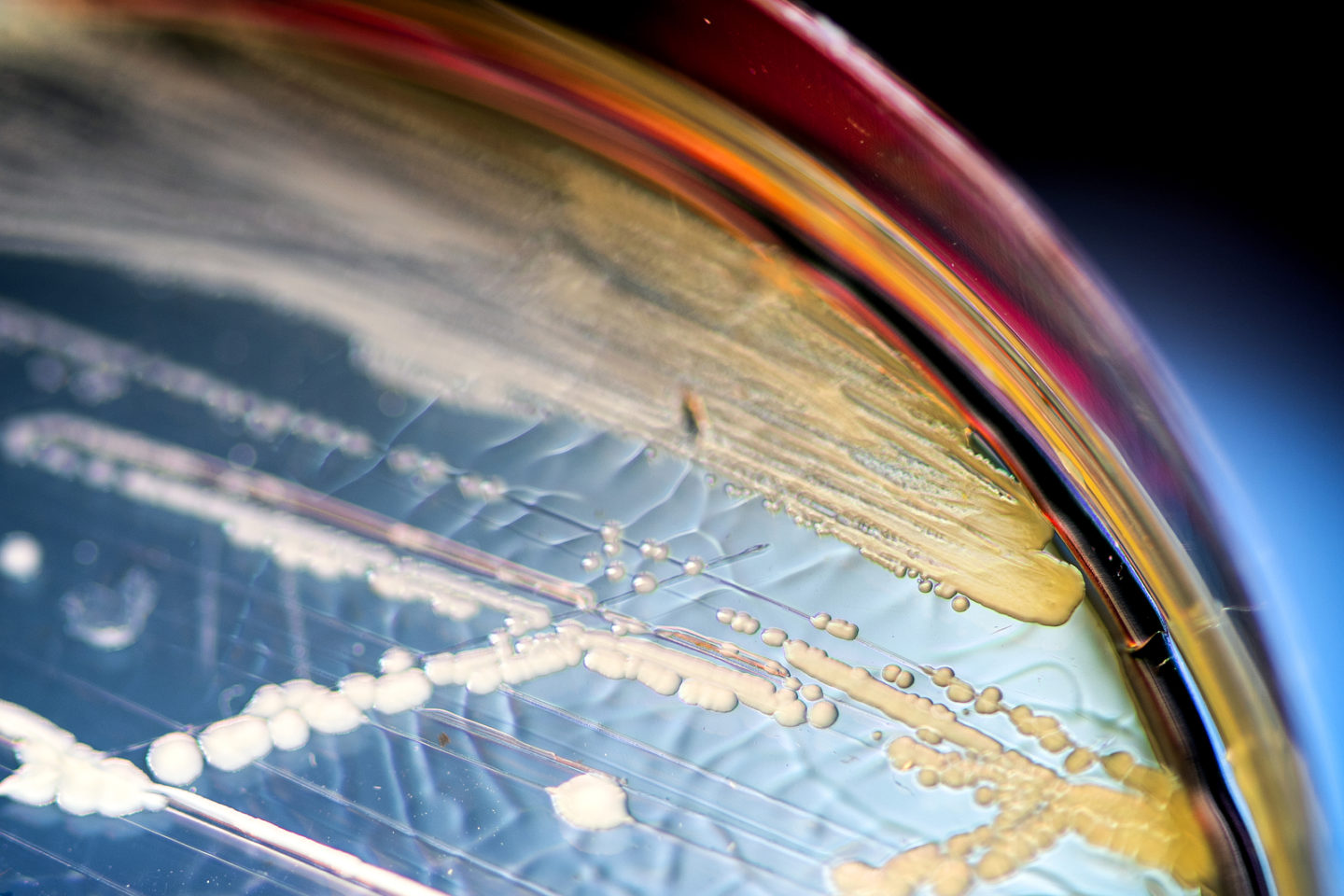
Intestinal Bacteria Could Give Doctors an Objective Test for Chronic Lyme Disease
Chronic Lyme disease is a relatively unknown to the general public, but horrific fact of life for many. A new way of identifying this mysterious syndrome doesn't involve any bulls-eye rashes, but your gut.