COS News
Research

“The basic premise is that AI can help us do better physics, and something that is less expected is that physics can also help us understand AI better,” said Northeastern professor James Halverson.
AI and physics have more in common than you might think.
News
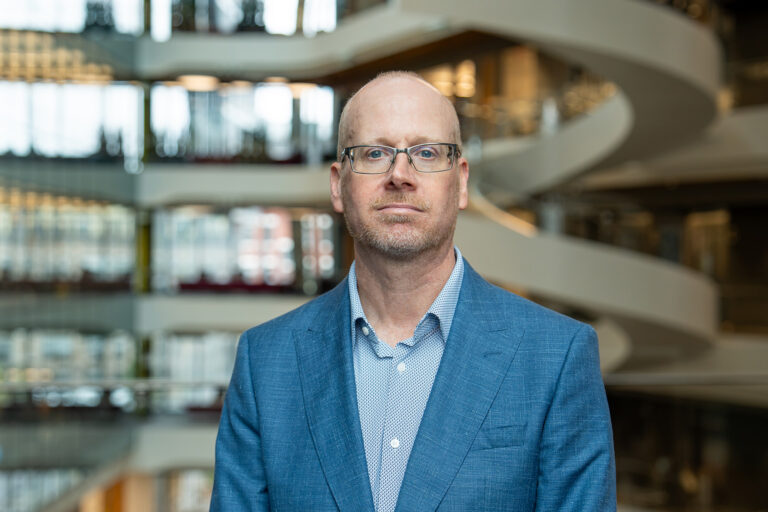
Mark Williams, Professor and Chair of the Department of Physics, will assume the role of Dean of the College of Science, effective July 1, 2026.
Mark C. Williams named Dean of the College of Science
Showing all results
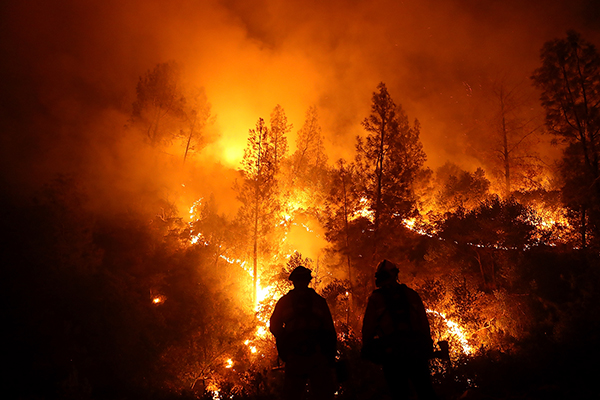
Is wildfire soot leaving a mark on the world’s oceans?
When clouds of smoke and ash billow out over the ocean, stretching away from the wildfires that are their source, they might not just affect the air quality. Rather, the wildfire soot could leave a chemical mark on the waters below. That’s the idea behind new research by Aron Stubbins, associate professor of marine and...
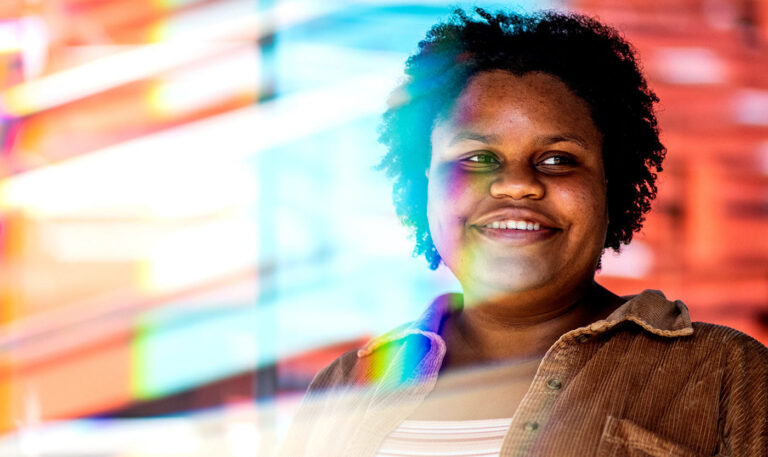
You’re with us! Disability mentoring co-op expands inclusivity
Aliyah Jackson, second-year psychology student opens up about her co-op experience at You're With Us!, and the valuable lessons it taught her.

Why a groundbreaking brain simulation machine promises new health insights
A group of researchers including psychology professor, Susan Whitfield-Gabrieli, receive NSF grant to acquire a machine capable of delivering transcranial magnetic stimulation (TMS).

Meet our new COS faculty: Hannah Sayre
Hannah Sayre joins the Northeastern COS faculty Chemistry department with a joint appointment in the College of Engineering.
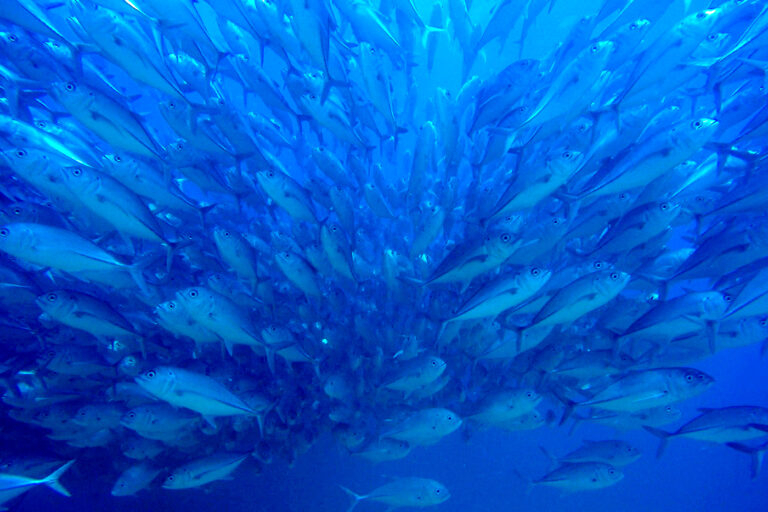
To safeguard key coastal ecosystems, this scientist starts by talking to the local anglers
Marine and Environmental Sciences Professor, Steven Scyphers, works with anglers to take comprehensive look yet at greater amberjack populations.
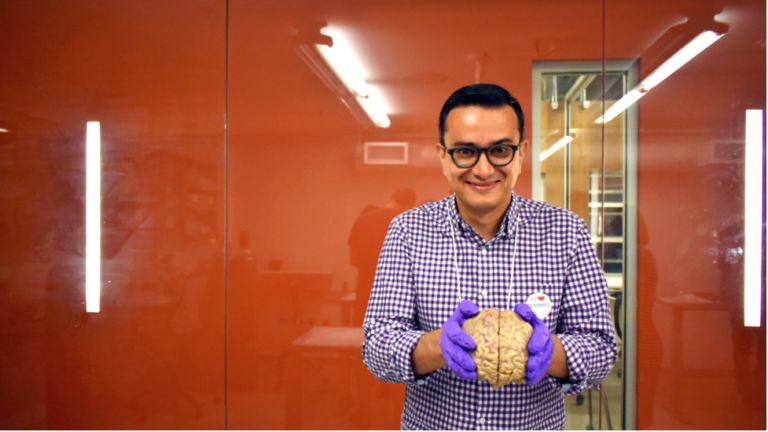
Meet our new COS Faculty: Jorge Morales
This fall, Jorge Morales, PhD, joins the psychology department at the College of Science as an assistant professor. He will also hold a secondary appointment in the Department of Philosophy at the College of Social Sciences and Humanities. Morales is currently completing post-doc work at Johns Hopkins University and starting his interdisciplinary lab at Northeastern....

Northeastern doctoral students graduate amid Covid-19 and ‘unprecedented’ political polarization.
Doctoral candidates completed their graduate studies during a period of unprecedented disruption and political polarization—a fact that was front and center during Thursday’s hooding ceremony. The graduation ceremonies inside Matthews Arena began with doctoral candidates processing side-by-side into the arena wearing the customary academic garb. They were members of the classes of 2019, 2020, and...

Using this billion-dollar laser, physicists hope to probe the quantum world for new discoveries
Say you’re an aspiring physicist, probing the quantum world to gain insight into the fundamental nature of reality. There are two ways to go about your scientific odyssey, but both involve very expensive machinery. One way is to smash a bunch of atoms together, revealing their subatomic guts; another is to toss them under a...
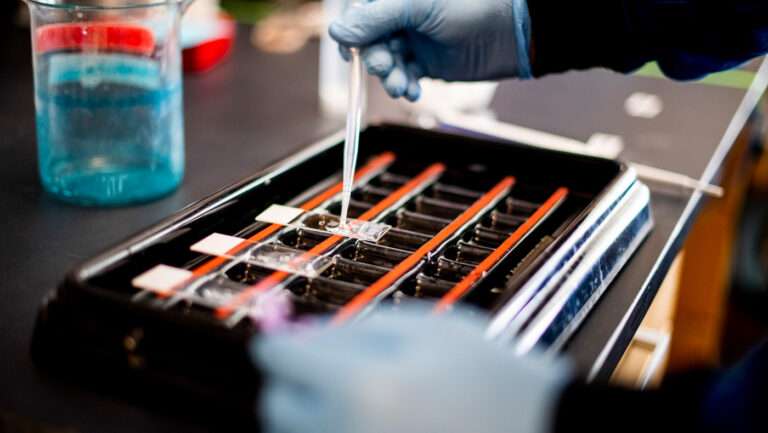
Emma Robinson’s co-op experience at Harvard Medical School leads her to pursue a PhD.
Cell and molecular biology student, Emma Robinson completed her two co-ops at Harvard Medical School's Datta Lab, which prompted her to pursue a PhD in neuroscience.
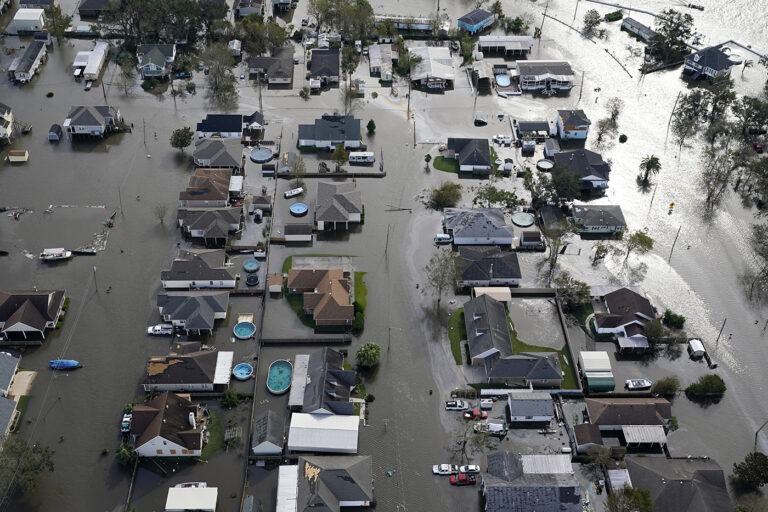
How data from Hurricane Ida can help bolster levees, power infrastructure.
Qin Jim Chen, professor of civil and environmental engineering, collects data from Hurricane Ida to save lives and help prevent flooding.
This mysterious on-off switch holds clues to new cancer treatments
Within each of our cells, there’s an on-off switch that controls when cells divide and reproduce. The metaphorical finger that flips this switch is a protein called RAS. Under normal circumstances, RAS switches on to help our bodies repair wounds or replenish cells, to name a few of its functions. But sometimes, the switch gets...

Campus infused with new energy as students move into dorms for the fall
Northeastern campus fills up as new students move in to their future homes.