COS News
News

A new report from a group of Northeastern researchers explores across disciplines how biotech can ensure safe, sustainable life beyond Earth.
The key to international space cooperation is developments in biotechnology, Northeastern researchers say
News

The NeuroPRISM lab, led by assistant psychology professor Stephanie Noble, makes tools that pave the way for reliable and reproducible neuroimaging of the brain.
Precise maps of the brain’s deepest corners are made possible through tools developed by these Northeastern researchers
Showing 61 results in Marine Science Center
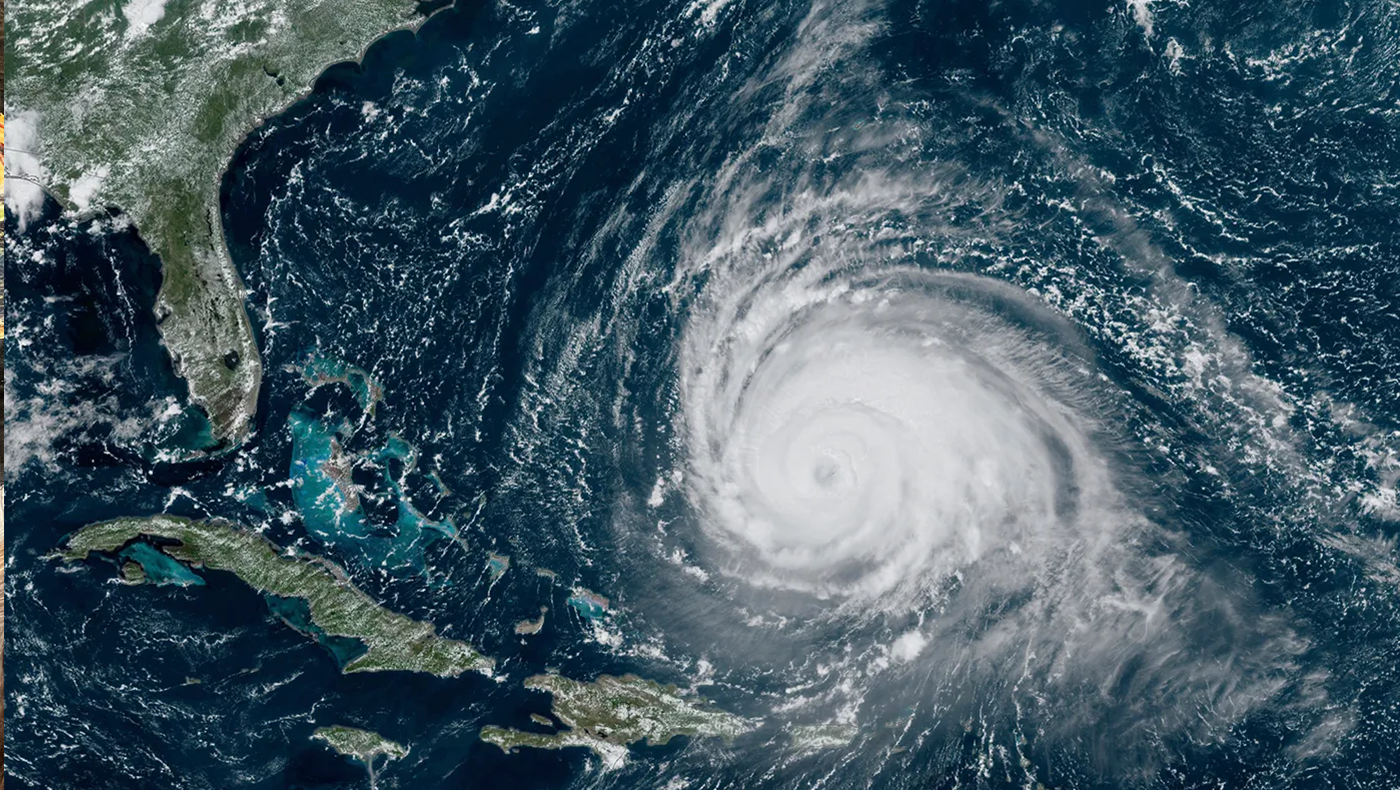
As Hurricane Lee approaches, ocean sensors deployed by Northeastern researchers will study wave and storm surge
A hurricane is coming. Northeastern researchers with the Department of Civil and Environmental Engineering are preparing for the storm.
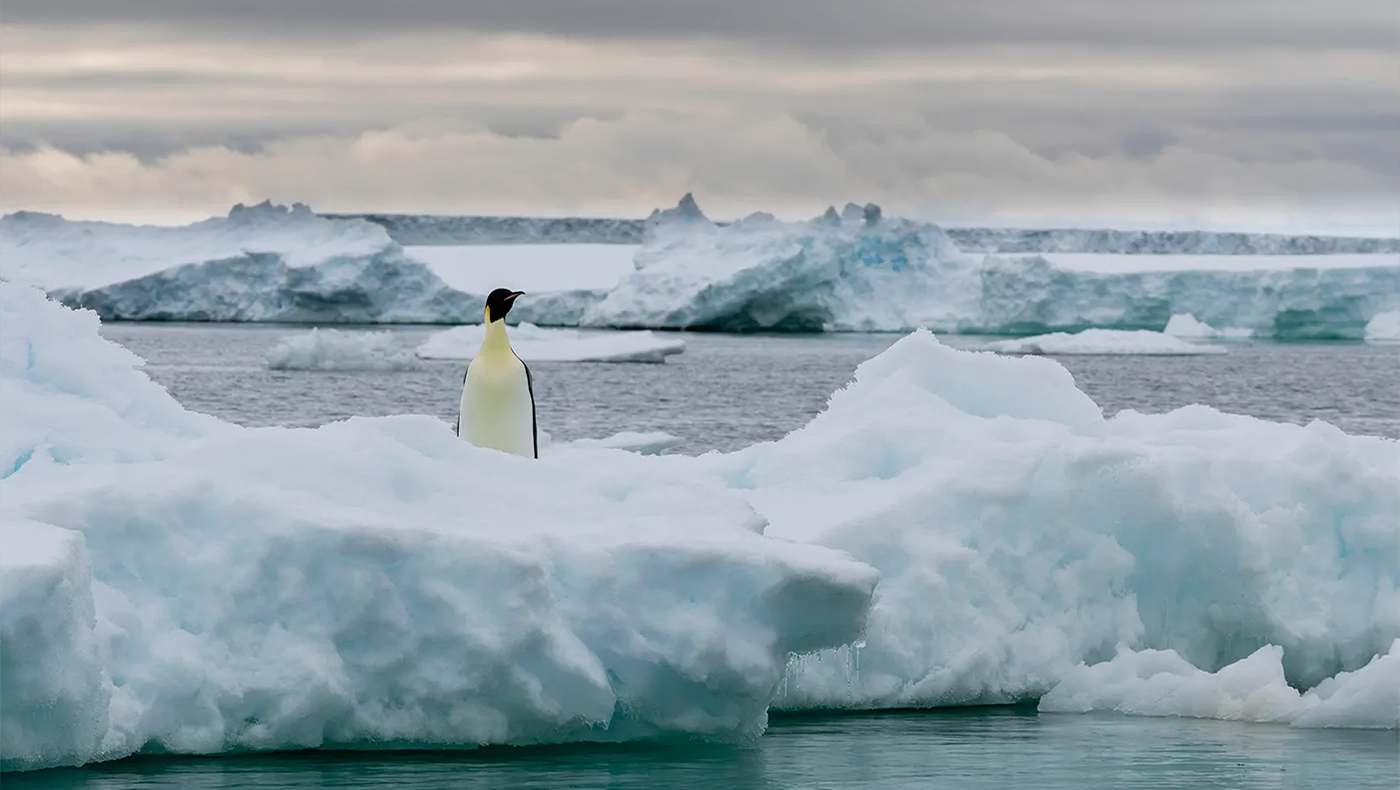
Emperor penguins are Antarctica’s most iconic bird. Are they on the verge of extinction?
Think of Antarctica and you probably conjure images of the emperor penguin.
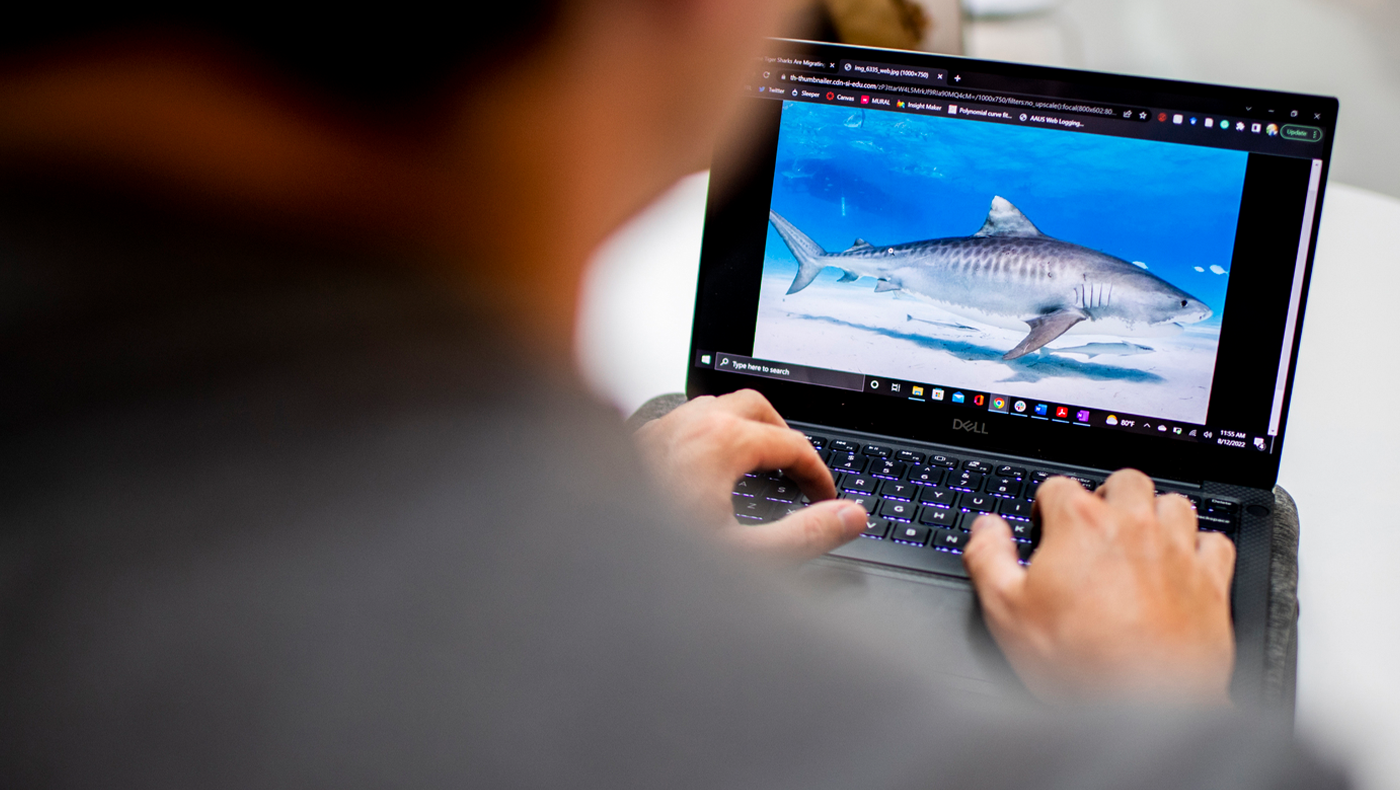
Evan Prasky Debunks the Jaws-ome Myths: Separating Fact from Fiction on Shark Week
Evan Prasky is a marine and environmental sciences graduate student at Northeastern University. He studies the socio-ecological interactions between sharks in humans. His expertise is in shark depredation and how it affects the shark populations in the Gulf of Mexico. For shark week, we asked Evan to shed some light on some common beliefs about […]
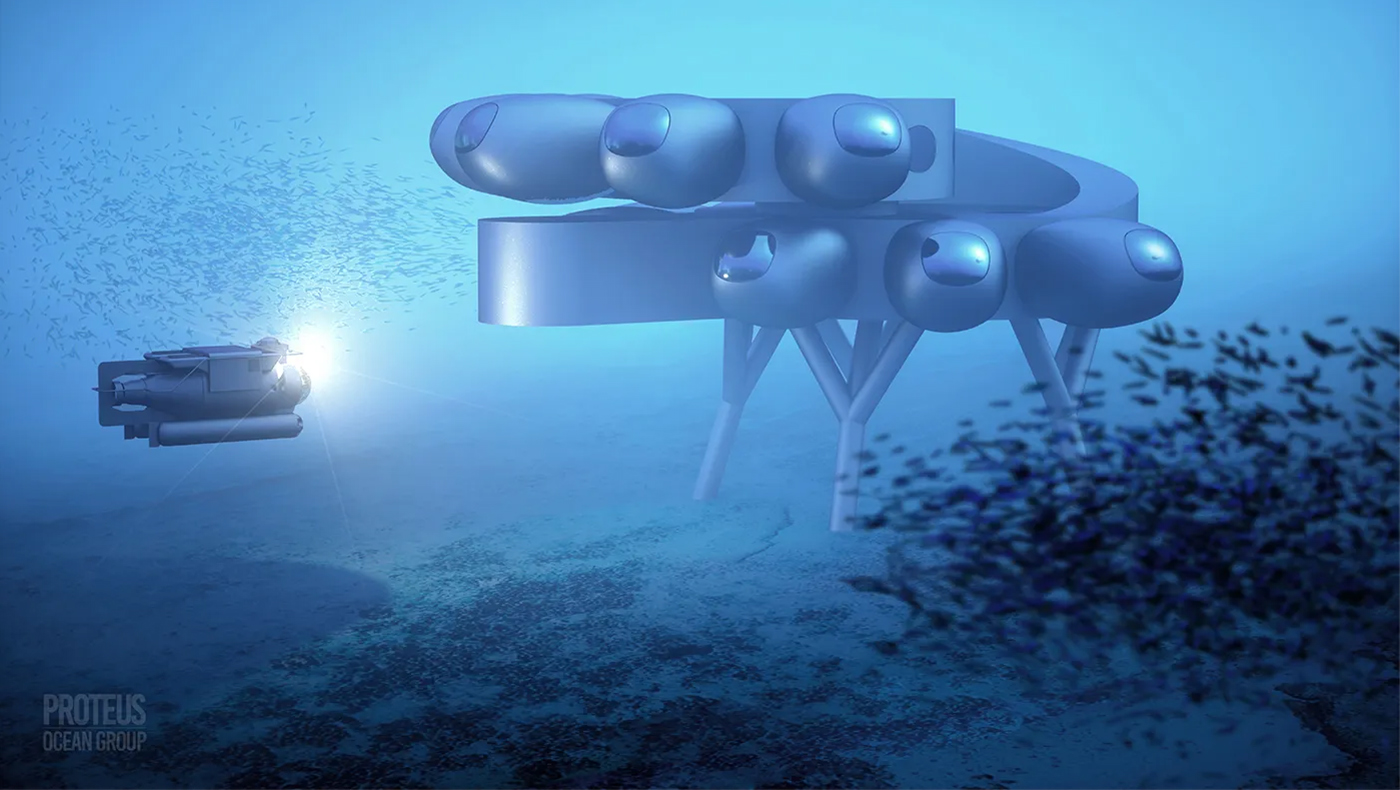
Coming soon: A co-op experience living under the ocean
Imagine a co-op experience in which Northeastern University students live for weeks at a time in the world’s largest undersea science station, venturing into the surrounding Caribbean waters on daily scuba dives.
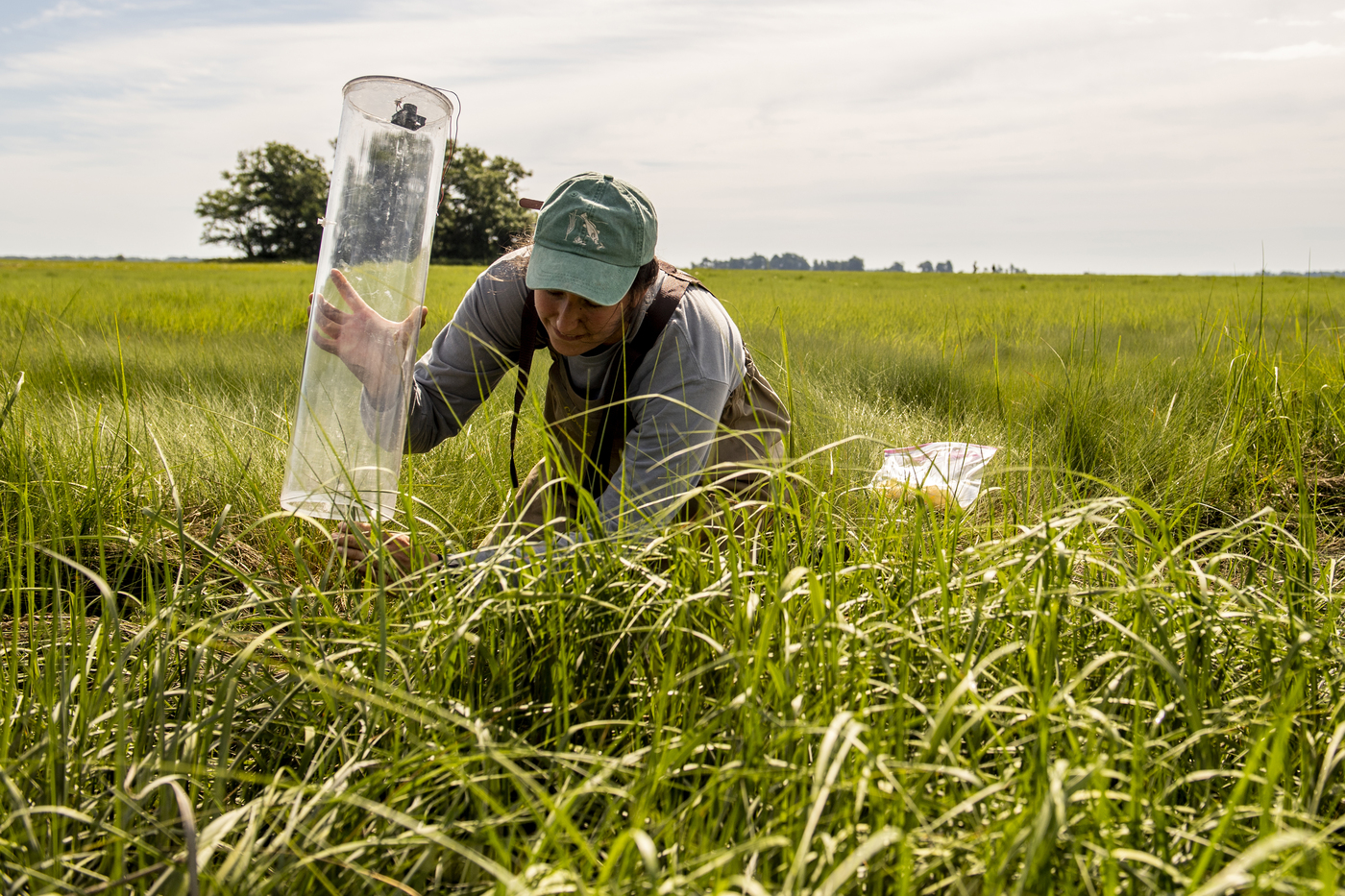
Building a more Environmentally Conscious Community
Earth Day, celebrated on April 22nd, is dedicated to sharing resources and information to promote environmental awareness.
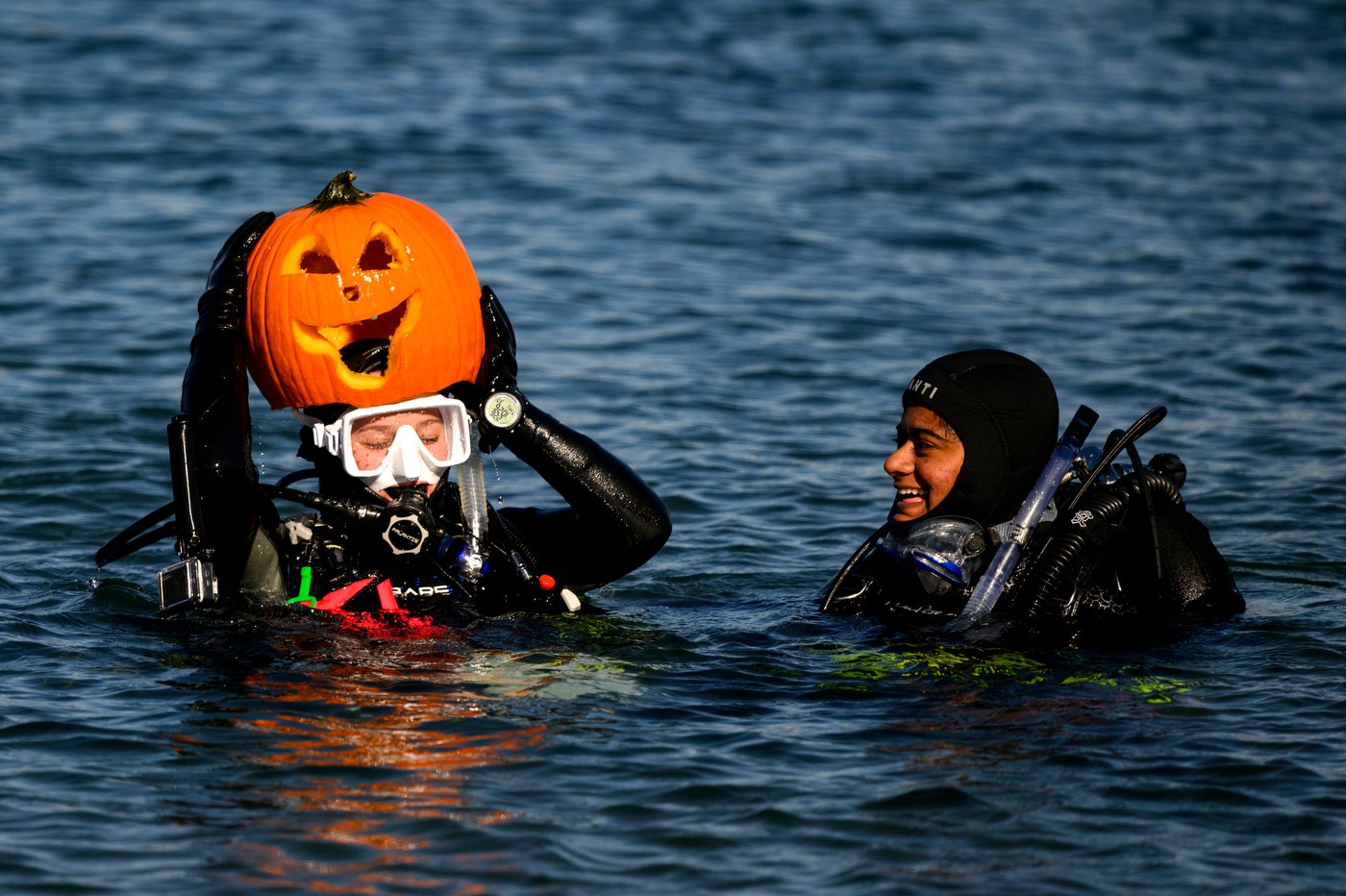
Northeastern marine science students bring Halloween spirit to the bottom of the Atlantic Ocean
Students participate in the Underwater pumpkin carving contests that have been happening among participants of the Three Seas Program. This tradition was established about three decades ago.
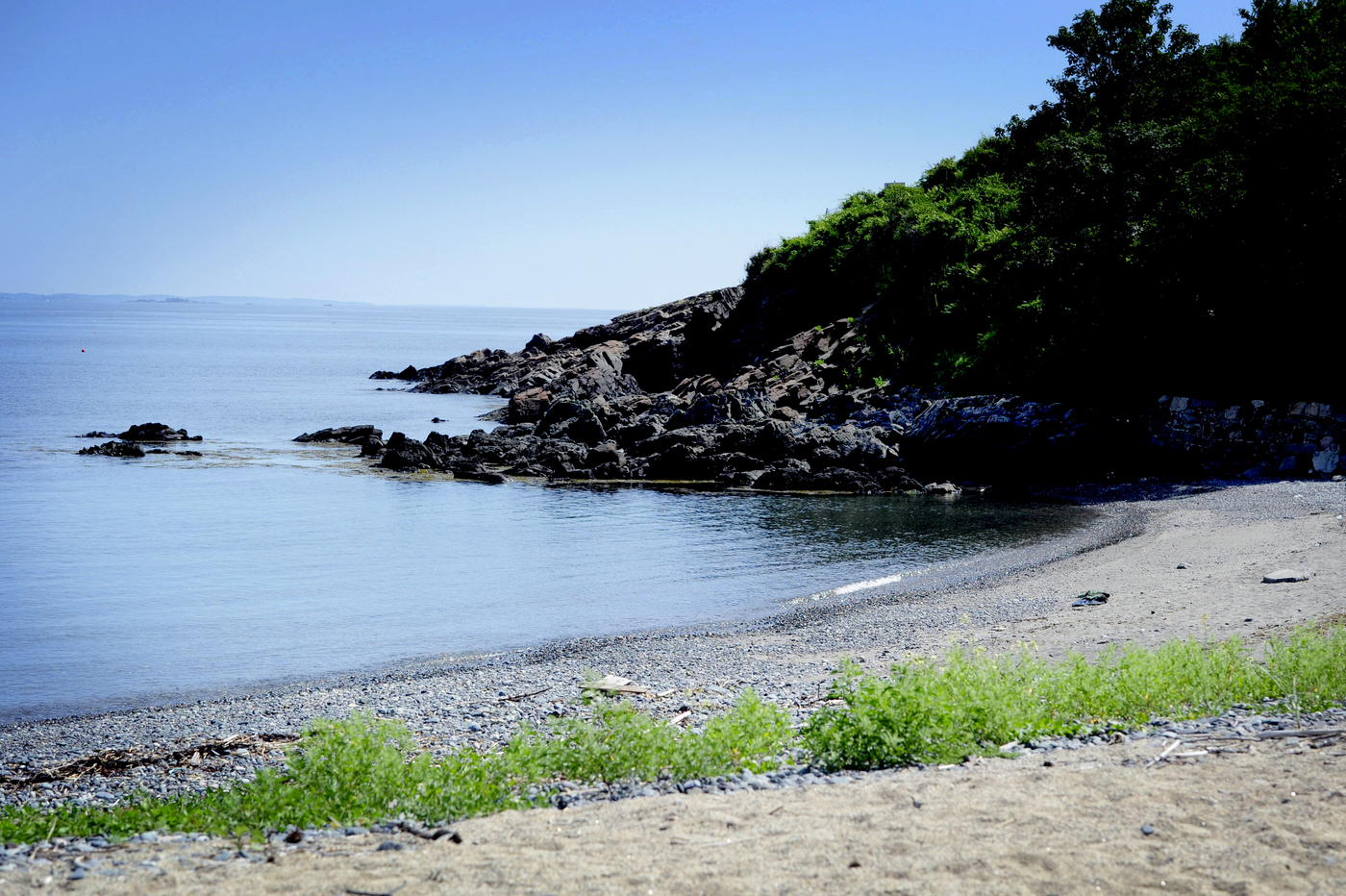
Instagram takeover: Ocean Genome Legacy Center
Kira Becker and Lee Fenuccio recently completed a co-op at the Ocean Genome Legacy Center (OGL). They are taking over our Instagram the week of June 27 to reflect on their experience. Follow along!
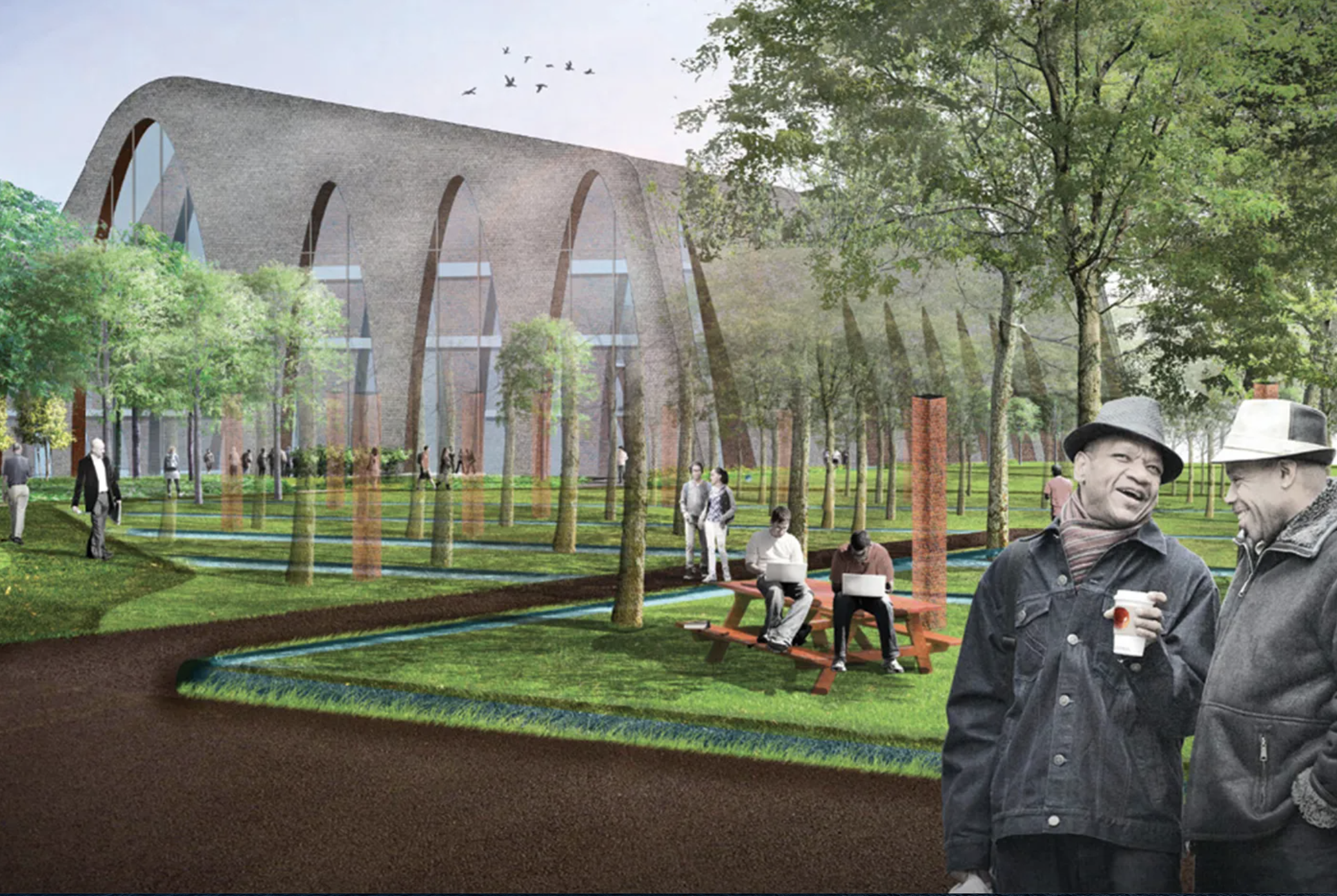
How architects can make buildings ‘aware’ and benefit the local environment
Amy Mueller, Moira Zellner, and Daniel O’Brien propose a new process for architectural development that incorporates localized information about how a project will transform its surroundings, taken from a system of sensors and revising the role of community input in development projects.
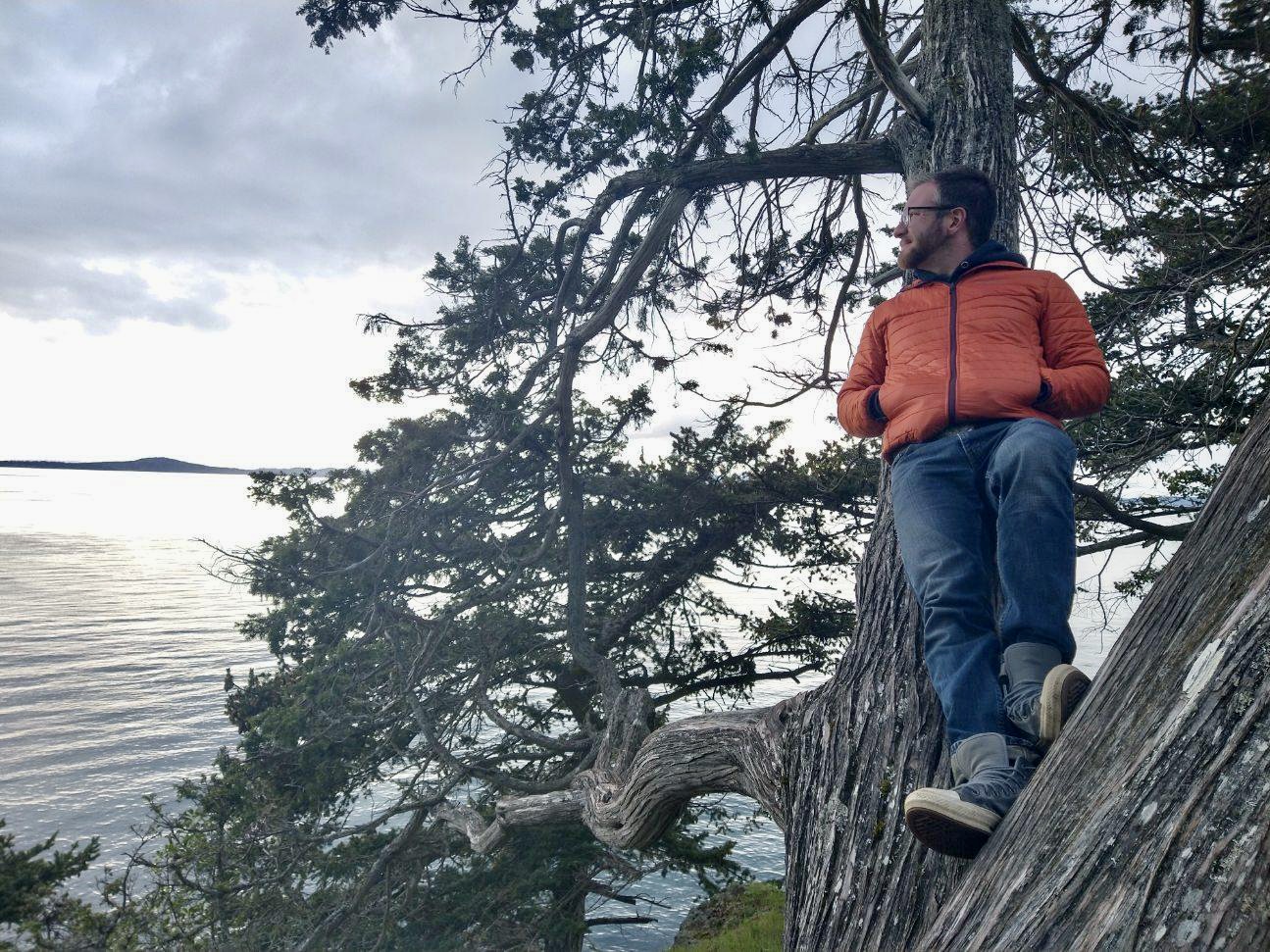
A day in the Three Seas Program with Fritz McGirr
Fritz McGirr will be taking over our Instagram account on April 22 to share his experience in the College of Science Three Seas Program. Follow along for an inside look at his time in Washington!
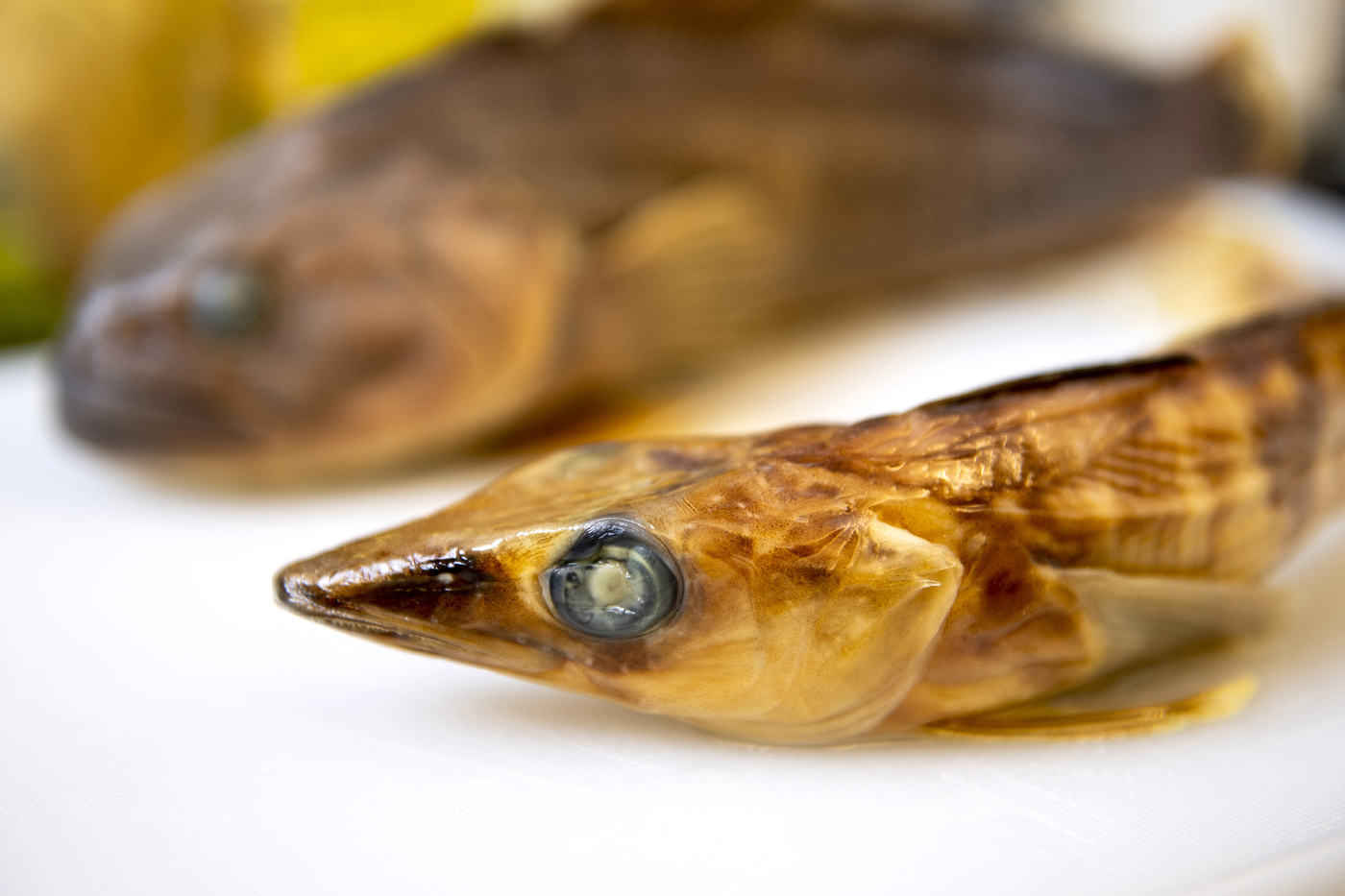
What happens to decades of deep-sea specimens when a scientist retires? They might not end up in the trash–anymore.
Over the course of their careers, scientists can amass a lot of valuable specimens. But when they retire, where does their collection go?
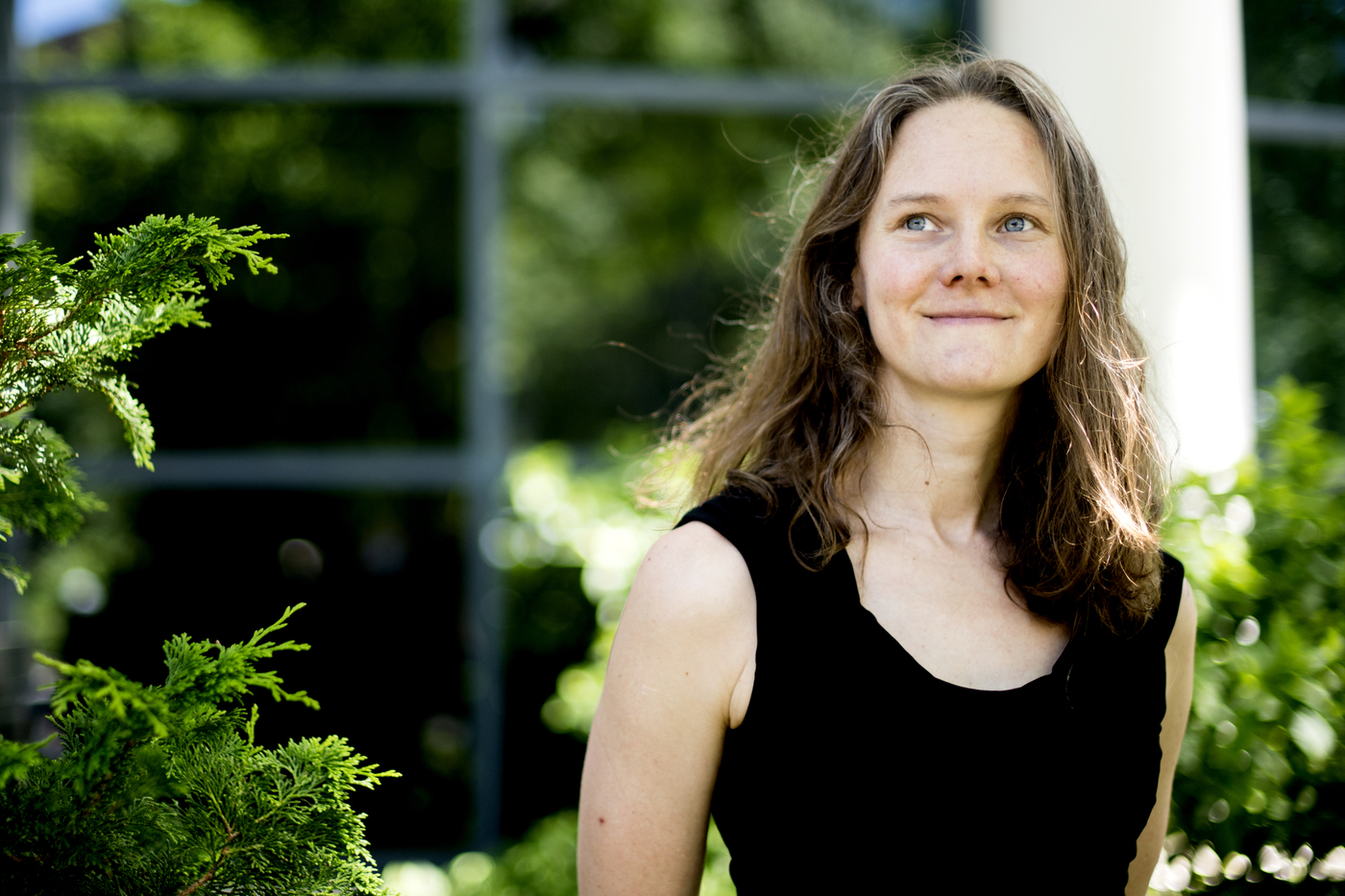
What’s in our water? Amy Mueller is finding new tools to answer that question.
Amy Mueller, Assistant Professor in Marine and Environmental Sciences and Civil and Environmental Engineering, has been awarded a $50,000 seed grant to investigate a new, ultra-low-cost method of monitoring urban water systems
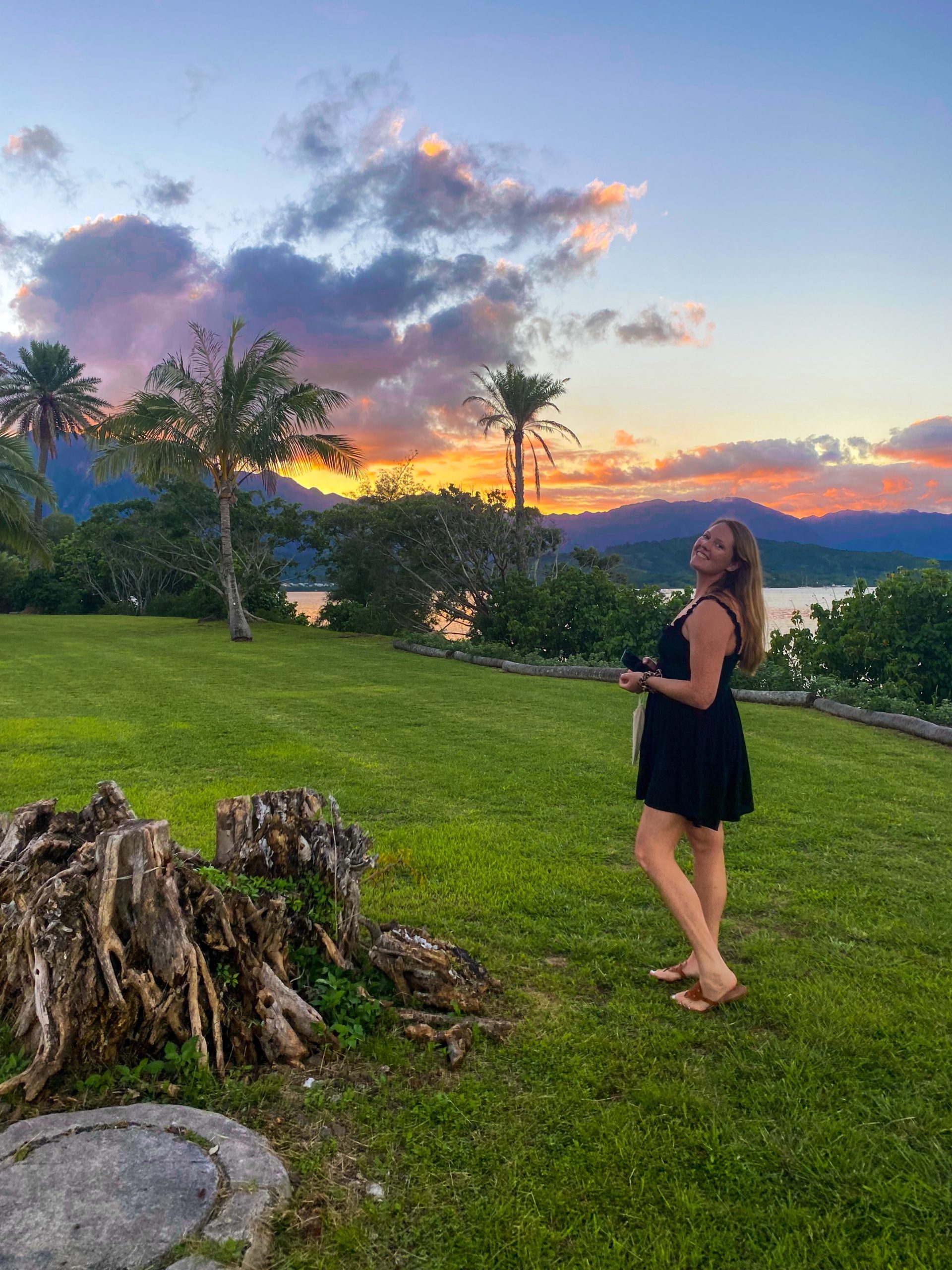
A day in the Three Seas Program with Loren Ayres
Loren Ayres will be taking over our Instagram account on Wednesday, March 2, to share her experience in the College of Science Three Seas Program. Follow along for an inside look at her time in Hawaii!