COS News
News

A new report from a group of Northeastern researchers explores across disciplines how biotech can ensure safe, sustainable life beyond Earth.
The key to international space cooperation is developments in biotechnology, Northeastern researchers say
News

The NeuroPRISM lab, led by assistant psychology professor Stephanie Noble, makes tools that pave the way for reliable and reproducible neuroimaging of the brain.
Precise maps of the brain’s deepest corners are made possible through tools developed by these Northeastern researchers
Showing all results

Soccer passing is harder, shorter and sharper across pro leagues, new research finds
Assistant teaching professors Brennan Klein's new research group, NetSi Sport, released research analyzing how professional soccer gameplay has evolved over the last five years.
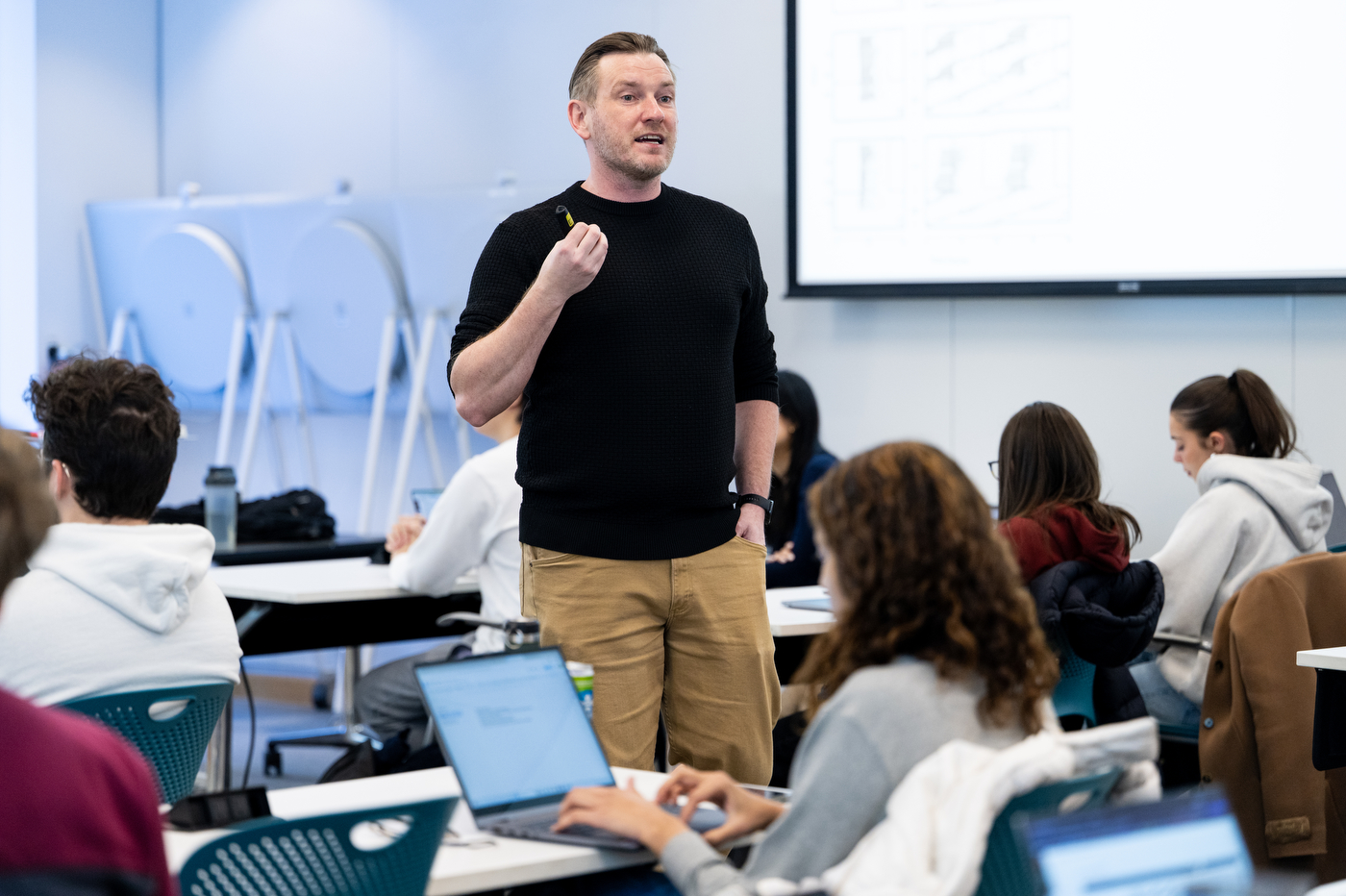
This class at Northeastern guides students through the mystery of the circadian rhythm
Associate teaching professor Matthias Schlichting invites upper-level students to investigate a biological mystery: How does the circadian rhythm function?

Ashwagandha is having a moment. These researchers opened the door to more life-altering benefits
Ashwagandha, a popular supplement, is known for its effect on stress and sleep. Professor Jing-Ke Weng recreated its compounds in yeast, making a potential factory for its many benefits.

How living and working under the sea fills aquanauts with wonder and awe. The phenomenon is called the “underview effect.”
Professor Brian Helmuth studies how living underwater can create a mind-blowing effect similar to what astronauts experience in space.
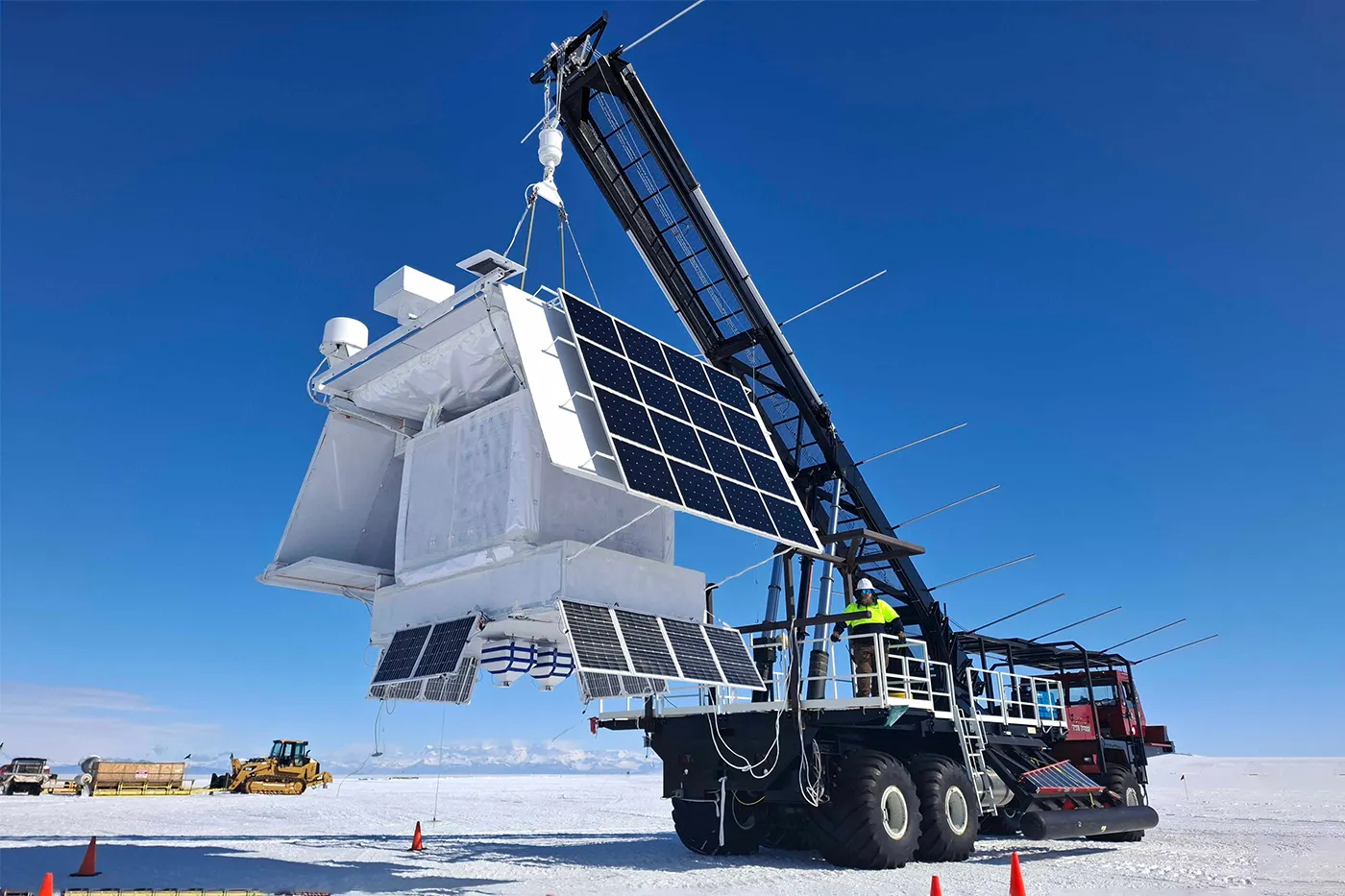
These researchers flew a particle detector above Antarctica, hoping to find evidence of mysterious matter
Assistant Professor Tsuguo Aramaki has spent 20 years developing a weather balloon-borne particle detector to record indirect traces of dark matter. It recently launched in Antarctica.
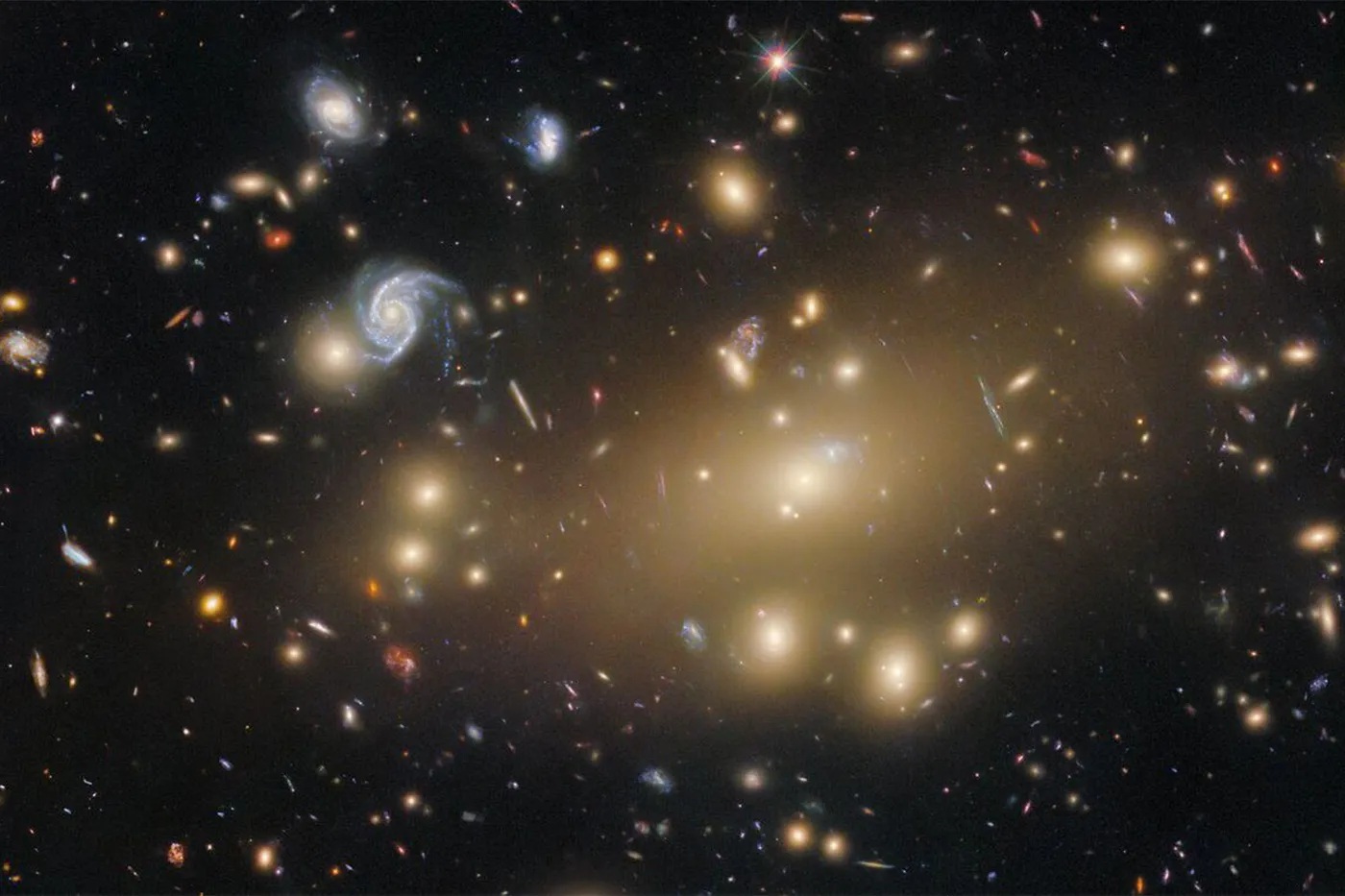
A ‘stunning’ new map of dark matter reveals insights into this mystery of the universe
Using NASA’s James Webb Space Telescope, researchers including Professor Jacqueline McCleary, created the highest-resolution map yet of dark matter, the virtually invisible material that makes up about 80% of the universe’s matter.

What is dark energy? Scientists shine new light on outer space’s biggest, invisible question
The final results from the six-year Dark Energy Survey show there are still more questions than answers but will impact astrophysics for decades, Northeastern’s Jonathan Blazek said.
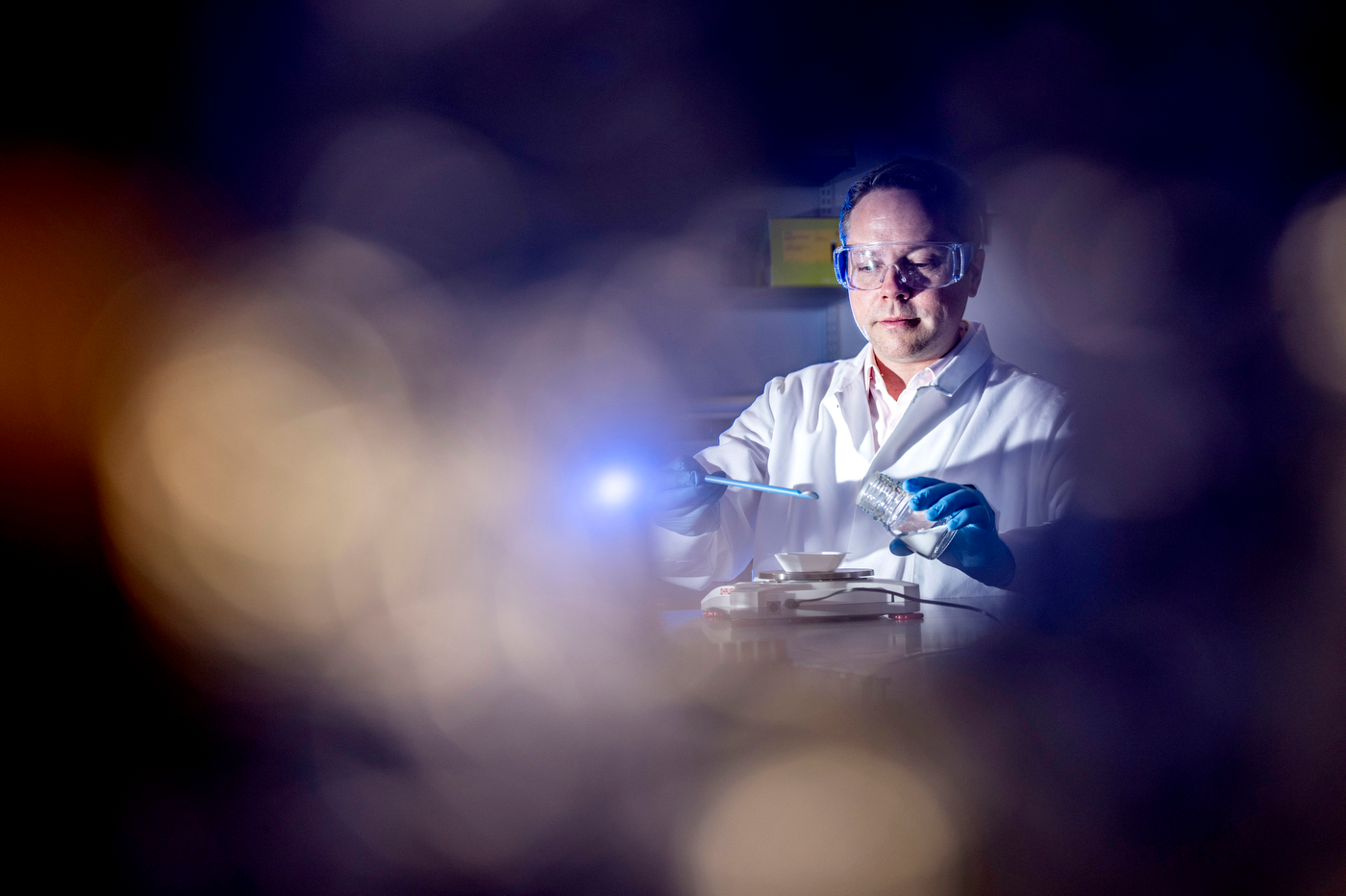
How Northeastern is helping expand the life sciences industry in Massachusetts
Professor Jared Auclair notes that Northeastern trains students for entry-level jobs through the Pathmaker program.
Mass Spectrometry Facility awarded grant to advance single-cell proteomics research
Northeastern University’s Mass Spectrometry Facility has been awarded a $2.2 million research infrastructure grant from the Massachusetts Life Sciences Center (MLSC) to build a cutting-edge core supporting single-cell proteomics research. The award, through the Center’s Research Infrastructure program, will establish a fully integrated pipeline that enables researchers to measure proteins at single-cell resolution, filling a […]
European Physical Society honors professor’s groundbreaking contributions to the physics of complex networks
Northeastern professor Alessandro Vespignani earns the European Physical Society’s top award for helping to lay the foundation for physics models of contagion.
In treating soccer like a language, these researchers can predict the next word
Brennan Klein, with the NetSI Sport research group, uses network science to treat sports and games like conversations.
The FDA unveils a new food pyramid that promotes red meat and protein
The new guidelines emphasize healthy fats and proteins while advising limits on saturated fats, plant biochemist and professor Jing-Ke Weng notes.