COS News
Research

“The basic premise is that AI can help us do better physics, and something that is less expected is that physics can also help us understand AI better,” said Northeastern professor James Halverson.
AI and physics have more in common than you might think.
News
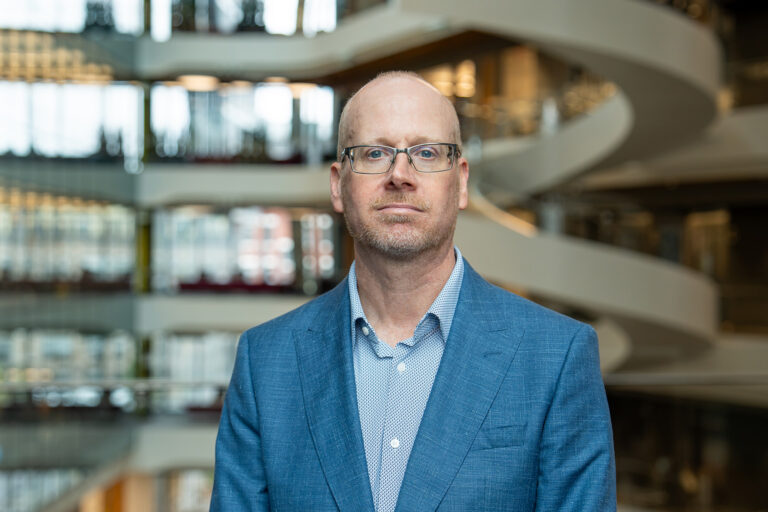
Mark Williams, Professor and Chair of the Department of Physics, will assume the role of Dean of the College of Science, effective July 1, 2026.
Mark C. Williams named Dean of the College of Science
Showing 251 results in Physics

Breakthrough in quantum sensing provides new material to make ‘qubits’
In recent research physics professor Arun Bansil has been tackling the topic of quantum bits in recent research, something that may be the key to "unleashing the potential of the quantum revolution."
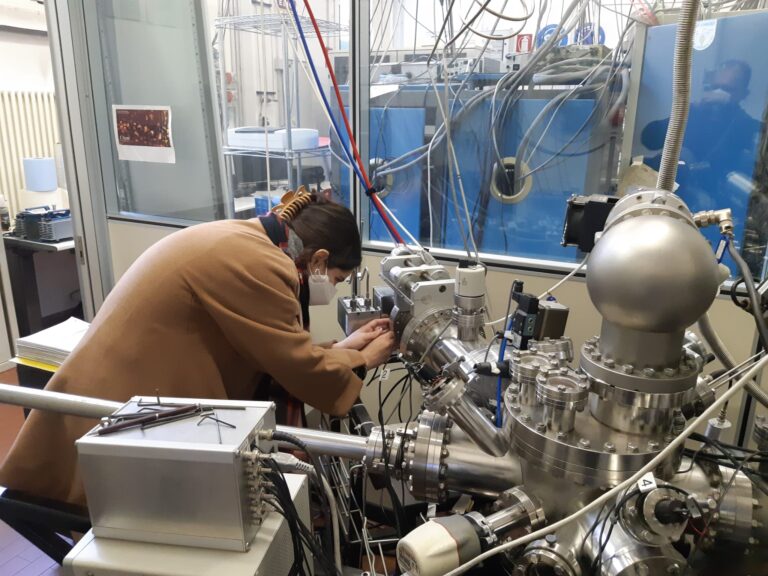
Instagram takeover: Anika Padin
Anika Padin, S’23, is taking over our Instagram account Tuesday, March 8 from Milan, Italy. She is participating in the Wednesday, March 9, Good Power of Science: Women in Science event as well. Follow along as she shares her Northeastern experience! Look back at her takeover experience here! Tell us your major and projected graduation...
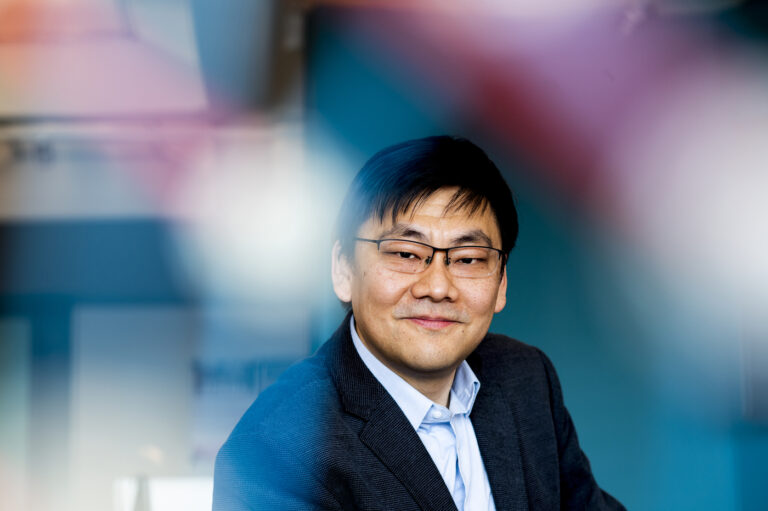
For Max Bi, physics + biology = a Sloan Research Fellowship
Assistant professor of physics Max Bi has dedicated years of work at the intersection of two fields: physics and biology. Today, such work has earned him the prestige of being a 2022 Sloan Research Fellow.
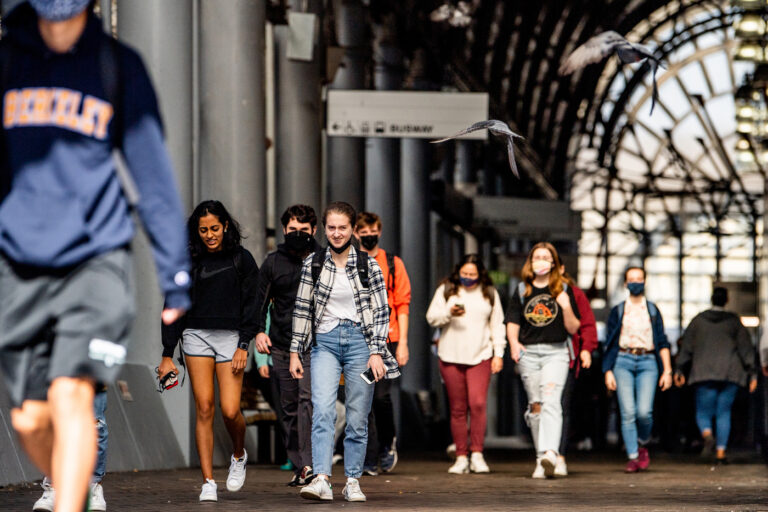
For COVID-19, ‘Endemic’ does not mean ‘The End.’
Health experts often use the word "endemic" when referring to our future once the COVID-19 pandemic leaves its frenzied early years. Alessandro Vespignani discusses what "endemic" really means.
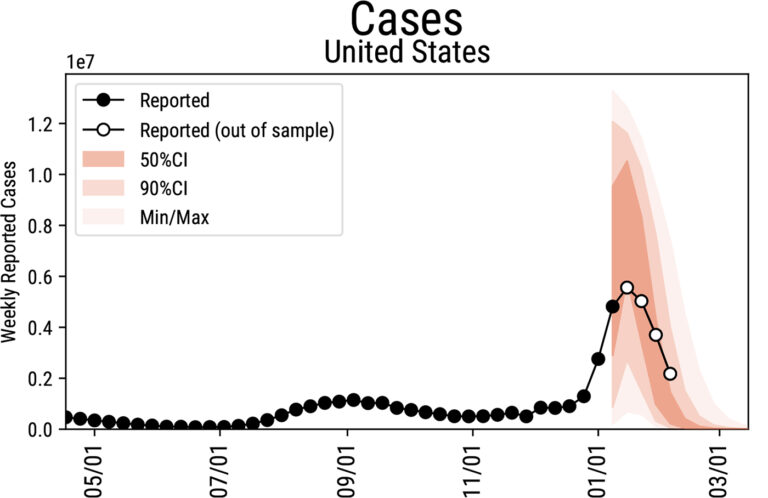
COVID-19 cases are dropping in the U.S. What comes after the Omicron wave?
As Omicron levels are finally on the downfall and warmer weather approaches, Alessandro Vespignani predicts that we "may be able to breathe a little easier."
What has changed in the way we talk about COVID-19? Revisiting pandemic terminology and Omicron.
Northeastern experts bring clarity to the different ways we talk about the corona virus. Alessandro Vespignani adds to the conversation on cases versus infections.

Omicron is setting records. How much do the numbers matter?
Professor Alessandro Vespignani comments on the difference between previous COVID peaks and the current Omicron surge.
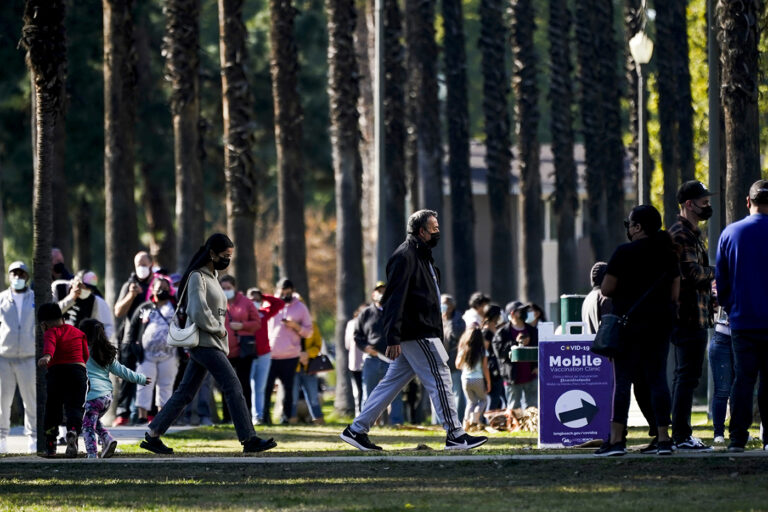
When Will The Omicron Surge Be Over? Very Soon.
As citizens worry about the trajectory of the Omicron variant in the U.S., professor Alessandro Vespignani provides a positive prediction for the future.
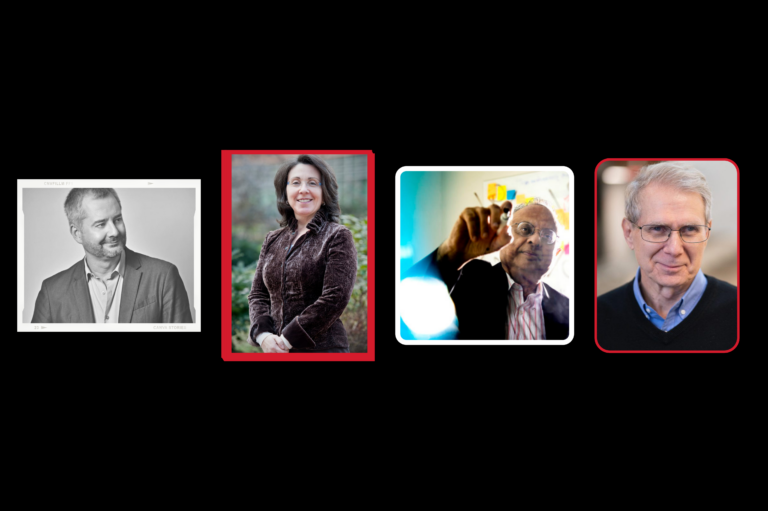
Four Northeastern Professors Earn Their Place on 2021’s List of “Highly Cited Researchers”
Recognizing the groundbreaking research of four faculty members who have been named on 2021's list of "Highly Cited Researchers."
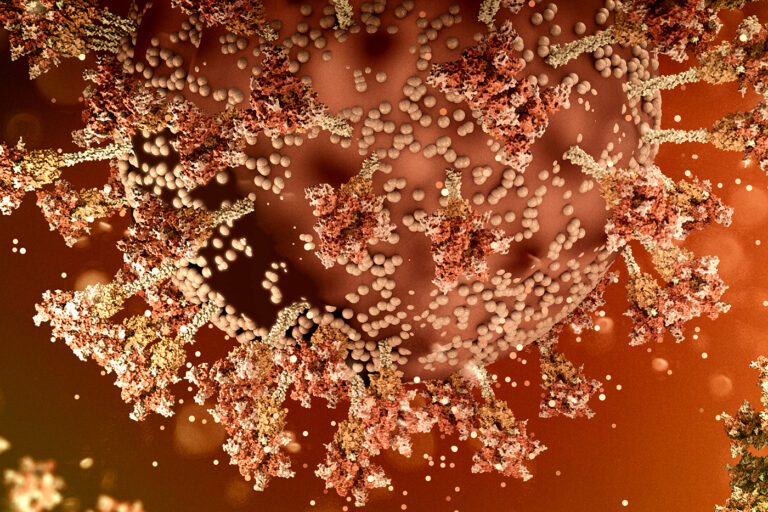
Omicron moves fast. Here’s what that means for the next few weeks.
A virus that moves as quickly around the globe as the omicron variant could spell disaster just as people are traveling and gathering for holiday and New Year celebrations. But the devil’s in the details when it comes to COVID-19—and that could be a good thing.

COS Connects: What are quantum materials anyways?
Hear from Professor Paul Stevenson and colleagues to learn about how physicists are researching ways to further understand quantum materials and their potential benefits. Our researchers will help deconstruct the complexity of quantum science and explain the potential advancements and impact on daily lives.
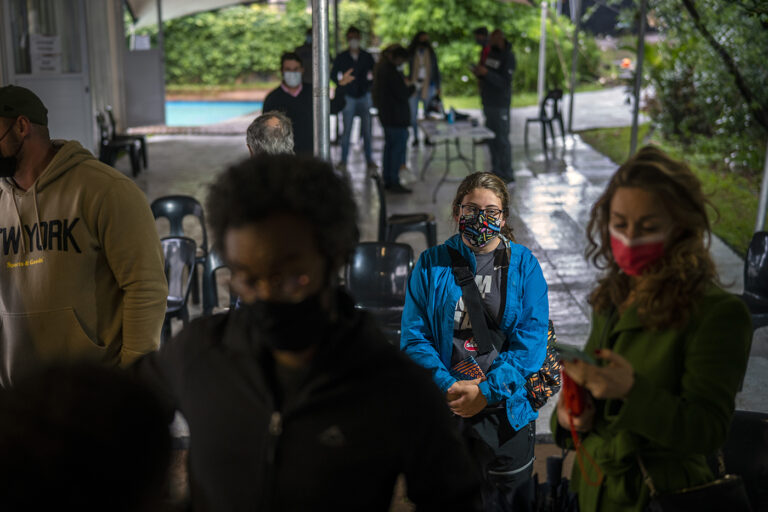
When will we know more about the omicron variant?
A new Covid-19 variant, Omicron has been detected in South Africa.