COS News
Research

“The basic premise is that AI can help us do better physics, and something that is less expected is that physics can also help us understand AI better,” said Northeastern professor James Halverson.
AI and physics have more in common than you might think.
News
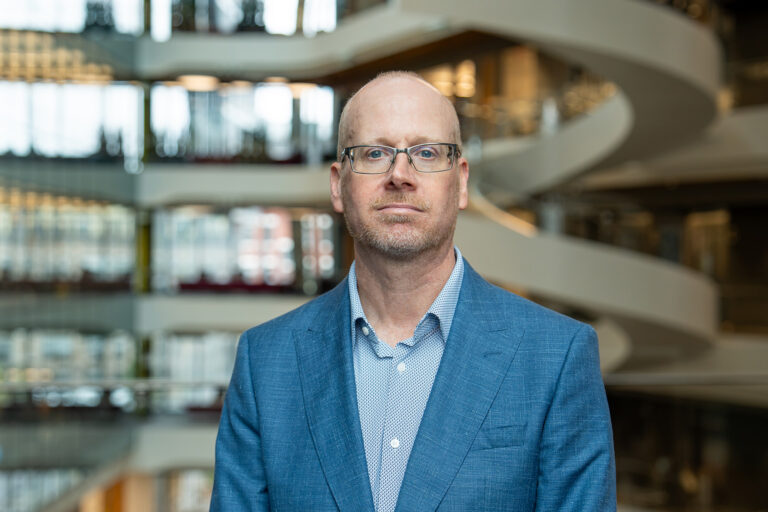
Mark Williams, Professor and Chair of the Department of Physics, will assume the role of Dean of the College of Science, effective July 1, 2026.
Mark C. Williams named Dean of the College of Science
Showing all results
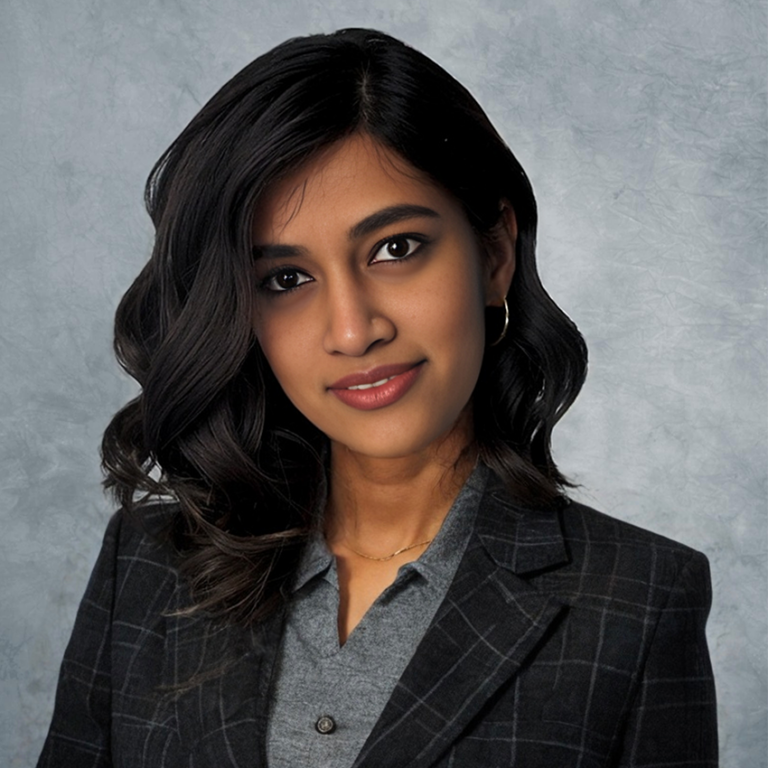
Sreenithi Giri Gogulan ’25, MS Biotechnology
Sreenithi Giri Gogulan '25, biotechnology, shares her experiences as a COS student.
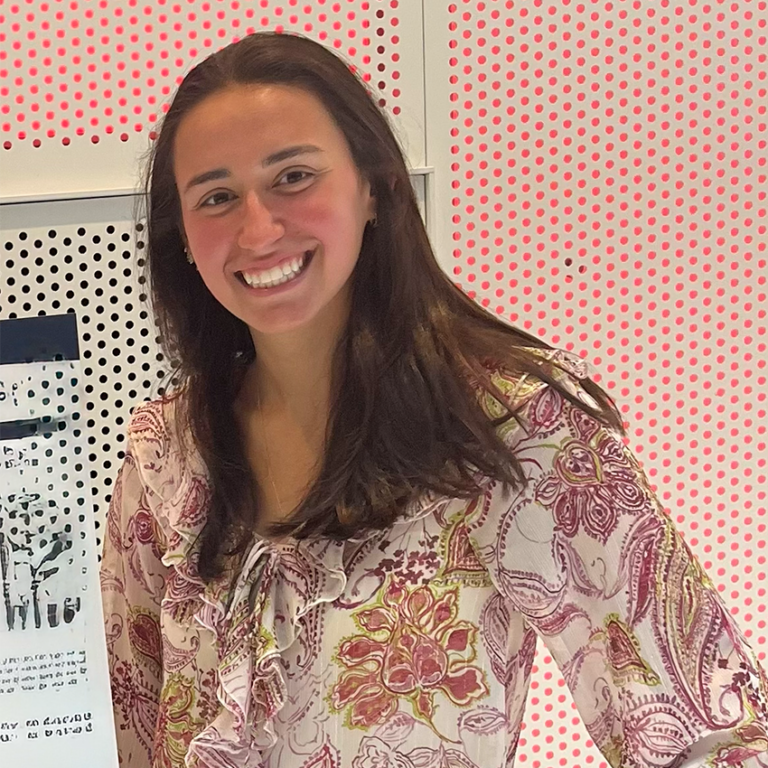
Sophia Mastroianni ’25, Behavioral Neuroscience
Sophia Mastroianni '25, behavioral neuroscience, shares her experience as a COS student.
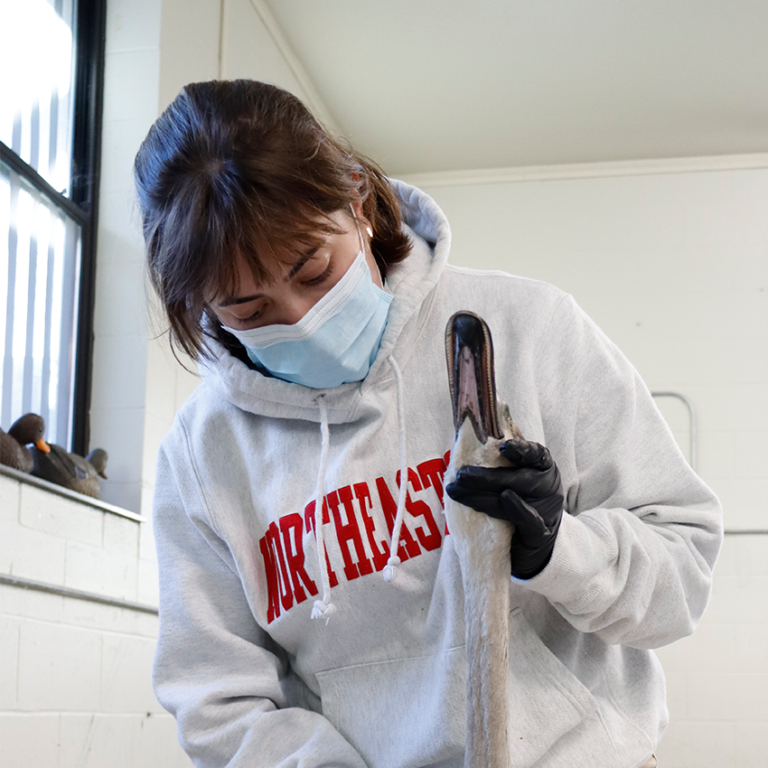
Shayna Gordon ’25, Biochemistry
Shayna Gordon '25, biochemistry, shares her co-op experience as a COS student.
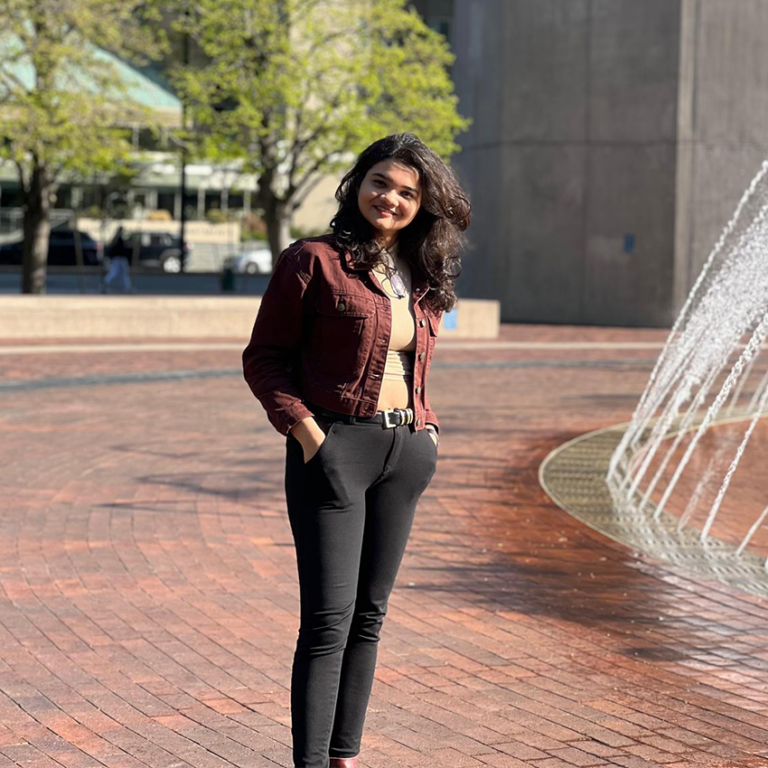
Saranya Bhattacharyya ’25, MS Biotechnology
Saran Bhattacharyya '25, biotechnology, shares her experiences as a COS student.
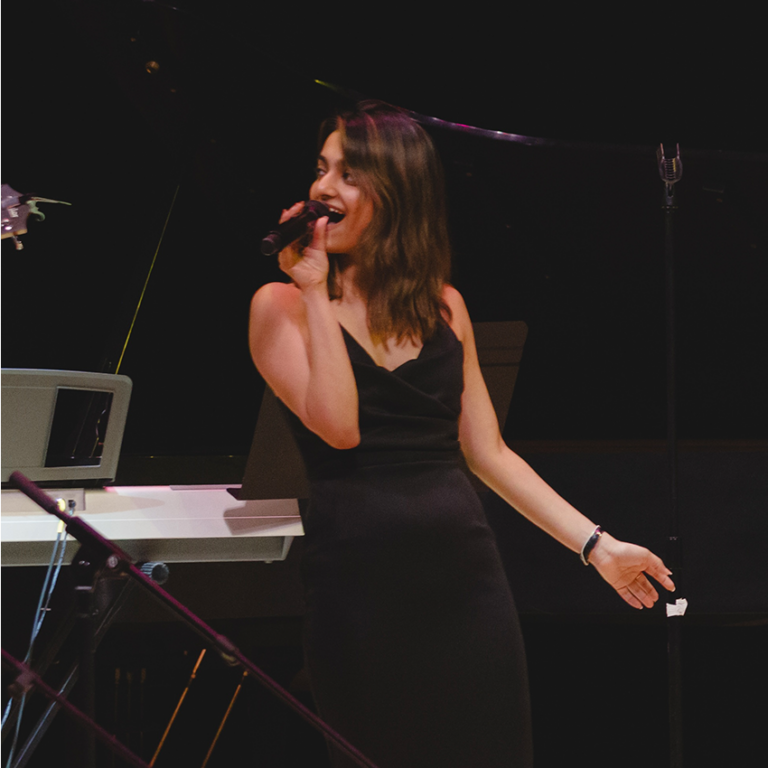
Naomi Rajput ’26, Behavioral Neuroscience
Naomi Rajput '26, behavioral neuroscience, shares her experiences as a COS student.

Migue Van Louis Darcera ’25, Cell and Molecular Biology
Migue Van Louis Darcera '25, cell and molecular biology, shares his experiences on co-op as a COS student.
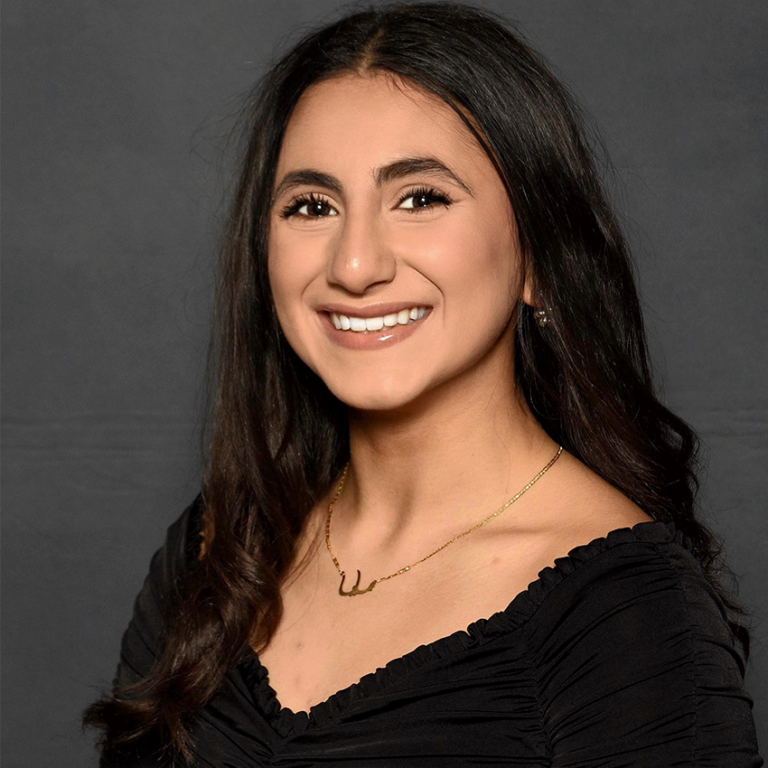
Maya Kanj ’25, MS Biotechnology
Maya Kanj '25, biotechnology, shares her experiences as a COS student.

Luke Smith ’25, MS Biotechnology
Luke Smith '25, biotechnology, shares his experience as a COS student.
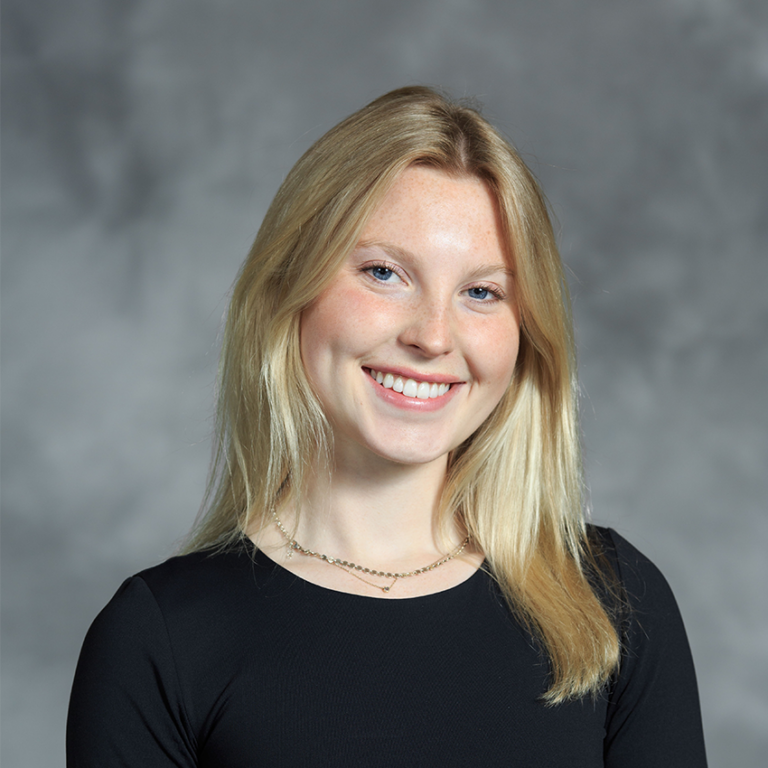
Lily Garrett ’25, Biochemistry
Lily Garrett '25, biochemistry, shares her co-op experience as a COS student.
Kathrine Moravick ’26, Cell and Molecular Biology
Kathrine Moravick '26, cell and molecular biology, shares her experience on co-op.
Izel Eler ’25, MS Biotechnology
Izel Eler '25, MS biotechnology, shares her experiences as a COS student.

Gabrielle Kim-Levesque ’27, Behavioral Neuroscience
Gabrielle Kim-Levesque '27, behavioral neuroscience, shares her experience as a COS student.