COS News
Research

“The basic premise is that AI can help us do better physics, and something that is less expected is that physics can also help us understand AI better,” said Northeastern professor James Halverson.
AI and physics have more in common than you might think.
News
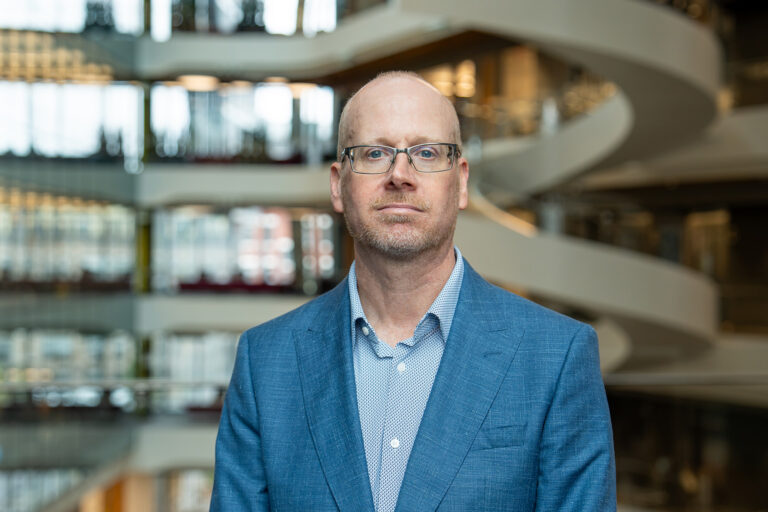
Mark Williams, Professor and Chair of the Department of Physics, will assume the role of Dean of the College of Science, effective July 1, 2026.
Mark C. Williams named Dean of the College of Science
Showing all results
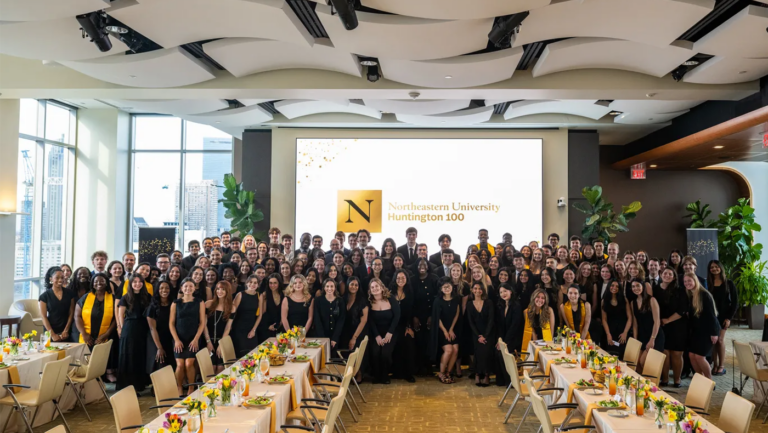
2025 Huntington 100 inductees honored for making an ‘enormous impact’ on the Northeastern community
Congratulations to the select group of undergraduate students inducted into the 2025 Huntington 100, a Northeastern society of distinction.
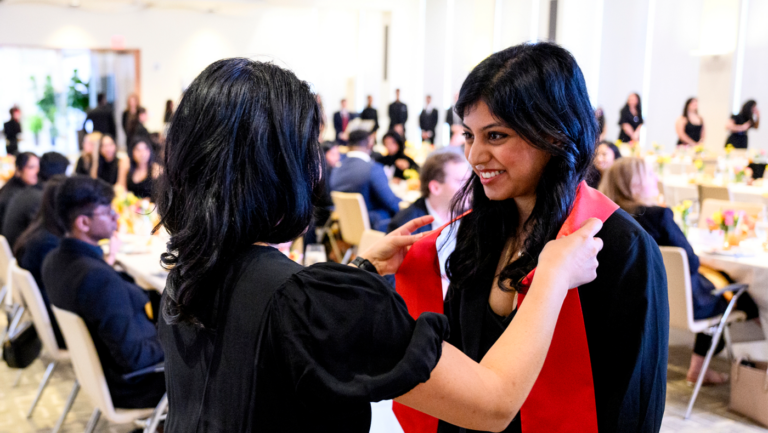
Northeastern honors top graduate students with launch of Laurel and Scroll 100 Society
On Tuesday a select group of Northeastern University graduate students where inducted into the inaugural Laurel and Scroll 100 Society of Distinction.
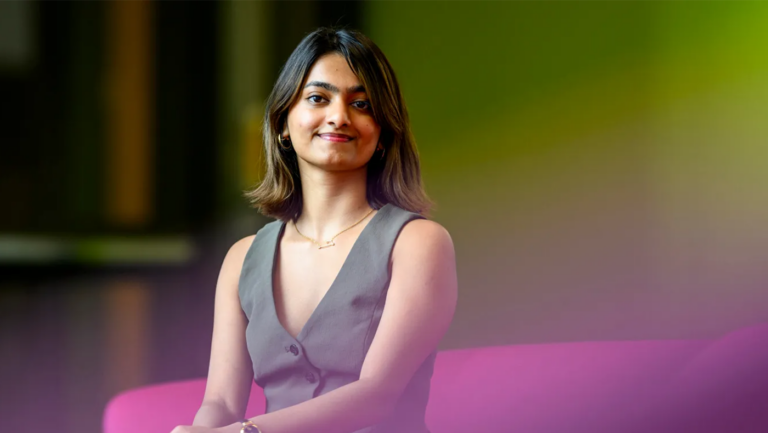
‘Growth is imbalance’: How Naomi Rajput is squeezing everything out of her Northeastern education
Naomi Rajput, a fourth year neuroscience student, juggles course work with research, multiple clubs, co-ops, and a social life stating that “I live by this quote: ‘Aggressive growth is a product of imbalance.'"
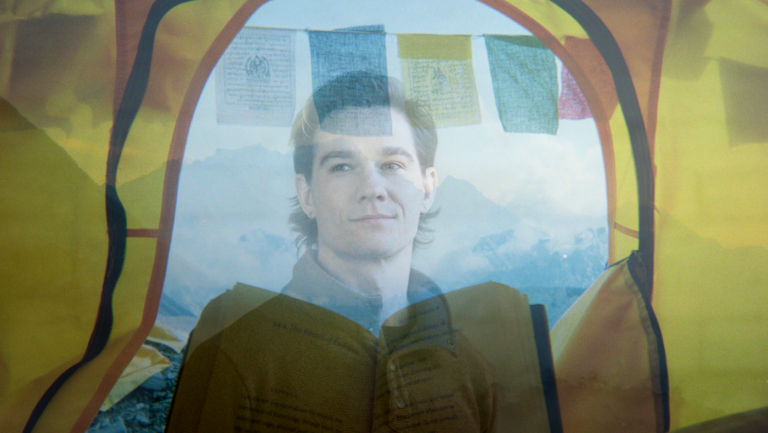
How did this student summit Mount Everest? Navy training and mindfulness skills from Northeastern
Evan Kenney, behavioral neuroscience student, scaled Everest last May. The veteran and former hotshot fire-fighter, is a yoga instructor who spent a month yoga training in Rishikesh before spending 2 months training for his summit.

Northeastern students turn chem class into cosmetics lab, creating lip gloss, nail polish and more
A chemistry class taught by Leila Deravi, associate professor of chemistry and chemical biology, allowed students to develop their own personal care products after learning about the chemical composition and structure of such products.
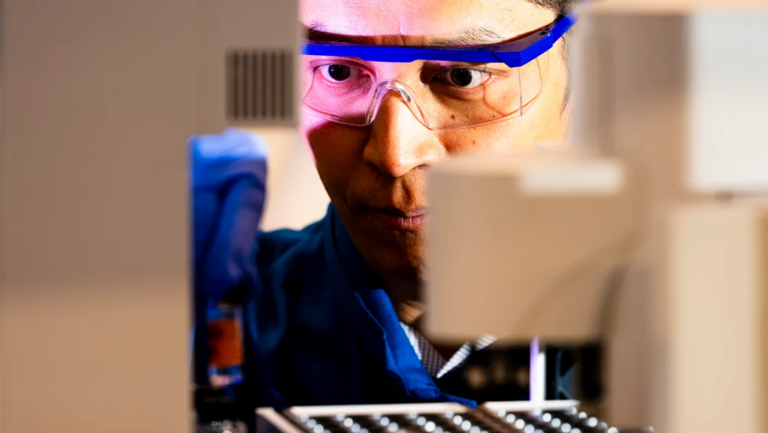
Researchers resurrect extinct gene in plants with major implications for drug development
A team led by Jing-Ke Weng, professor of chemistry, chemical biology and bioengineering, repaired a defunct gene in the coyote tobacco plant, turning back the evolutionary clock to pave a path forward for the development and discovery of new drugs.
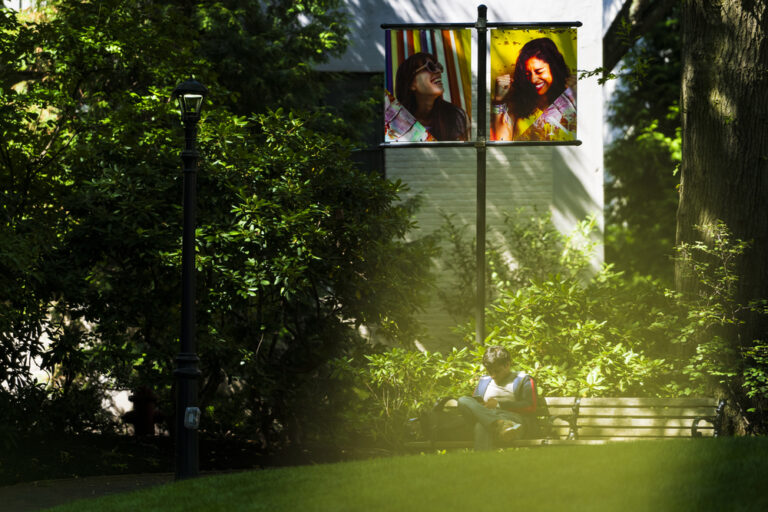
Giving Day
Amidst the swirl of ongoing uncertainty and extraordinary actions by our federal government, we are continuing to deal with events as they arise. Please look at the Northeastern FAQs that are updated as needed, for responses by our university. Our commitment to top quality education and brilliant, crucial research is unwavering. This week brought brightness through Northeastern...

Did scientists genetically engineer the long-extinct dire wolf, or give gray wolf offspring its features?
Northeastern professors, including Diaa Alabed, weigh in on the announcement of the resurrection of the long-extinct dire wolf. Calling out the advancements scientific technology, and the reality of what the resurrection really is.
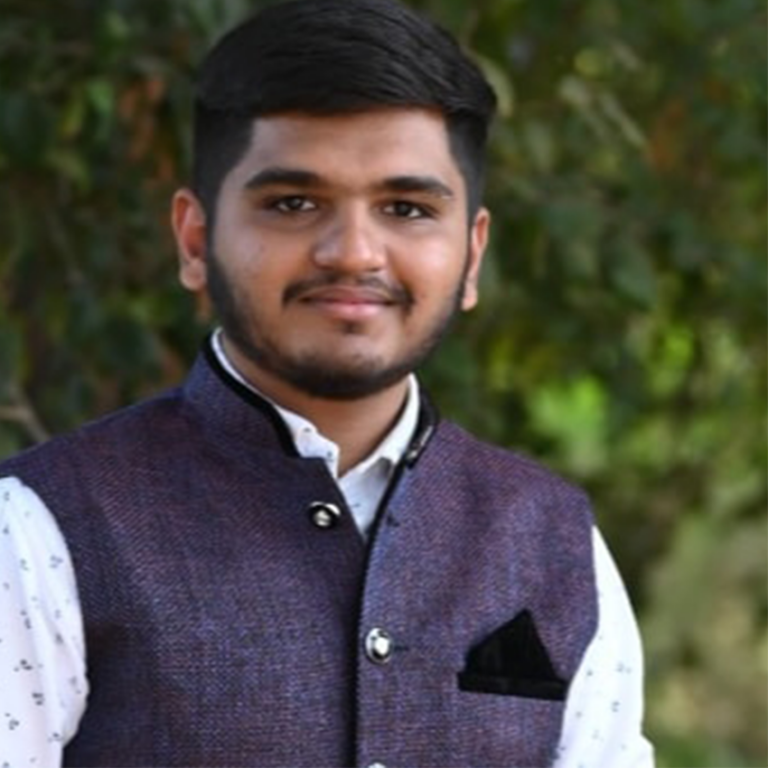
Yash Maheshbhai Patel ’25, MS Bioinformatics
Yash Maheshbhai Patel '25, MS bioinformatics, shares his experiences as a COS student.
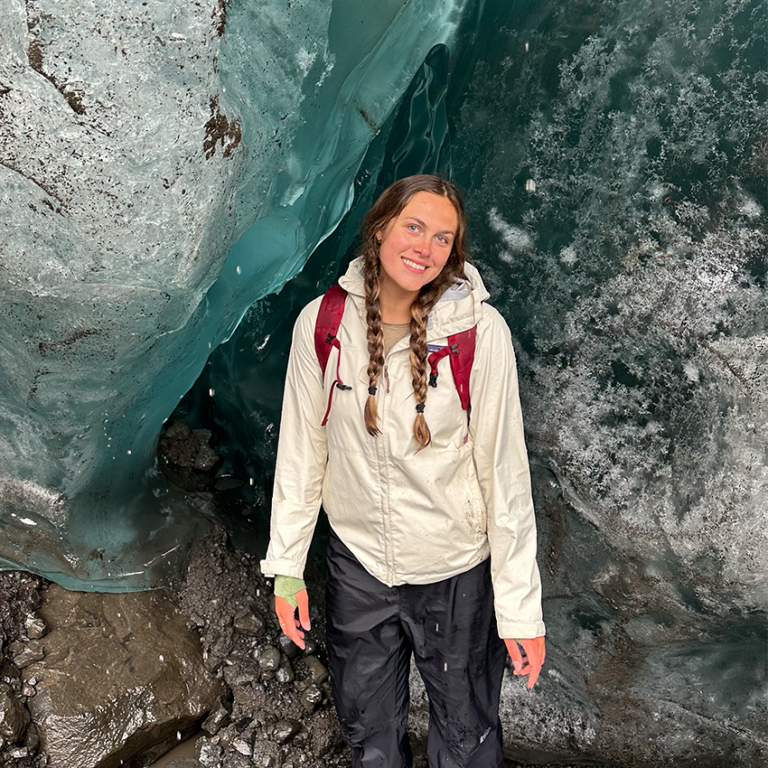
Windsyr Maughan ’25, MS Environmental Science and Policy
Windsyr Maughan '25, MS environmental science and policy, shares her experiences as a COS student.
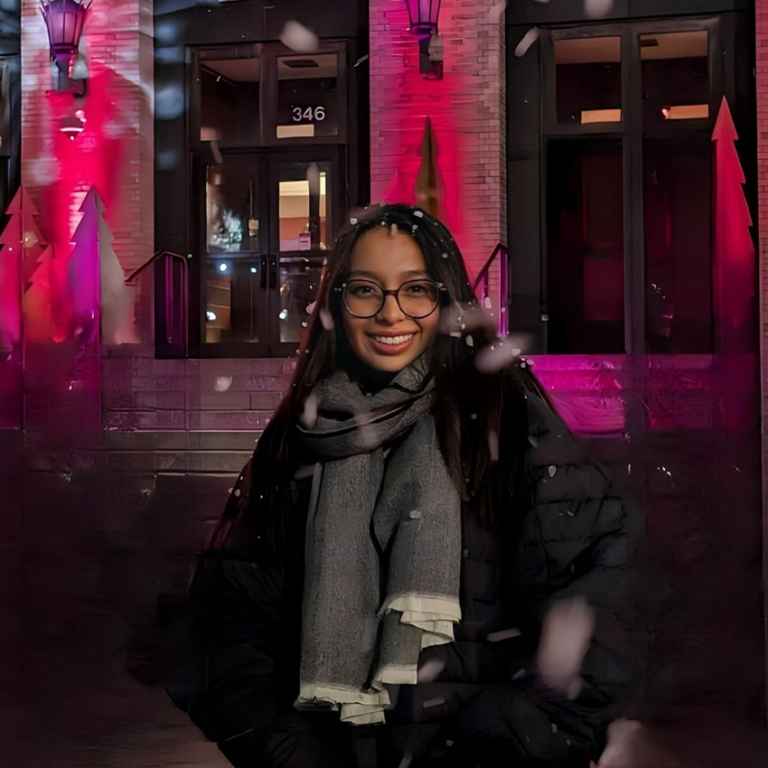
Valery Pamela Trujillo Benitez ’25, MS Cell and Gene Therapies
Valery Pamela Trujillo Benitez shares her experiences as a master's student studying cell and gene therapies.
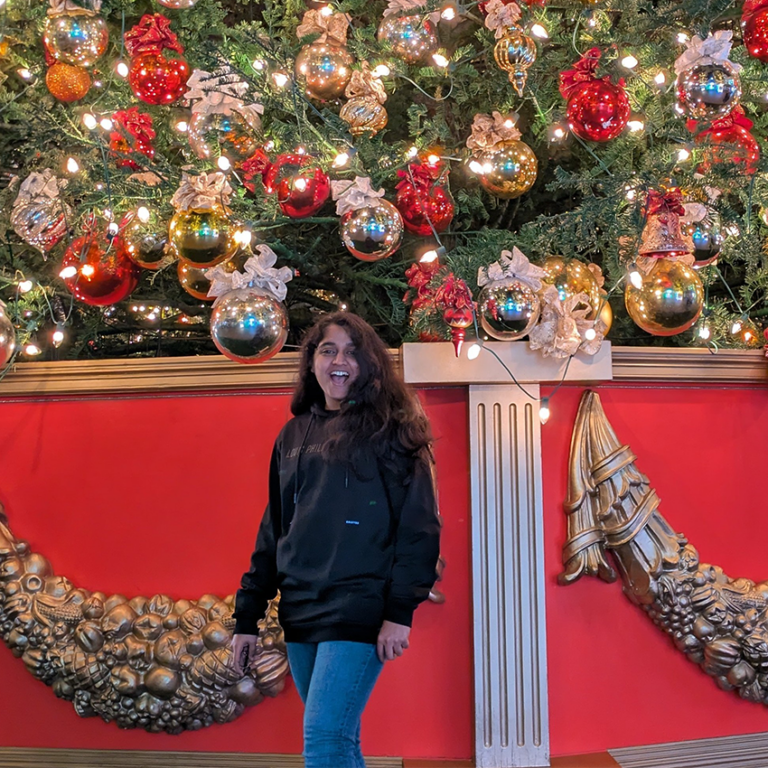
Subhiksha Srinivasan ’25, MS Cell and Gene Therapies
Subhiksha Sirinivasan '25, cell and gene therapies, shares her experiences as a COS student.