COS News
Research
“The basic premise is that AI can help us do better physics, and something that is less expected is that physics can also help us understand AI better,” said Northeastern professor James Halverson.
AI and physics have more in common than you might think.
News
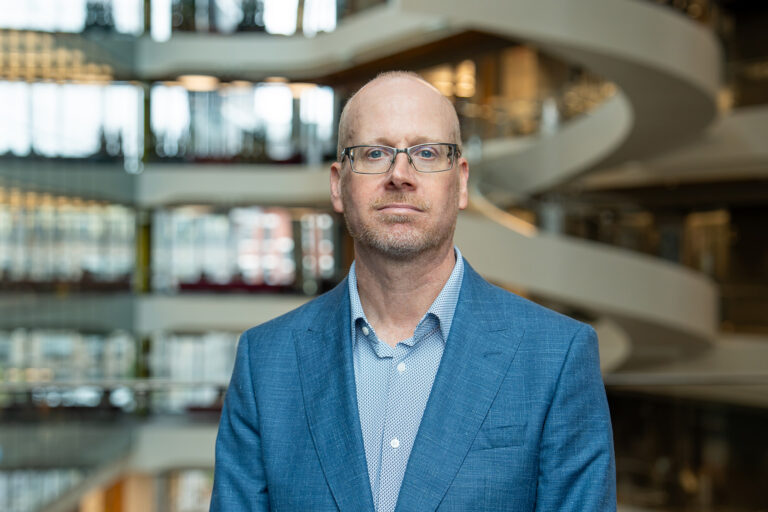
Mark Williams, Professor and Chair of the Department of Physics, will assume the role of Dean of the College of Science, effective July 1, 2026.
Mark C. Williams named Dean of the College of Science
Showing 385 results in News
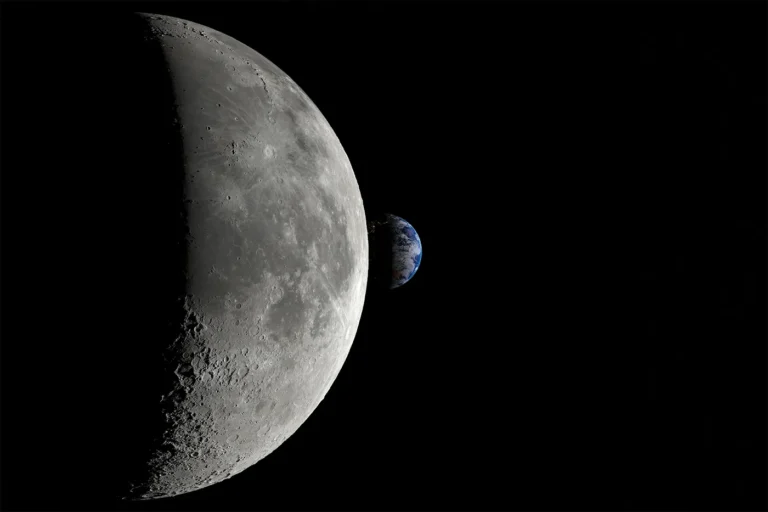
Astrophysicists say there’s ‘at least six other quasi-moons’ like 2025 PN7 in loose orbit around Earth
The much-discussed 2025 PN7, dubbed Earth’s “second moon,” is officially a quasi-moon, according to NASA.

From coastal resilience to streamlining product development, Northeastern researchers are the state’s AI innovators
Northeastern University professor Jim Chen is one of the winners of the Massachusetts AI Hub’s AI Models Innovation Challenge.

What to expect from La Niña this winter
Will La Niña bring more snow or rain to your region this winter?
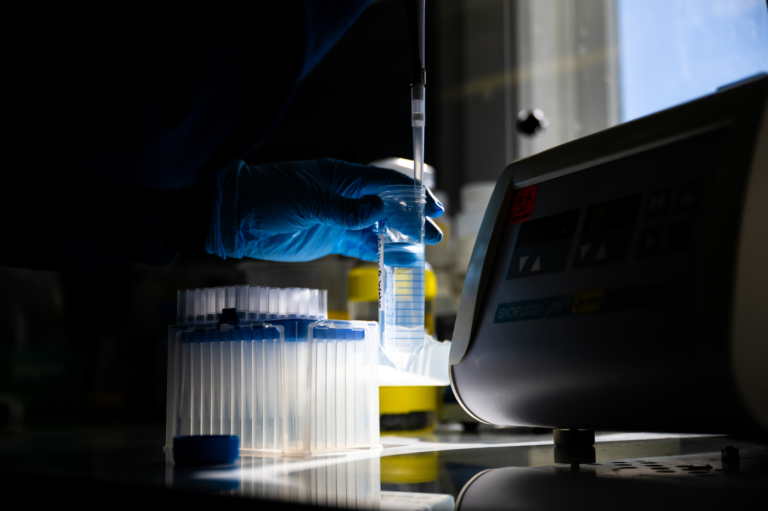
Preserving biological specimens for DNA analysis just got easier
How a Northeastern professor and undergraduate students discovered a safe, inexpensive method to preserve DNA in the lab
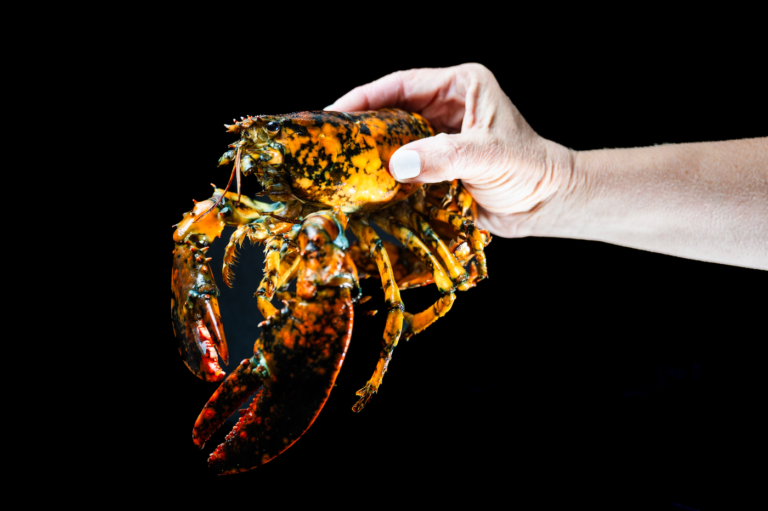
Rare calico lobster makes a splash at Nahant
Meet Jackie—a one-in-30 million lobster and the new superstar at Northeastern’s Marine Science Center.
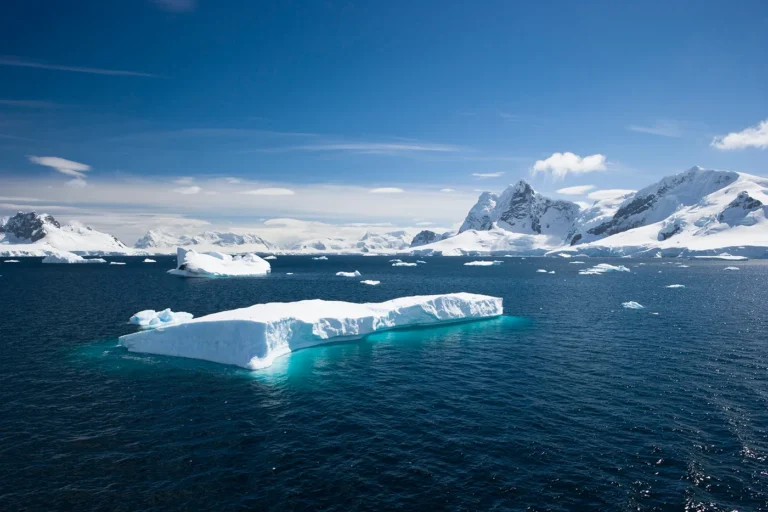
The Antarctic Ocean of the last ice age has stories to tell about a warming planet
New research describes how a critical process of carbon dioxide storage in the Southern Ocean slowed during the last deglaciation, and how it could be happening again.

Why Annabelle, Chucky and dolls in general creep us out
Do you know what that doll is doing when your back is turned? Northeastern University experts explain the ‘uncanny valley’ effect.

Look to the skies this week to see the ‘Draconid’ meteor shower
The “Draconid shower” is the result of Earth plowing through the dusty trail left behind by an oddly orbiting comet called 21P/Giacobini-Zinner.
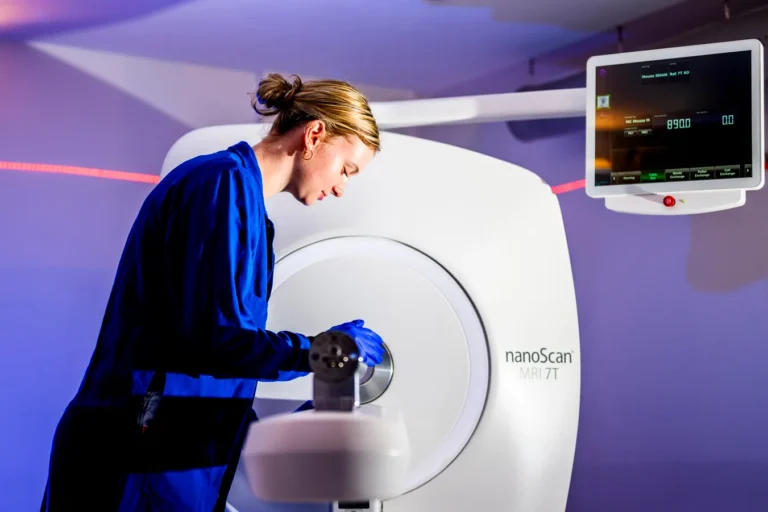
Next gen scanner could unlock new treatments for brain injuries
The Center for Translational Neuroimaging recently obtained a Mediso nanoScan 7T PET/MRI scanner, the first of its kind in the United States.

Scientists explore stakeholder-informed spatial modeling for hydrologic sciences
MES researchers convened an NSF-supported workshop exploring the role of stakeholders in hydrological studies and futures
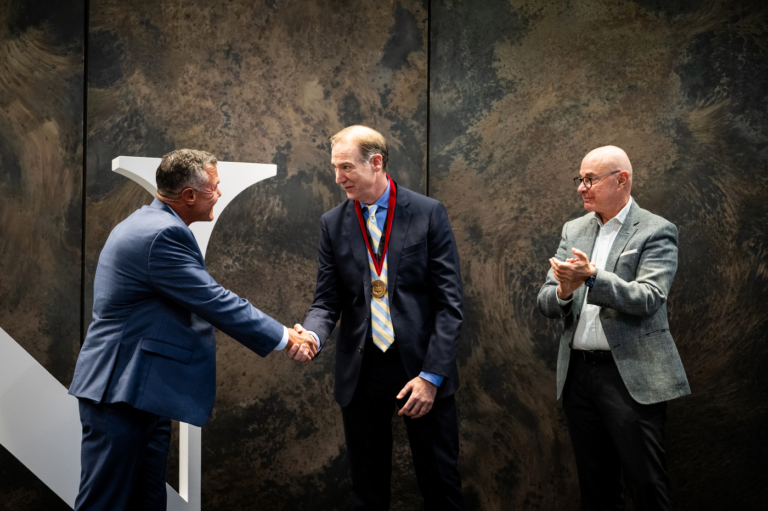
Brain health researcher Charles Hillman installed as inaugural Manganaro Distinguished Professor
Charles Hillman, director of the Institute for Cognitive and Brain Health, studies lifestyle behaviors on brain and cognition to maximize health and well-being, and to promote effective functioning.
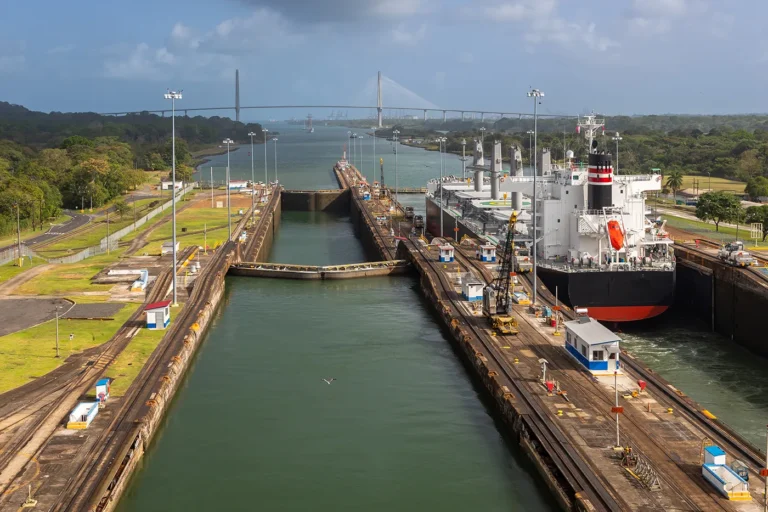
Drought and low water levels could slow global trade at the Panama Canal
New research by professor Samuel Muñoz reports that the risk of shipping disruptions will grow in a warming climate unless steps are taken to reduce greenhouse gas emissions or to adapt to drier conditions.