COS News
News

A new report from a group of Northeastern researchers explores across disciplines how biotech can ensure safe, sustainable life beyond Earth.
The key to international space cooperation is developments in biotechnology, Northeastern researchers say
News

The NeuroPRISM lab, led by assistant psychology professor Stephanie Noble, makes tools that pave the way for reliable and reproducible neuroimaging of the brain.
Precise maps of the brain’s deepest corners are made possible through tools developed by these Northeastern researchers
Showing 280 results in News

Remote work affects urban economies far beyond downtown hubs, Northeastern research finds
Esteban Moro, professor of physics, and colleagues across the country analyzed how remote work impacted commerce.
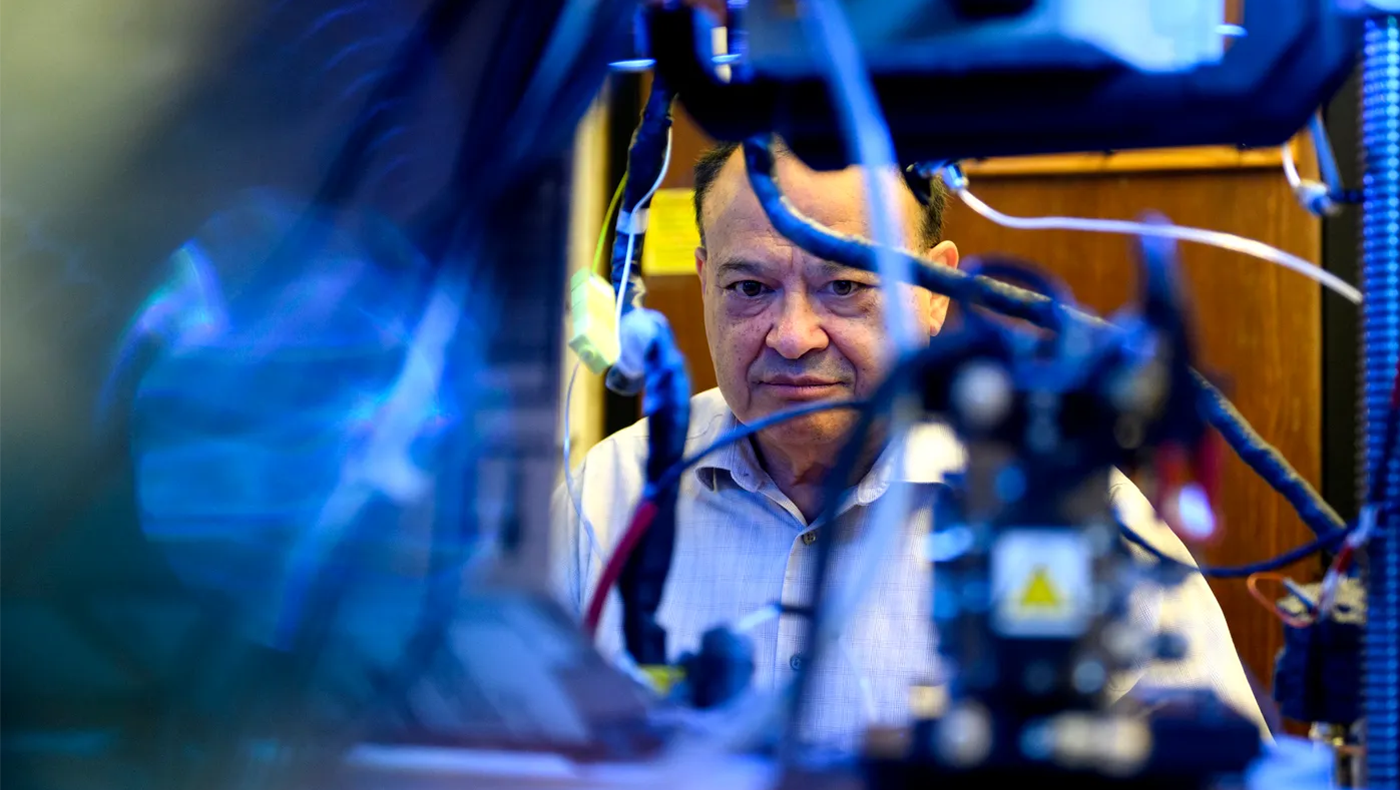
How US policies and perceptions impact Puerto Rico’s energy infrastructure
Eugene Smotkin, professor of chemistry, was one of more than a million residents who lost power in Puerto Rico on New Year’s Eve. Issues with the power grid are not out of the norm but for Smotkin the bigger picture problem is the way Puerto Rico is treated by the US.
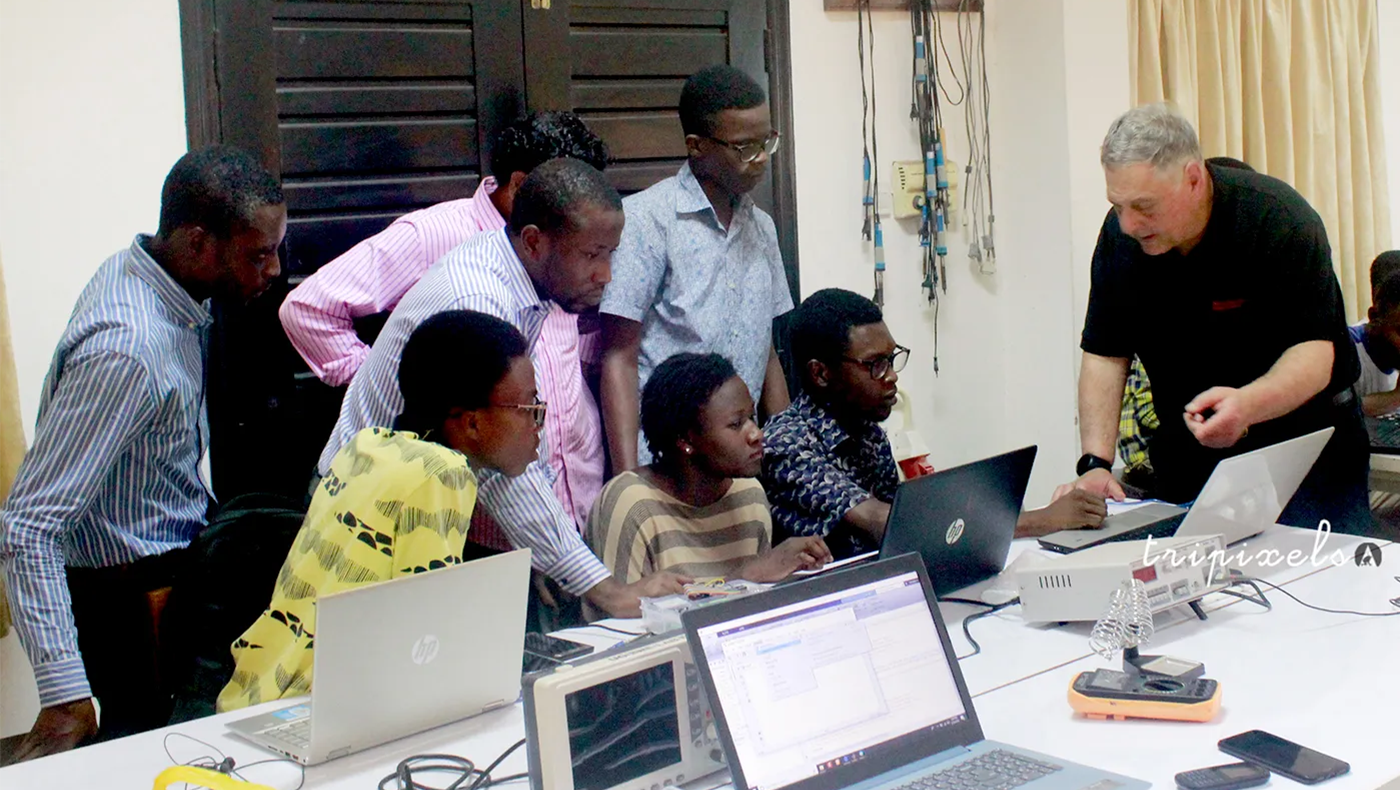
Northeastern’s Bioinnovation Center is developing low-cost biomedical devices to transform health care in West Africa
Lee Makowski, professor of bioengineering and chemistry and chemical biology, highlights the work of the Bioinovation Center, a partnership between Northeastern and Academic City University College in Accra.
10 tips to make your New Year’s resolutions stick this year
Aaron Daniels, psychology professor, shares some tips to help you stick to your New Years resolutions.
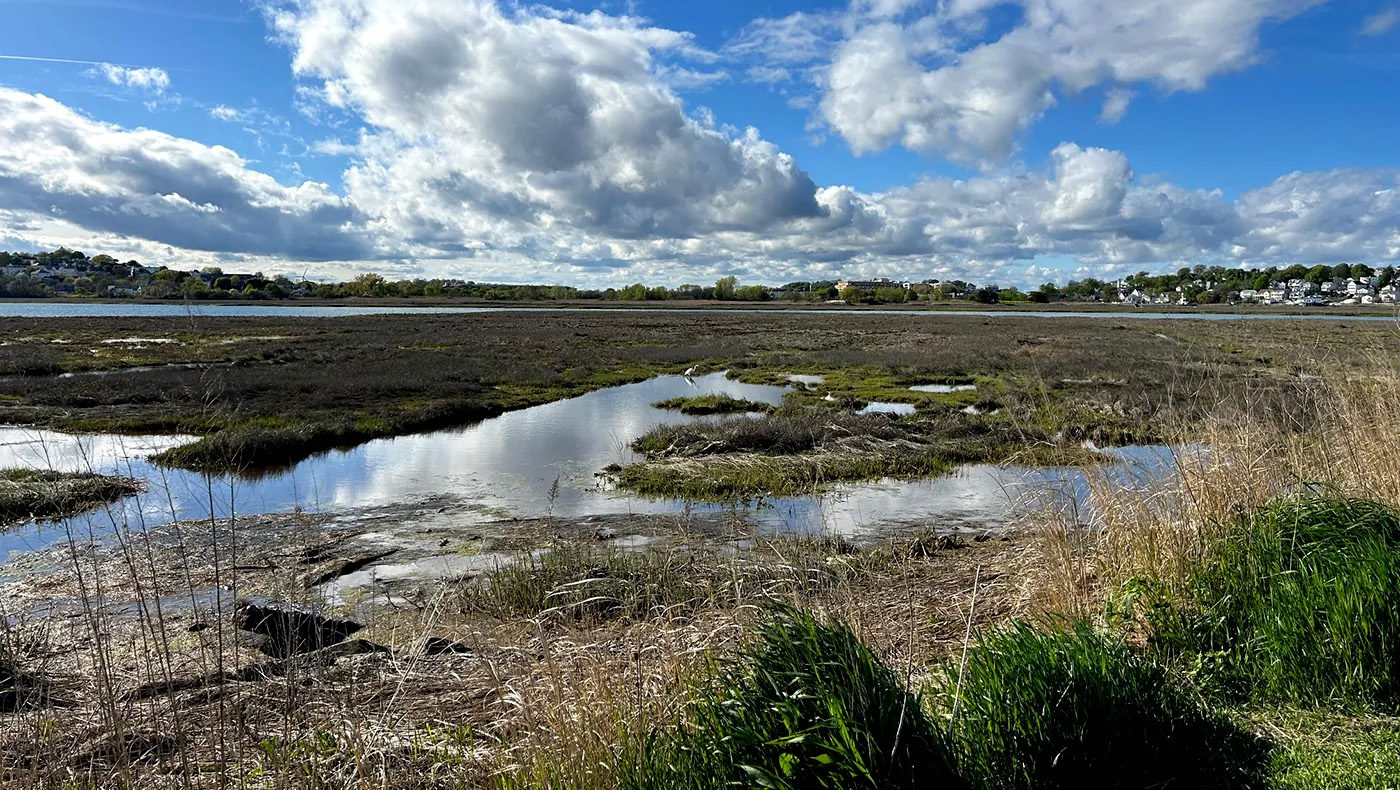
Protective salt marshes along coasts are in danger across the globe but it’s not too late to act, Northeastern researchers say
Salt marshes like Belle Isle in Boston provide vital ecosystem services, but sea-level rise threatens their future without urgent restoration efforts.
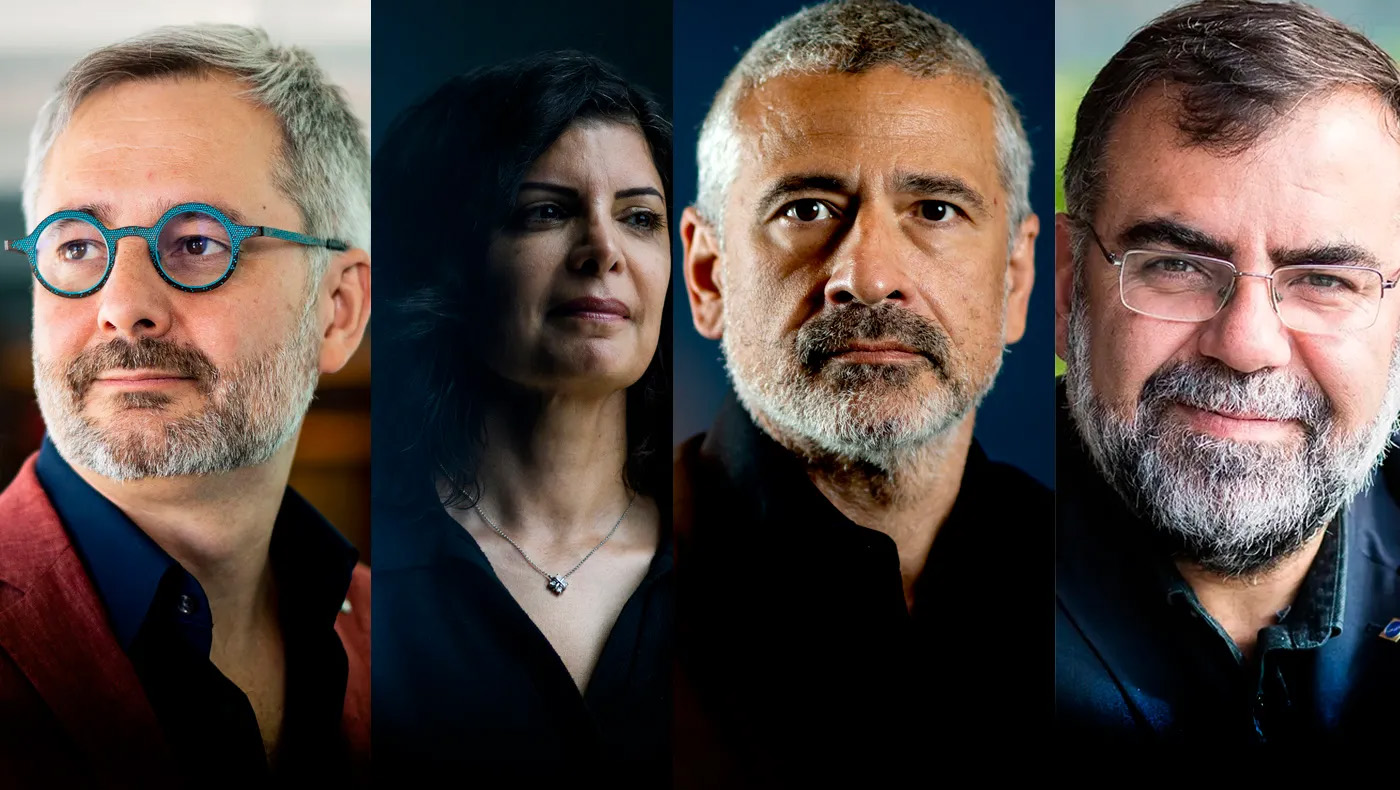
The interaction between humans and artificial intelligence demands a new field of study, Northeastern researchers say
Eliassi-Rad is one of several Northeastern researchers who have proposed a new area of study they are calling “Human AI Coevolution” to better understand and analyze these feedback loops. Other researchers on the project include Northeastern professors Ricardo Baeza-Yates, Albert-László Barabási and Alessandro Vespignani.
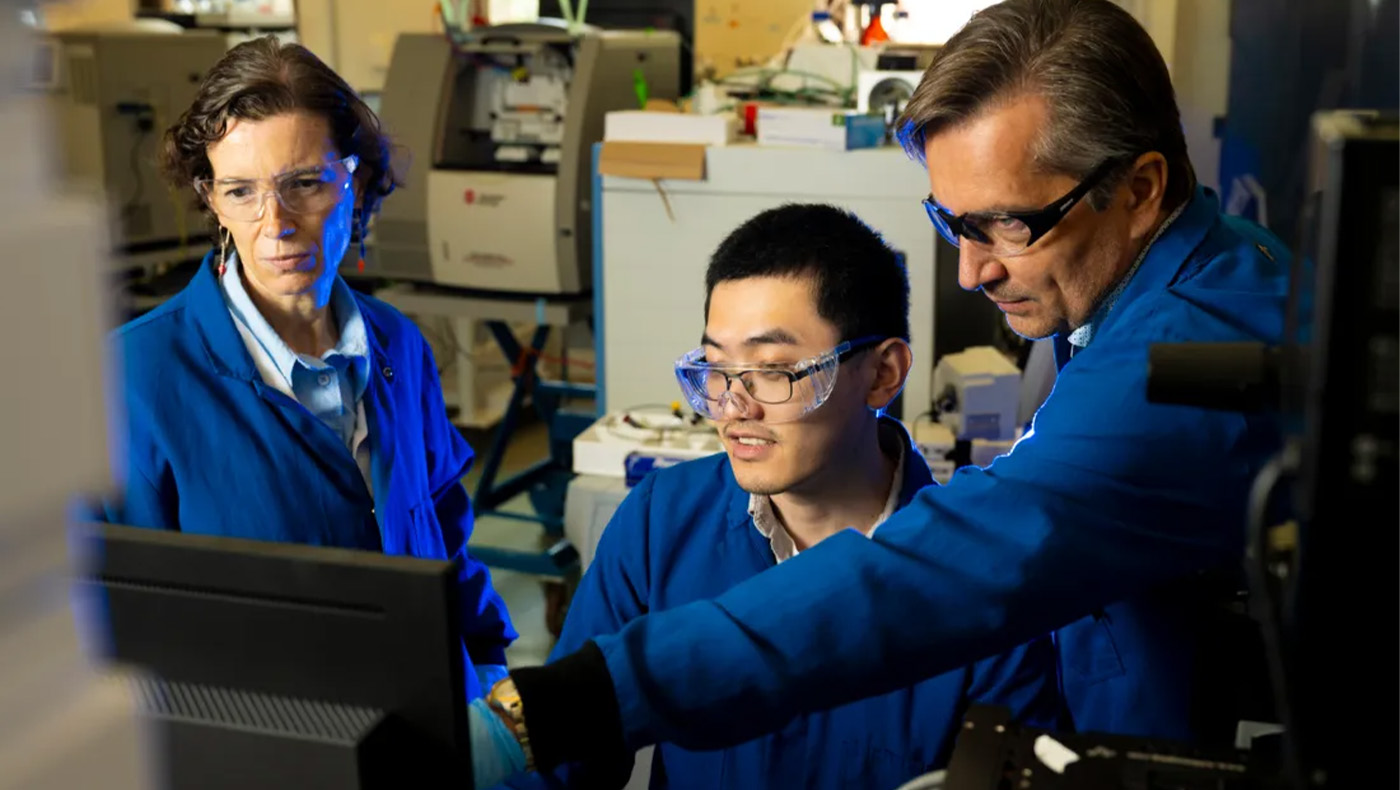
Northeastern researchers find a faster and more sensitive way to study proteins, which could lead to advances in disease treatment
Northeastern researchers find a faster and more sensitive way to study proteins, which could lead to advances in disease treatment
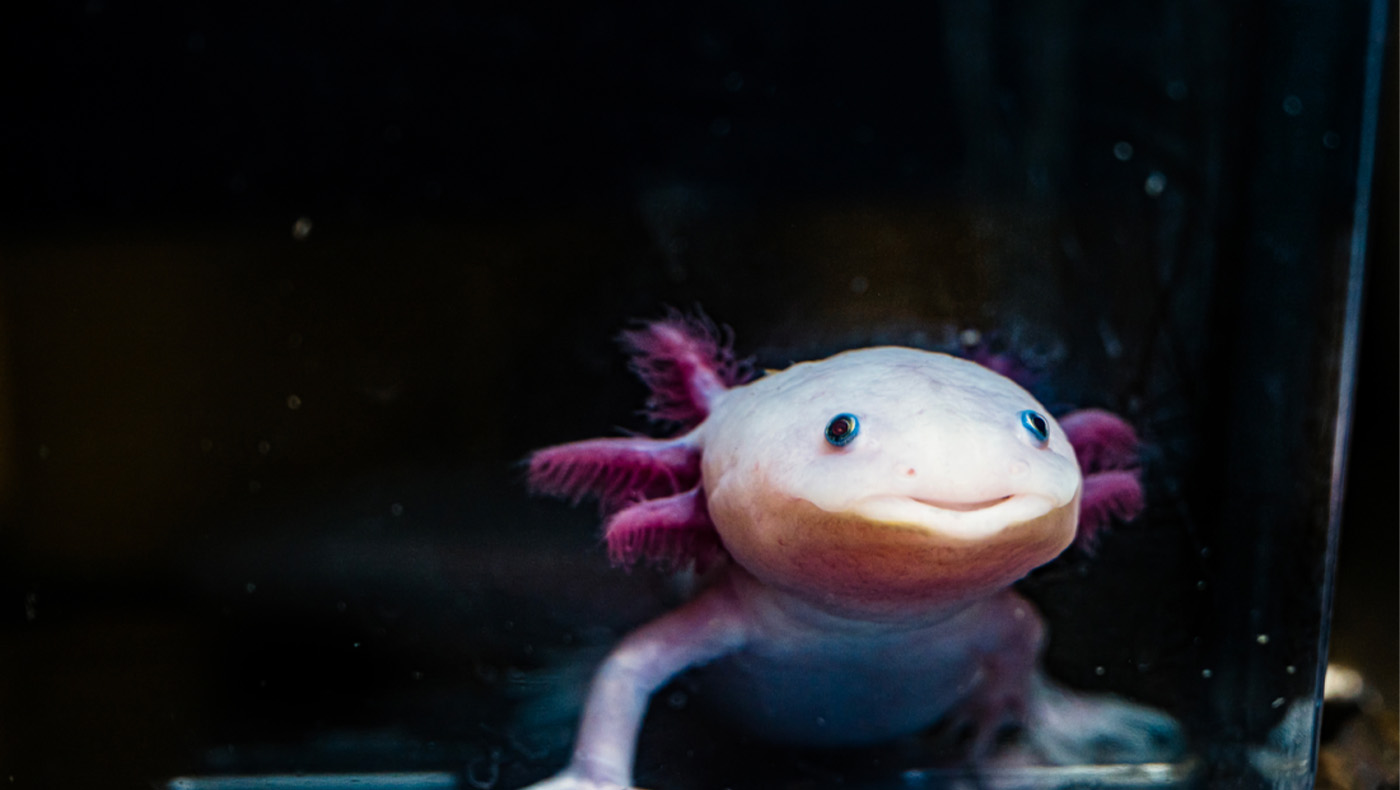
Why are axolotls suddenly so popular — and going extinct at the same time?
Northeastern University professors explain how the axolotl — an adorable amphibian with a permanent smile and pink, feathery gills — has become so popular, and why it’s also critically endangered in the wild.
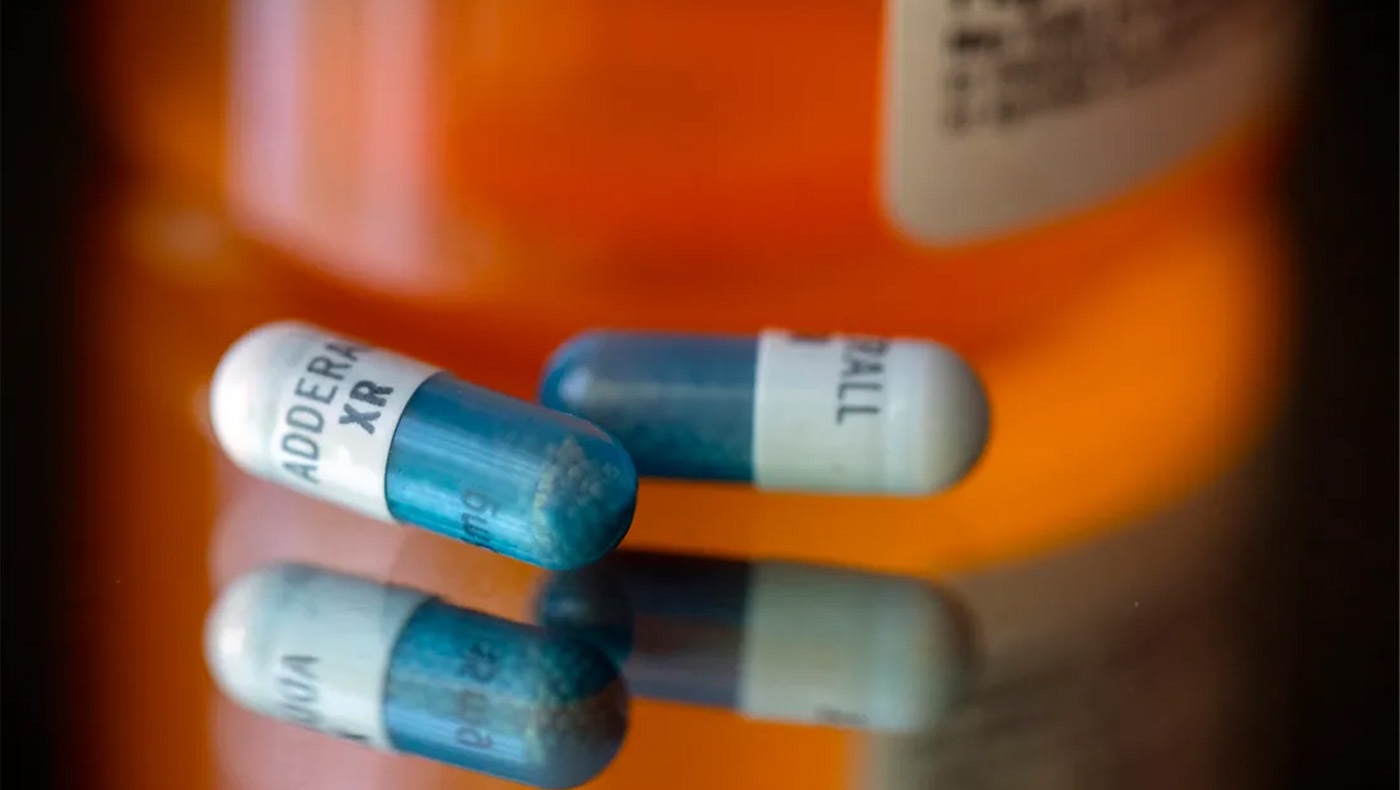
New research from Northeastern University finds that regular marijuana use suppresses the effects of Adderall on the brains of mice
Ferris says that the study is “incredibly topical” as marijuana and Adderall are two readily available, commonly used drugs — especially among people in high-stress environments.

How can physics models help prevent deadly stampedes at mass gatherings?
Northeastern professor Max Bi explains how crowd dynamics lead to stampedes, offering insights for safer venues and survival strategies.
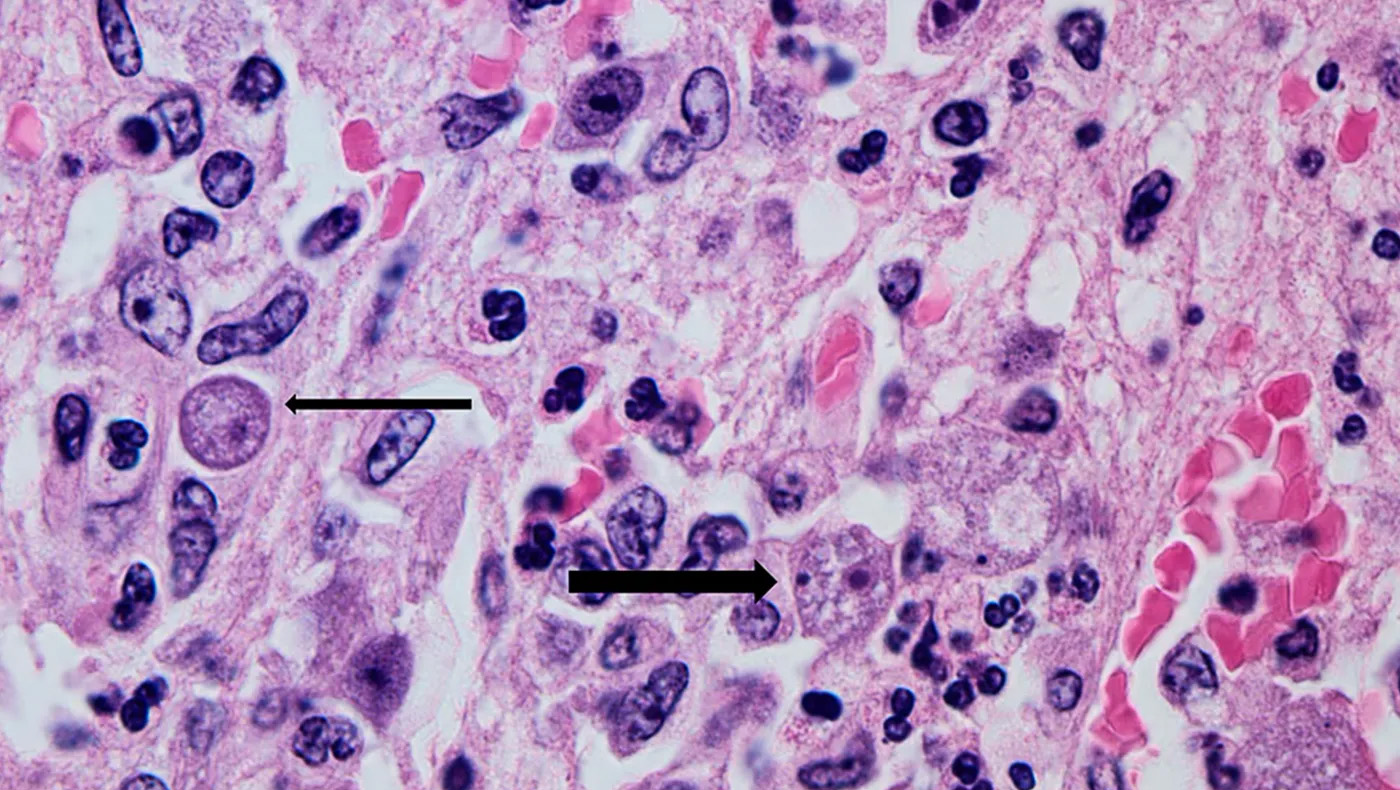
Deadly amoebic encephalitis and brain-eating amoebas in the crosshairs of Northeastern researchers
Northeastern researchers are targeting brain-eating amoeba that cause a rare, but deadly, infection

Why are we obsessed with vampires like Nosferatu? A psychologist explains the enduring appeal of these fictional bloodsuckers
The vampire is one of the most enduring figures in fiction. With another retelling of “Nosferatu” around the corner, a Northeastern psychologist explains why we are drawn to these horrifying, enthralling creatures.