COS News
News

A new report from a group of Northeastern researchers explores across disciplines how biotech can ensure safe, sustainable life beyond Earth.
The key to international space cooperation is developments in biotechnology, Northeastern researchers say
News

The NeuroPRISM lab, led by assistant psychology professor Stephanie Noble, makes tools that pave the way for reliable and reproducible neuroimaging of the brain.
Precise maps of the brain’s deepest corners are made possible through tools developed by these Northeastern researchers
Showing 280 results in News
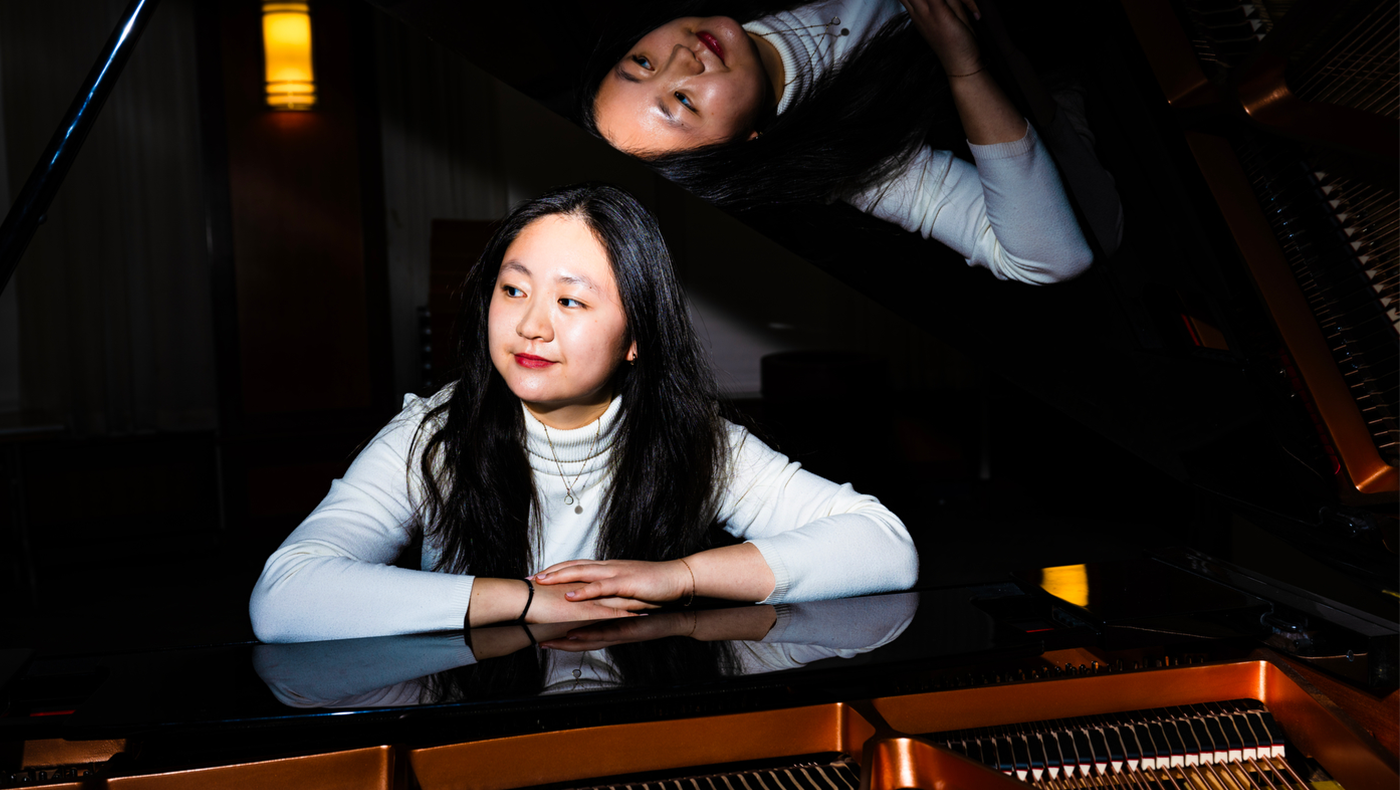
Piano-playing Northeastern students help ailing seniors ‘step away from life for just a moment’
Bonnie Liu, fourth year cell and molecular biology major, is part of an organization that visits different places around Boston to play piano for geriatric patients.

How monitoring wastewater from international flights can serve as an early warning system for the next pandemic
Alessandro Vespignani, director of Northeastern’s Network Science Institute, Guillaume St-Onge, a physicist at Northeastern, and colleagues have researched how monitoring wastewater from international flights can help scientists anticipate the next pandemic.

Does diet outweigh genetics when it comes to Alzheimer’s risk? Northeastern research offers insight
Northeastern University professor Craig Ferris worked on research that found that diet plays a role in the likelihood of someone developing Alzheimers.
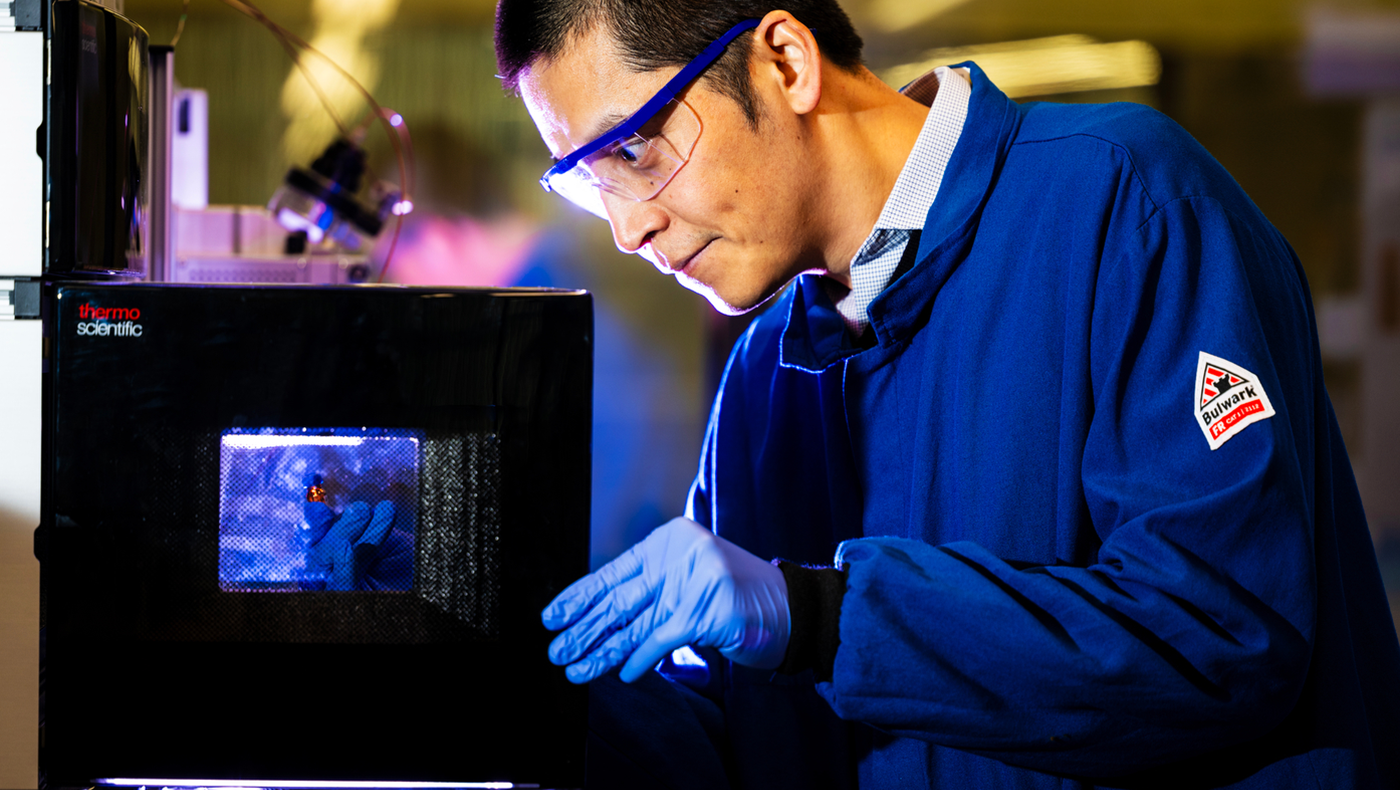
Could allergy-free peanuts be the future? This Northeastern researcher wants to find out
Northeastern professor Jing-Ke Weng is studying how peanuts trigger allergic reactions by tracking peanut proteins in the body. This research could lead to therapies for peanut allergies and insights into how other allergens affect the body.
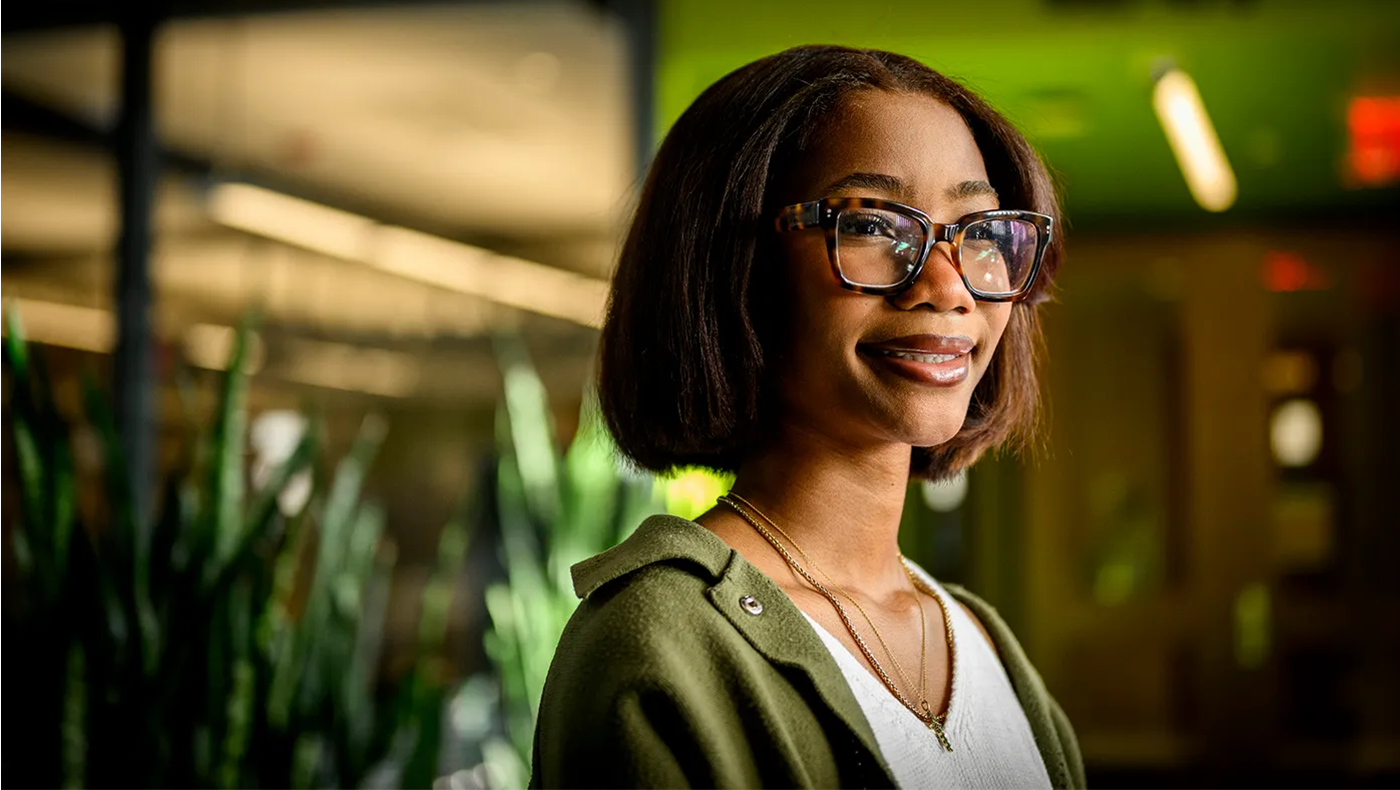
How a Northeastern co-op’s research is advancing early detection of psychosis
TaKaya McFarland, Northeastern psychology student, is working on a manuscript for a paper on her attempts to develop a score, similar to the Adverse Childhood Events Score (ACES), that would help clinicians understand how vulnerable a person might be to psychosis, an event that is estimated to affect three in 100 young people.
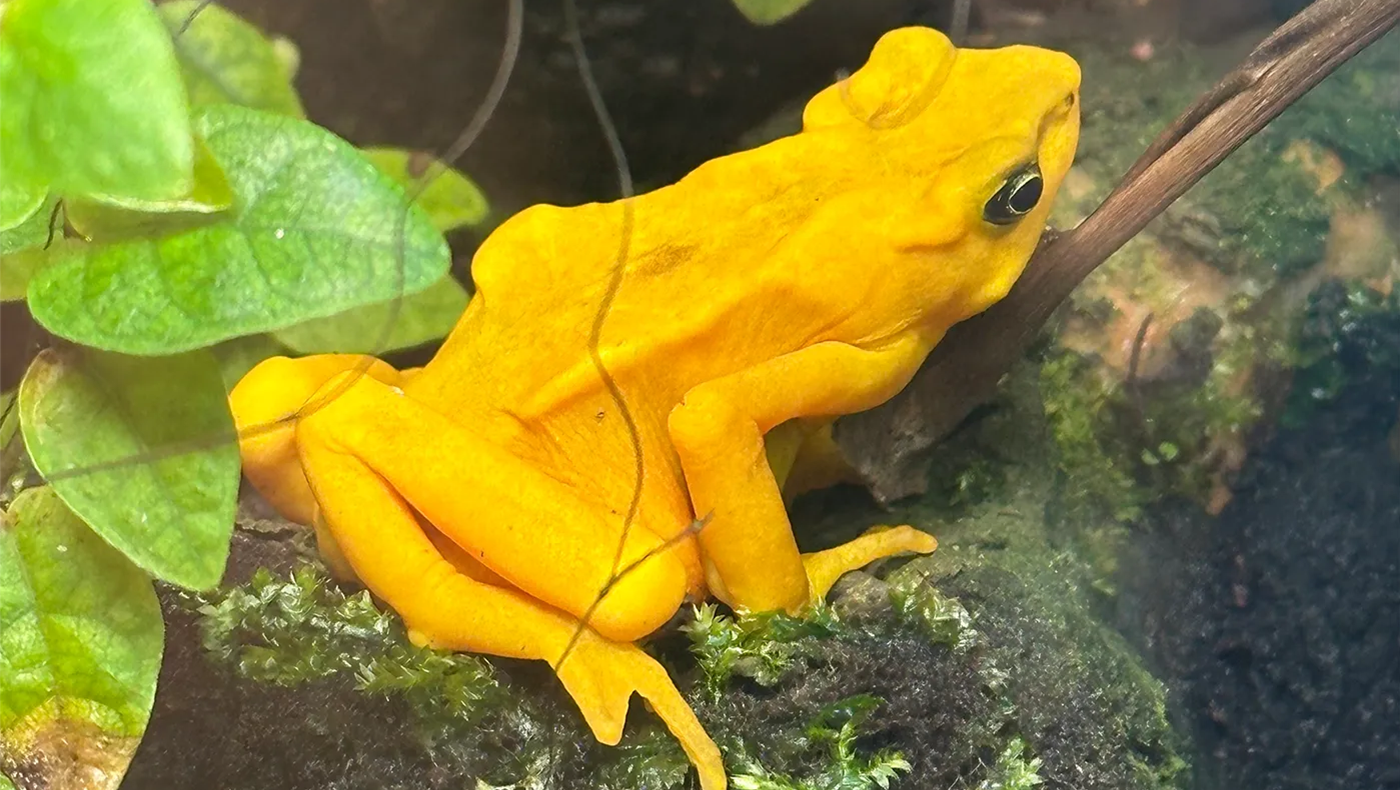
This researcher wants to know why frogs are so good at tasting bitter things — and what it could mean for humans
Jing-Ke Weng, professor of chemistry, chemical biology and bioengineering, is conducting research with frogs that has the potential to help humans understand allergen detection.

Are you tired of being zapped? These 10 tips can help you combat static electricity
Have you noticed that static electricity feels worse in winter? You reach for a door handle — zap! Hang your coat on a metal hook — zap! These small shocks can be both annoying and slightly painful. Static electricity is also why your hair might stand on end when you take off a hat or […]

Northeastern student takes a spin at ‘Wheel of Fortune’
Kate Stuntz, computer science and behavioral neuroscience major, competed in "Wheel of Fortune" and the episode airs on January 24th.

Huskies celebrate third straight Women’s Beanpot title, 20th overall before record TD Garden crowd
Northeastern Women's Hockey team won its third straight Beanpot Championship against Boston University at TD Garden.
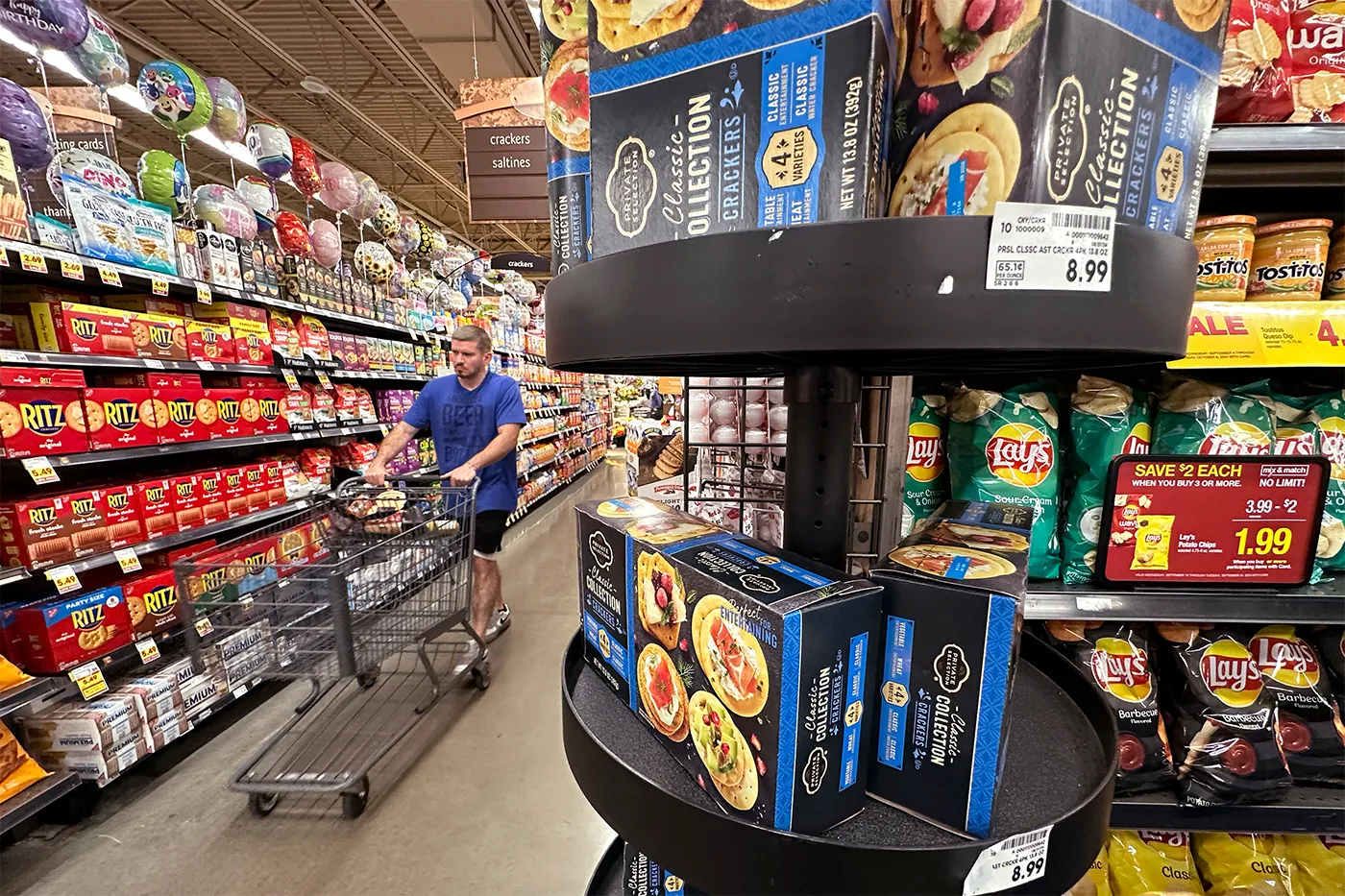
Whole Foods vs. Walmart: New research reveals hidden realities of ultra-processed foods in stores
New research from Professor Albert-Laszlo Barabasi, and colleagues looks at the amount of processed food available in American grocery stores and its health implications.
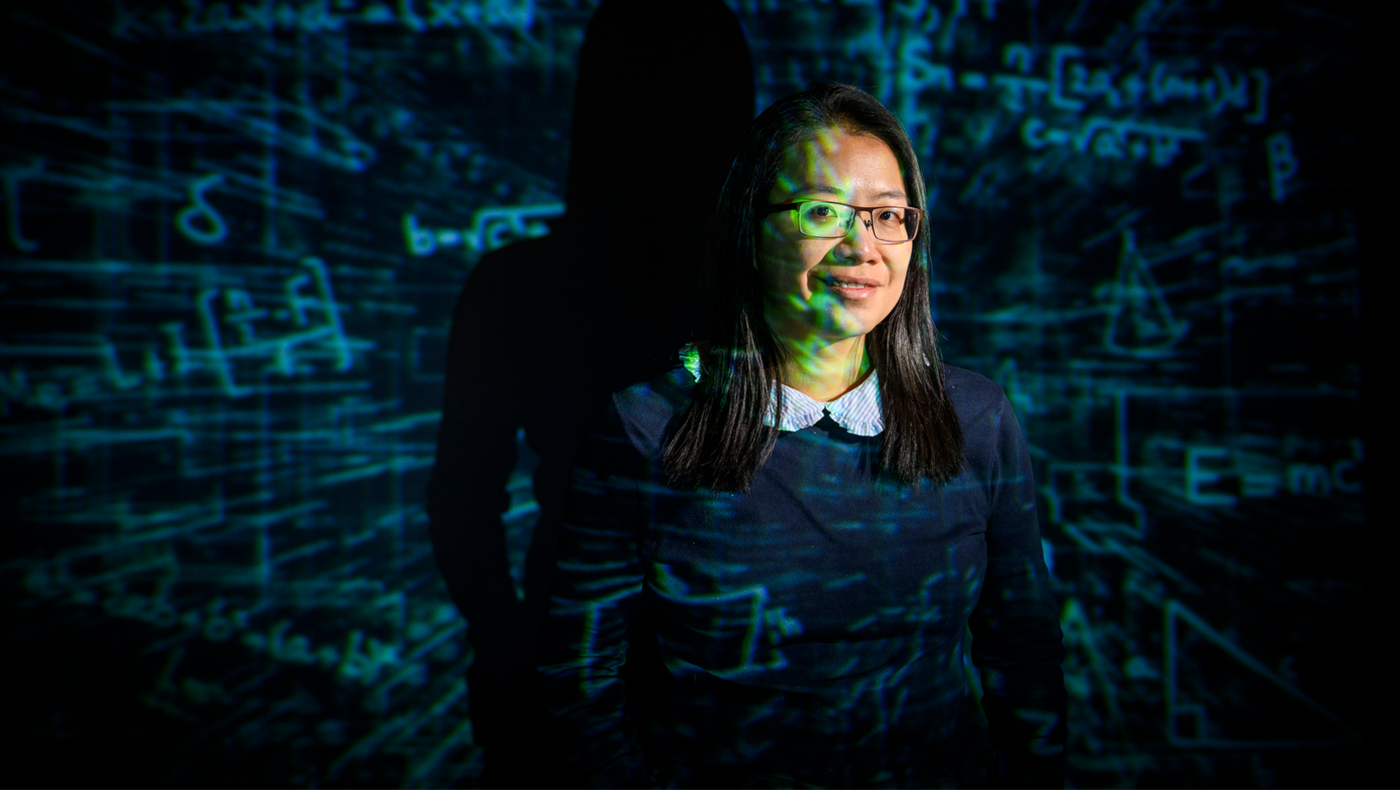
How Yizhi You’s quantum research could revolutionize computing and STEM education
Yihzi You, assistant professor of physics, received a prestigious CAREER award from the National Sciences Foundation to study specific interactions between subatomic particles.
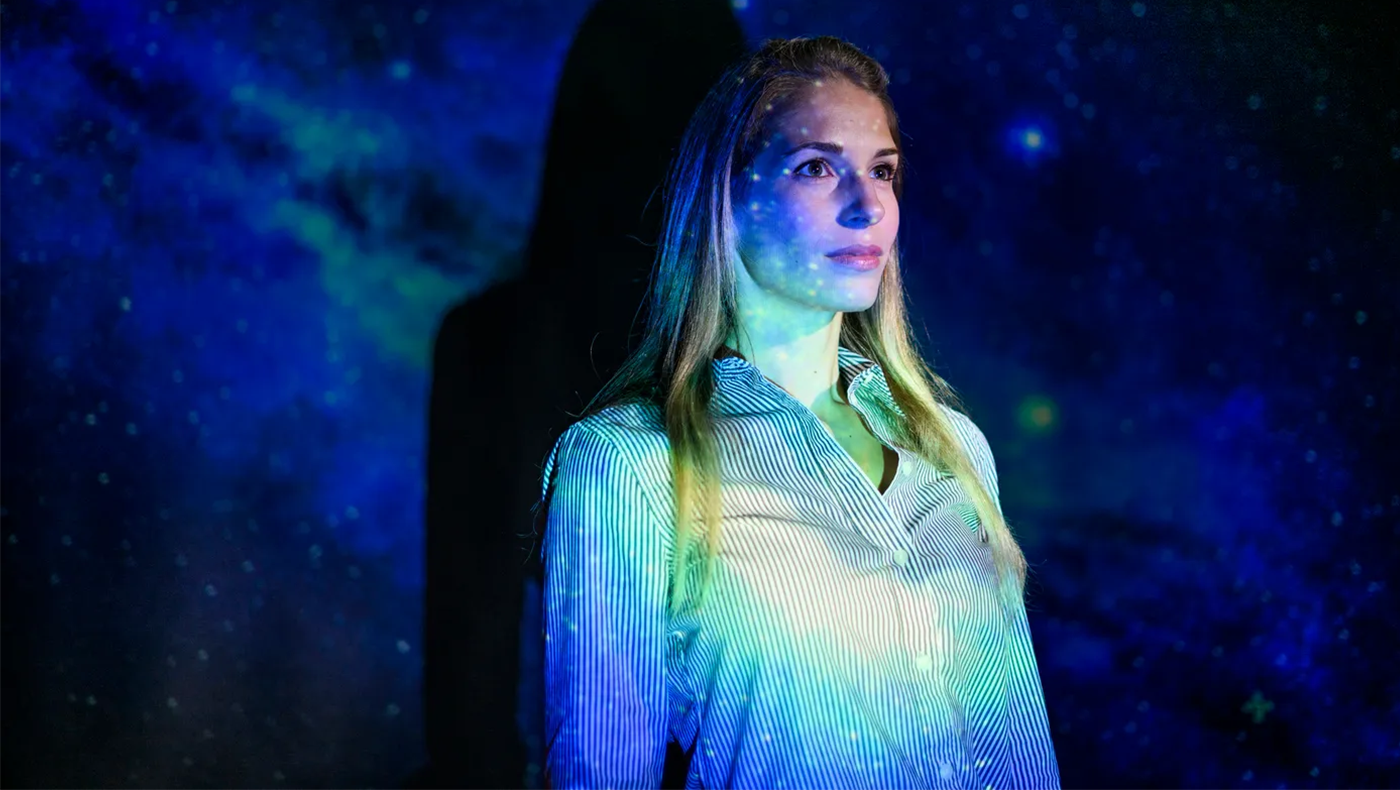
Astronomers discovered 44 ancient stars using gravitational lensing. An astrophysicist explains how they did it
Jacqueline McCleary, assistant professor of physics, helps explain the implications of the historical discovery of 44 stars by a group of astronomers.