COS News
Research

“The basic premise is that AI can help us do better physics, and something that is less expected is that physics can also help us understand AI better,” said Northeastern professor James Halverson.
AI and physics have more in common than you might think.
News
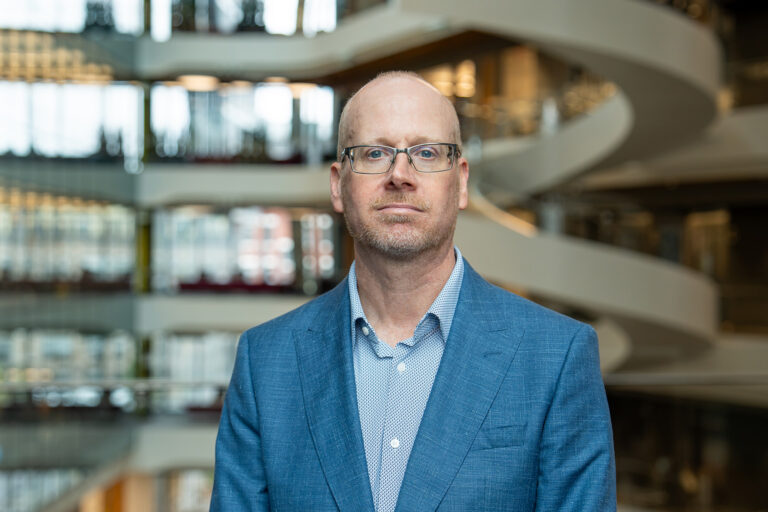
Mark Williams, Professor and Chair of the Department of Physics, will assume the role of Dean of the College of Science, effective July 1, 2026.
Mark C. Williams named Dean of the College of Science
Showing 369 results in News
College Science welcomes new faculty
We are delighted to welcome our newest faculty members with primary appointments in the College of Science. This exceptional group of scholars and educators spans our campuses across the university system, including Boston, Burlington, New York City, and Oakland, and brings deep expertise across the natural, mathematical, and behavioral sciences, along with a shared commitment...
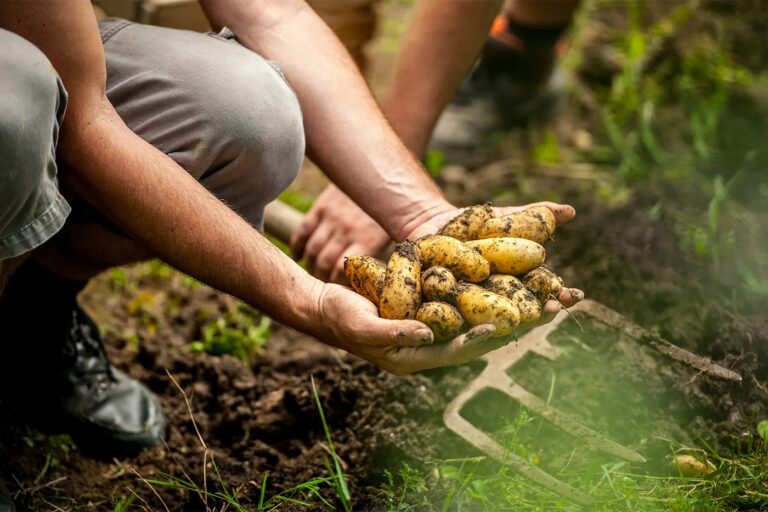
Scientists dig into the potato’s potential to fight gut inflammation
There’s more beneath the skin of a potato than starch. A Northeastern researcher is studying whether a tiny peptide derived from it could offer a new way to treat Crohn’s disease and ulcerative colitis.

“Super” El Niño will bring topsy-turvy weather to much of the globe
Weather anomaly could be mightiest on record.
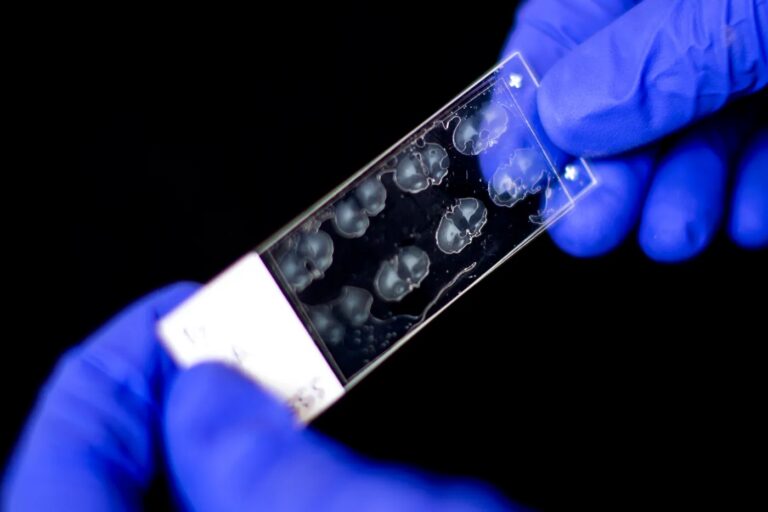
Some rats freeze when they anticipate danger. Others make a run for it
Fear has more than one gear. Why do some rats freeze while others spring into action when they anticipate danger? New research explores the brain mechanisms behind the responses, with implications for PTSD treatment.

Co-op finds conversation, commitment and community in Uganda
Zora Hynnek recently completed a co-op as a researcher with the Foundation for Sustainable Community-Based Development (FOSCOD) in Jinja, Uganda.
Are chatbots changing the way people talk? Insights into language in the age of AI
Chatbots are leaving fingerprints on human language, from word choice and sentence structure to the way people navigate conversations. Three Northeastern experts explore language change and the role of AI.

Scientists create a hydrogel that heals itself. It’s also fully recyclable
A self-healing material developed by Northeastern researchers can repair itself in a matter of minutes. Its recyclable design could keep long-lasting waste out of landfills.
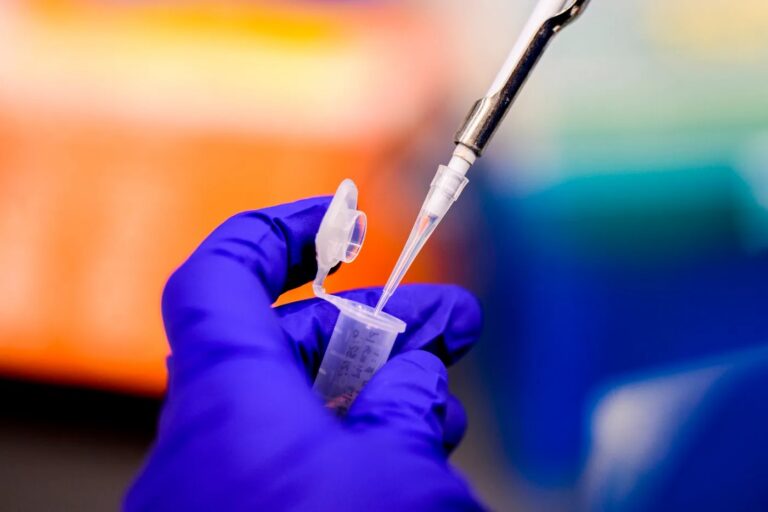
Northeastern’s bioinformatics escape room allows guests to become genetic detectives
The gamified escape room experience introduced the next generation of scientists to the complex field of bioinformatics and its wealth of professional opportunities in the Bay Area.
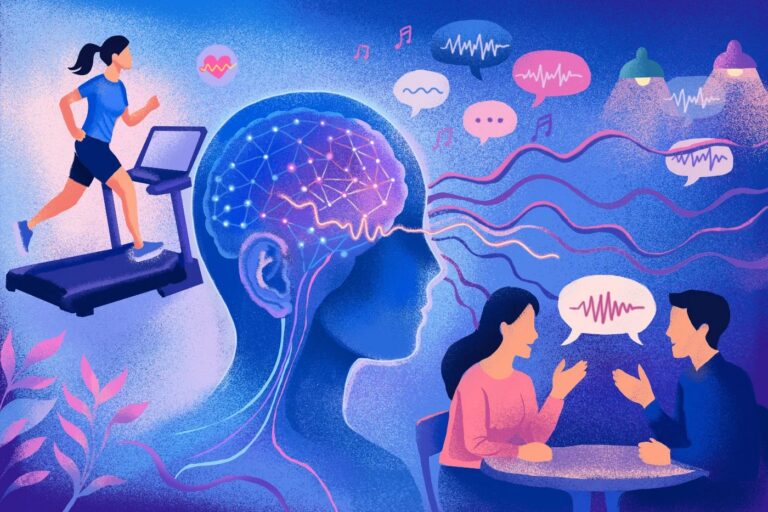
Break a sweat, hear more? Early results point to a surprising link between fitness and speech perception
There’s another reason to make time for a Peloton session or squeeze in a run before work — it could be good for your hearing. Northeastern researchers found that fitness boosts speech perception in a noisy environment.

Witnessing Roman space telescope launch was a ‘privilege,’ Northeastern professors say
Two Northeastern cosmologists were invited to witness the launch of the Nancy Grace Roman Space Telescope that will help scientists learn more about exoplanets, dark matter and other mysteries of deep space.

Who’s listening when you say “thank you”? It matters more than you might think
There may be more to a simple “thank you” than meets the ear. Northeastern researchers found that witnessing someone express gratitude creates a halo effect that makes observers want to interact or collaborate with them.
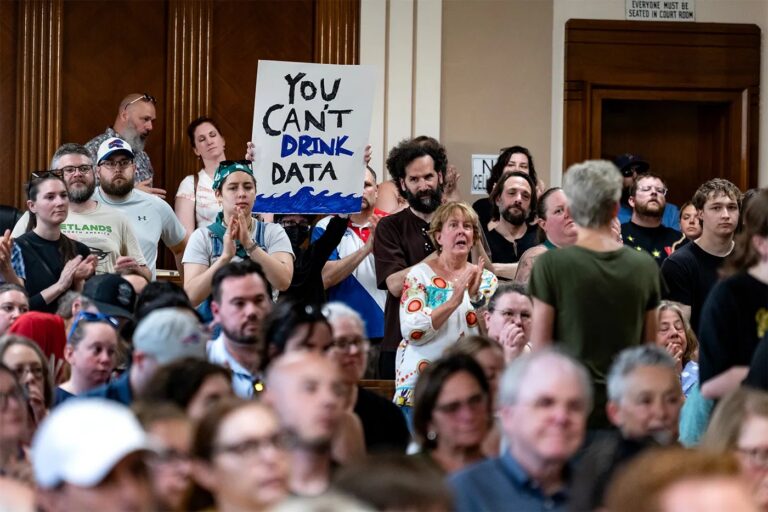
What would Ned Ludd have to say about artificial intelligence?
Times of technological change, such as the present AI revolution, have a way of summoning old anxieties. Lately, that has meant the return of a lexical boogeyman that harkens back to a bygone era: the Luddites.