COS News
Research

“The basic premise is that AI can help us do better physics, and something that is less expected is that physics can also help us understand AI better,” said Northeastern professor James Halverson.
AI and physics have more in common than you might think.
News

Mark Williams, Professor and Chair of the Department of Physics, will assume the role of Dean of the College of Science, effective July 1, 2026.
Mark C. Williams named Dean of the College of Science
Showing 247 results in Physics
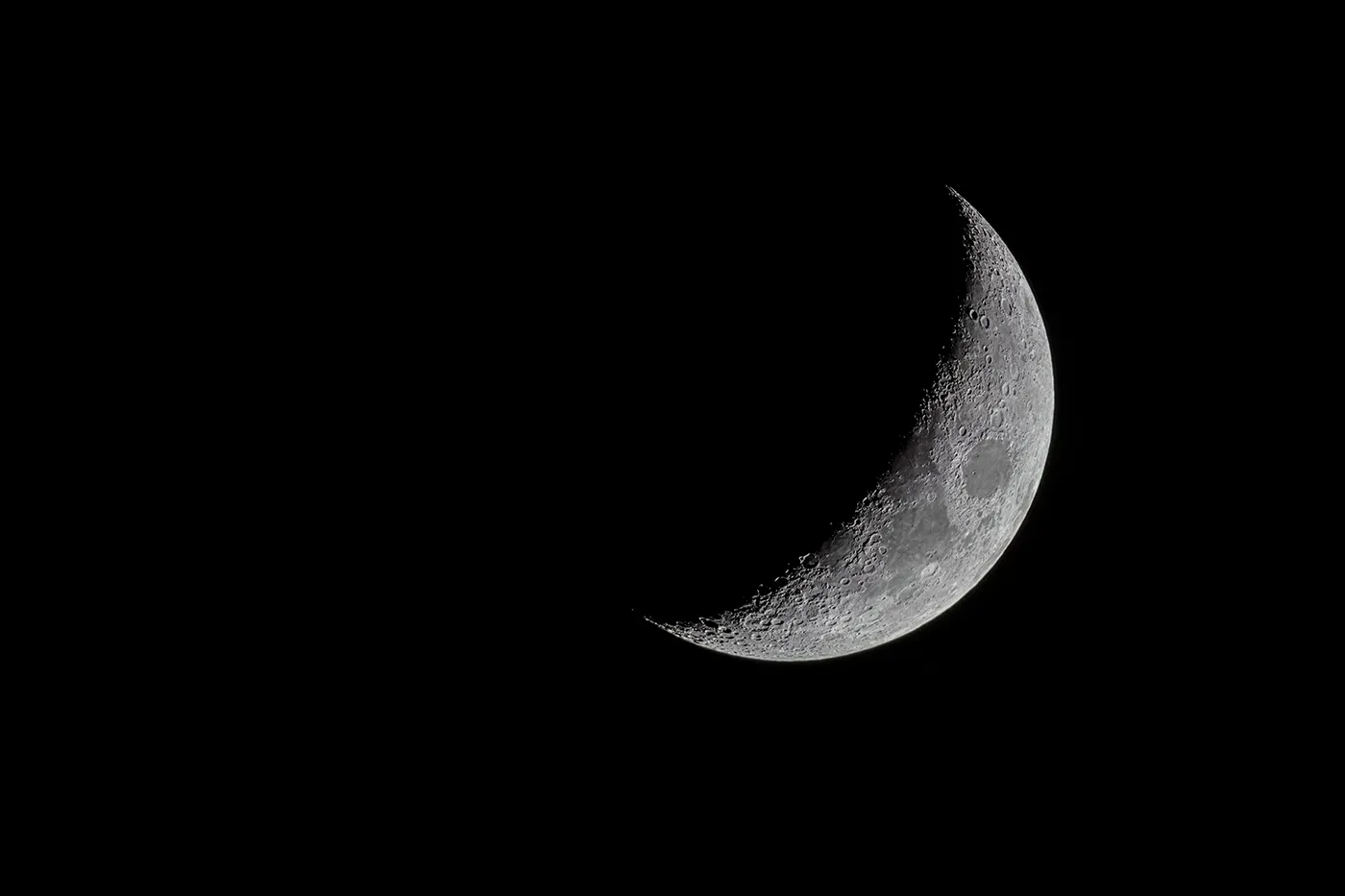
Yes, the moon is shrinking. Here’s what that means for the planned Artemis III mission — and future lunar visits
As NASA gears up to send human beings back to the moon during the still-to-be-scheduled Artemis III mission, researchers with the federal agency are learning more about the geologic profile of Earth’s lone satellite — including that it, apparently, has been shrinking. A study published recently found that a proposed landing site for NASA’s long-anticipated...
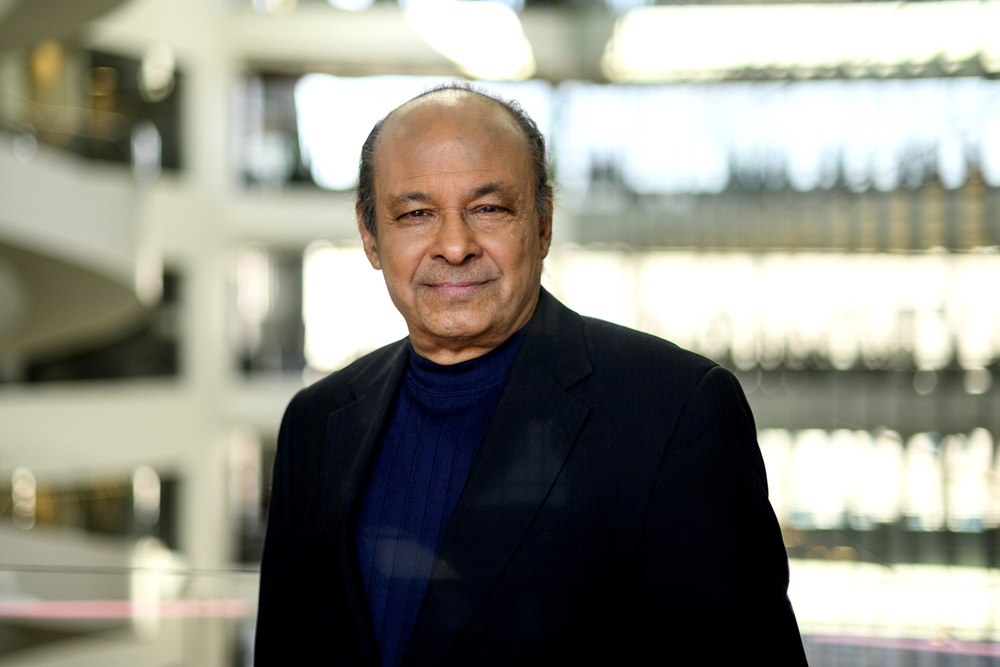
Q&A with Professor Srinivas Sridhar: Awardee of the 2023 National Academy of Inventors
Congratulations to Professor Srinivas Sridhar on his election as a 2023 National Academy of Inventors (NAI) Fellow. Sridhar’s election comes from demonstrating a “highly prolific spirit of innovation in creating or facilitating outstanding inventions that have made a tangible impact on the quality of life, economic development, and welfare of society.” Read more about the...

Are space elevators possible? Physicist says they could transform humanity into a ‘spacefaring civilization’
Humanity’s quest to explore — and, perhaps eventually, colonize — outer space has prompted a great many ideas about how precisely to go about it. While conventional wisdom suggests that space launch via rockets is the best way to send human beings into orbit, other “non-rocket” methods have been proposed, including a futuristic “space elevator.”...
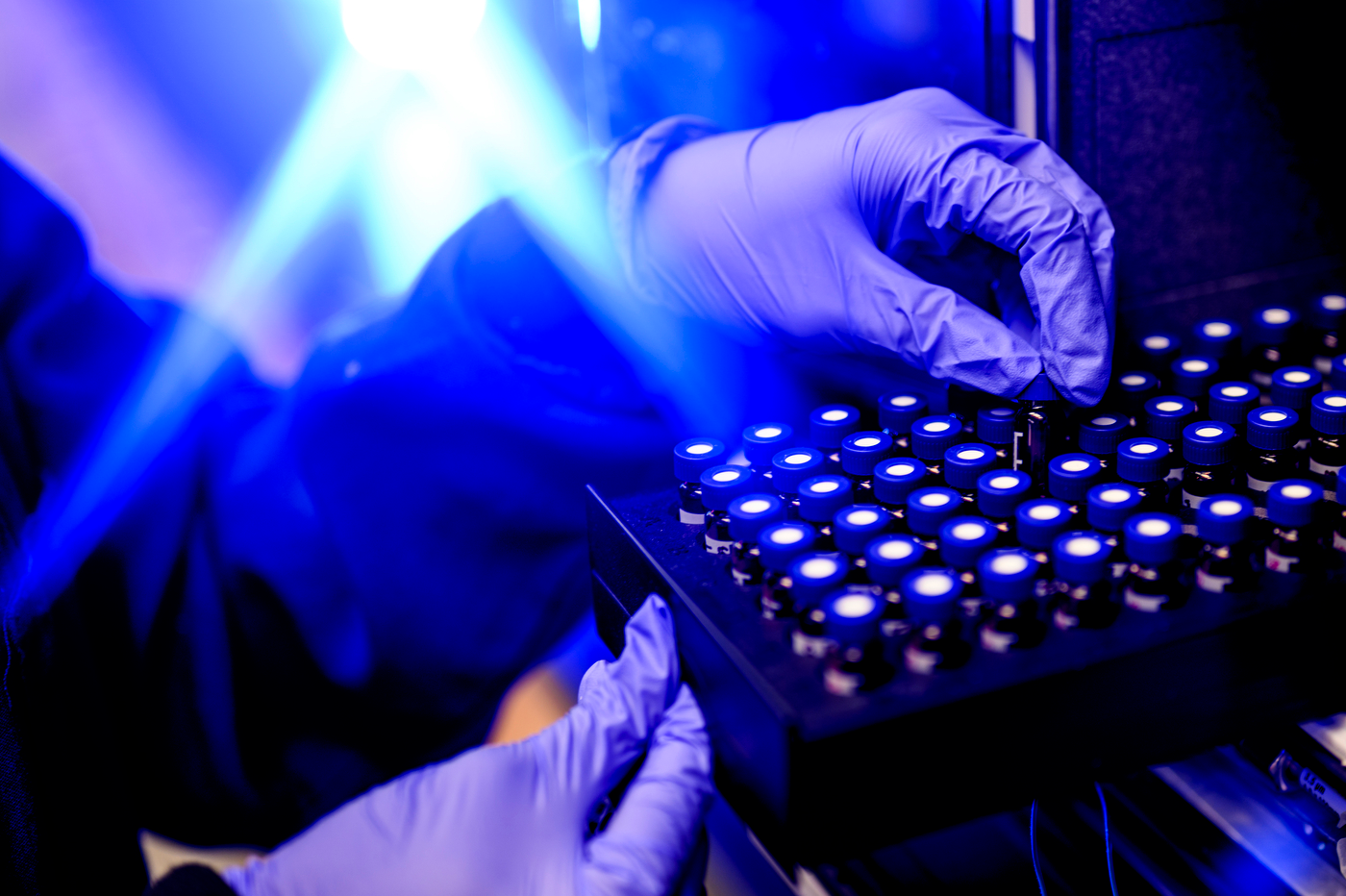
Nanomedicine could reduce the frequency of breast and ovarian cancer treatments, research finds
A Northeastern University researcher is using nanomedicine to develop a time-released immunomodulatory treatment that would lengthen time between hospital visits for patients fighting advanced breast cancer. Most cancer drugs require continual daily or weekly delivery, leading to frequent hospital visits, says Needa Brown, an assistant teaching professor of physics at Northeastern. “It’s not the best...
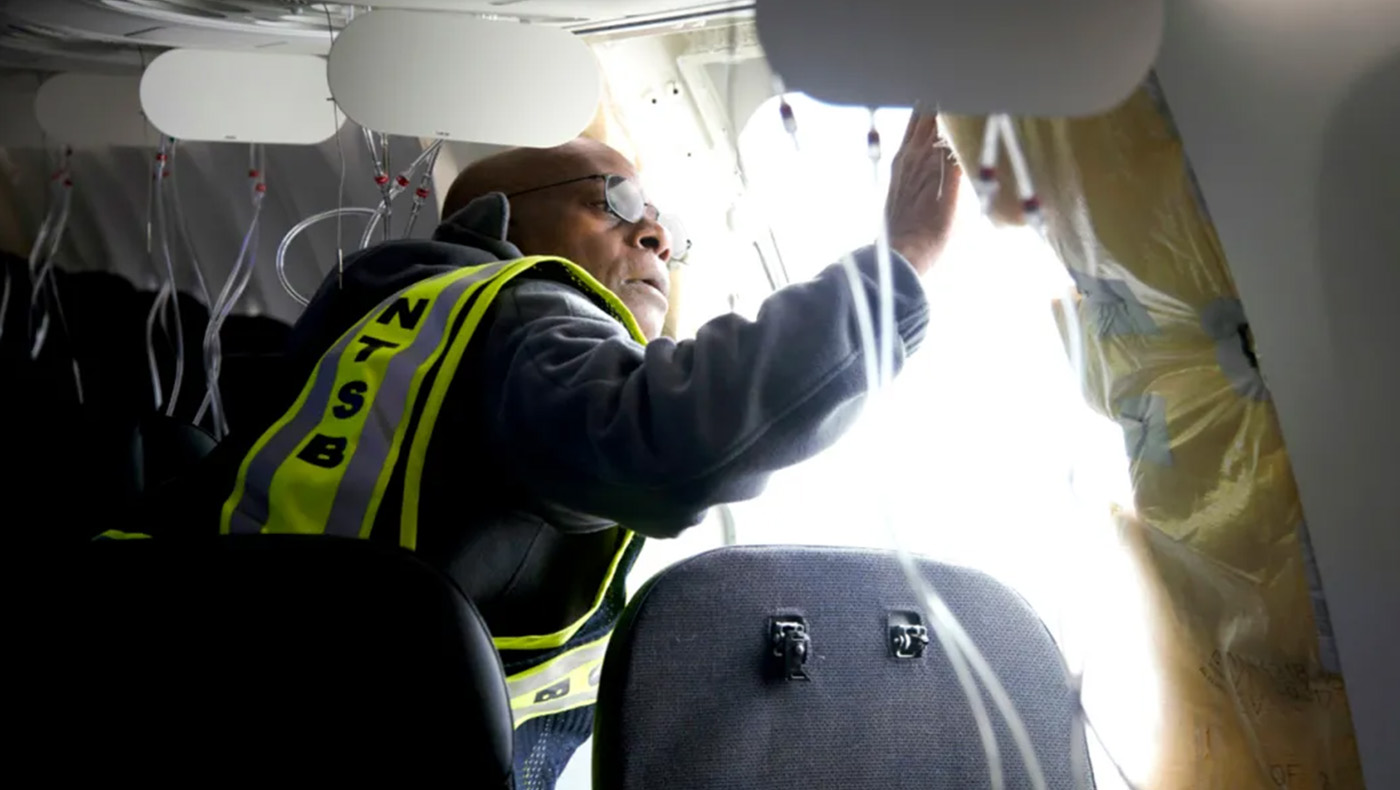
The physics of rapid ‘depressurization.’ Passengers on Alaska Airlines flight 1282 likely would have died if blowout occurred above 40,000 feet, physicist says
If the Alaska Airlines plane that lost a portion of its fuselage while ascending after takeoff Friday had been flying at normal cruising altitude, its passengers and crew would probably have died from the depressurization event, according to a Northeastern expert. The Boeing 737 Max 9 airplane was only minutes into its flight from Portland,...
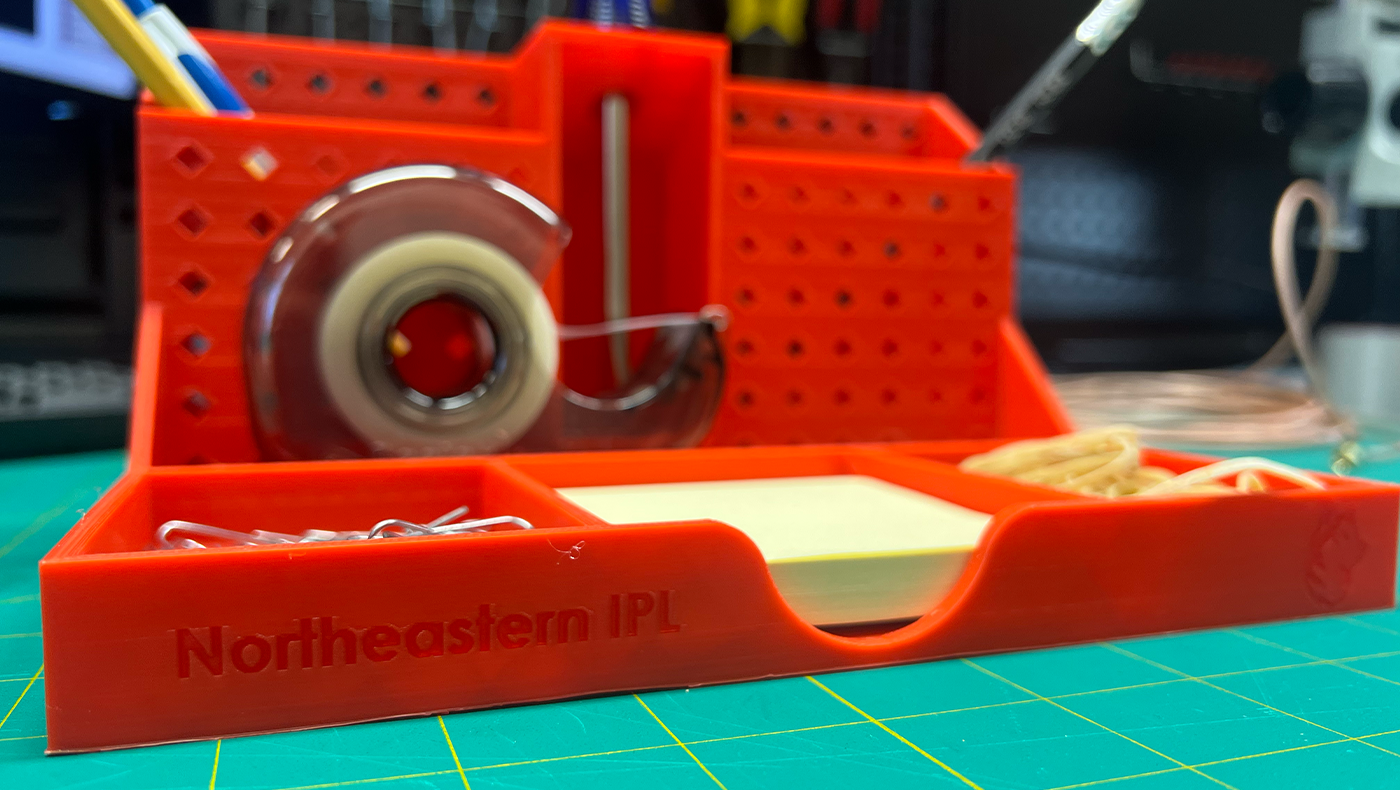
Innovations in the Introductory Physics Labs
The Introductory Physics Laboratory (IPL for short) in the College of Science is one of the biggest teaching labs at Northeastern, serving about 1,300 students every term. It is supervised by professors Baris Altunkaynak, Oleg Batishchev and Paul Champion. Ron Zettlemoyer and Austin Beaudette are the electronics and instructional lab support technicians. There is a...
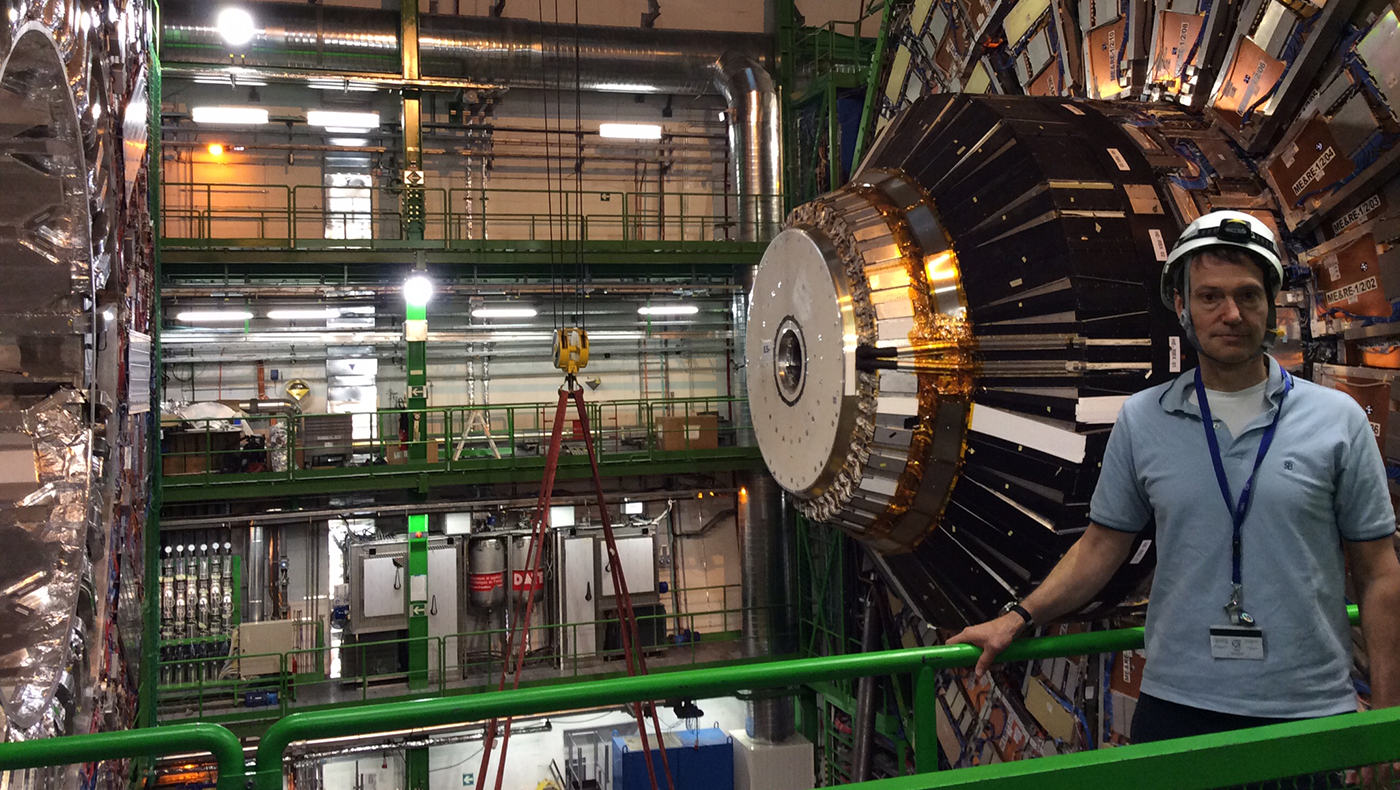
The world’s most powerful particle accelerator is helping discover the universe’s deepest secrets
Located at the European Organization for Nuclear Research (CERN) near Geneva, Switzerland, the Large Hadron Collider (LHC) is the world's most powerful particle accelerator and is used to study elementary particles and their interactions.
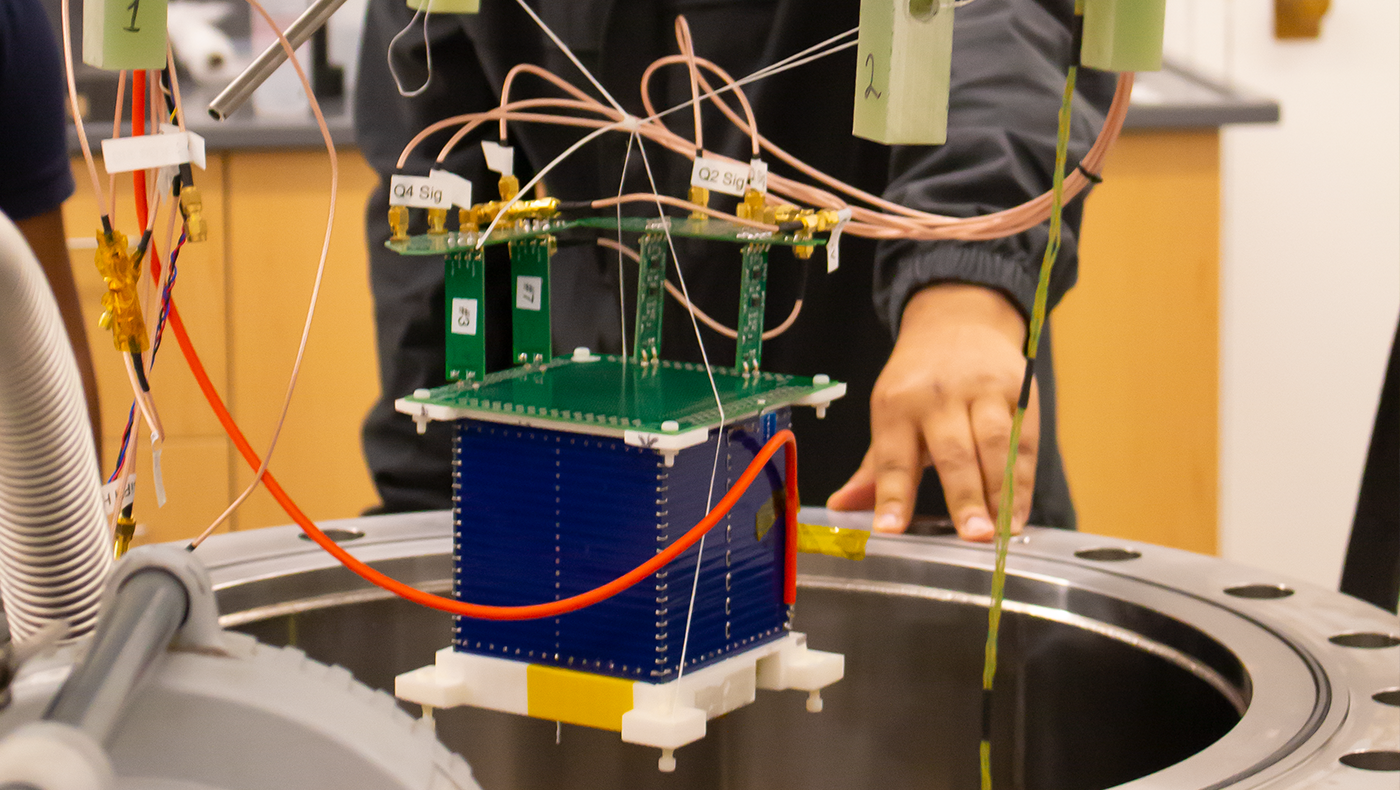
The Aramaki Lab reaches new heights with the GRAMS project
The Aramaki Lab at Northeastern University, led by Assistant Professor Tsuguo Aramaki, is making exciting advances in the field of astrophysics.

What should stay open during the next pandemic? New model weighs protecting public health and the economy
The COVID-19 pandemic not only threatened the health of people around the world, but also exacted a significant toll on the global economy.

Groundbreaking blood test for rheumatoid arthritis treatment is ‘first step towards a better future’ for patients
Seven years ago, Northeastern graduate Susan Dina Ghiassian was the first employee of Scipher Medicine Corp., a precision medicine company co-founded by Northeastern professor Albert-László Barabási.
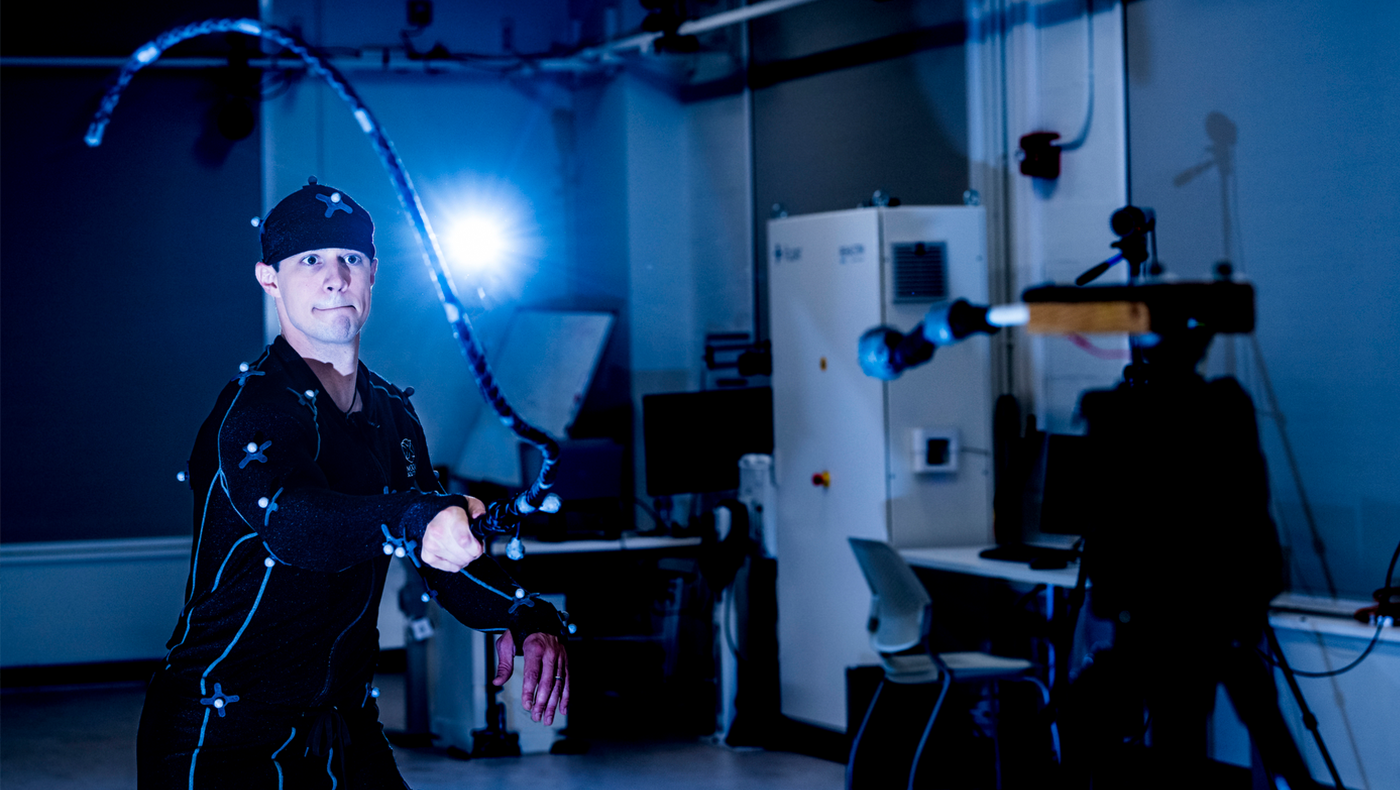
Why do robots need to use whips? Researchers test the extremes of human motor control to advance robotics
On any given day, Richards Hall on Northeastern University’s Boston campus is filled with the sound of students’ shuffling feet or energetic class discussions, but this week you might have heard something else: a whip cracking.

How to safely watch Oct. 14 ‘ring of fire’ eclipse
A spectacular ‘ring of fire’ solar eclipse on Oct. 14 will be a sight worth viewing, but only with proper eye protection, according to Northeastern University experts.