COS News
Research

“The basic premise is that AI can help us do better physics, and something that is less expected is that physics can also help us understand AI better,” said Northeastern professor James Halverson.
AI and physics have more in common than you might think.
News
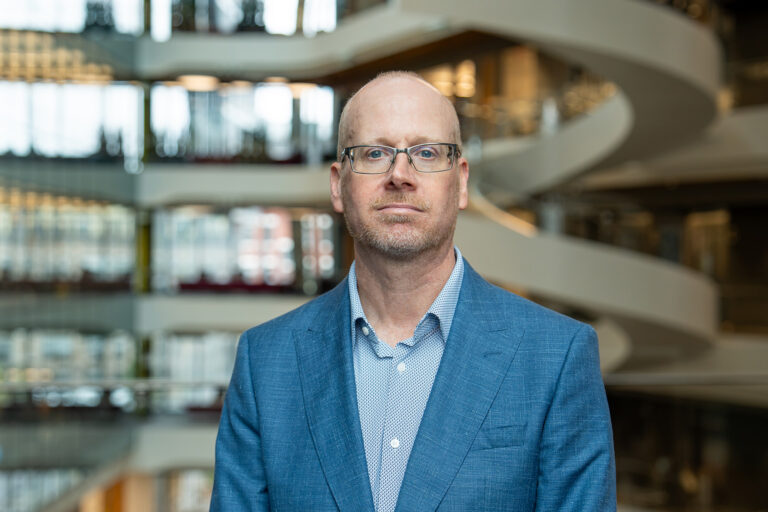
Mark Williams, Professor and Chair of the Department of Physics, will assume the role of Dean of the College of Science, effective July 1, 2026.
Mark C. Williams named Dean of the College of Science
Showing all results
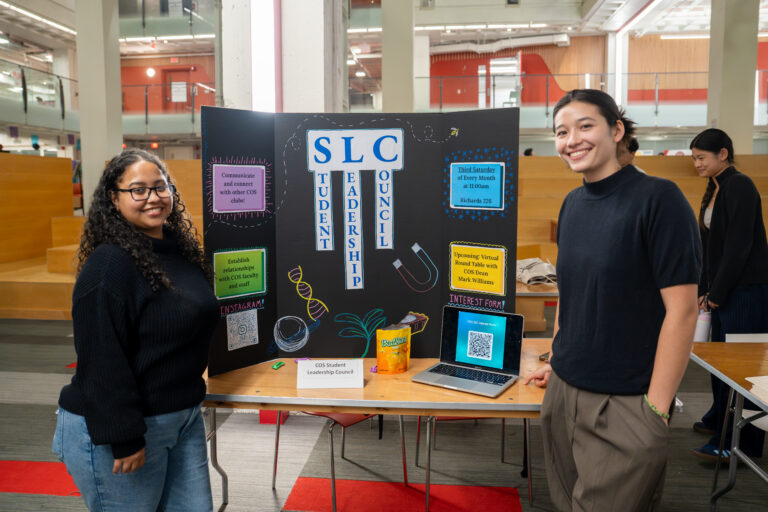
New to Boston? Meet your new favorite club
The fourth annual event, organized by the Student Leadership Council, brought 596 students together with 43 College of Science student organizations.
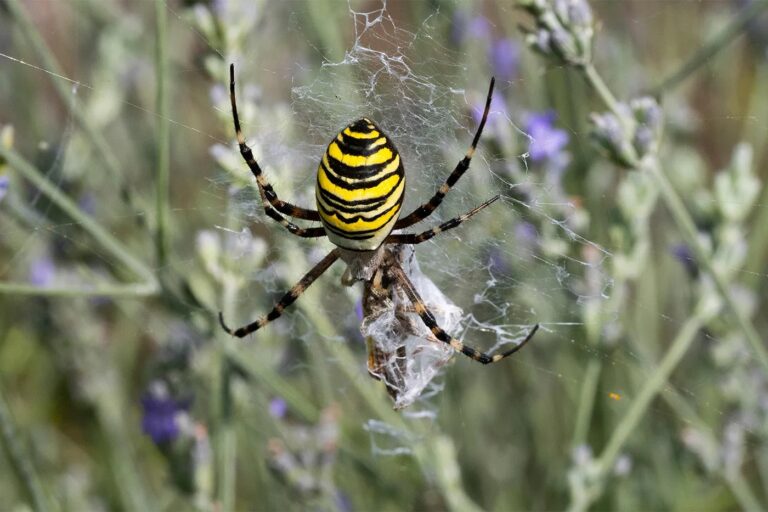
A spider in disguise puts the travel habits of wildlife in the spotlight
Wendy the wasp spider has turned up in a new neighborhood in northern England. Northeastern experts explain what sends animals packing, how climate change factors in and why newcomers don’t always get a warm welcome.

The student combining theater and psychology to support homeless youth in the Bay Area
While the arts alone cannot solve homelessness, Northeastern student Rachel Oppong said they provide a place for people to be seen as more than their circumstances.
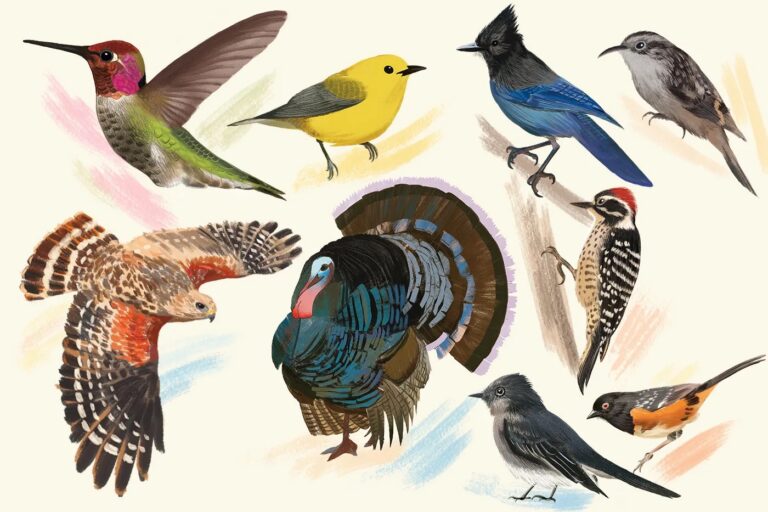
The sights and sounds of Northeastern Oakland’s resident bird species
Learn about 10 of the most unique bird species on Northeastern’s Oakland campus and listen to the songs that make up its natural soundtrack.
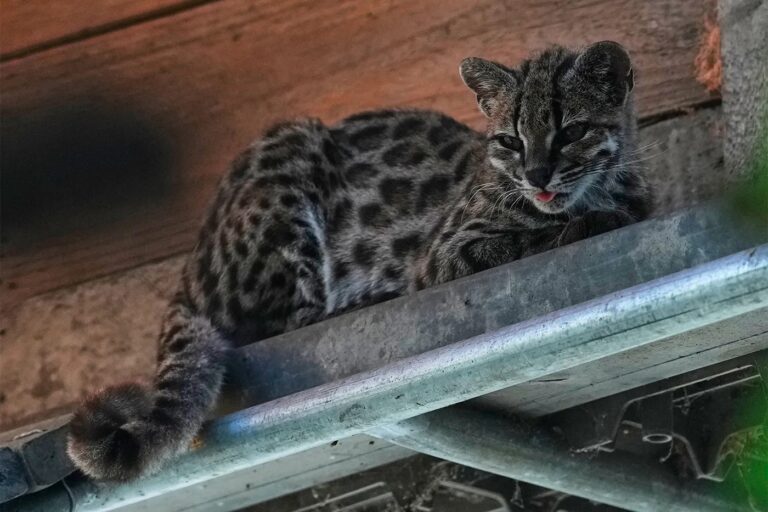
This cat is new to science. What does it take to identify a species?
A miniature leopard look-alike with no interest in domestic life helped put a new wild cat species on the scientific map. The tilcayo’s story offers a glimpse into how species are discovered and protected.

A grandfather’s struggle leads Northeastern student to a co-op studying neurodegenerative prion disease.
Sophie “Sofi” Gandsas helped coordinate three studies of neurodegenerative prion disease at Massachusetts General Hospital during her co-op.
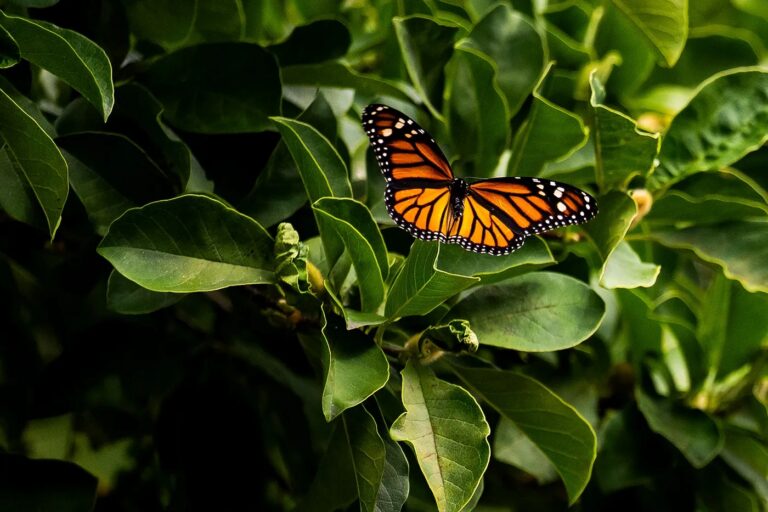
Monarch butterflies face possible extinction without more care to preserve their habitats
America’s favorite bug is fluttering to Mexico for the winter
College of Science welcomes new faculty
We are delighted to welcome our newest faculty members with primary appointments in the College of Science. This exceptional group of scholars and educators spans our campuses across the university system, including Boston, Burlington, New York City, and Oakland, and brings deep expertise across the natural, mathematical, and behavioral sciences, along with a shared commitment...
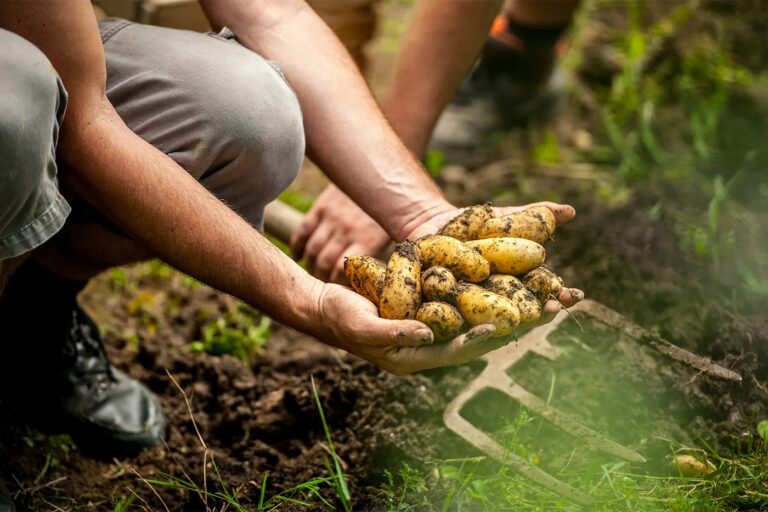
Scientists dig into the potato’s potential to fight gut inflammation
There’s more beneath the skin of a potato than starch. A Northeastern researcher is studying whether a tiny peptide derived from it could offer a new way to treat Crohn’s disease and ulcerative colitis.
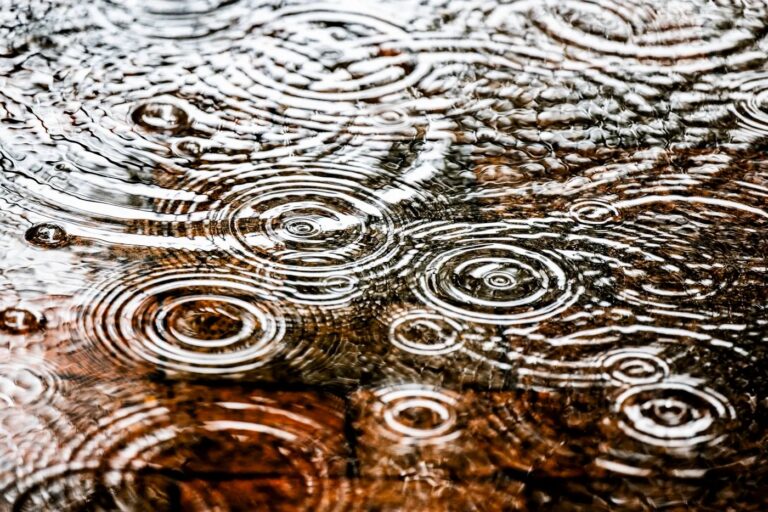
“Super” El Niño will bring topsy-turvy weather to much of the globe
Weather anomaly could be mightiest on record.
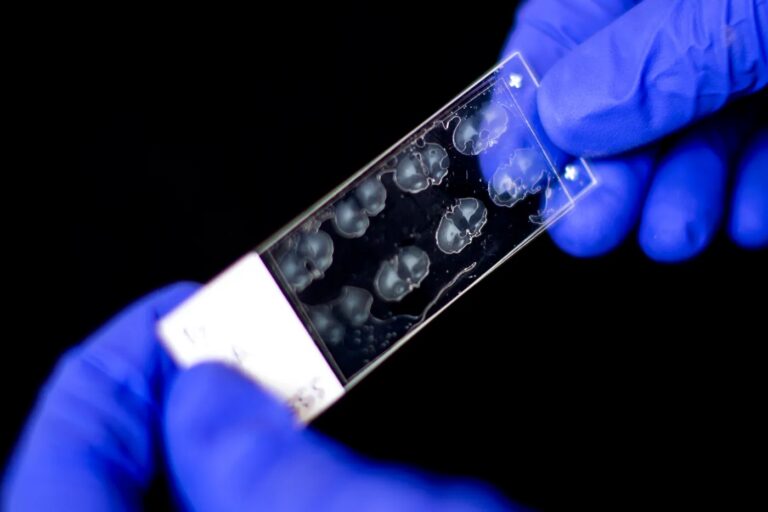
Some rats freeze when they anticipate danger. Others make a run for it
Fear has more than one gear. Why do some rats freeze while others spring into action when they anticipate danger? New research explores the brain mechanisms behind the responses, with implications for PTSD treatment.
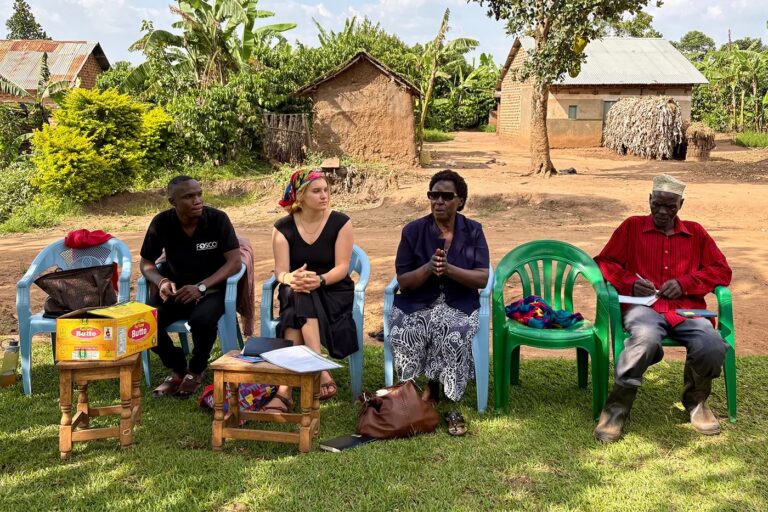
Co-op finds conversation, commitment and community in Uganda
Zora Hynnek recently completed a co-op as a researcher with the Foundation for Sustainable Community-Based Development (FOSCOD) in Jinja, Uganda.