COS News
News

A new report from a group of Northeastern researchers explores across disciplines how biotech can ensure safe, sustainable life beyond Earth.
The key to international space cooperation is developments in biotechnology, Northeastern researchers say
News

The NeuroPRISM lab, led by assistant psychology professor Stephanie Noble, makes tools that pave the way for reliable and reproducible neuroimaging of the brain.
Precise maps of the brain’s deepest corners are made possible through tools developed by these Northeastern researchers
Showing 160 results in Research

Protective salt marshes along coasts are in danger across the globe but it’s not too late to act, Northeastern researchers say
Salt marshes like Belle Isle in Boston provide vital ecosystem services, but sea-level rise threatens their future without urgent restoration efforts.
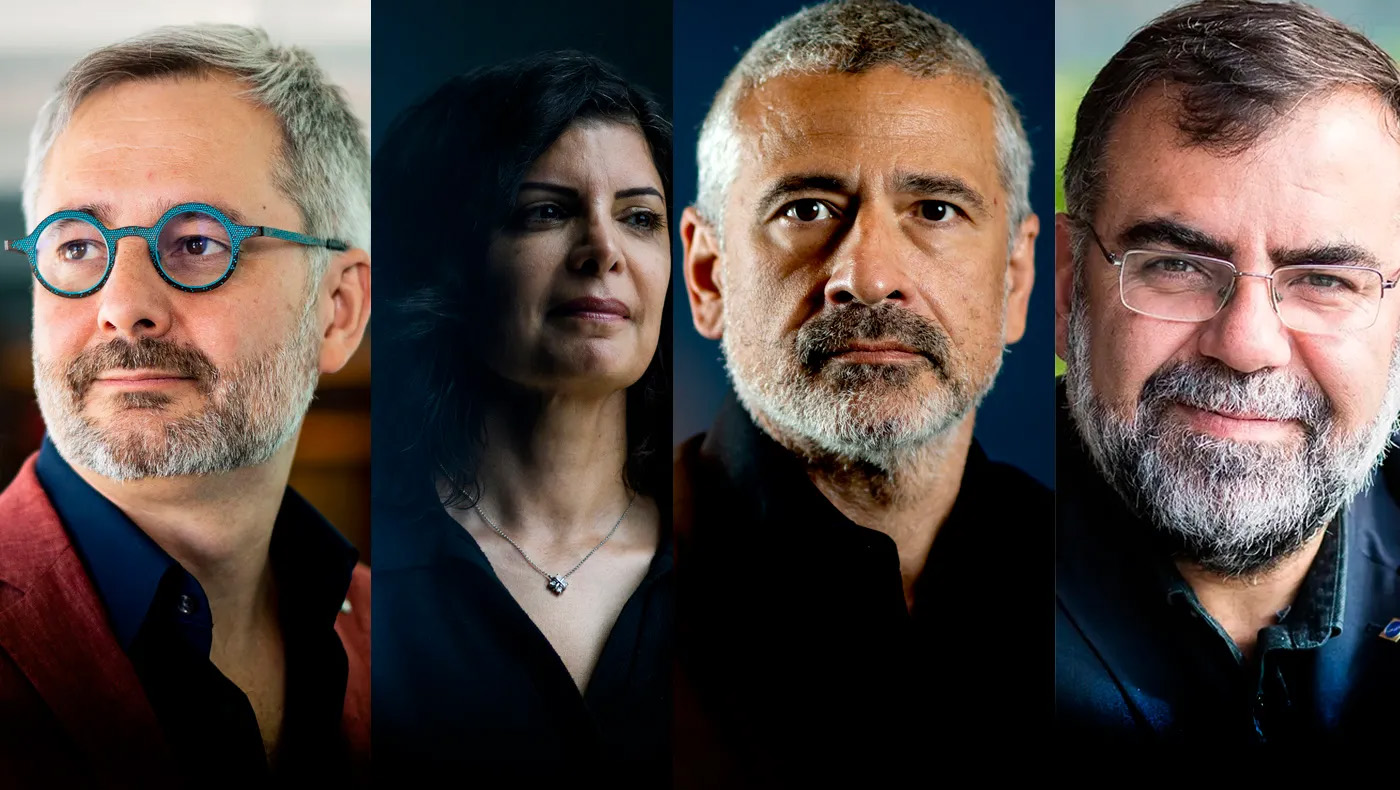
The interaction between humans and artificial intelligence demands a new field of study, Northeastern researchers say
Eliassi-Rad is one of several Northeastern researchers who have proposed a new area of study they are calling “Human AI Coevolution” to better understand and analyze these feedback loops. Other researchers on the project include Northeastern professors Ricardo Baeza-Yates, Albert-László Barabási and Alessandro Vespignani.
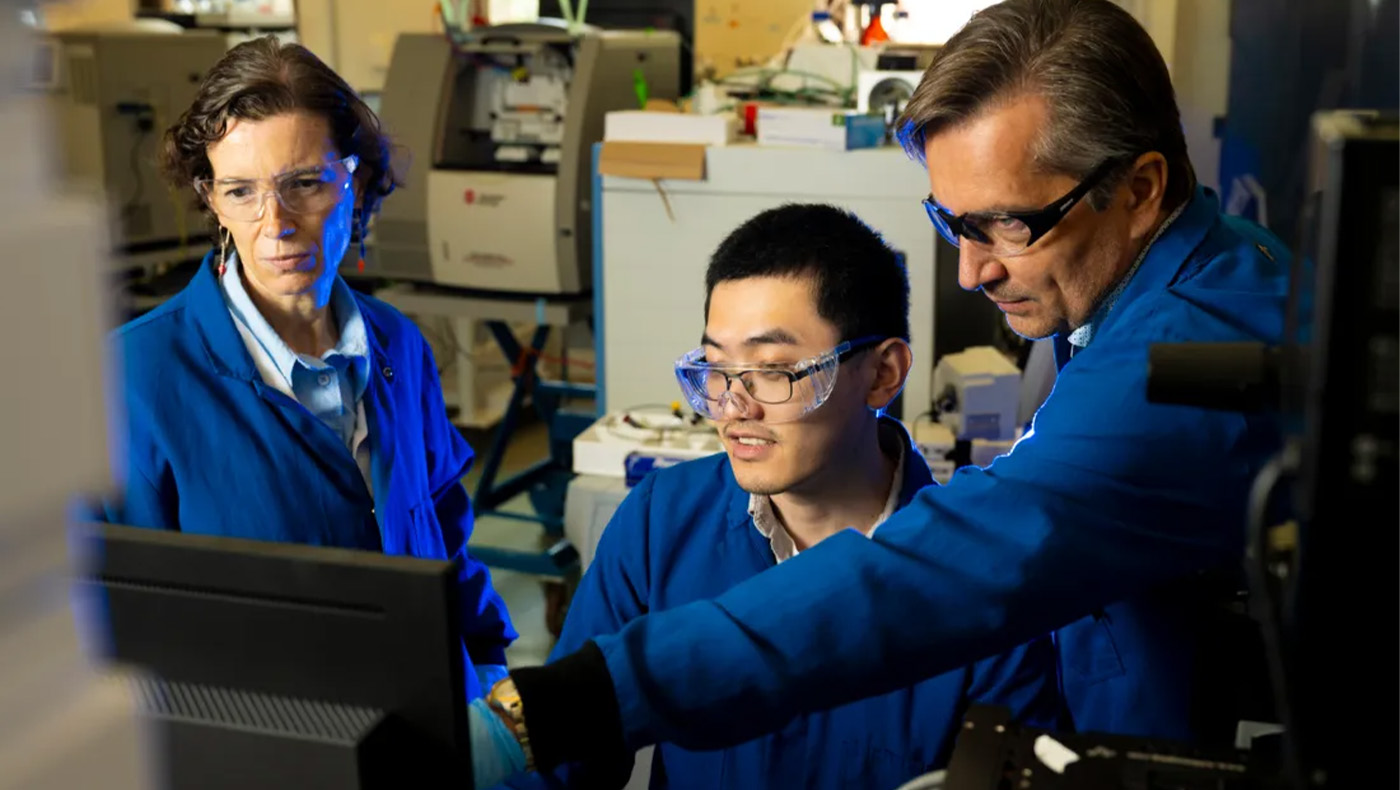
Northeastern researchers find a faster and more sensitive way to study proteins, which could lead to advances in disease treatment
Northeastern researchers find a faster and more sensitive way to study proteins, which could lead to advances in disease treatment
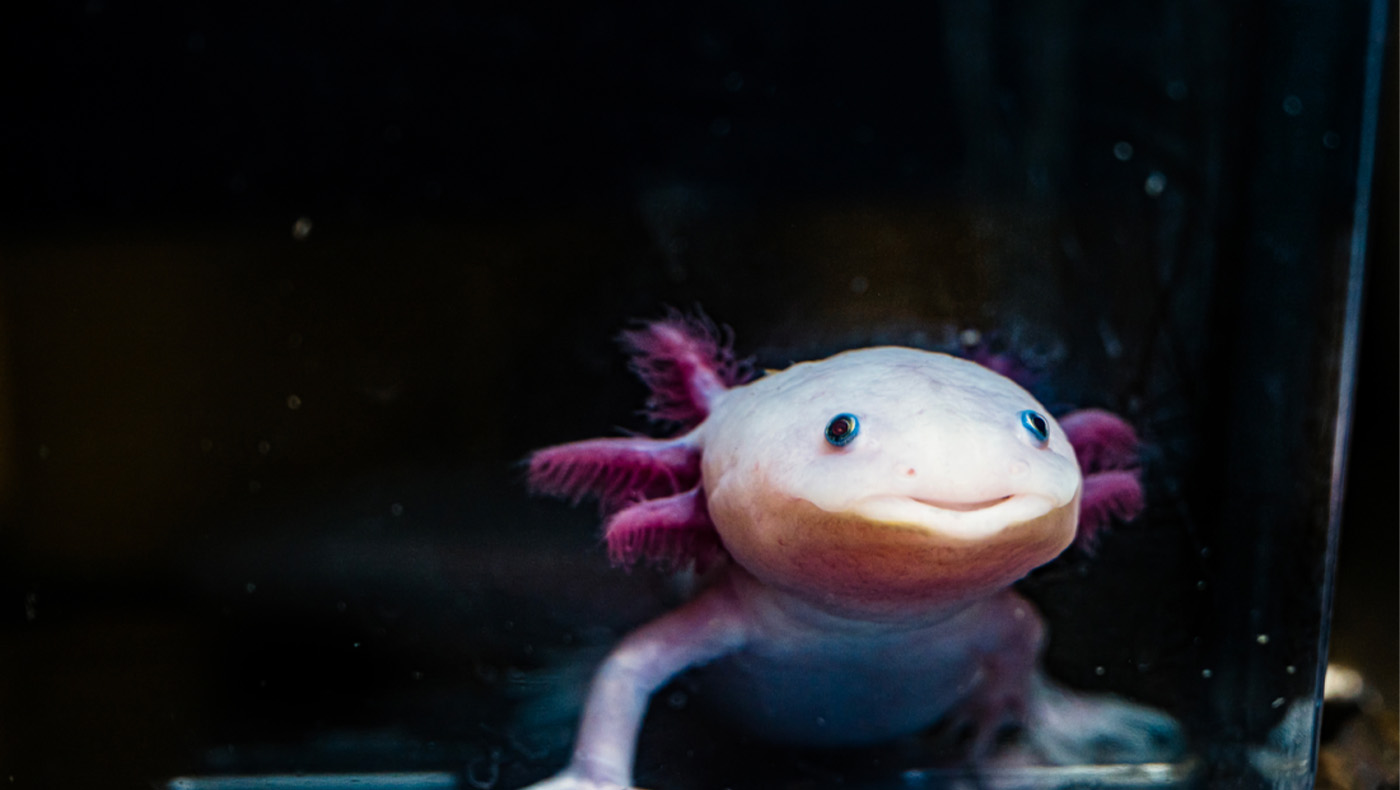
Why are axolotls suddenly so popular — and going extinct at the same time?
Northeastern University professors explain how the axolotl — an adorable amphibian with a permanent smile and pink, feathery gills — has become so popular, and why it’s also critically endangered in the wild.
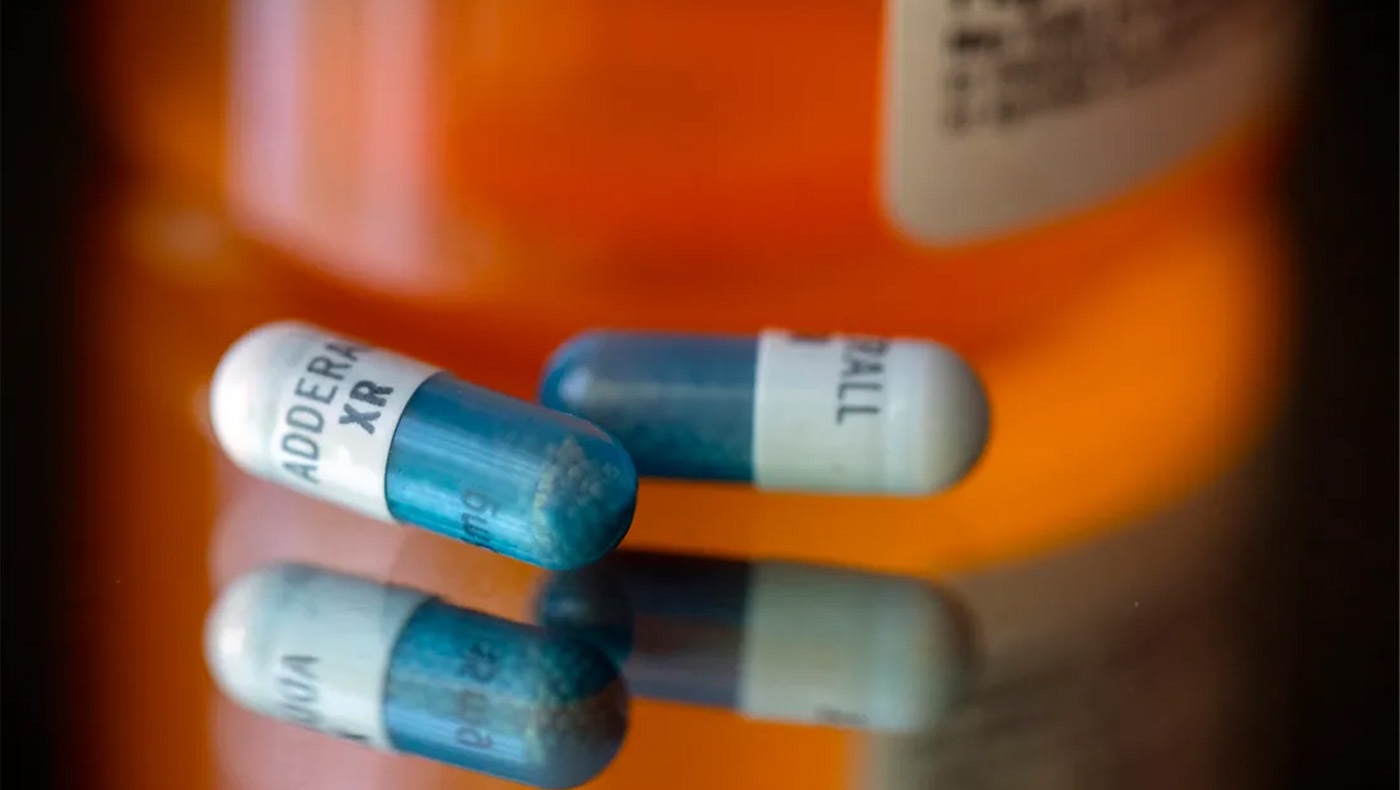
New research from Northeastern University finds that regular marijuana use suppresses the effects of Adderall on the brains of mice
Ferris says that the study is “incredibly topical” as marijuana and Adderall are two readily available, commonly used drugs — especially among people in high-stress environments.

A celebration of undergraduate researchers
This fall, we celebrated the outstanding research opportunities offered to our undergraduate students, made possible through generous donors and initiatives like the new Dean’s Undergraduate Research Scholars program which aims to immerse students, as early as their first year, in the exciting discoveries being made in the College. Students (listed below) presented the important research […]

Undergraduates shine at Psychology & the Other Conference in London
This past July 13-14, Aaron B. Daniels, associate teaching professor of psychology, took 22 undergraduate students to run and present papers at a Psychology & the Other Conference, held at Northeastern’s London campus. The students were part of Professor Daniels’s Psychological Humanities at Northeastern University (PH@NU) Workgroup and were generously supported by the College of […]
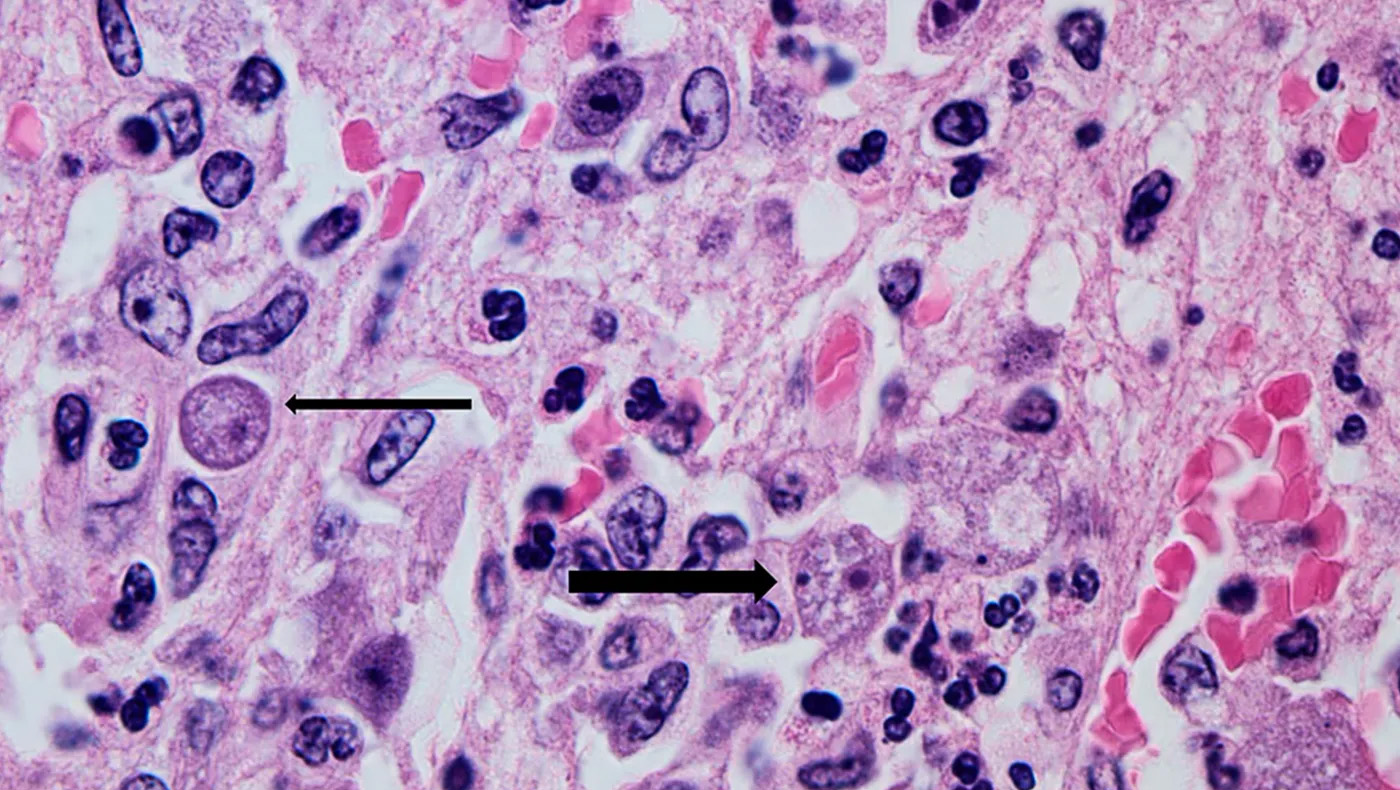
Deadly amoebic encephalitis and brain-eating amoebas in the crosshairs of Northeastern researchers
Northeastern researchers are targeting brain-eating amoeba that cause a rare, but deadly, infection
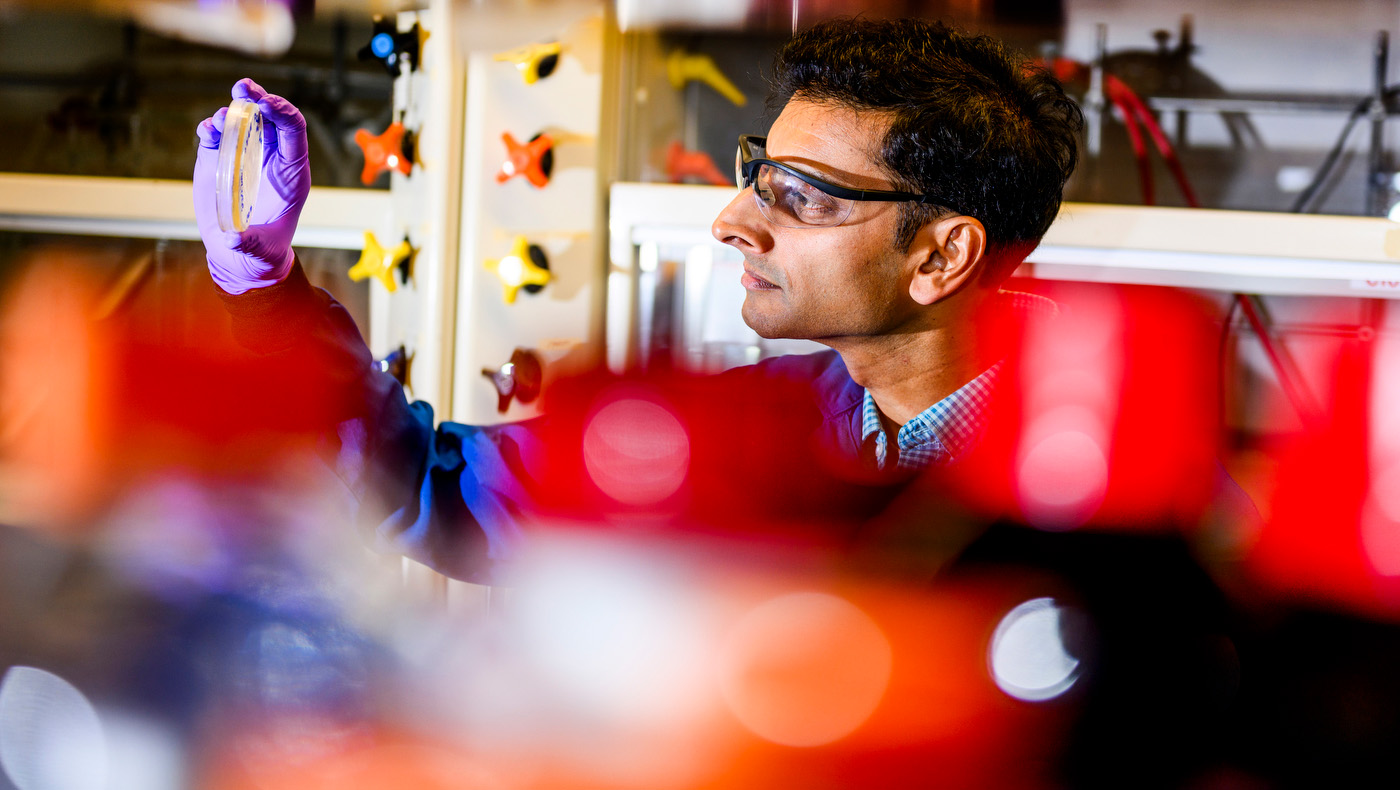
Northeastern researchers create plastic that dissolves in water that promises to combat global pollution crisis
“Right now we use a lot of conventional nonbiodegradable plastics for applications they don’t need to be used in at all,” Joshi says. “If we replace that with our plastic, you could just flush it down the toilet and it would biodegrade.”

Computational chemistry promises to upset traditional methods of chemical synthesis
Sijia Dong, assistant professor in chemistry and chemical biology, has received an NIH MIRA grant, supporting revolutionary protein design strategies for drug synthesis.

Infant brains are like sponges. Predictable caregivers can make them even spongier, new Northeastern research finds
Northeastern researchers discovered new insights about how early childhood development unfolds, adding to a burgeoning literature focused on how caregivers shape their children — and the plasticity of the infant brain.

What’s killing corals? Northeastern professor uses machine learning to identify a suspected pathogen
Northeastern University professor Steven Vollmer says he and his team of researchers combined field work and tank experiments with machine learning models to narrow the list of most likely pathogens to a berry-shaped bacteria known as Cysteiniphilum litorale.