COS News
Research

“The basic premise is that AI can help us do better physics, and something that is less expected is that physics can also help us understand AI better,” said Northeastern professor James Halverson.
AI and physics have more in common than you might think.
News
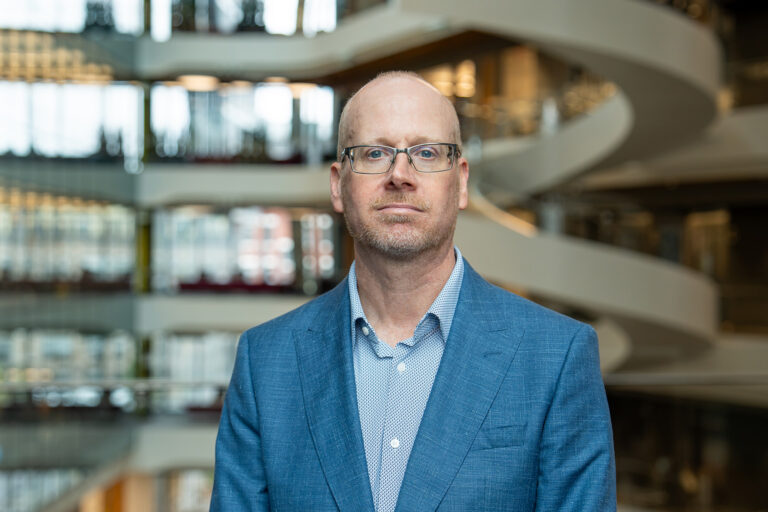
Mark Williams, Professor and Chair of the Department of Physics, will assume the role of Dean of the College of Science, effective July 1, 2026.
Mark C. Williams named Dean of the College of Science
Showing all results
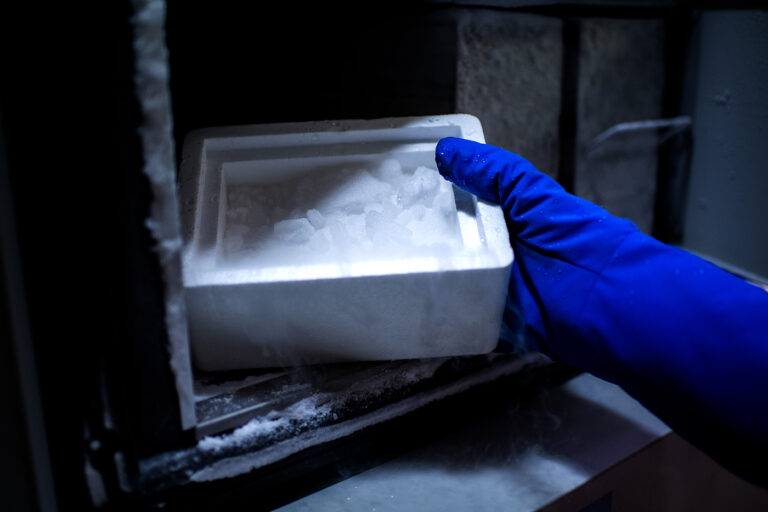
Dry Ice Can Do More than Make Fog. It’s Key to Keeping the COVID-19 Vaccine Cold.
Exploring how dry ice is helping move vaccines and save lives
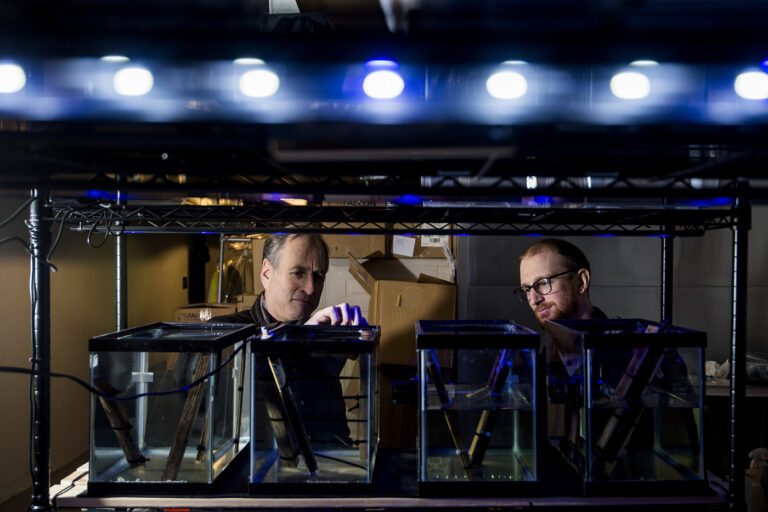
Researchers Observe the Bizarre Sexual Behavior of Shipworms for the First Time
New sexual behavior is observed for the first time in shipworms by Northeastern scientists.
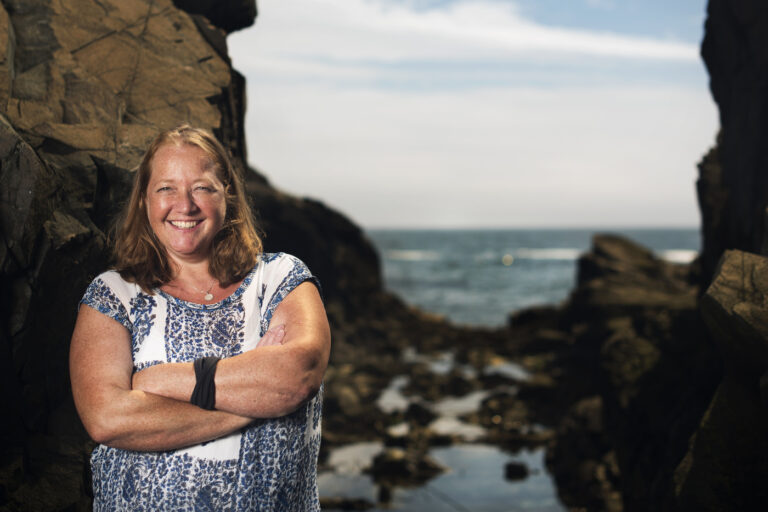
Understanding Nitrogen’s Impact on Coastal Zones
A new study led by Jennifer Bowen aims to understand the human impact of nitrogen in coastal zones.

At the Intersection of Finance and Sustainability: Grad Co-op Profile
Northeastern graduate student Tori Yanco shares her recent co-op experience at Liberty Mutual's Sustainability, Strategy, & Planning department.
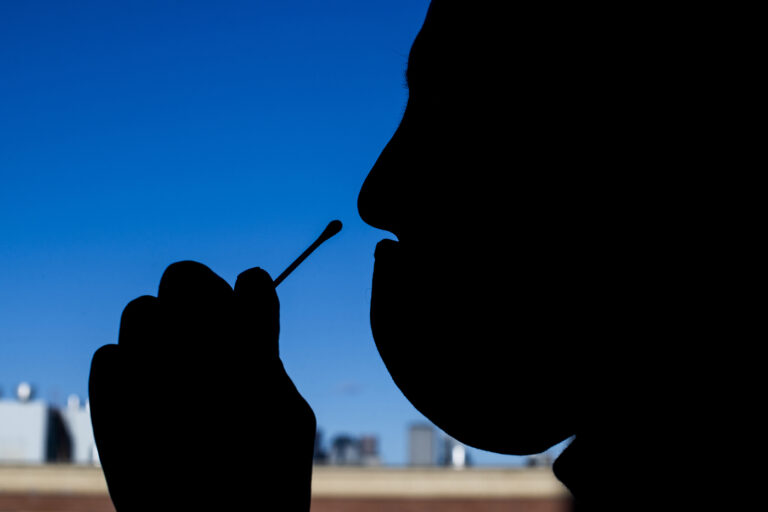
Your Covid-19 Test Swabs Can Help Researchers at Northeastern
Donating your cotton swab data could teach us about COVID-19

Your Brain Is the World’s Most Proficient Accountant. Here’s How.
Lisa Feldman Barrett, distinguished professor of psychology, has a new book out.

Faculty Research Talks: Exploring the Smallest Scales with the World’s Biggest Science Experiments with Toyoko Orimoto
Learn how Professor Orimoto is breaking down the Standard Model in particle physics to understand how our universe is built.
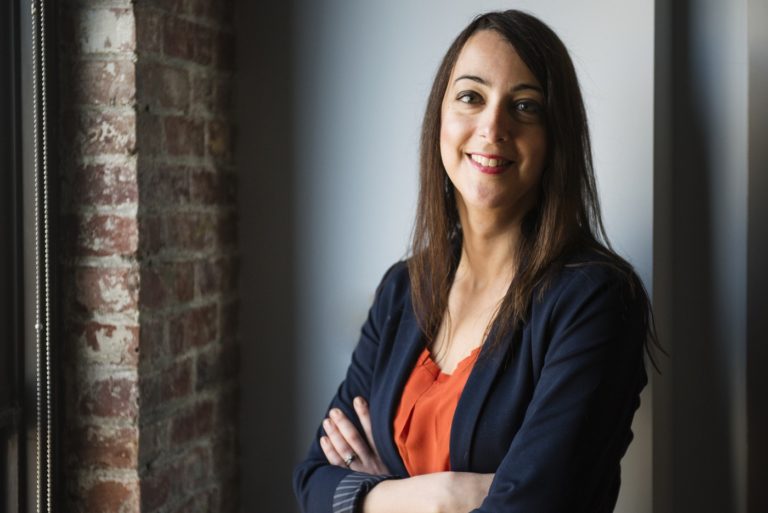
Faculty Research Talks: Sex Differences in Fearful Behavior with Rebecca Shansky
Hear from Hazel Sive, Dean of the College of Science, and Peter Bex, Chair of the Psychology Department, introduced Professor Shansky to speak about her revolutionary research in how sex affects brain structure and function.
Four Northeastern Researchers Named to 2020 List of ‘Highly Cited Researchers’
Each year, the researchers most cited by their peers are recognized for their achievements in science. This year the College of Science has four faculty with the distinction.

Geoffrey Trussell Honored as AAAS Fellow
Geoffrey Trussell is a director, chair, and professor at Northeastern who was recently named as a fellow to the American Association for the Advancement of Science.

Remembering Dr. Louis H. Barnett, B’44, H’77
A remembrance of Dr. Louis Barnett, a renowned chemical engineer, pioneer in the plastics industry, and devoted member of the Northeastern community.

Two Northeastern Leaders Receive Lifetime Fellowships for Exceptional Contributions to Their Fields
Geoffrey Trussell joins university president and COS colleagues in AAAS fellowship honor.