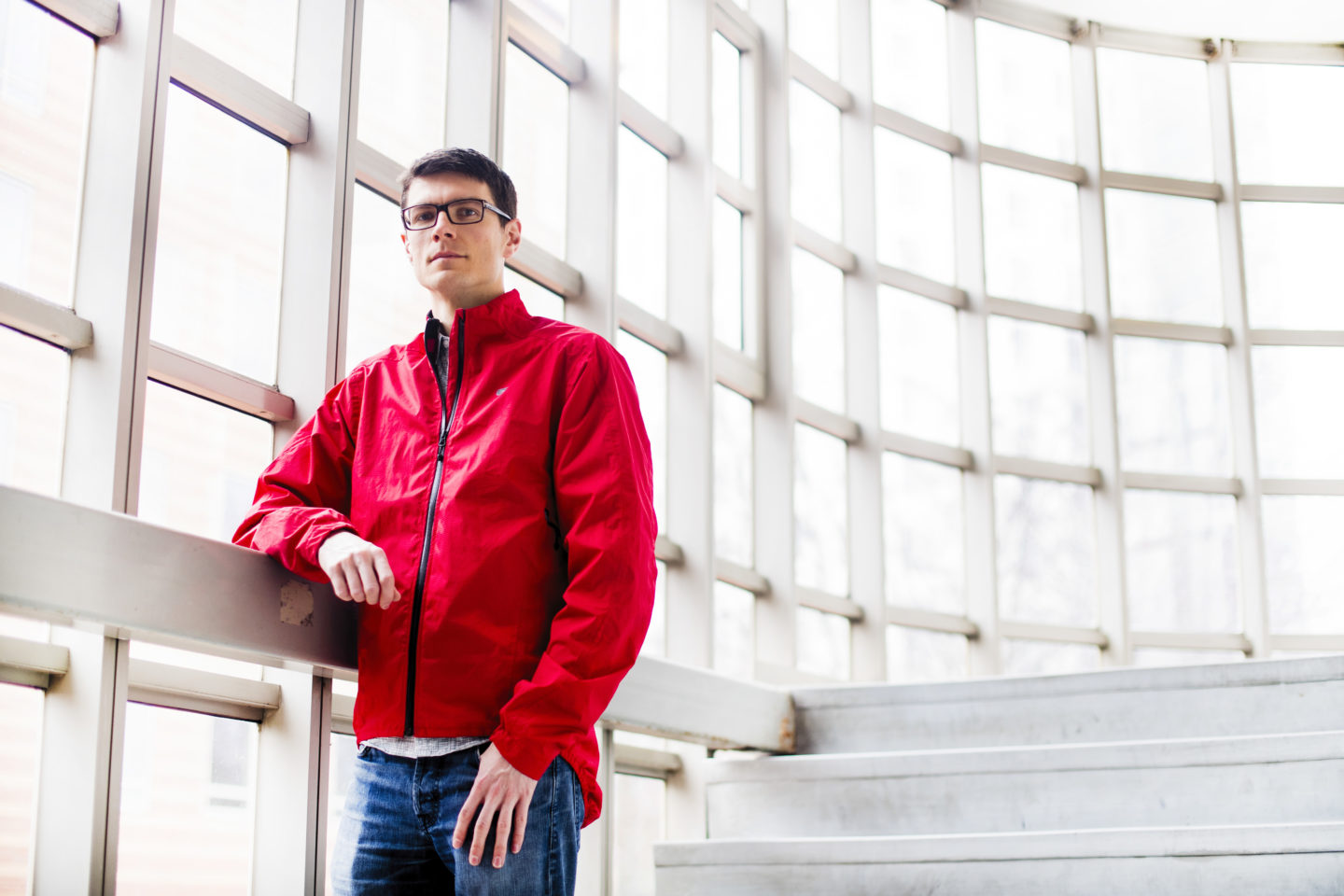
Hear from Hazel Sive, Dean of the College of Science, as she talks to Paul Hand, Assistant Professor of Mathematics and Computer Science, on his research on theory and algorithms for machine learning and artificial intelligence in the context of vision and imaging.
College of Science Connects: Research at the Frontier – Machine Learning & AI
Recent Events
-
Sep 22
Recent Articles
-
News
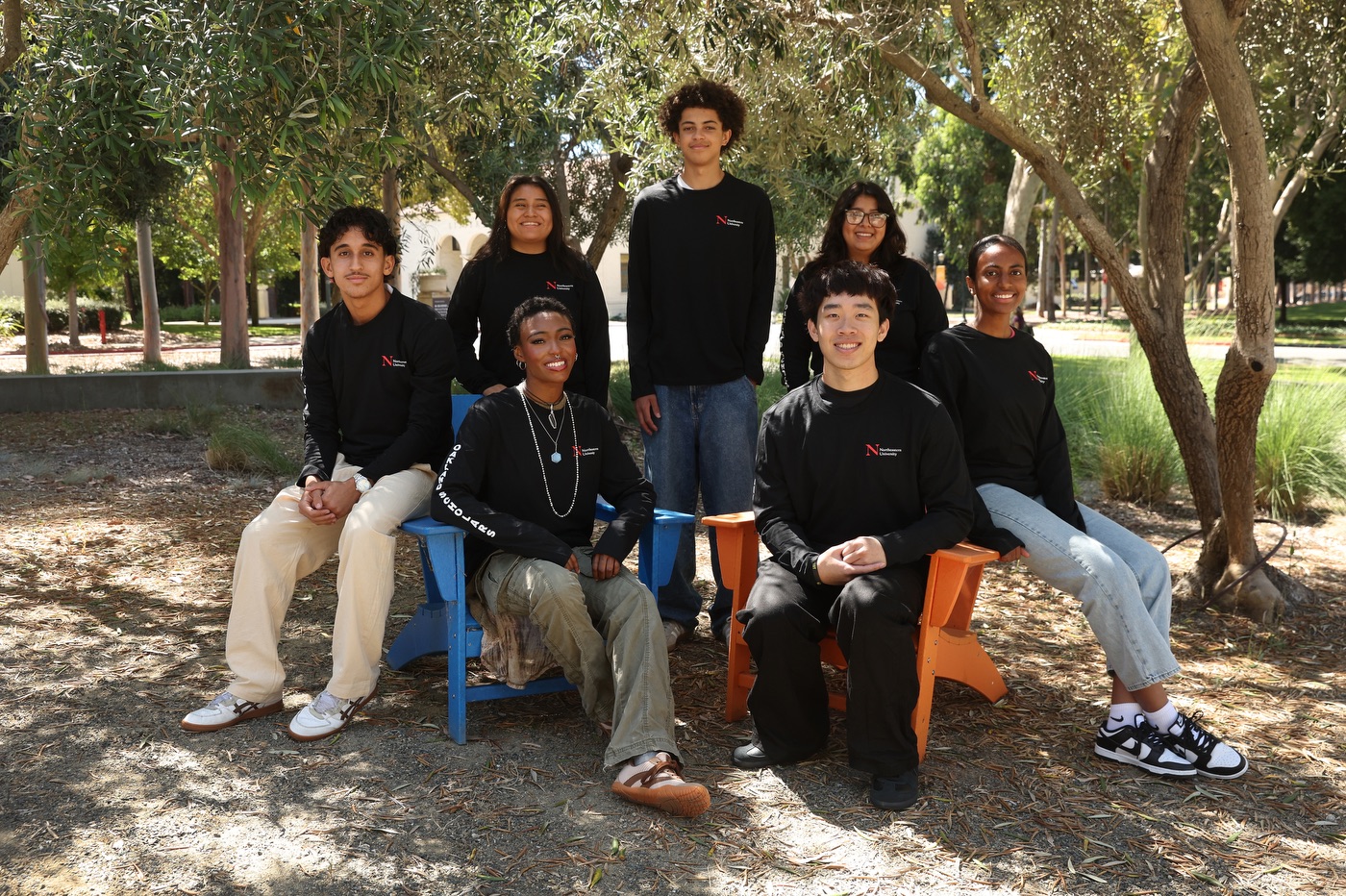
Northeastern awards full scholarships to accomplished Oakland students
To qualify, the Oakland high school students demonstrated extensive commitment to public service within their high schools’ communities. -
News
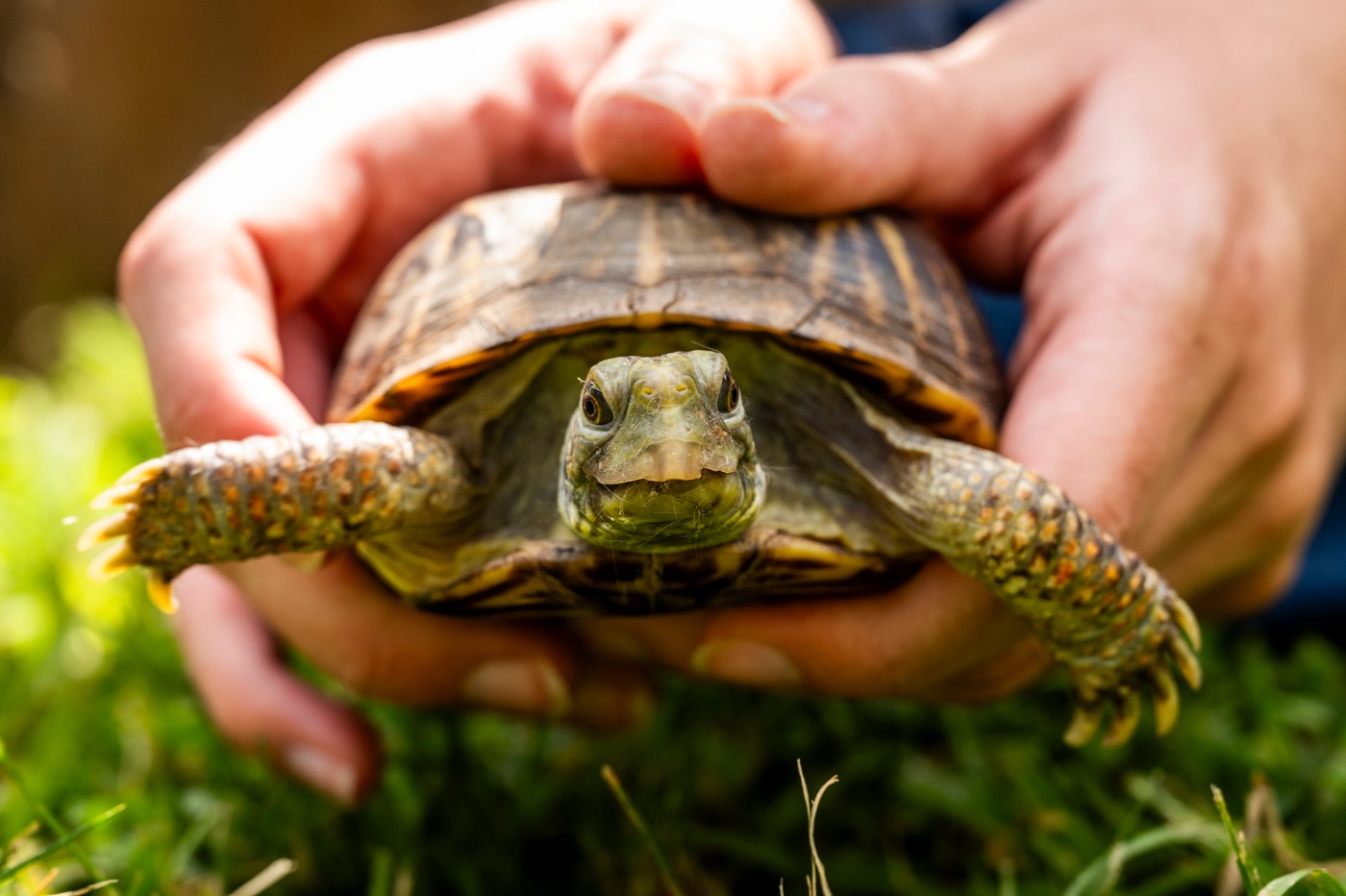
This student toiled in aviaries, barns and pens for his co-op
He shoveled goat poop for science. -
Research
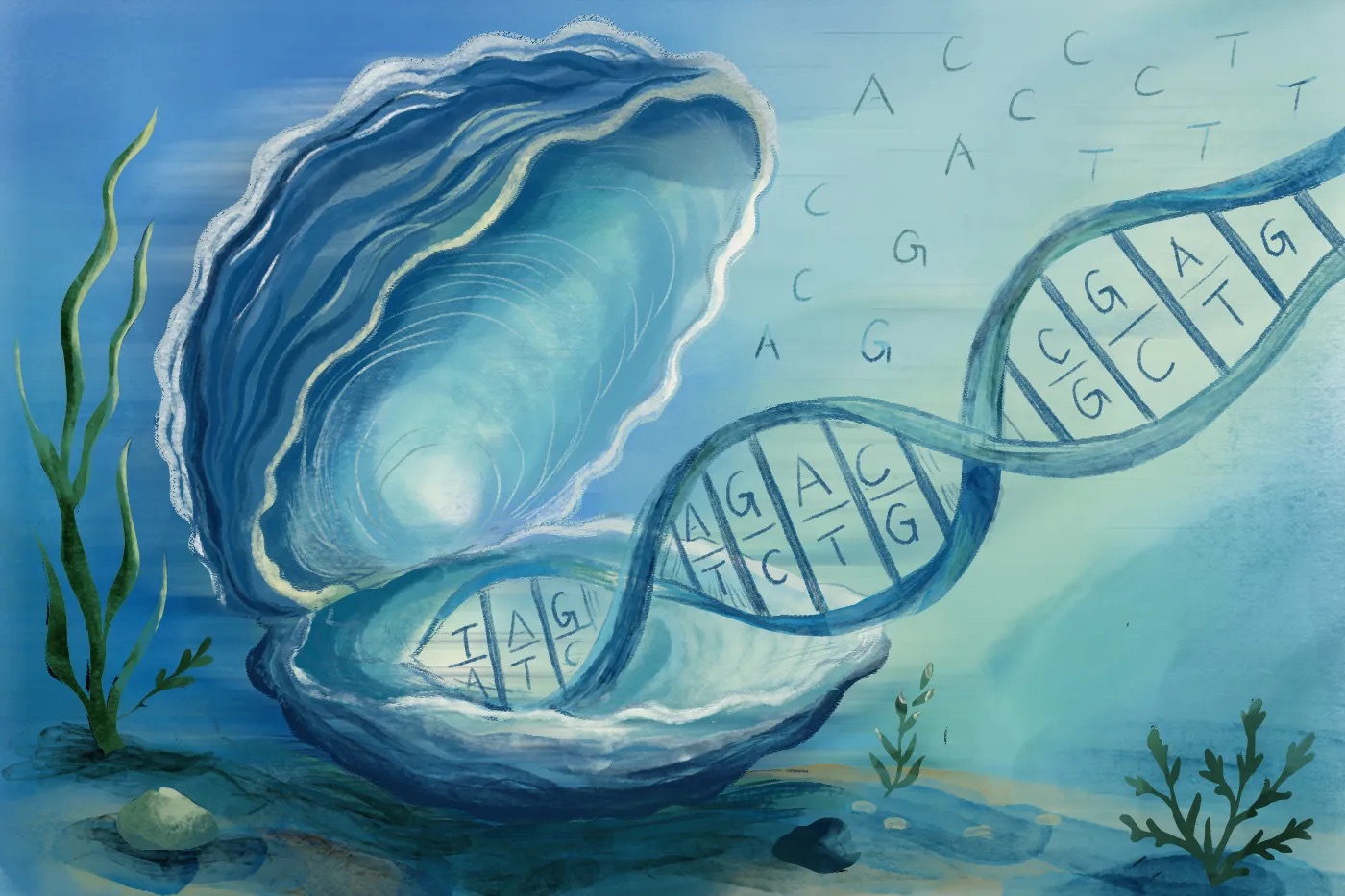
Graduate student studies oyster genomics to preserve biodiversity
Graduate student Megha Prasad tapped into the power of AI when studying Eastern oyster genomics to uncover patterns that show what makes them thrive. -
Research
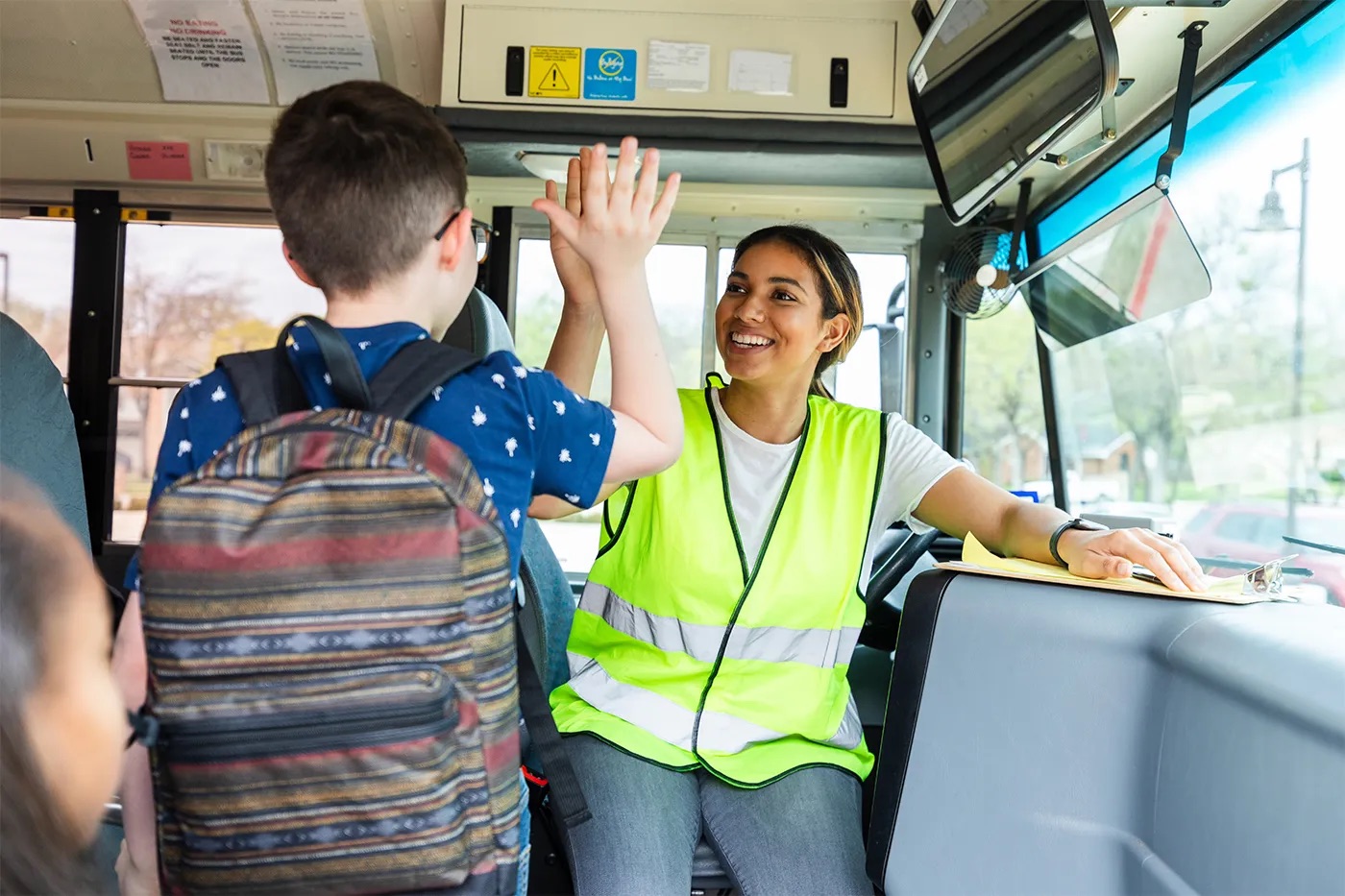
Grandparents, teachers and even bus drivers can build resilient kids
Scientists have spent decades studying what goes wrong in childhood. Northeastern researchers are measuring what goes right — and how those experiences can shape mental health years later. -
Research

Time2Learn, then time to sleep: evening practice may help language stick
When is the best time to practice a foreign language so your brain can cement it during sleep? Early findings by Northeastern researchers suggest studying in the evening may give learners an edge. -
News
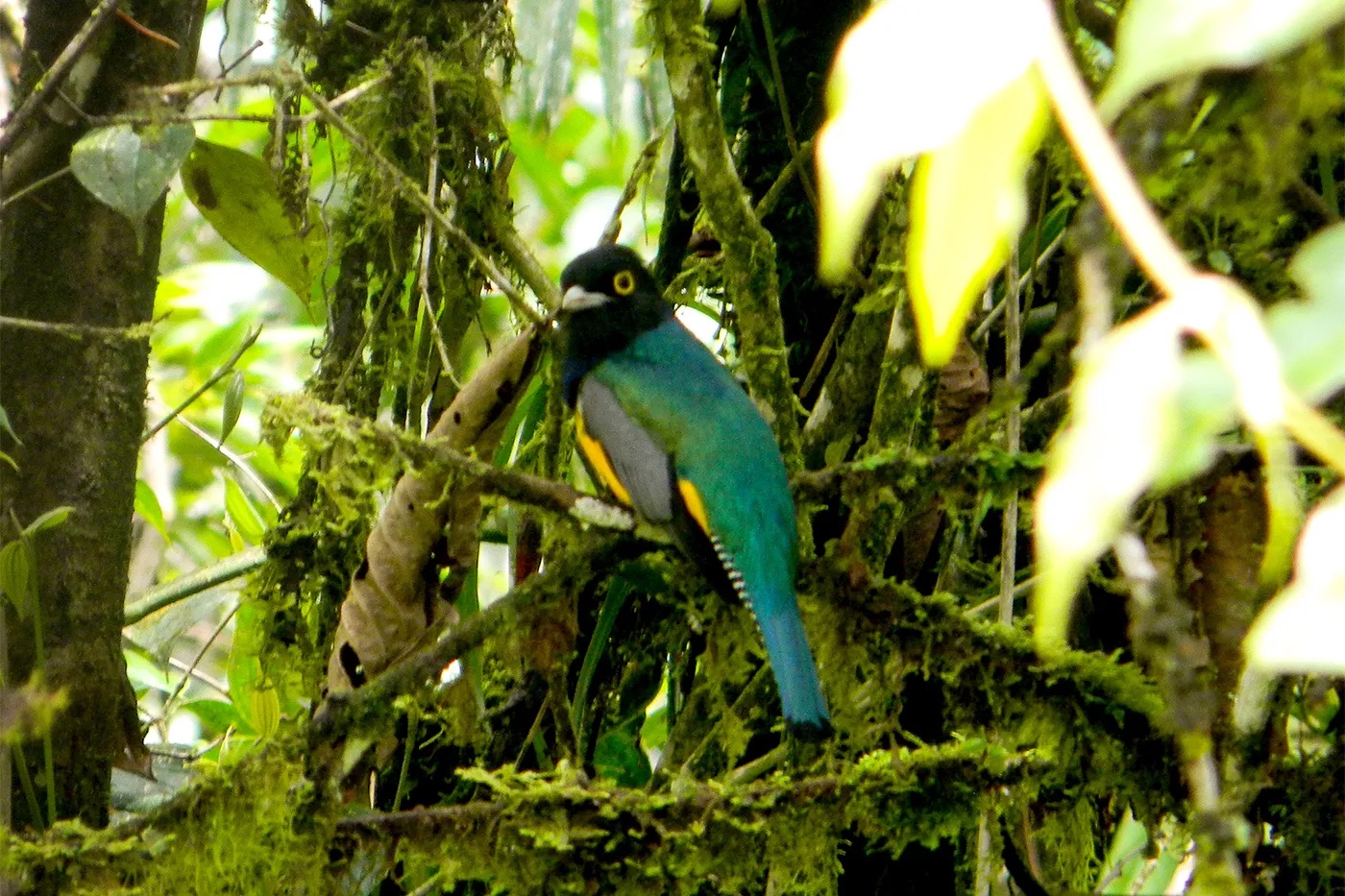
Birds in an Ecuadorian cloud forest
3,000 miles from home, incoming Northeastern University junior witnessed the untamed nature of the Andes. -
Research

AI is helping design cities. How should urban planners proceed?
Using AI in urban planning can predict floods and simplify policy, but Northeastern researchers say it needs careful oversight. -
Research
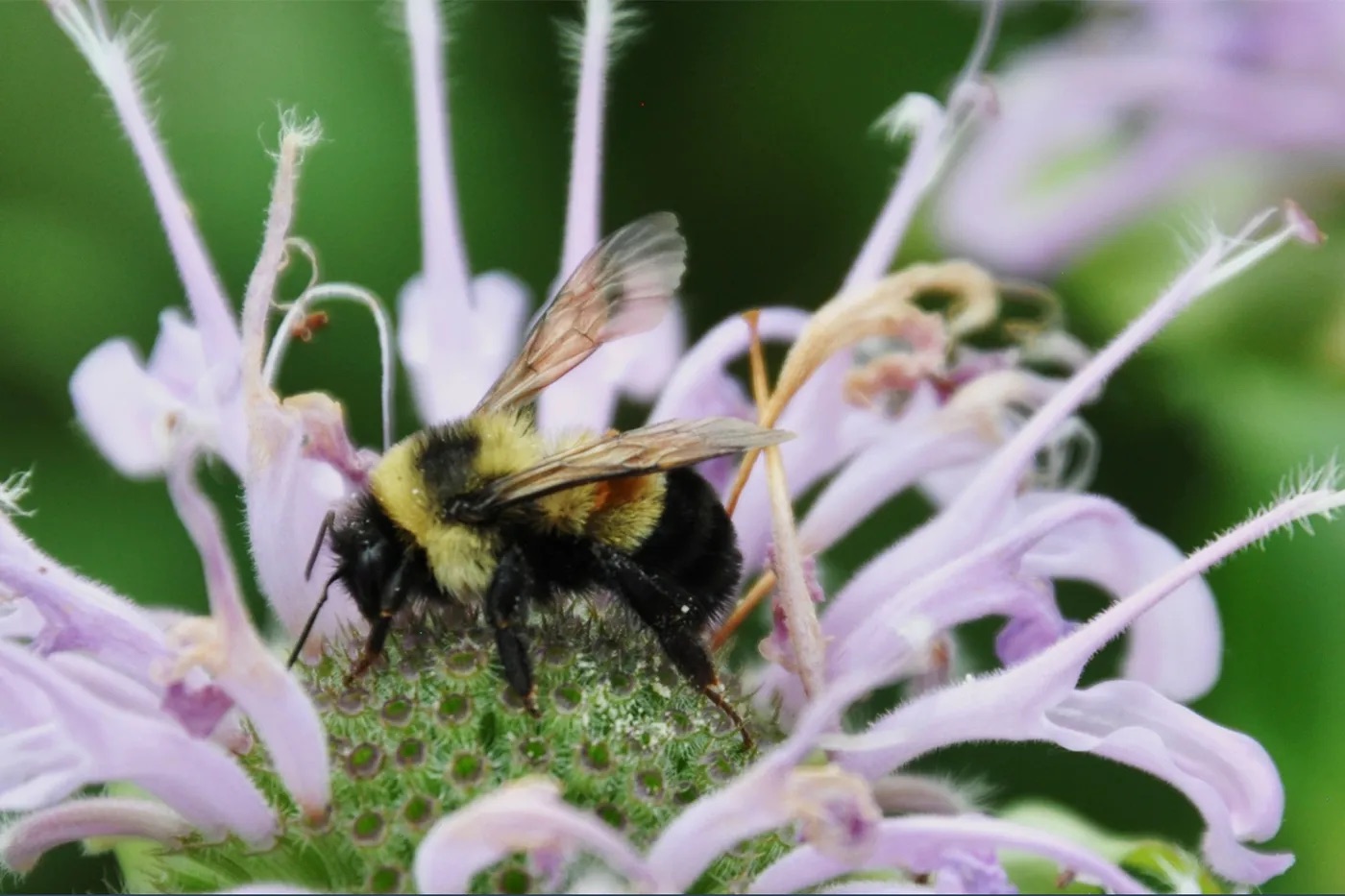
Bees by the book. Can municipalities save the pollinators?
Rare bumblebee hasn’t been seen in New England for more almost two decades -
Research

Can video games help personalize cognitive care for vulnerable groups?
Northeastern scientists are using video games to understand how to one day customize cognitive care for people with HIV.
Sign up for CONNECTS.
The College of Science newsletter delivered straight to your inbox.
"*" indicates required fields