COS News
News

A new report from a group of Northeastern researchers explores across disciplines how biotech can ensure safe, sustainable life beyond Earth.
The key to international space cooperation is developments in biotechnology, Northeastern researchers say
News

The NeuroPRISM lab, led by assistant psychology professor Stephanie Noble, makes tools that pave the way for reliable and reproducible neuroimaging of the brain.
Precise maps of the brain’s deepest corners are made possible through tools developed by these Northeastern researchers
Showing all results
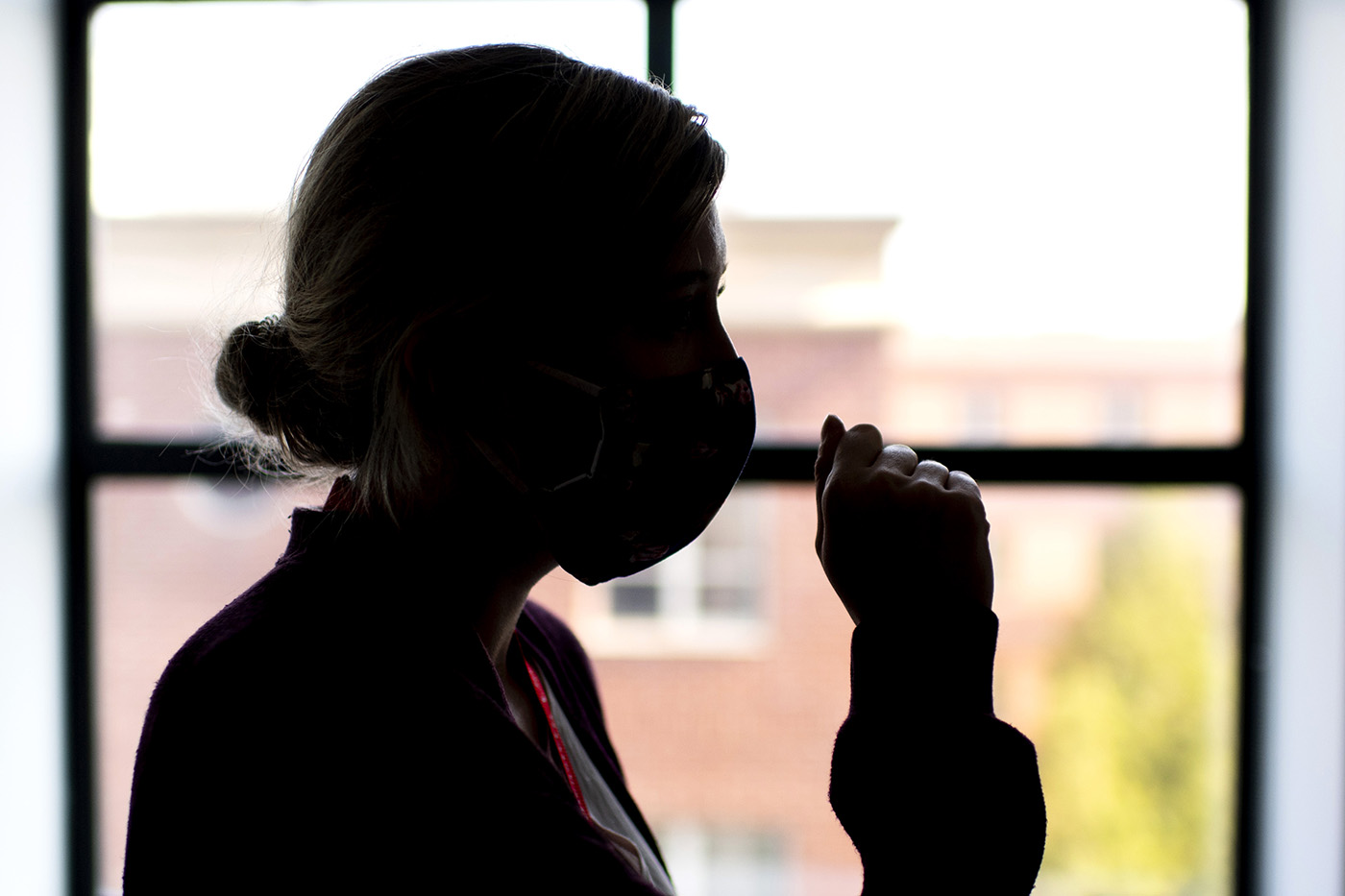
What Do We Know about Airborne Transmission of the Coronavirus?
Research is mounting that COVID can spread easier than thought. How does this change how you should stay safe? And why haven't you heard more?
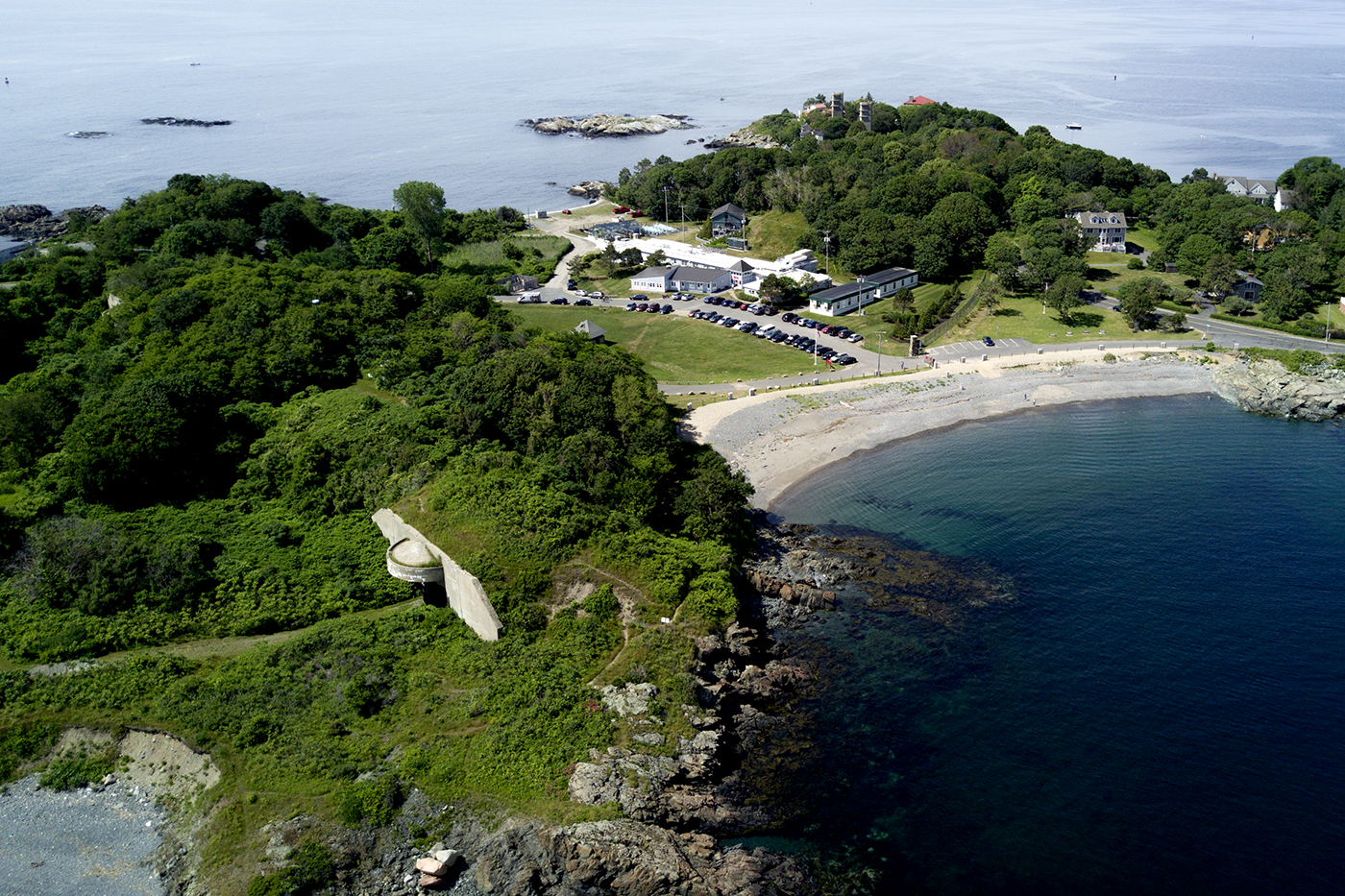
Northeastern to Preserve and Restore Existing Open Space on Nahant Campus and Create Permanent Ecological Study Area
Northeastern creates offer to town of Nahant to help preserve an important ecological area. This includes support for the town itself, in the form of funding for elementary school programs, student scholarships, and more.
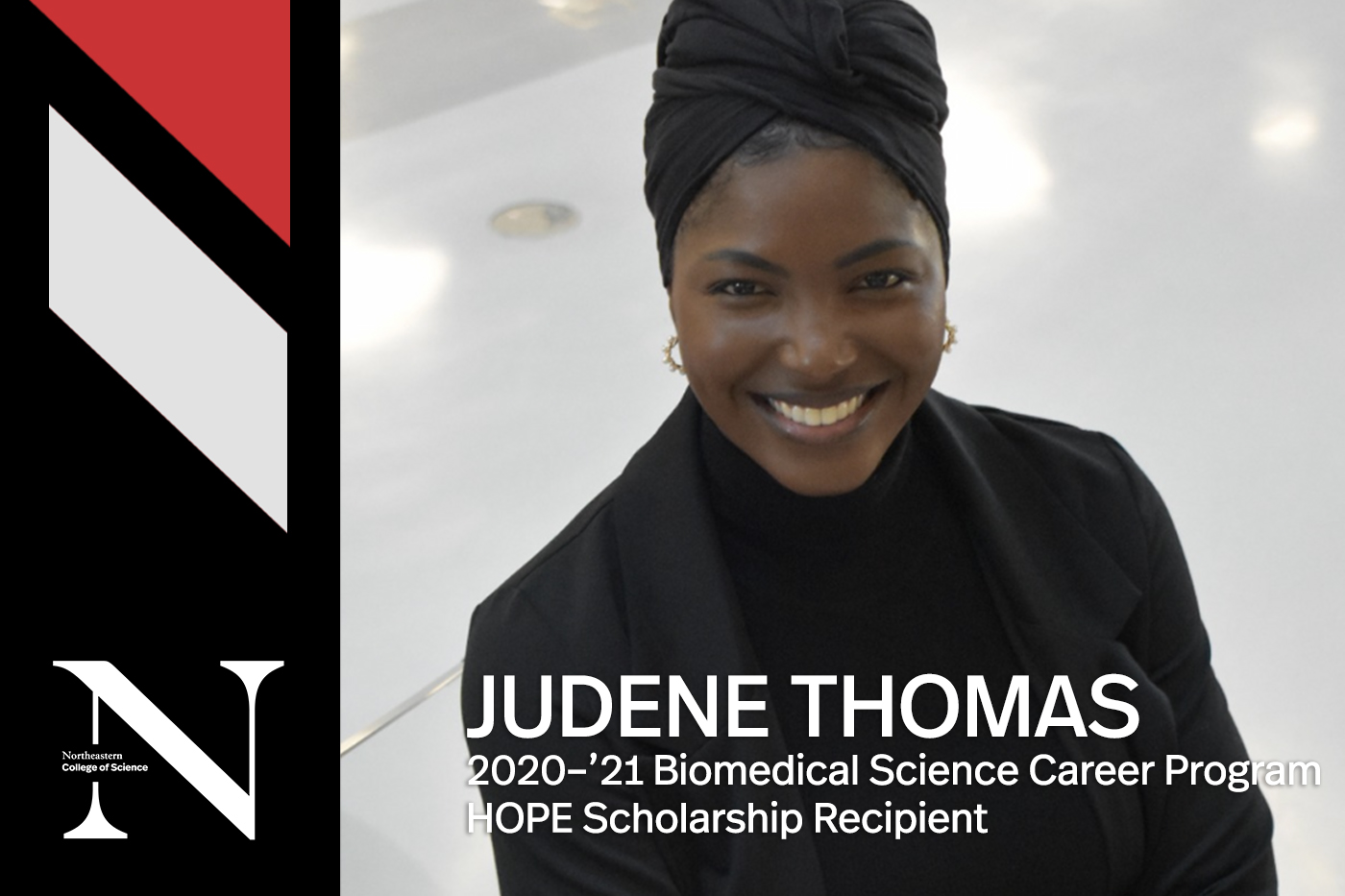
PhD Student Judene Thomas Biomedical Science Career Program HOPE Scholarship
Congratulations Judene Thomas, a second-year PhD student in the Department of Biology who has been named a recipient of the ‘20–’21 Biomedical Science Career Program HOPE Scholarship from Harvard Medical School.

Here’s Why Northeastern Is Testing Everyone on the Boston Campus for the Coronavirus
Northeastern plans to test everyone who comes back to campus multiple times. The science behind this is simple.
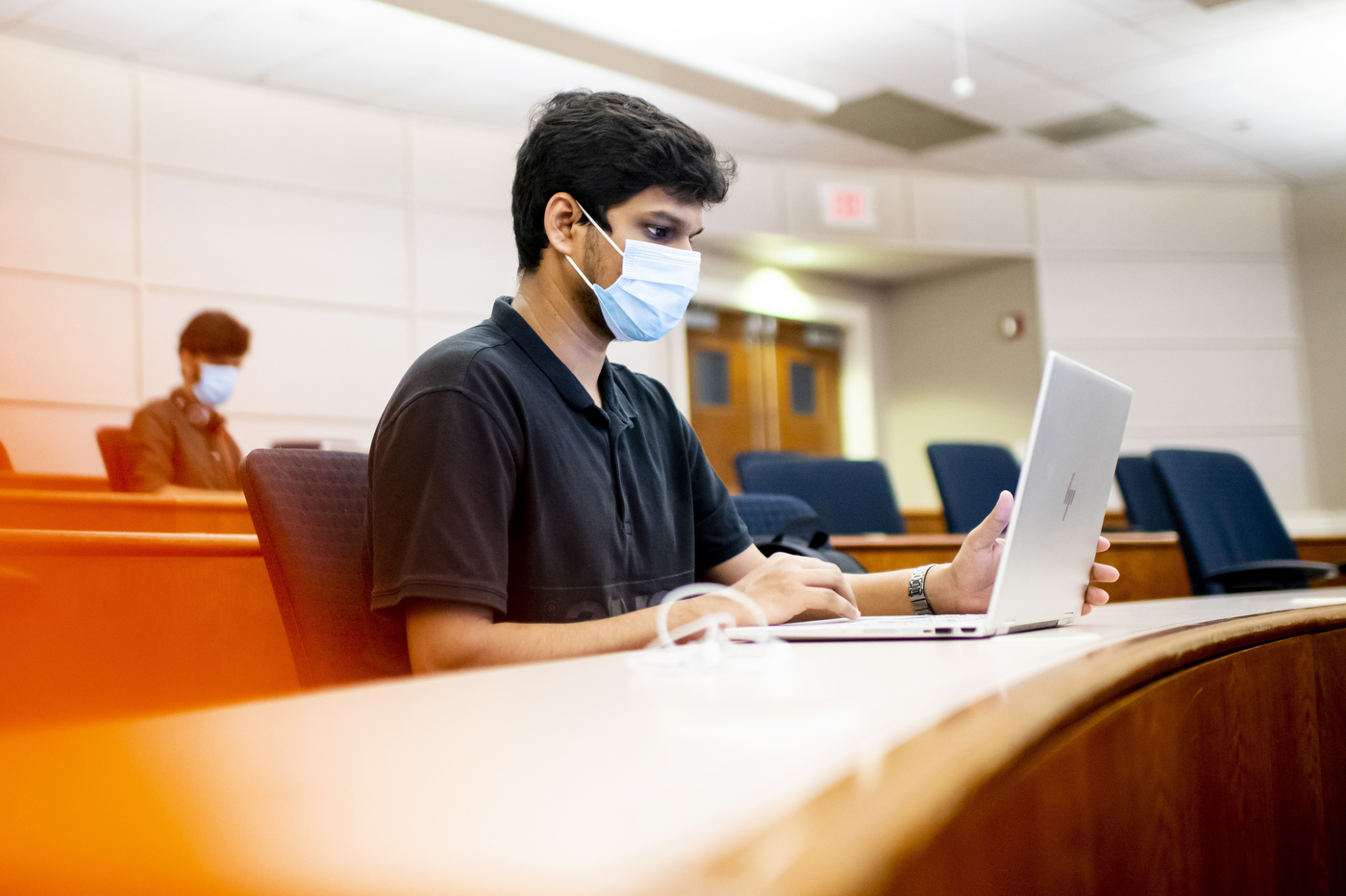
Hybrid Nuflex Is Ready for the Fall Semester. Are You?
Hybrid Nuflex is Northeastern's solution to keeping everyone on the same page in classes, whether students and professors are around the world or in the classroom.
Picking up PhD Research After the COVID-19 Quarantine
A look back on Northeastern research during the COVID-19 pandemic.
What Can Ants and Termites Teach Us about Fighting Disease?
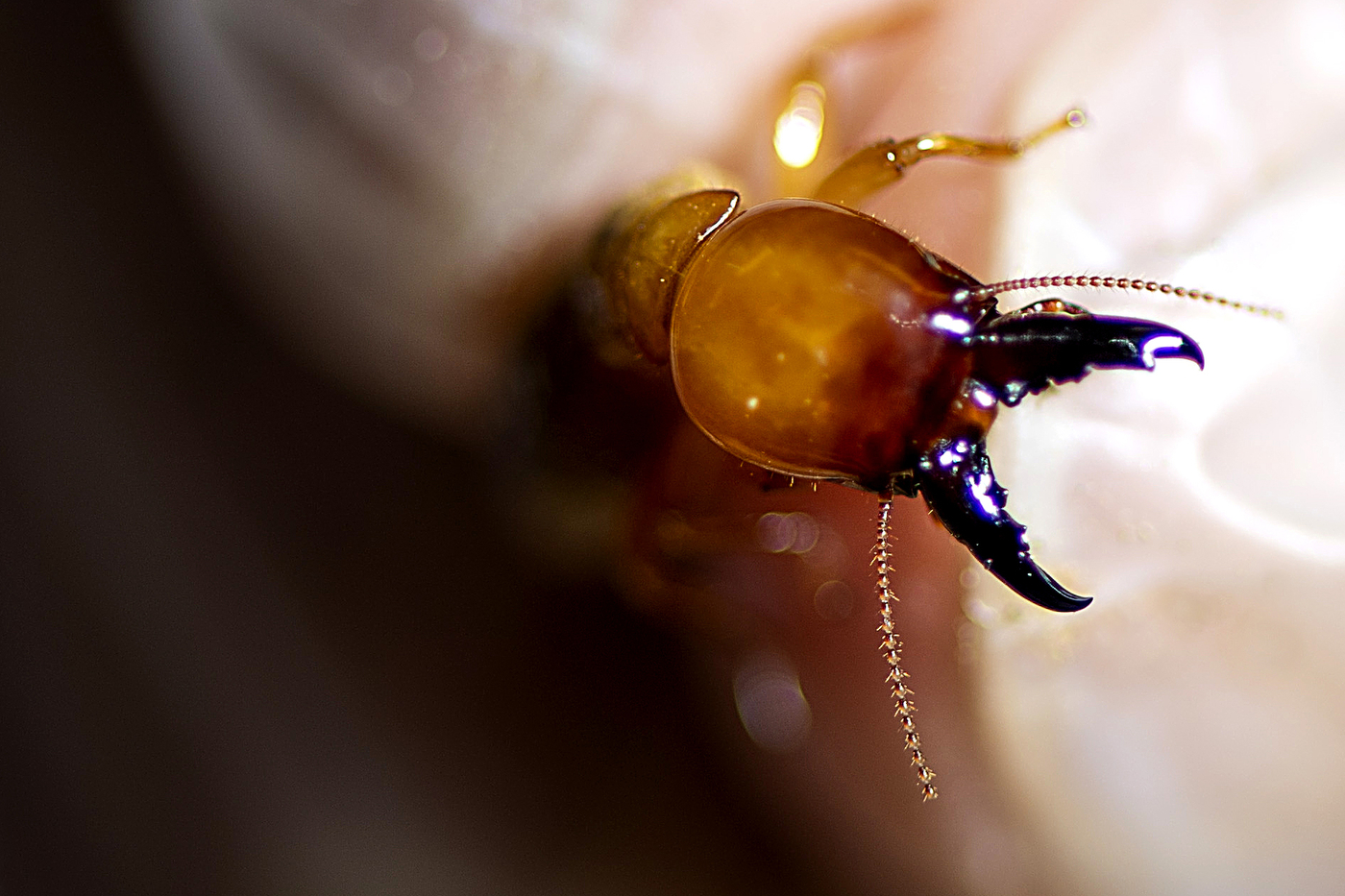
Associate Professor Rebecca Rosengaus shares the bizarre ways social insects have evolved to survive disease and how this may help humans survive them better too.
Here’s How Northeastern Will Test Faculty and Staff for the Coronavirus
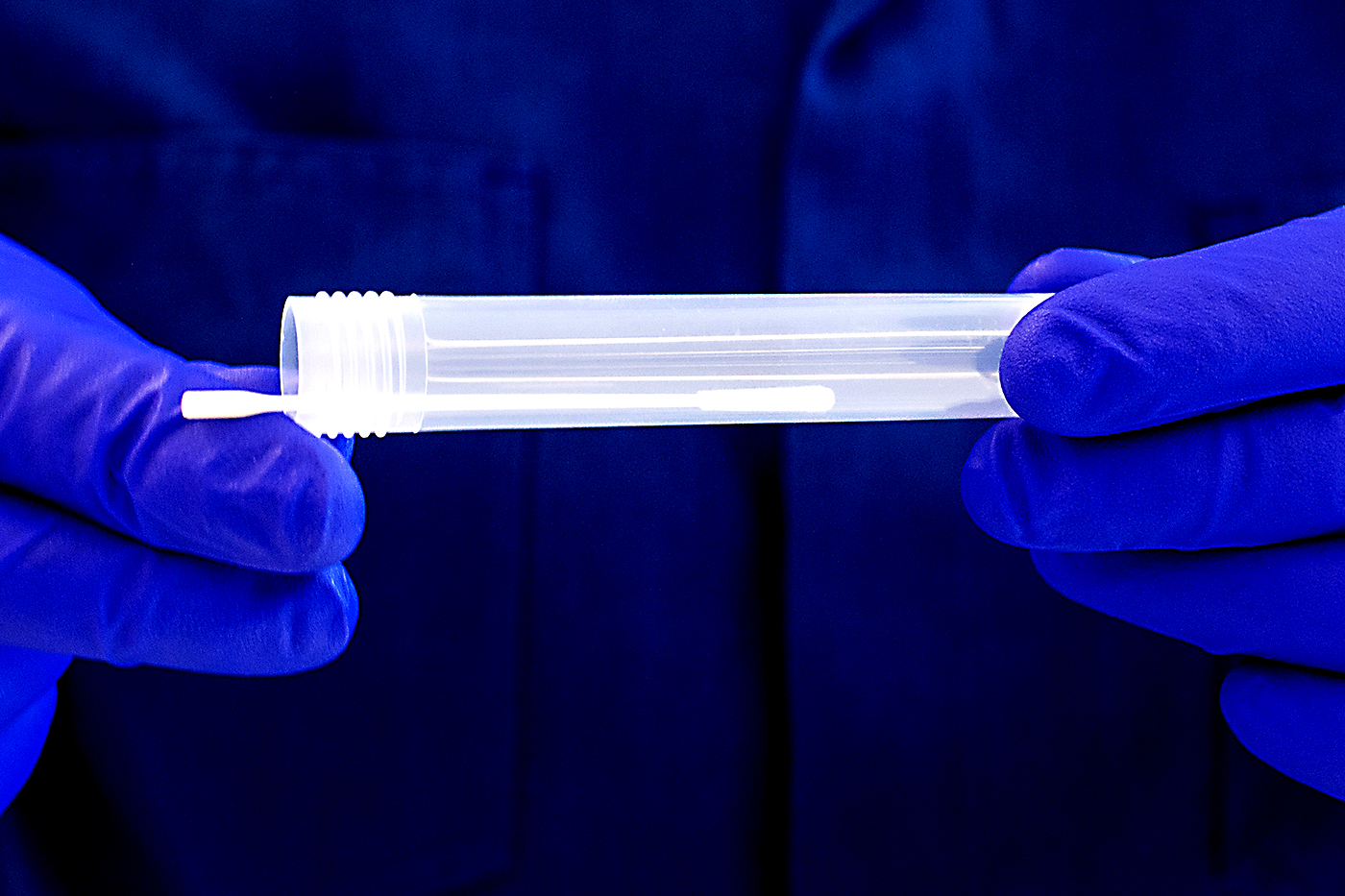
Testing and keeping faculty safe is just as important as students for Northeastern. Here's how they intend to do it.
Northeastern’s Life Sciences Testing Center Secures Certifications to Process the University’s Coronavirus Tests
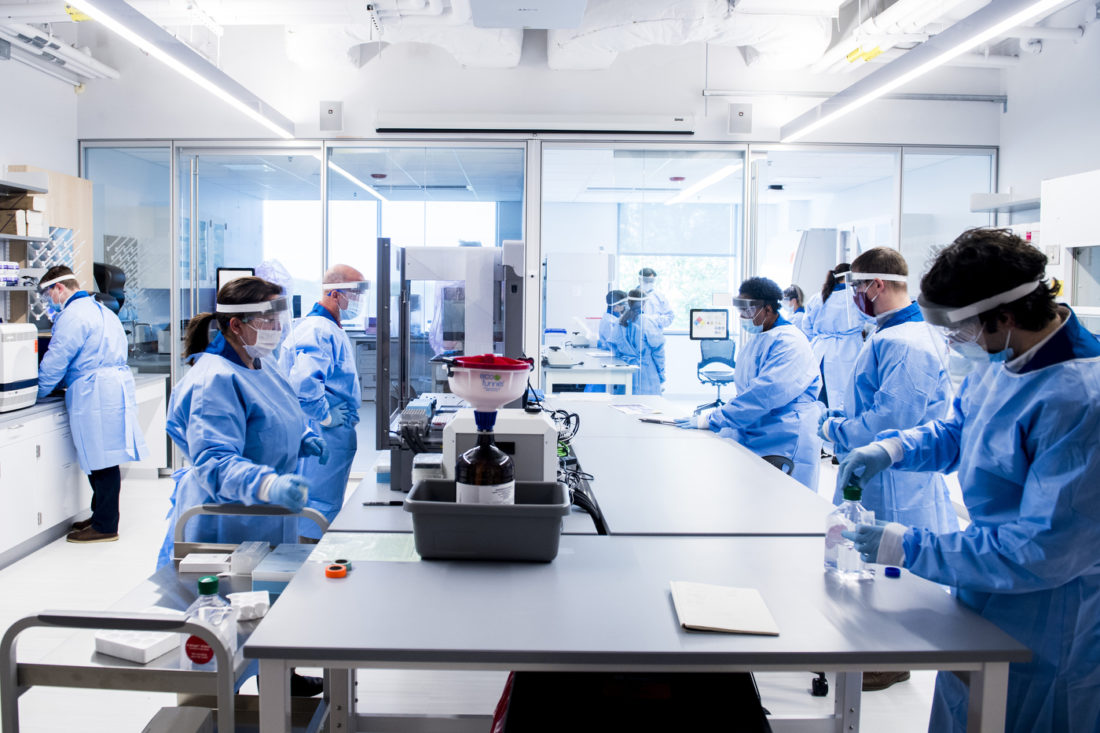
A brand new coronavirus testing facility on Northeastern’s Innovation Campus in Burlington, Massachusetts, will help the university’s efforts to keep its community and surrounding neighborhoods safe with extensive testing of students, faculty, and staff.

Louise Skinnari Wins Department of Energy Physics Grant
Physics Professor Louise Skinnari and her lab were recently awarded a multi-year grant from the United States Department of Energy. We caught up with her to discuss her experience at CERN, the transformative affect of funding on research, and her time at Northeastern. You have just received a DOE grant awarded in the field of “high […]
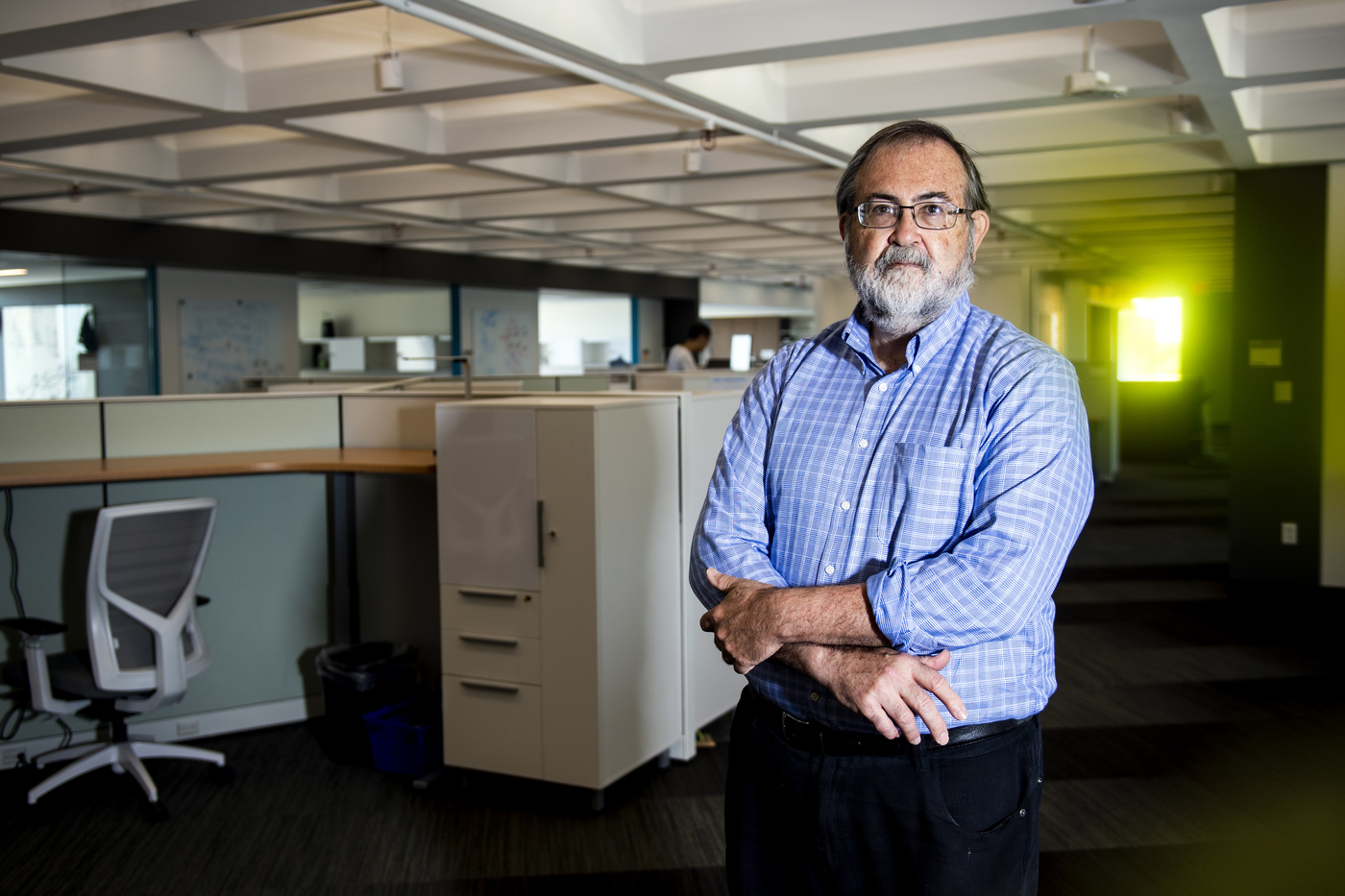
NSF’s Physics Frontier Center, The Center for Theoretical Biological Physics, expands to Northeastern
Northeastern will become the newest expansion for the Physics Frontiers Center program, under the direction of University Distinguished Professor of Physics and Bioengineering, Dr. Herbert Levine.
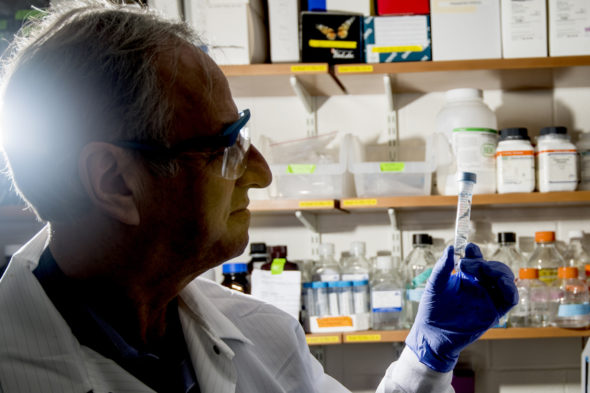
Shipworms Have No Problem with Bacteria Getting in Their Cells. Studying Them Might Help Explain Why Humans Do.
Caenorhabditis elegans, a transparent, microscopic worm, has evolved a way to take advantage of protection provided by nearby bacteria. This response could provide clues as to how humans coordinate our own cellular defense systems.