Life at the microbial scale is full of hazards. Microscopic organisms need to be ready to protect themselves from compounds that can break down cell walls or disrupt the processes they need to survive.
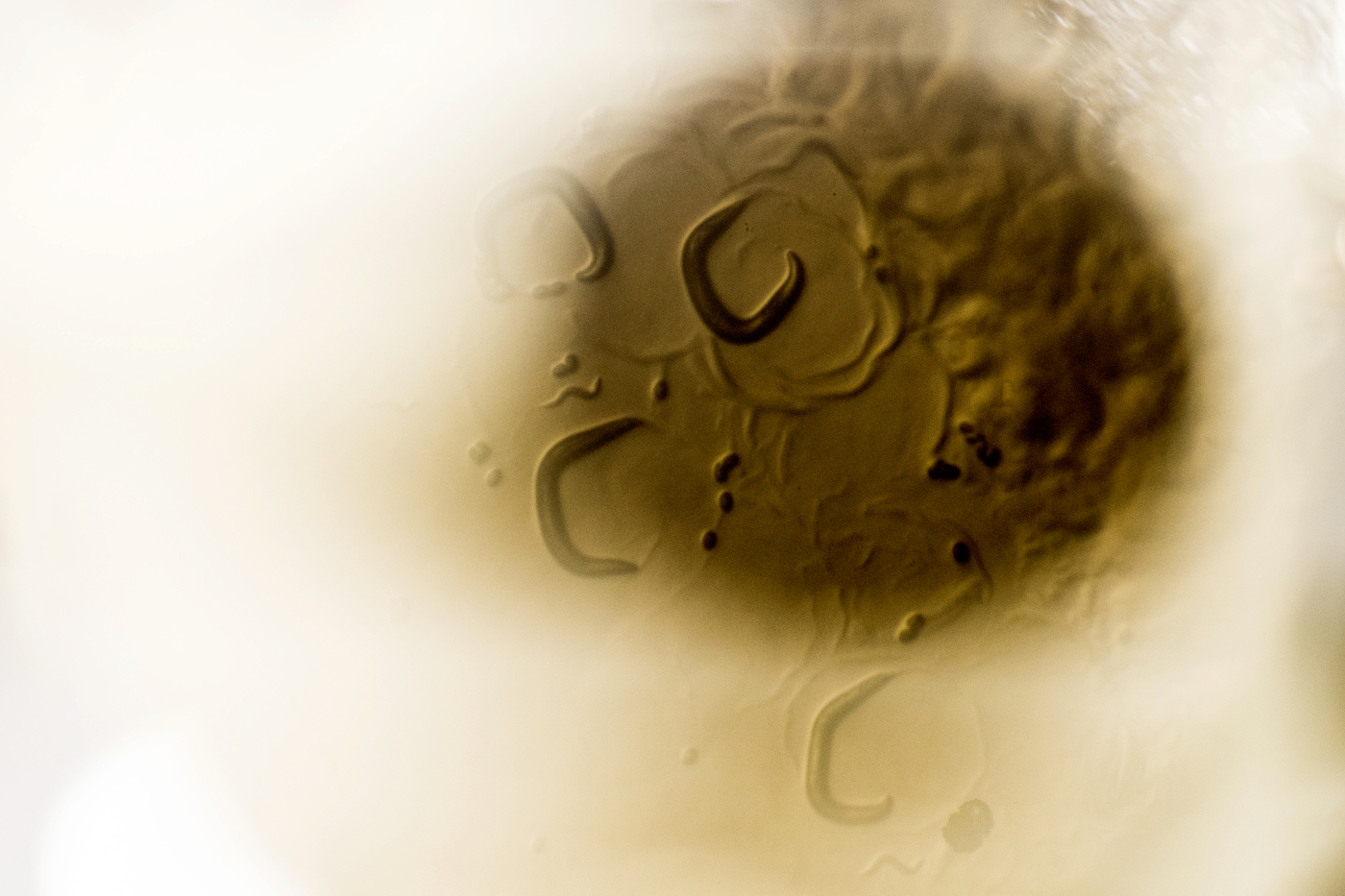
But all that vigilance comes at a cost. It requires energy. It’s stressful. According to researchers at Northeastern, a small worm known as Caenorhabditis elegans has evolved a way to take the easy road and freeload off of the protection provided by nearby bacteria.
“There’s a lot of evidence that if the worms turn on these defenses too much, it can actually disrupt some of the cell signaling that they need to grow and function normally,” says Jodie Schiffer, a doctoral student at Northeastern and lead author on the study, which was published in eLife. “So it’s metabolically and energetically, and from a cell signaling perspective, safer to keep these things off unless they absolutely need it.”
Read more at News at Northeastern.