COS News
News

A new report from a group of Northeastern researchers explores across disciplines how biotech can ensure safe, sustainable life beyond Earth.
The key to international space cooperation is developments in biotechnology, Northeastern researchers say
News

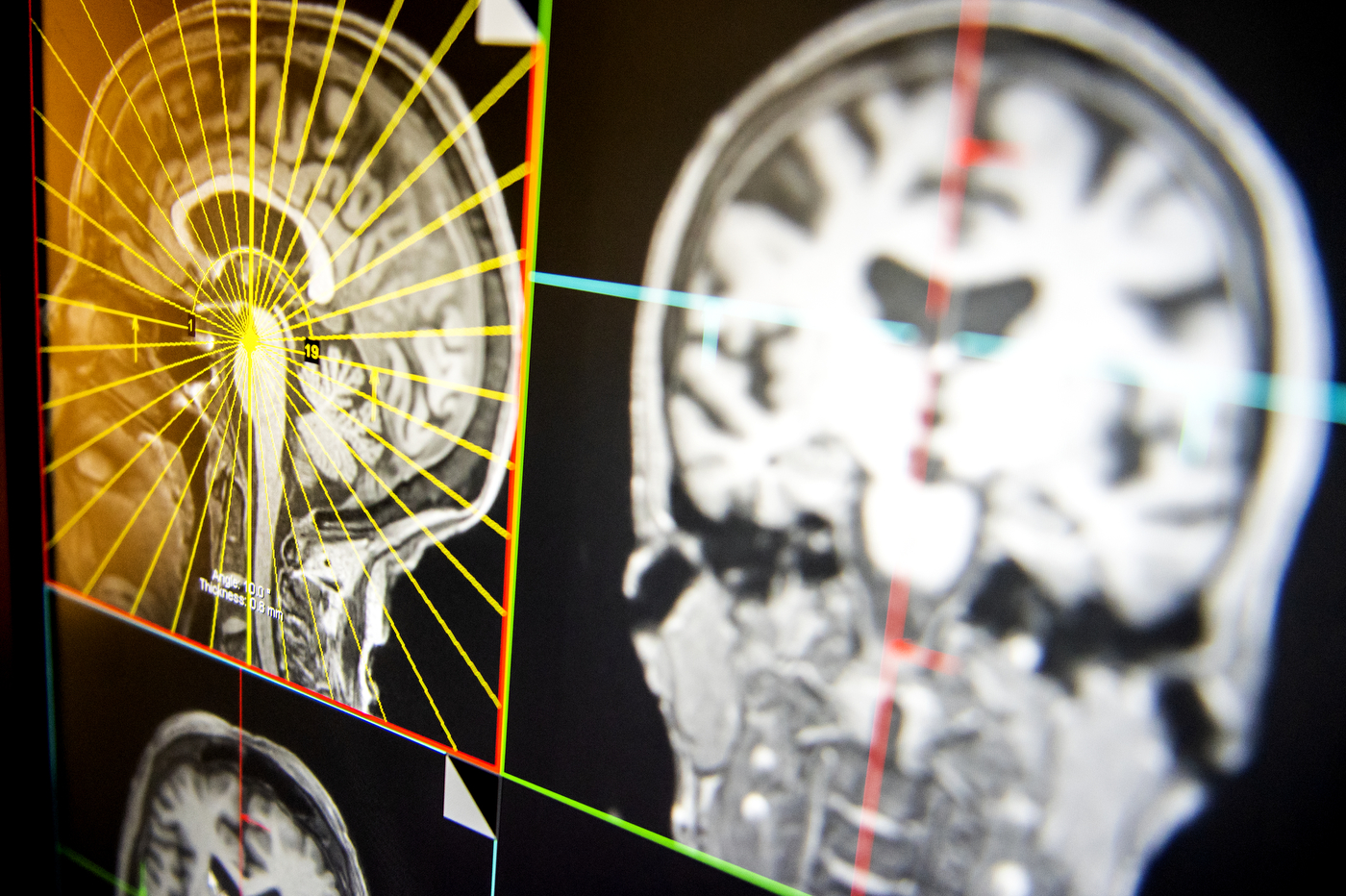
The NeuroPRISM lab, led by assistant psychology professor Stephanie Noble, makes tools that pave the way for reliable and reproducible neuroimaging of the brain.
Precise maps of the brain’s deepest corners are made possible through tools developed by these Northeastern researchers
Showing 180 results in Psychology
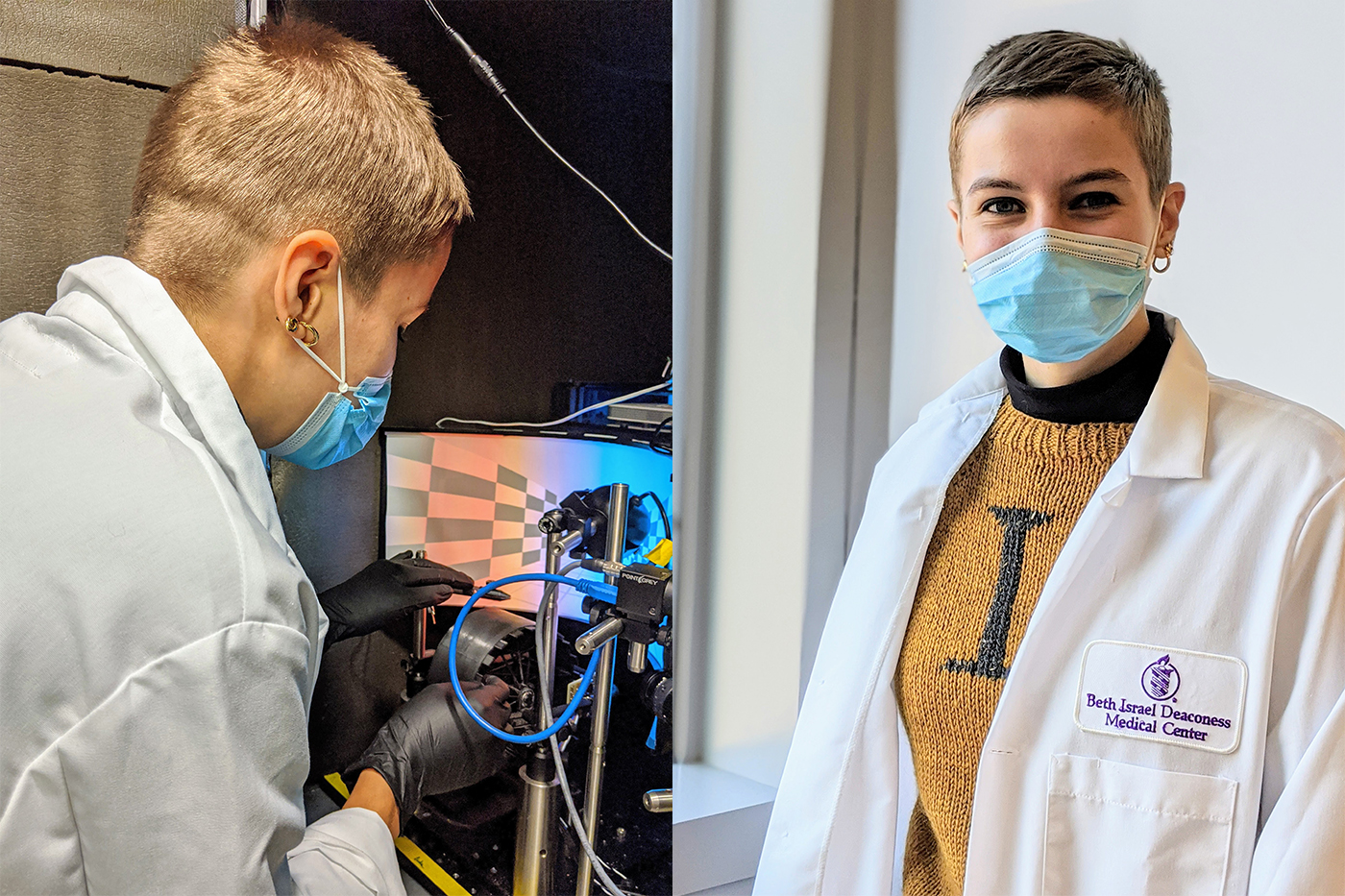
Co-op and COVID: Working at Beth Israel Deaconess Medical Center
Leilani is a fourth year behavioral neuroscience major at Northeastern, currently on her first co-op at Beth Israel. She was hired to be an assistant during behavior studies of mice, but like many students her co-op experience has been dramatically changed by the pandemic. We reached out to her to see what her experience is like, and how it is different from what she expected.

COS Alumna Gave Northeastern Medical Supplies When It Mattered Most
Hear from Bihe "Momo" Wang, a COS alumna who made an tremendous PPE donation in the early stages of the COVID-19 pandemic.
Picking up PhD Research After the COVID-19 Quarantine
A look back on Northeastern research during the COVID-19 pandemic.
Covid-19 Misconceptions Are Hard To Fight. Cognitive Psychology Might Help.
There are plenty of misconceptions about COVID-19, the disease caused by the SARS-CoV-2 coronavirus. And that’s especially true during a time when false information about the disease, the virus, and possible treatments is so hard to counteract. Different misconceptions about the coronavirus—about how it gets transmitted, and how it leads to COVID-19 complications, for example—can result from a limited […]
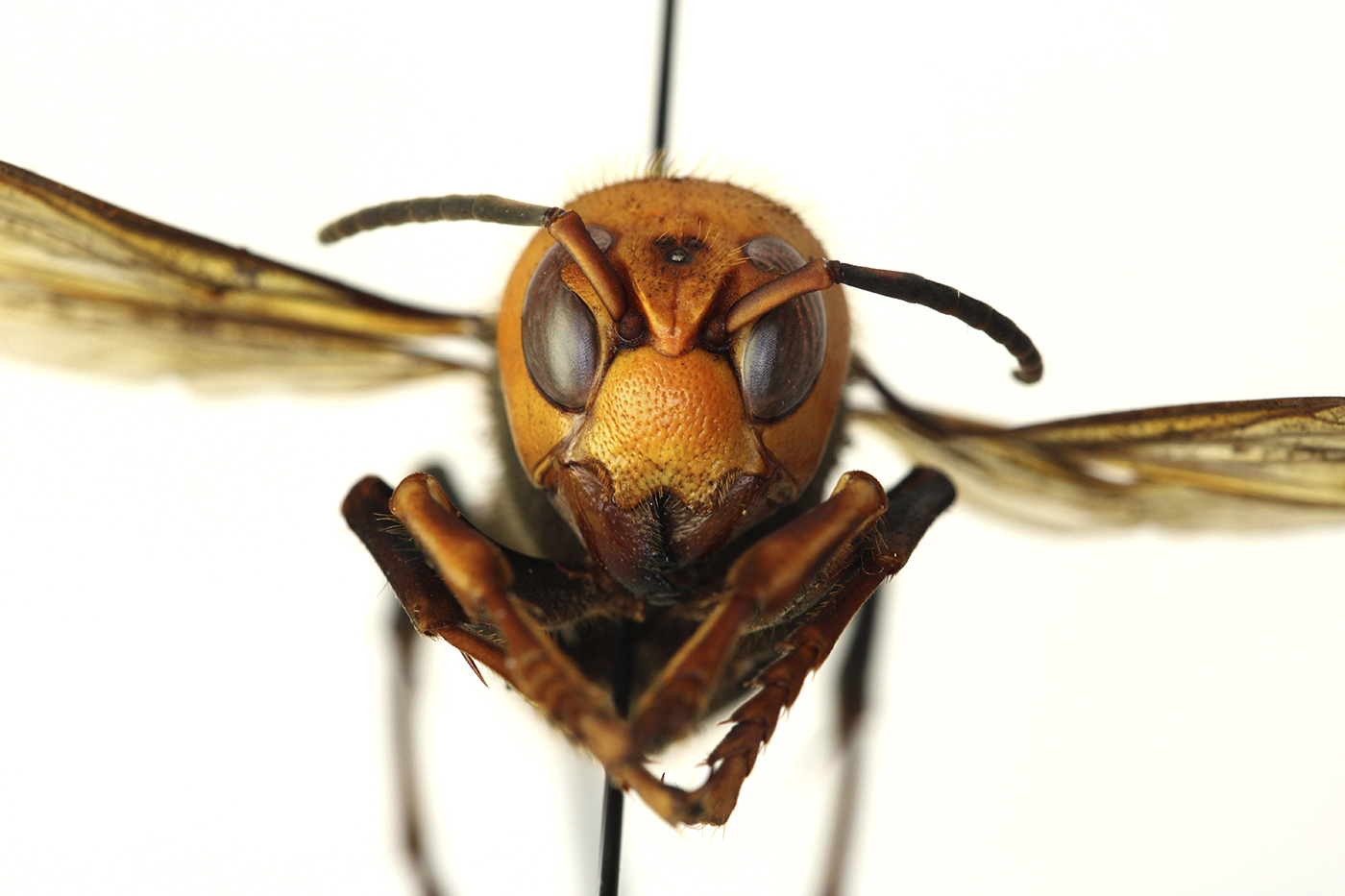
The ‘Murder Hornet’ Is Out to Get Bees, Not Humans. So Why Are People Still Freaking Out About It?
The arrival of the Asian giant hornet in the U.S. has sparked an outcry on social media, but entomologists say that people should not worry about the oversized wasps. Still, some people may be concerned, as the underlying nature of fear isn’t the same for everyone, says neuroscientist Ajay Satpute.

The Person Walking Past You Isn’t Wearing a Mask. What Should You Say?
It’s best to avoid hostility and communicate with empathy when it comes to helping people understand why covering their faces can slow the spread of the virus, say Northeastern researchers.

My Co-op Experience: CARE Lab at McLean Hospital
Psychology major Yolanda Whitaker discusses her time at the Behavioral Health Partial Program, learning the ins and outs of EEG's and working with patients first-hand.
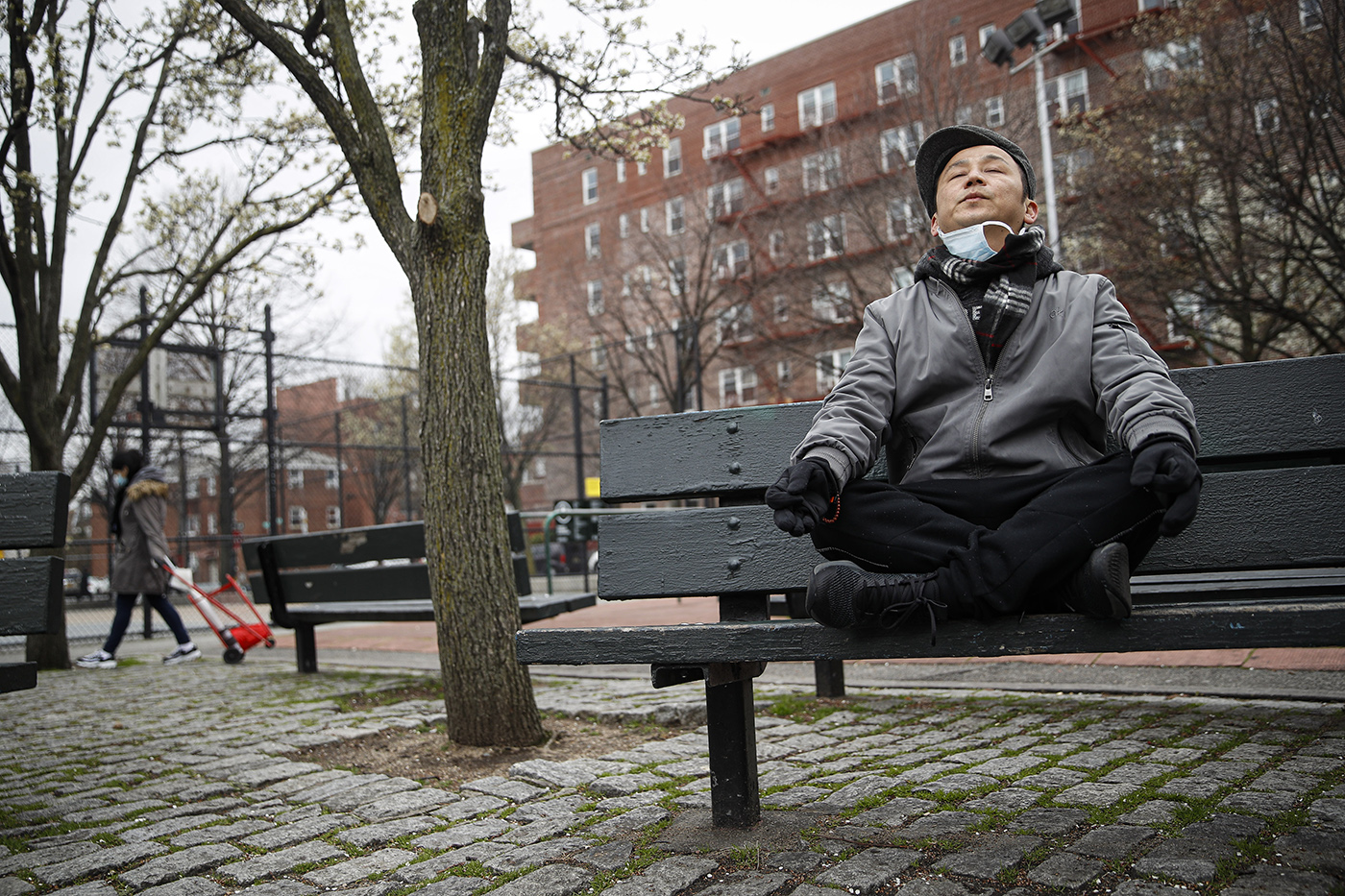
Here’s How to Combat the Fear Caused by a Barrage of Covid-19 News
David DeSteno, a Professor of Psychology does a Q&A with News@Northeastern about his research, the contagiousness of fear and offered some tips for breaking out of the constant cycle of fear and anxiety.
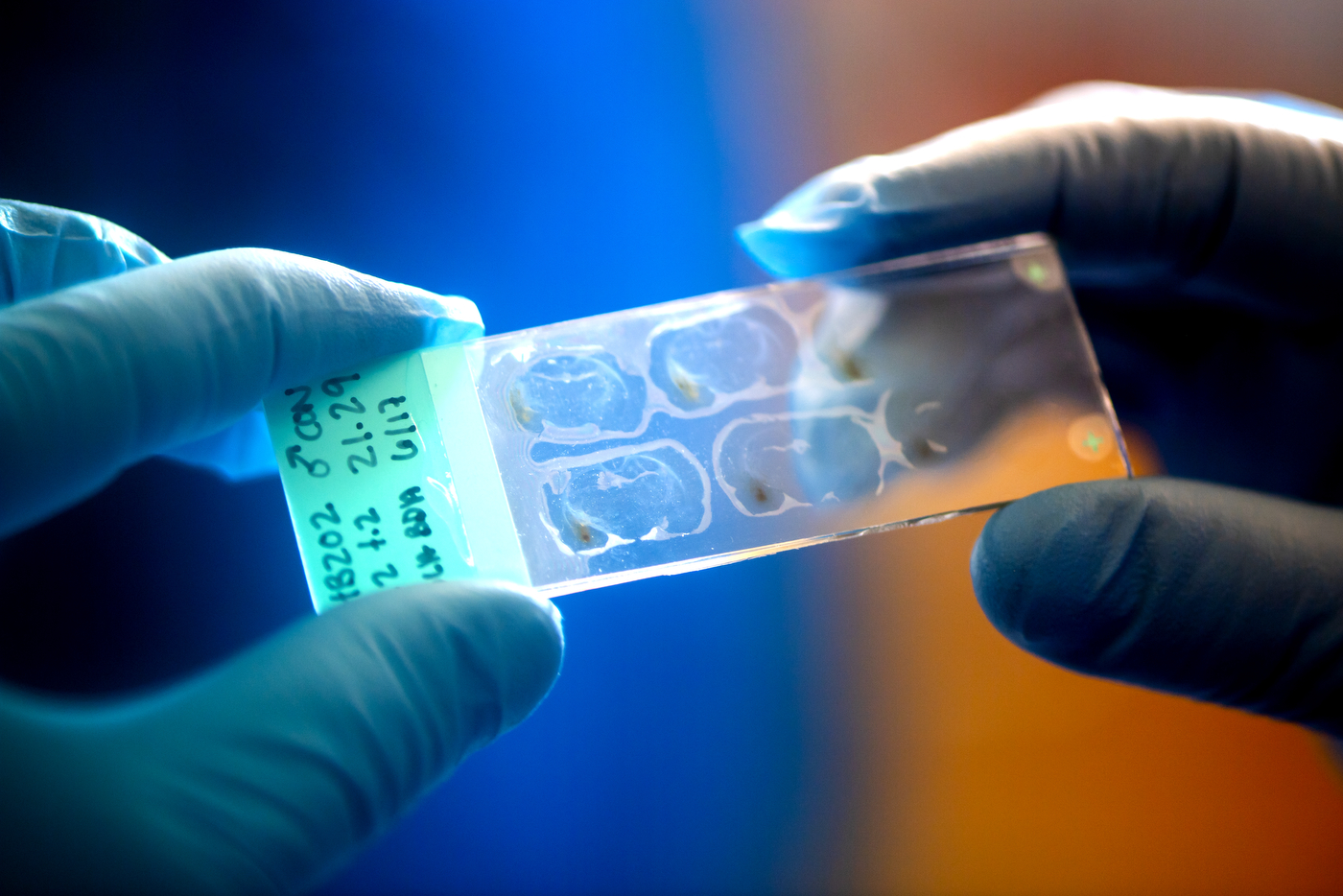
Childhood Trauma Changes Your Brain. But It Doesn’t Have to Be Permanent.
Neuroscientists at Northeastern are using rats to understand how trauma in infancy makes children, but especially girls, more likely to develop anxiety and other similar disorders later in life.
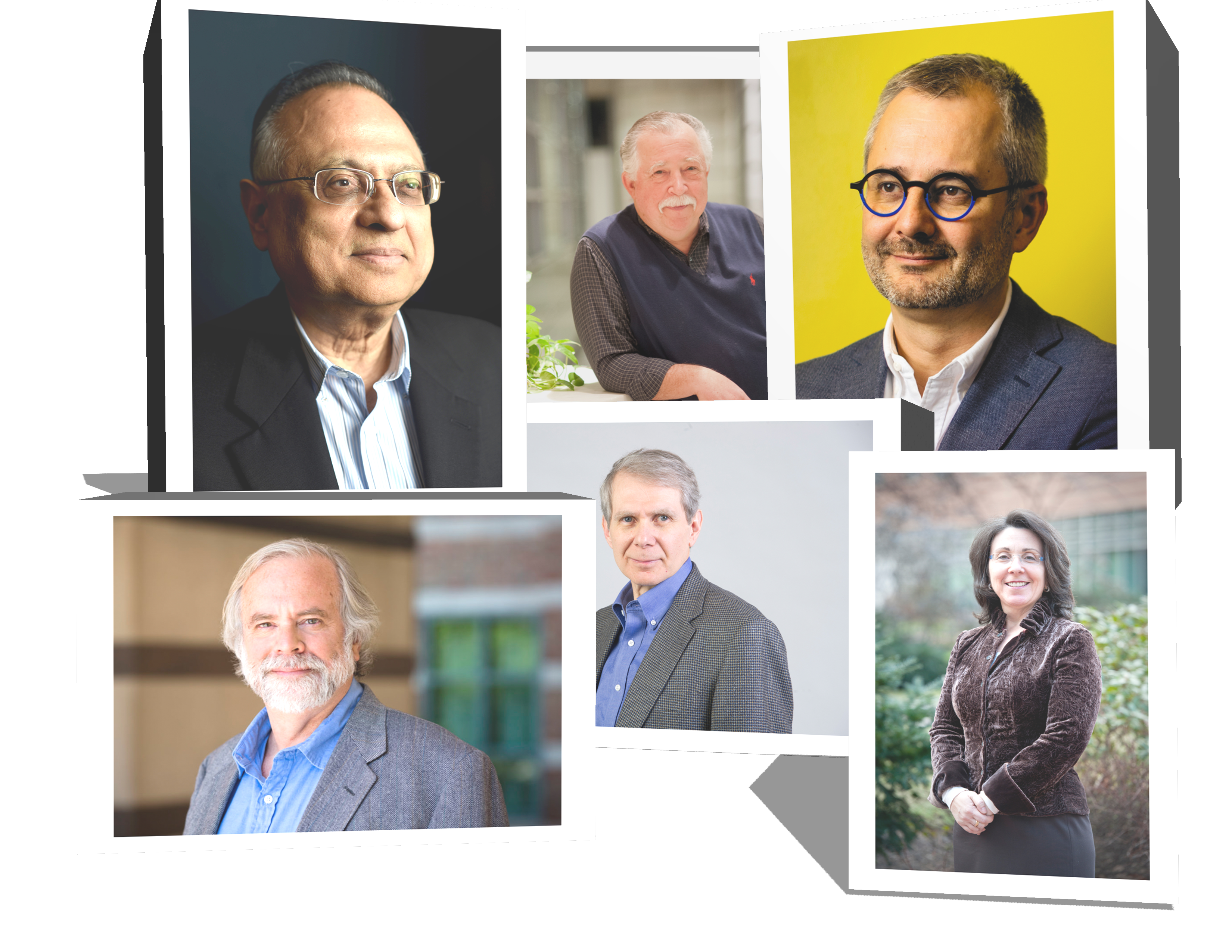
Six Northeastern Professors Named to 2019 List of ‘Highly Cited Researchers’ Around the Globe
The 2019 Highly Cited Researchers list features has included six Northeastern researchers who rank in in the top 1 percent by citations in their fields between 2006 and 2016.
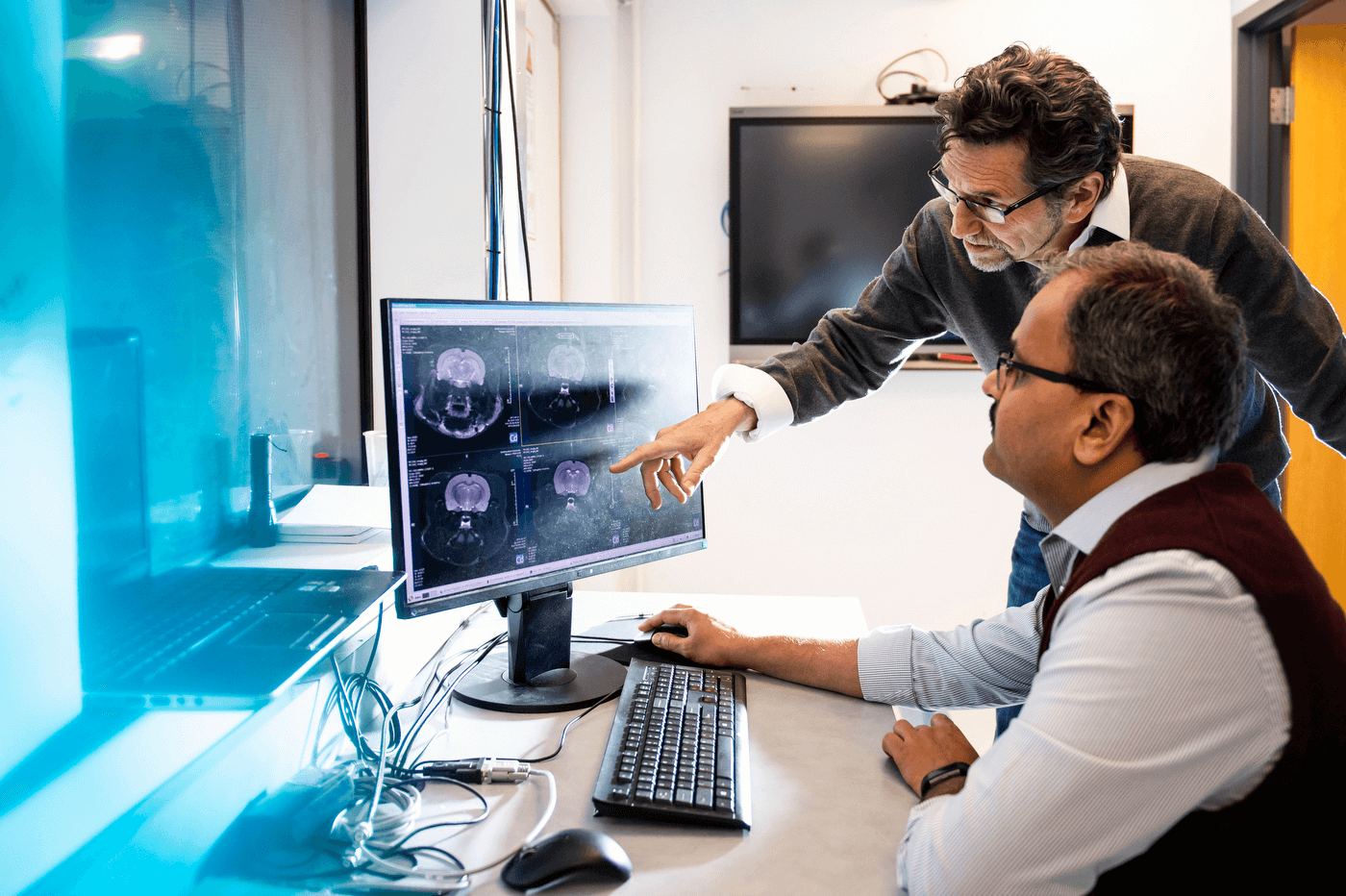
A Rat Had Basically No Brain. But It Could Still See, Hear, Smell, and Feel.
Many scientists agree that, although the brain can grow and develop, specific parts are meant only for specific functions, says Northeastern professor Craig Ferris. What if there were an animal that proved them wrong? I smell a rat.
What Do the Brains of Children Tell Us about Their Mental Health as Teens?
Anxiety and depression in teens can go undetected for too long, says Northeastern psychology professor Susan Whitfield-Gabrieli. Her team is using brain imaging during childhood to spot early symptoms of mental illness.