COS News
Research

“The basic premise is that AI can help us do better physics, and something that is less expected is that physics can also help us understand AI better,” said Northeastern professor James Halverson.
AI and physics have more in common than you might think.
News
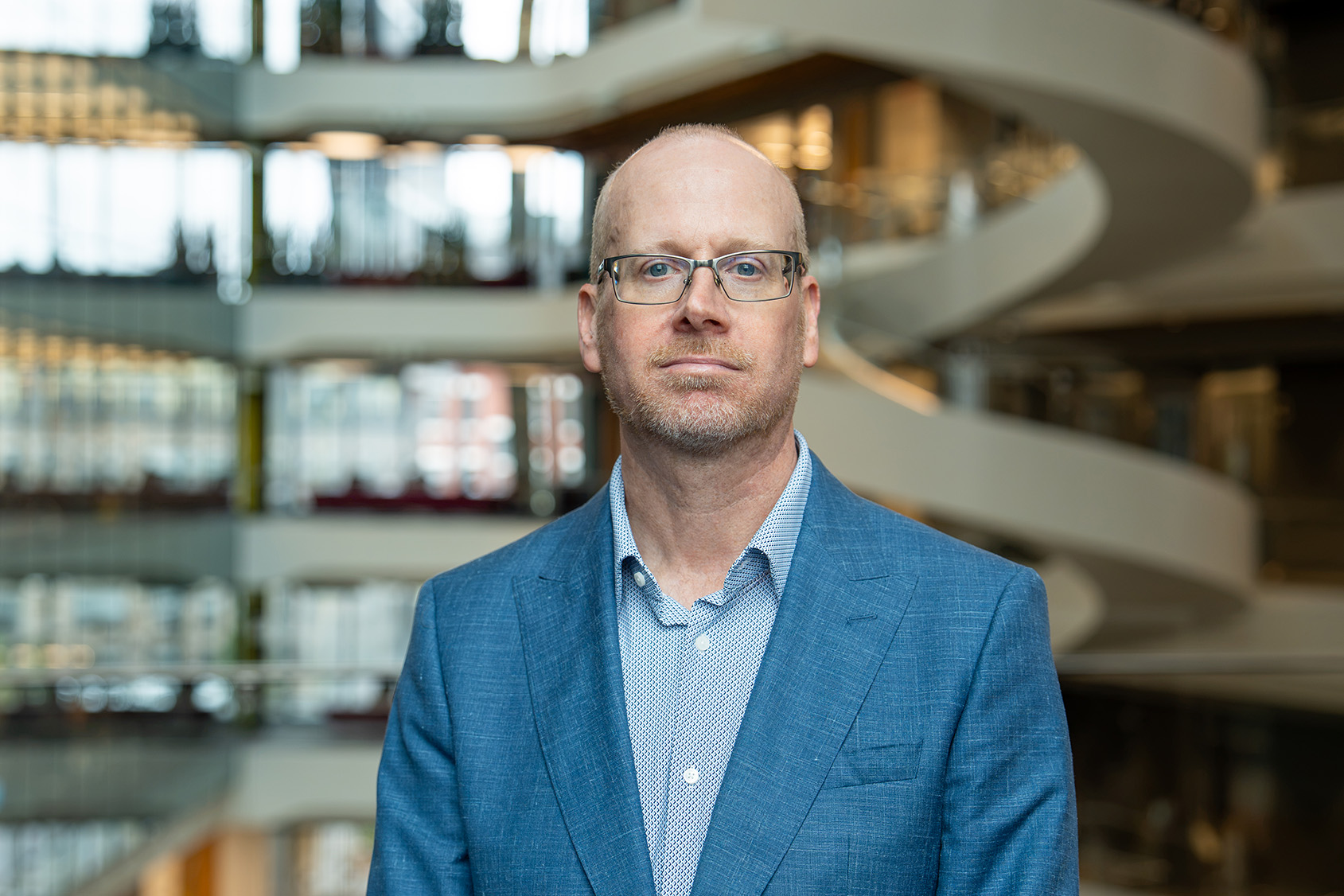
Mark Williams, Professor and Chair of the Department of Physics, will assume the role of Dean of the College of Science, effective July 1, 2026.
Mark C. Williams named Dean of the College of Science

Should you join the 5 AM Club? Why hitting snooze might be better for some
The morning routine that calls for an extra-early wakeup time has been touted by many, but what do sleep experts say? Northeastern researchers caution that sleep deprivation isn’t a price worth paying.
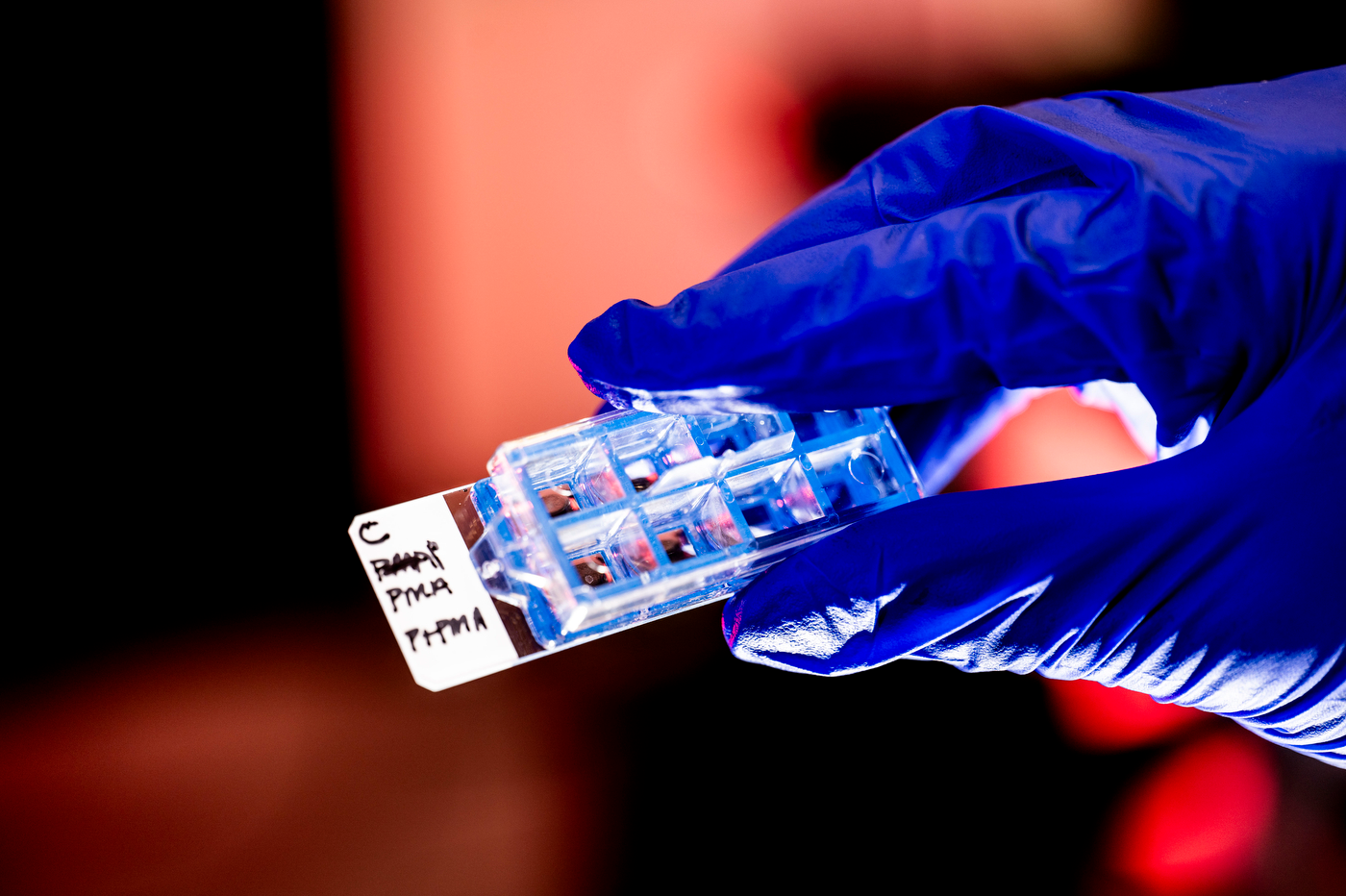
Feeling stressed? These immune cells might be key to understanding why
New research from Assistant Professor Emeka Okeke shows that neutrophils, the most abundant type of white blood cell, may play an important role in psychiatric diseases.

Mitochondria mania: Can supercharging your cells help you live longer?
Professor Konstantin Khrapko explains why mitochondria are often hailed as the secret to keeping the ailments of Father Time at bay.
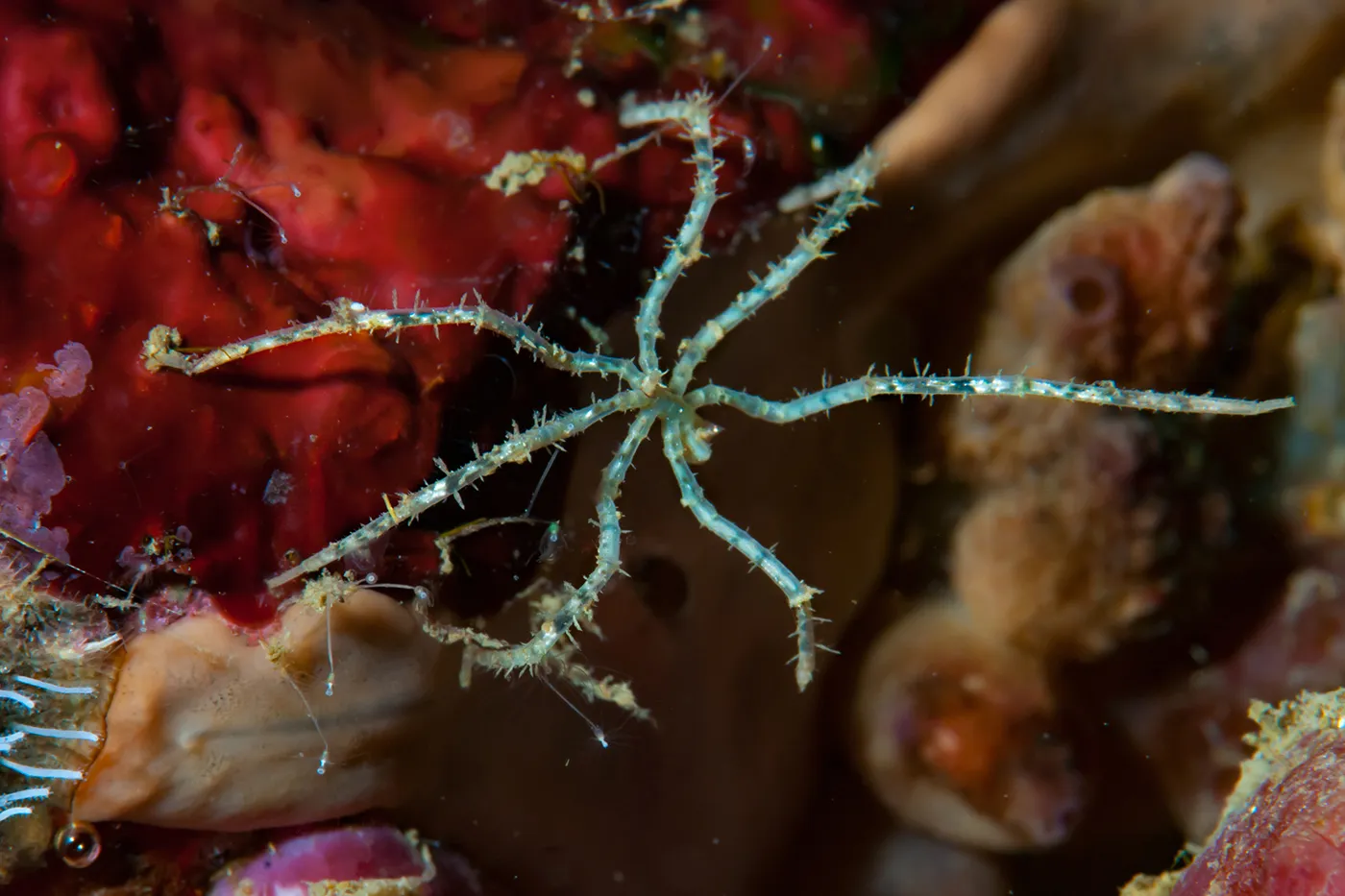
How Northeastern scientists are using Antarctic sea spiders to study life on the edge
Connie Phong wants to know how an animal adapted to live in a highly specialized environment — just below the freezing point for seawater — responds to warming oceans.
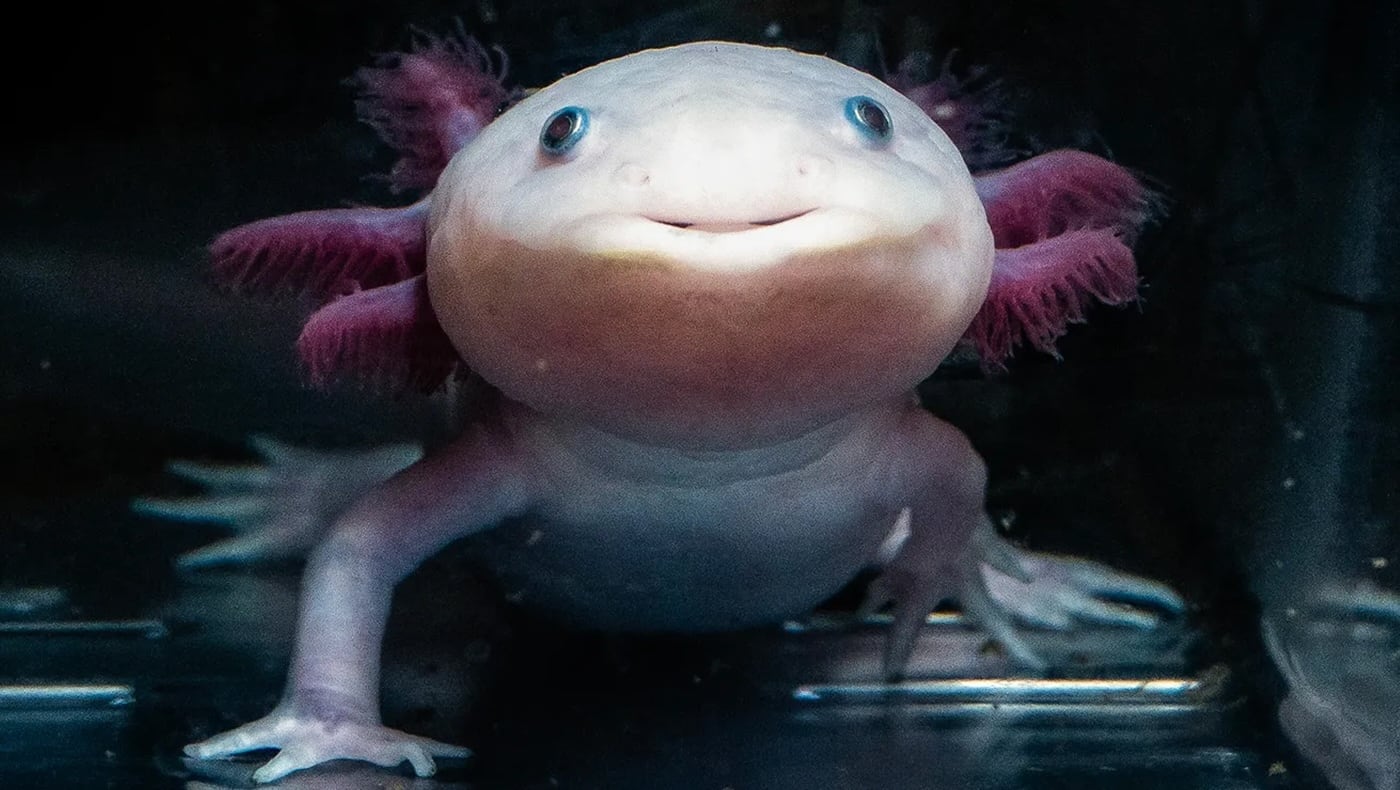
How do axolotls regenerate limbs and organs? This researcher has started to uncover the secret
New research by James Monaghan, professor of biology, shows that the key to axolotl limb regeneration is retinoic acid. Could this be the key to human limb regeneration in the future?
This antibiotic is effective against anthrax, and has no detectable resistance, Northeastern research finds
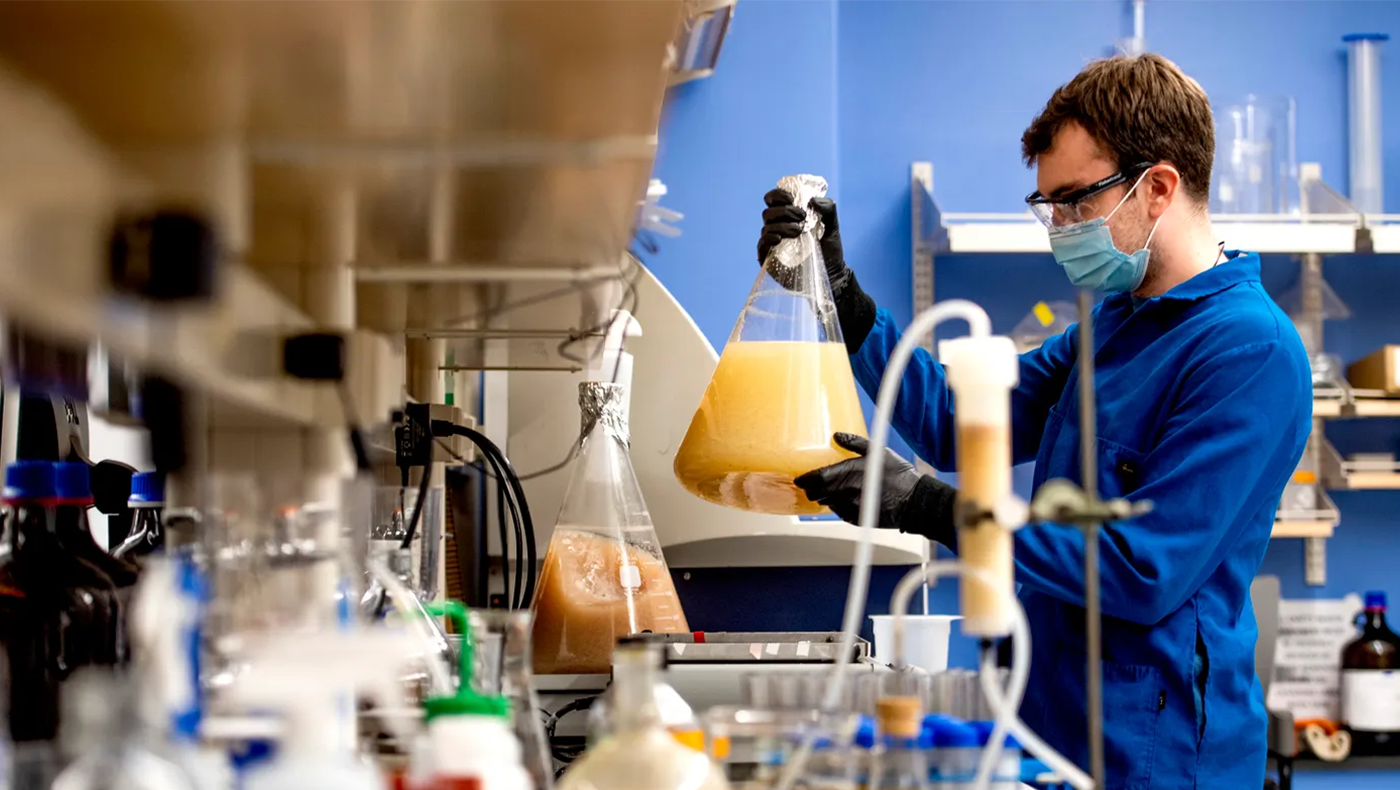
Kim Lewis and Slava Epstein, Northeastern biology professors, developed an antibiotic over a decade ago that can now be used against anthrax.
Patagonian ‘living rocks’ trace their origins to the beginning of life on Earth
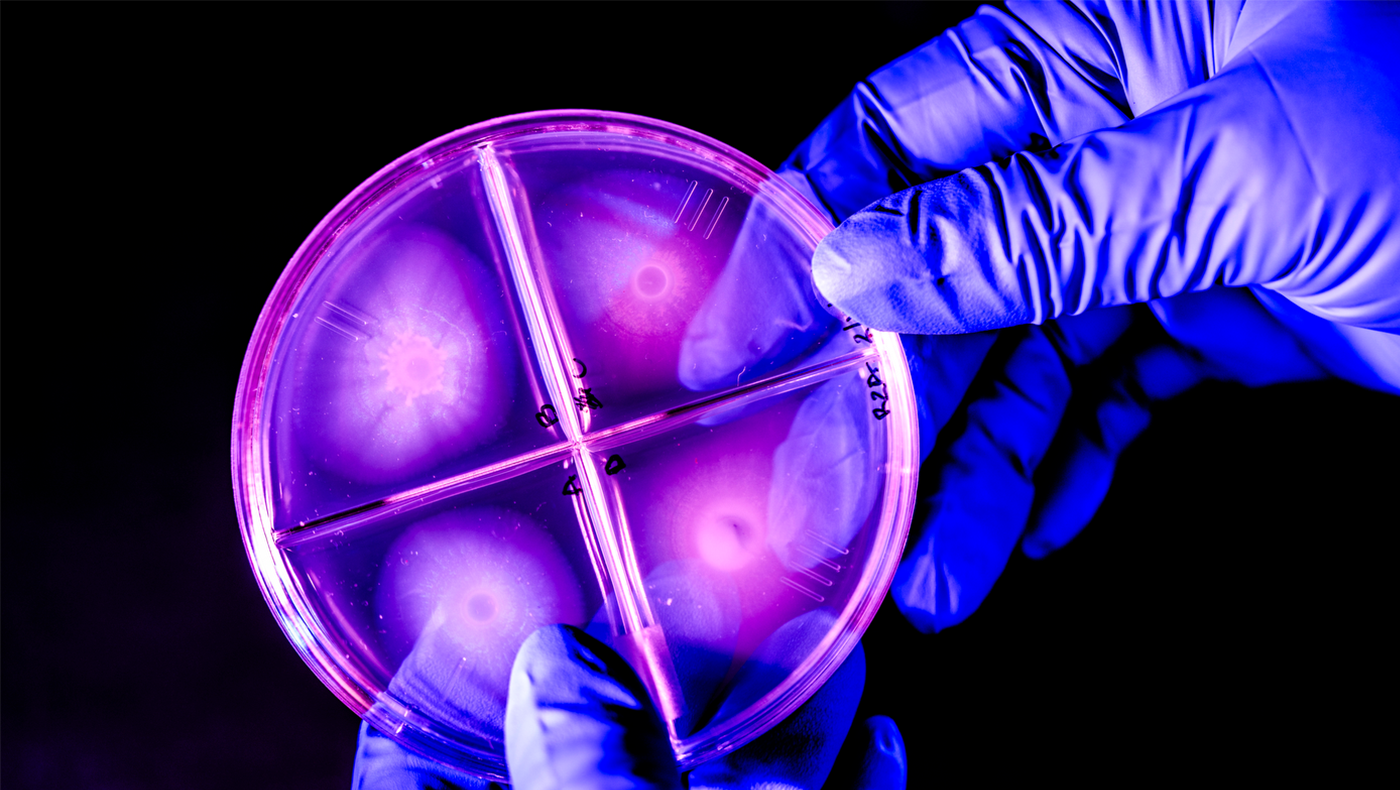
Veronica Godoy-Carter, professor of Biology and Biochemistry, has sequenced the genome of a "living hill" or bacterial colony found in Patagonia.
Why are axolotls suddenly so popular — and going extinct at the same time?
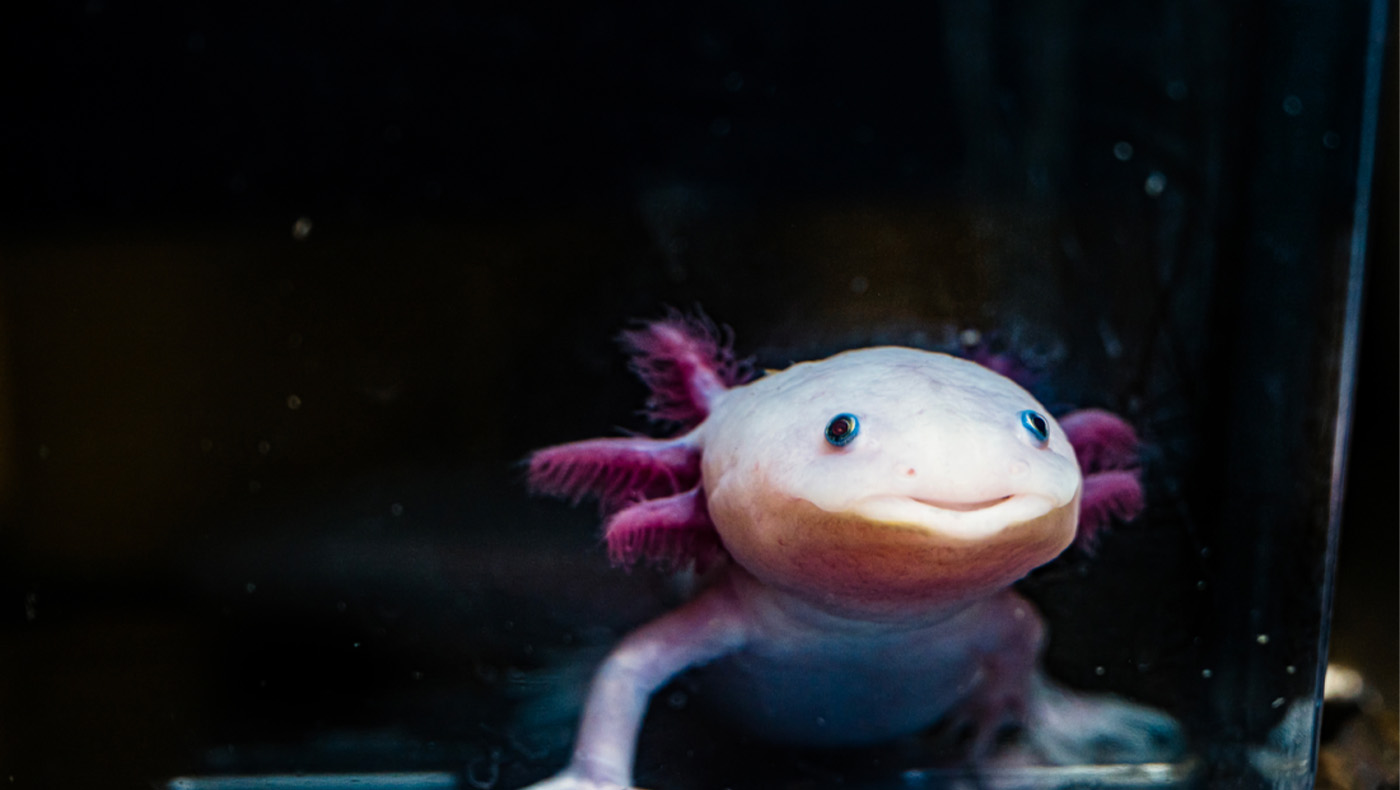
Northeastern University professors explain how the axolotl — an adorable amphibian with a permanent smile and pink, feathery gills — has become so popular, and why it’s also critically endangered in the wild.

New Northeastern research could revolutionize treatment for children’s growth plate fractures using stem cells
Andreia Ionescu, assistant professor of biology, is conducting research to understand how stem cells can be used to treat bone fractures.

New Northeastern lab plumbs the mysteries of the ticks and bacteria that cause Lyme
Constantin Takacs loves to study black-legged deer ticks and Borrelia burgdorferi, which is good news for everybody else.

Northeastern researcher Kim Lewis joins effort to accelerate discovery of new antibiotics
Northeastern researcher Kim Lewis is spearheading an effort to accelerate discovery of new antibiotics as part of a multi-institutional, federally funded project to tackle the growing problem of antibiotic resistance. “It’s a big issue because we largely stopped introducing novel antibiotics about 50 years ago,” says Lewis, distinguished professor of biology and director of Northeastern’s...
Dean Hazel Sive edits volume detailing African frog research and best practices that informed her ‘life’s work’
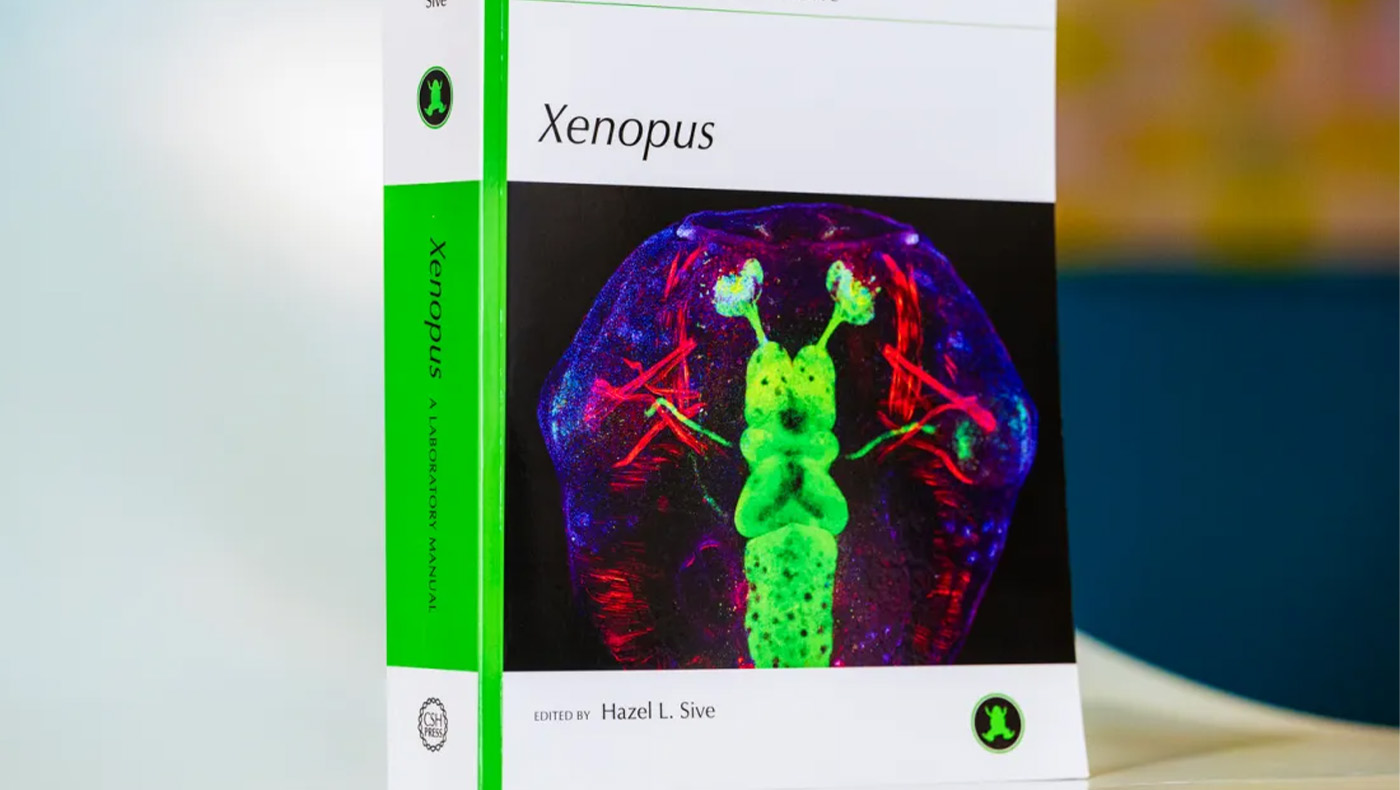
Hazel Sive, the dean of the College of Science and professor of biology at Northeastern University, has edited “Xenopus: A Laboratory Manual,” a new textbook that presents “a comprehensive collection of experimental procedures for research using Xenopus,” according to the publisher’s webpage. Xenopus — a genus of African frog — make for versatile experiments, as...