Hear from Professor Paul Stevenson and colleagues to learn about how physicists are researching ways to further understand quantum materials and their potential benefits. Our researchers will help deconstruct the complexity of quantum science and explain the potential advancements and impact on daily lives.
COS Connects: What are quantum materials anyways?

Recent Events
-
Oct 14Chemistry and Chemical Biology
CCB Colloquium Series: Dr. Eric Cueny, Boston University
October 14, 2026, 12:00 pm -
Oct 19Behavioral Neuroscience
Biology Colloquia Series: Dr. Jue “Jade” Wang, University of Wisconsin–Madison
October 19, 2026, 12:00 pm -
Oct 20Marine and Environmental Sciences
MES Seminar: Dr. Melissa Cronin, University of Massachusetts at Dartmouth
October 20, 2026, 12:00 pm -
Oct 21Chemistry and Chemical Biology
CCB Colloquium Series: Dr. Douglas Weibel, University of Wisconsin–Madison
October 21, 2026, 12:00 pm
Recent Articles
-
News
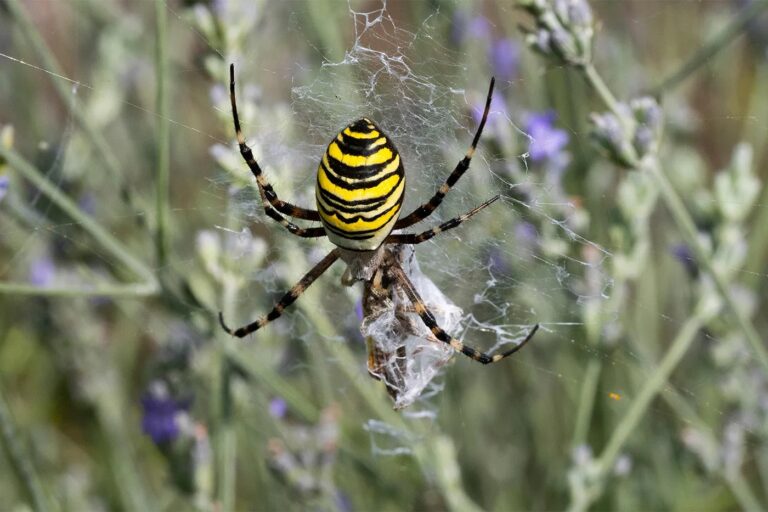
A spider in disguise puts the travel habits of wildlife in the spotlight
Wendy the wasp spider has turned up in a new neighborhood in northern England. Northeastern experts explain what sends animals packing, how climate change factors in and why newcomers don’t always get a warm welcome. -
Co-op

The student combining theater and psychology to support homeless youth in the Bay Area
While the arts alone cannot solve homelessness, Northeastern student Rachel Oppong said they provide a place for people to be seen as more than their circumstances. -
News
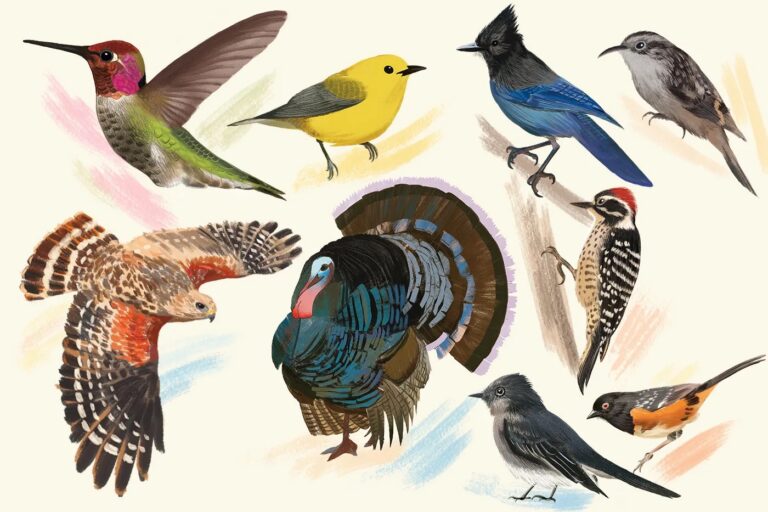
The sights and sounds of Northeastern Oakland’s resident bird species
Learn about 10 of the most unique bird species on Northeastern’s Oakland campus and listen to the songs that make up its natural soundtrack. -
News
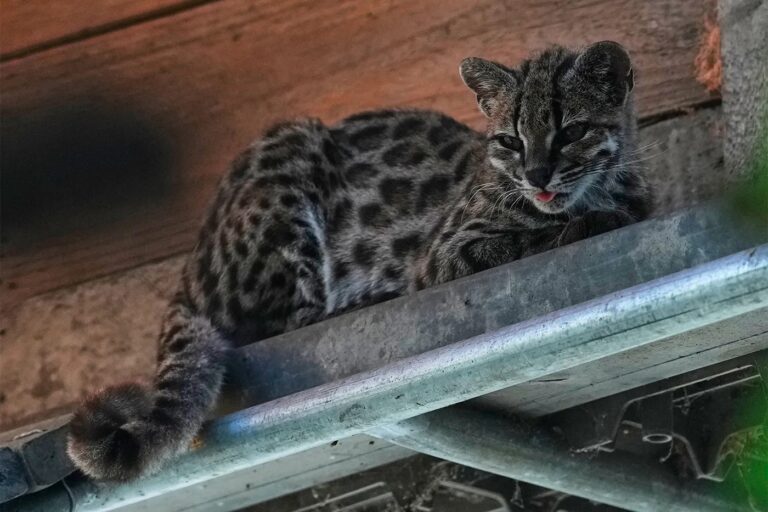
This cat is new to science. What does it take to identify a species?
A miniature leopard look-alike with no interest in domestic life helped put a new wild cat species on the scientific map. The tilcayo’s story offers a glimpse into how species are discovered and protected. -
Co-op

A grandfather’s struggle leads Northeastern student to a co-op studying neurodegenerative prion disease.
Sophie “Sofi” Gandsas helped coordinate three studies of neurodegenerative prion disease at Massachusetts General Hospital during her co-op. -
Research
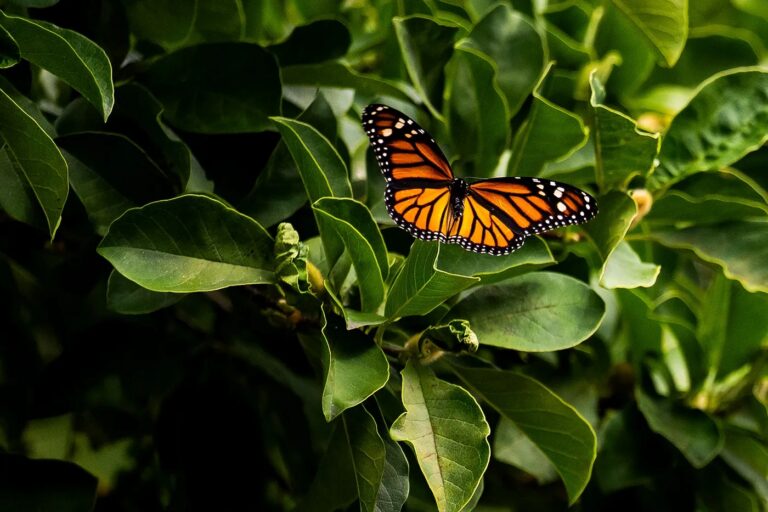
Monarch butterflies face possible extinction without more care to preserve their habitats
America’s favorite bug is fluttering to Mexico for the winter -
News
College of Science welcomes new faculty
We are delighted to welcome our newest faculty members with primary appointments in the College of Science. This exceptional group of scholars and educators spans our campuses across the university system, including Boston, Burlington, New York City, and Oakland, and brings deep expertise across the natural, mathematical, and behavioral sciences, along with a shared commitment... -
Research
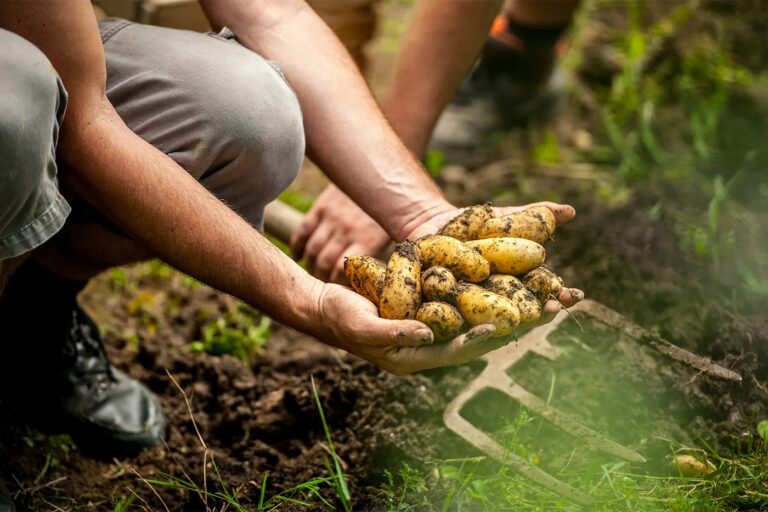
Scientists dig into the potato’s potential to fight gut inflammation
There’s more beneath the skin of a potato than starch. A Northeastern researcher is studying whether a tiny peptide derived from it could offer a new way to treat Crohn’s disease and ulcerative colitis. -
News
“Super” El Niño will bring topsy-turvy weather to much of the globe
Weather anomaly could be mightiest on record.
Sign up for CONNECTS.
The College of Science newsletter delivered straight to your inbox.
"*" indicates required fields