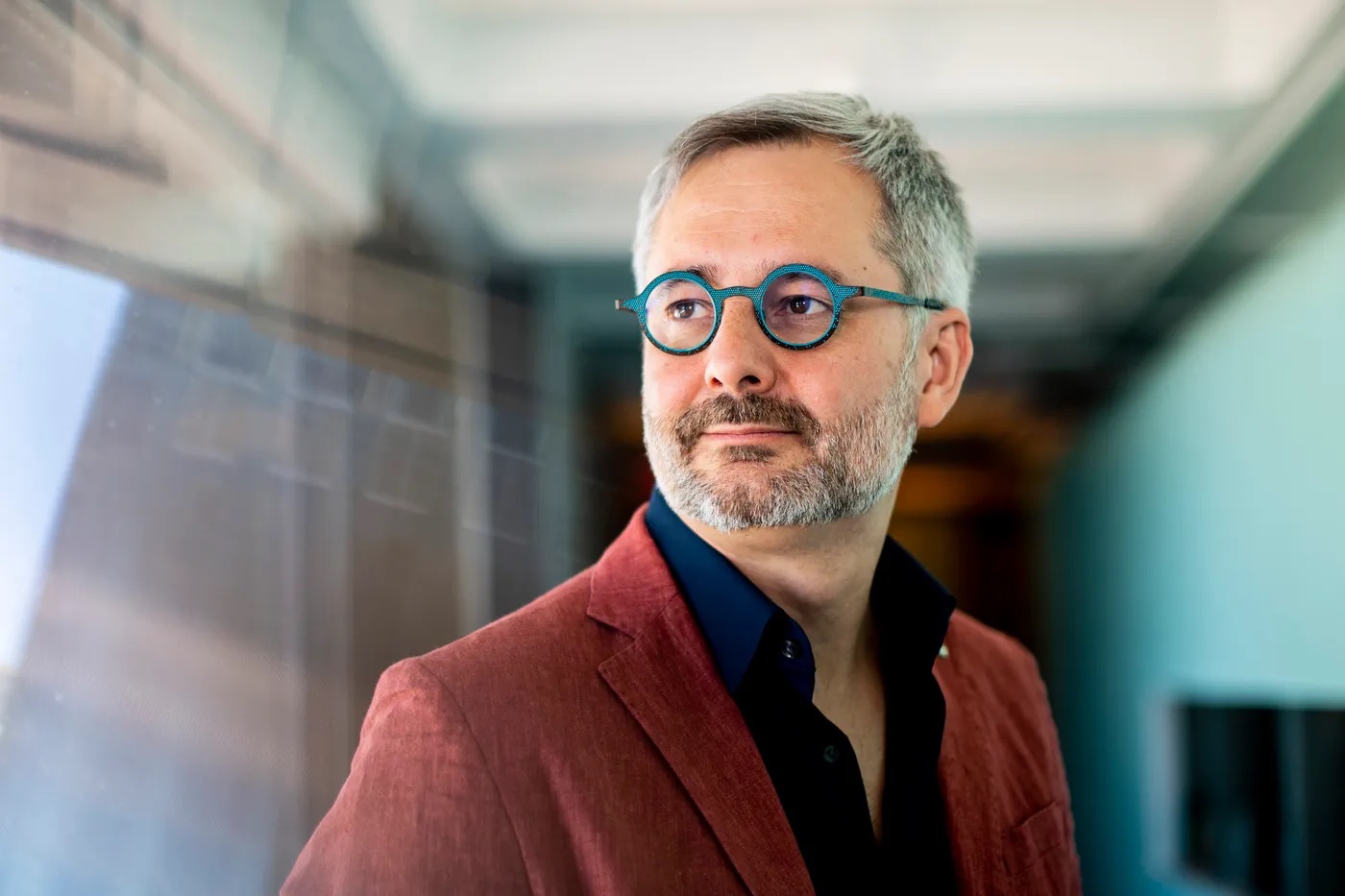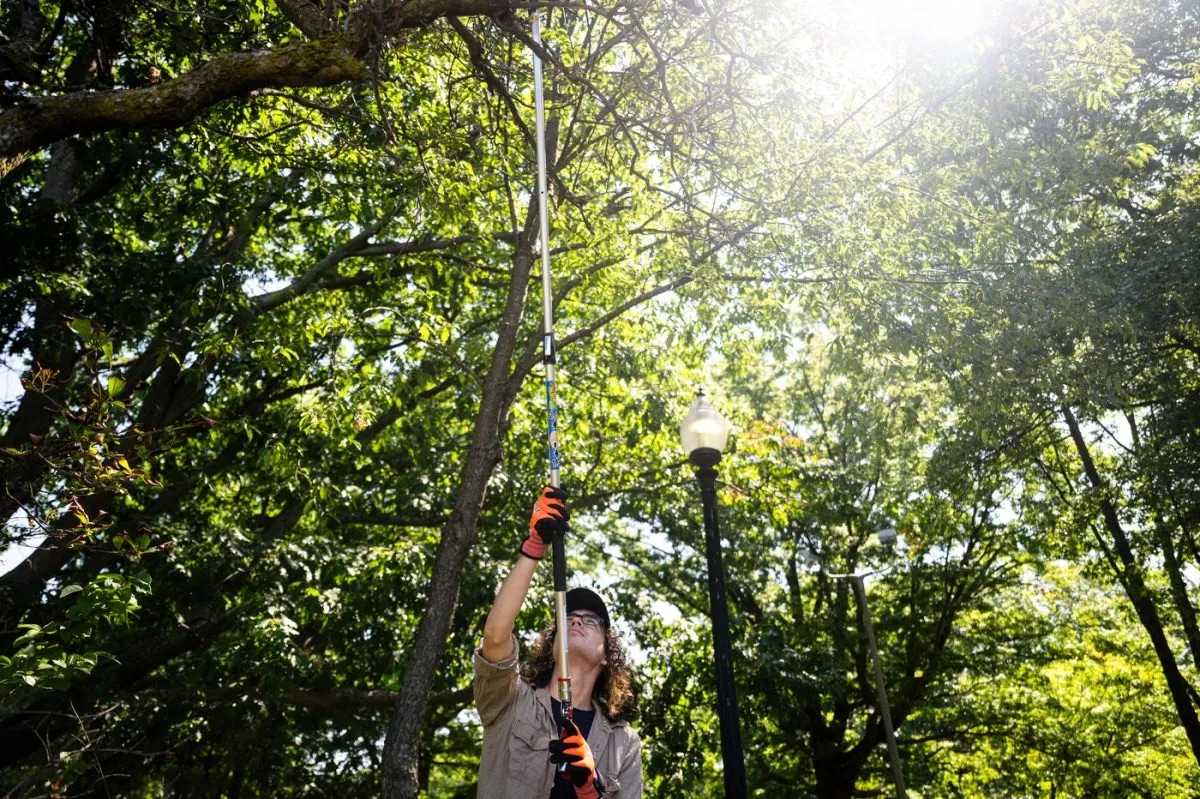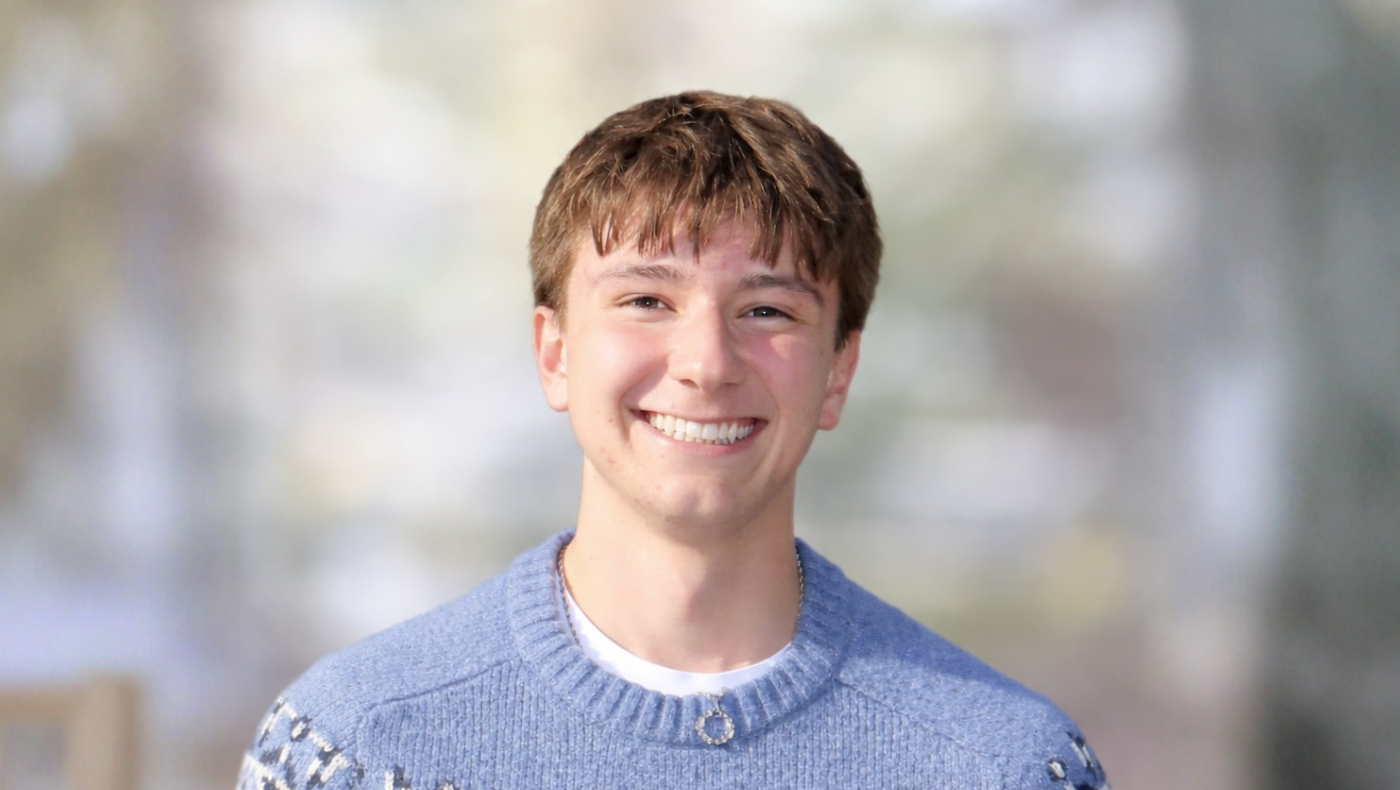
Andre Bancu won first place in the 2026 COS Pitch Competition for The Role of Transient Bioelectric Disruption in Heritable Chromatin State Changes in Dugesia japonica. Learn more about his research idea and the impact he hopes to make.
Tell us about your idea.
Planaria are tiny, freshwater flatworms that exhibit the remarkable ability of regeneration. The process of regeneration in planaria is well researched, but one rather understudied field is bioelectric signaling. When bioelectric signaling is transiently disrupted, these planaria stochastically produce two heads instead of a head and a tail during regeneration. Even more intriguing, this phenomenon is transgenerational.
I aim to investigate why bioelectric disruptions produce the two-headed phenotype, and I hypothesize that this is caused by epigenetic repression of the canonical Wnt signaling pathway. To investigate this, I plan to examine epigenetic modifications in bioelectrically disrupted planaria, as well as transgenerational expression of canonical Wnt target genes.
What inspired it, and how did it develop?
In high school, I had an amazing biology teacher, Ms. Kerri Scott. She helped me conduct my first research project on antimicrobial resistance, and since then I’ve fallen in love with research in biology.
This semester, I took Tissue Regeneration as my Biological Inquiries class with Professor Timothy Duerr, and I found the concept of regeneration utterly fascinating. Early in the semester, I knew I wanted to start a research project, so I hopped on my computer and started digging. One research paper led to another, and I ran into the notorious double-headed planaria.
After a couple weeks of educating myself on bioelectric signaling and other related fields, I began theorizing, and here I am now. What started as curiosity about a weird-looking worm became a genuine hypothesis.
Now that you’ve won, what’s the plan? What milestone are you working toward next?
The next step is actually doing the experiment itself, which I hope to do over in the Wet Lab Makerspace during the summer. With the money from the Pitch Competition and a PEAK Award I applied for this semester, I have a good chance of entirely funding the experiment. No matter the results of the research, my main goal is to teach people about my findings and help show others this crazy and amazing world of biology that we live in. Alongside this, I plan to continue my research journey at Northeastern, specifically in regenerative biology.
What impact do you hope this idea will have?
Much remains unknown in the field of bioelectric signaling, and this is exactly why I decided to pursue this research. I mean, you have these experiments where you disrupt bioelectric signals, and these worms grow two heads. That’s pretty insane, isn’t it? So, we know that these disruptions cause a heritable physiological change, and now we have to ask, what could be causing it?
If my research supports that bioelectric signaling is able to manipulate the epigenome, this could provide a plausible mechanism for how bioelectric signaling affects regenerative patterning in planaria.
Now, one caveat is that planaria are simpler in anatomy compared to vertebrates, and the question then becomes whether this bioelectric mechanism has been evolutionarily passed down to other organisms. Similar mechanisms have been seen in the frog species Xenopus, which implies that this may be conserved across organisms.
If all of these factors are supported, bioelectric signaling may be a critical factor in correct regenerative patterning in vertebrates, which may one day apply to us once we unlock regenerative medicine in humans.
Co-sponsored by the Science Connects to Innovation program and NextGen Lab, the COS Pitch Competition is an exciting opportunity for undergraduates in the College of Science to present their entrepreneurial research idea to a panel of judges for a chance to win prizes!