COS News
Research
“The basic premise is that AI can help us do better physics, and something that is less expected is that physics can also help us understand AI better,” said Northeastern professor James Halverson.
AI and physics have more in common than you might think.
News
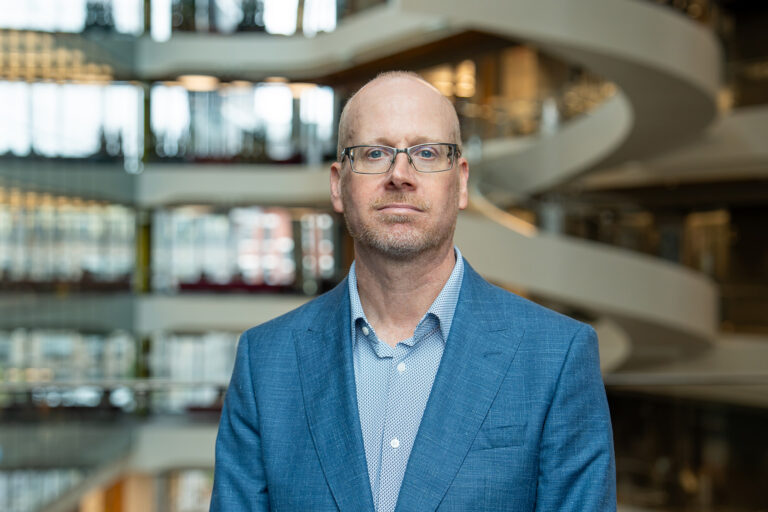
Mark Williams, Professor and Chair of the Department of Physics, will assume the role of Dean of the College of Science, effective July 1, 2026.
Mark C. Williams named Dean of the College of Science
Showing 22 results in PhD Students
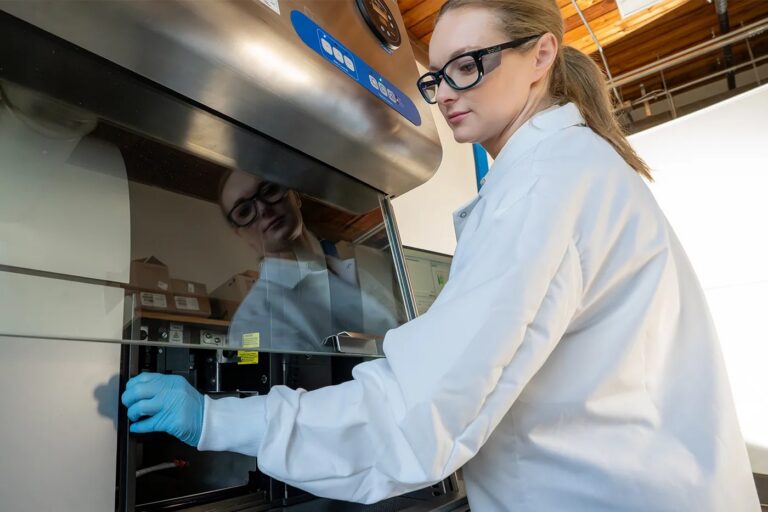
Northeastern taught grad how to analyze cells. Now, it’s her business
Graduate Hannah Sheehan Sauve used a high-precision cell analysis technique she learned at Northeastern University to build a company.
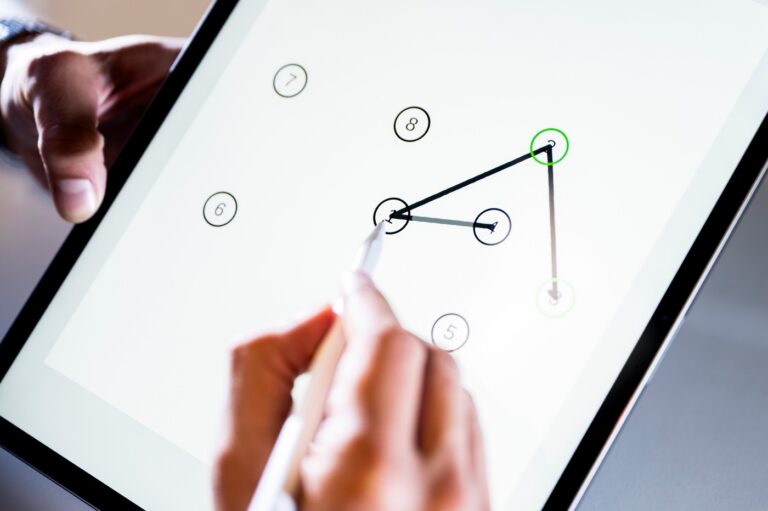
These Northeastern researchers are helping move cognitive tests from the clinic to the home
Northeastern University researchers developed an app to test brain functions designed for use on smartphones and tablets that’s receiving positive results.

Scientists create a hydrogel that heals itself. It’s also fully recyclable
A self-healing material developed by Northeastern researchers can repair itself in a matter of minutes. Its recyclable design could keep long-lasting waste out of landfills.
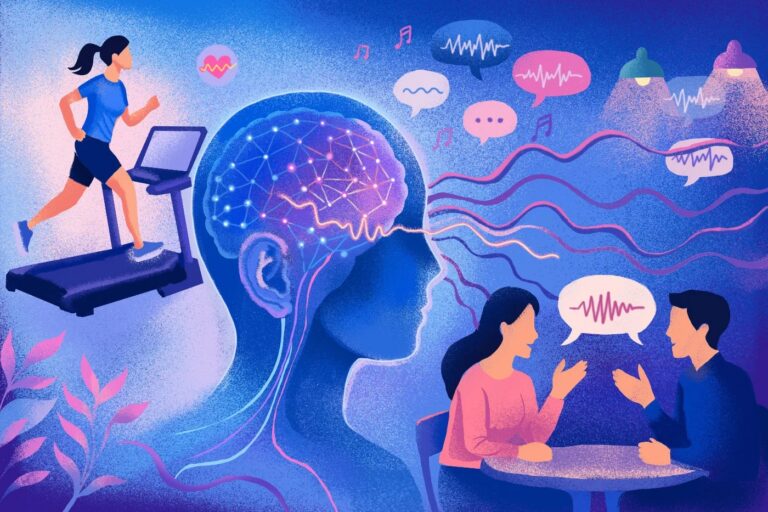
Break a sweat, hear more? Early results point to a surprising link between fitness and speech perception
There’s another reason to make time for a Peloton session or squeeze in a run before work — it could be good for your hearing. Northeastern researchers found that fitness boosts speech perception in a noisy environment.
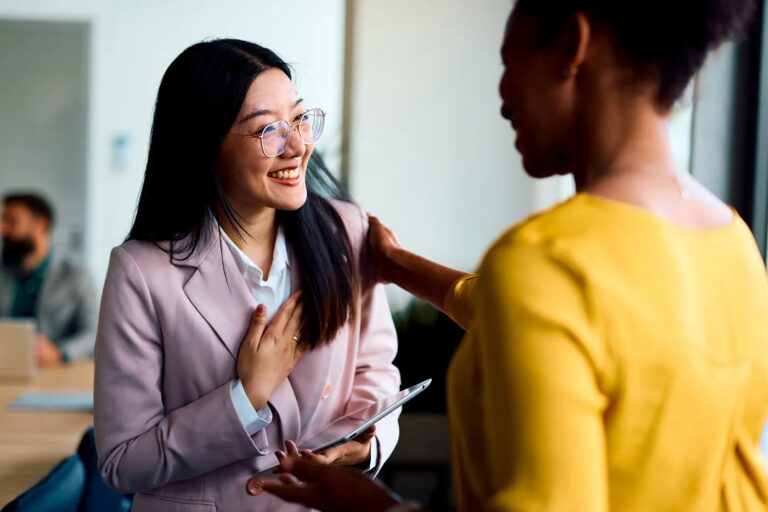
Who’s listening when you say “thank you”? It matters more than you might think
There may be more to a simple “thank you” than meets the ear. Northeastern researchers found that witnessing someone express gratitude creates a halo effect that makes observers want to interact or collaborate with them.
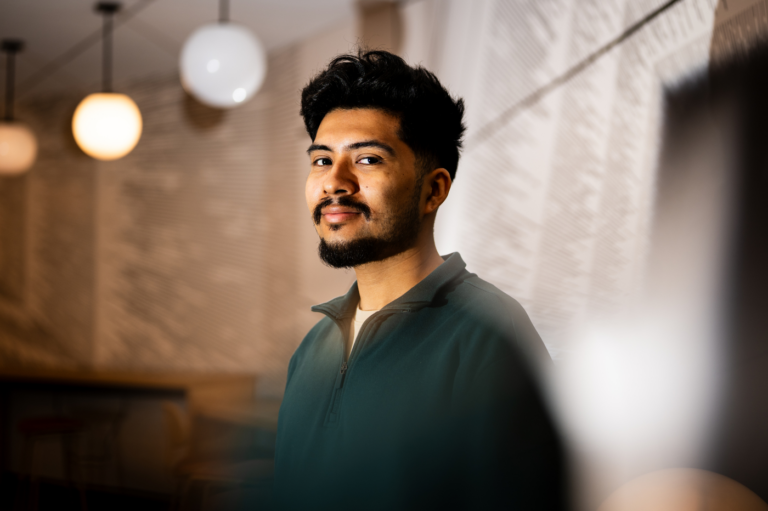
Northeastern doctoral student awarded Soros Fellowship to study intersection between physics and math
At Northeastern, Oswaldo Vazquez is studying quantum field theory, a framework used to study elementary particles.
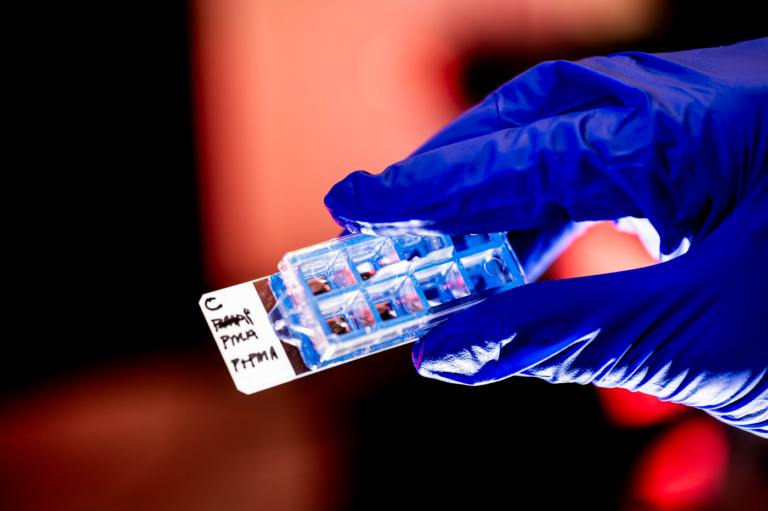
Feeling stressed? These immune cells might be key to understanding why
New research from Assistant Professor Emeka Okeke shows that neutrophils, the most abundant type of white blood cell, may play an important role in psychiatric diseases.
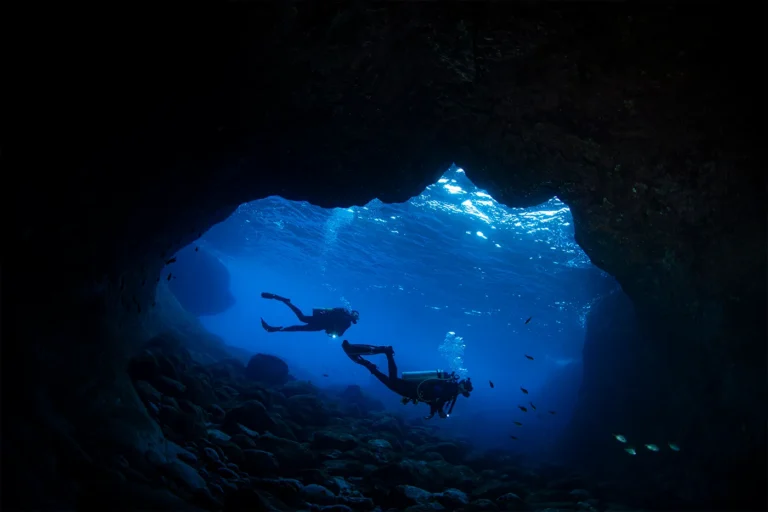
How living and working under the sea fills aquanauts with wonder and awe. The phenomenon is called the “underview effect.”
Professor Brian Helmuth studies how living underwater can create a mind-blowing effect similar to what astronauts experience in space.
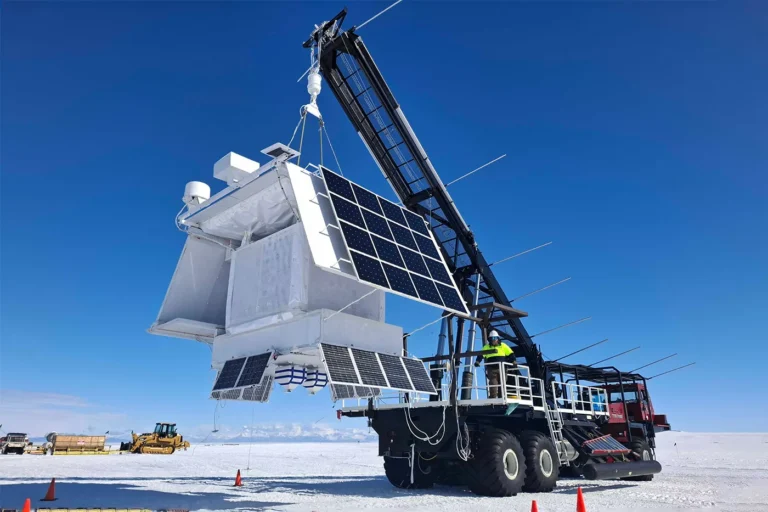
These researchers flew a particle detector above Antarctica, hoping to find evidence of mysterious matter
Assistant Professor Tsuguo Aramaki has spent 20 years developing a weather balloon-borne particle detector to record indirect traces of dark matter. It recently launched in Antarctica.
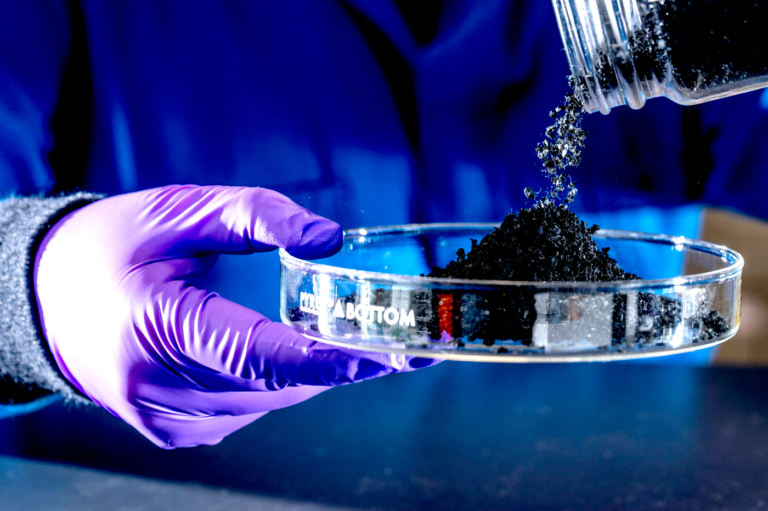
The rubber in artificial turf decays into a potentially dangerous chemical cocktail, new research shows
New research by Zhenyu Tian, an assistant professor of chemistry and chemical biology, examines the complex and potentially dangerous miasma of chemicals released by crumb rubber, a fill material used in many artificial turf fields.
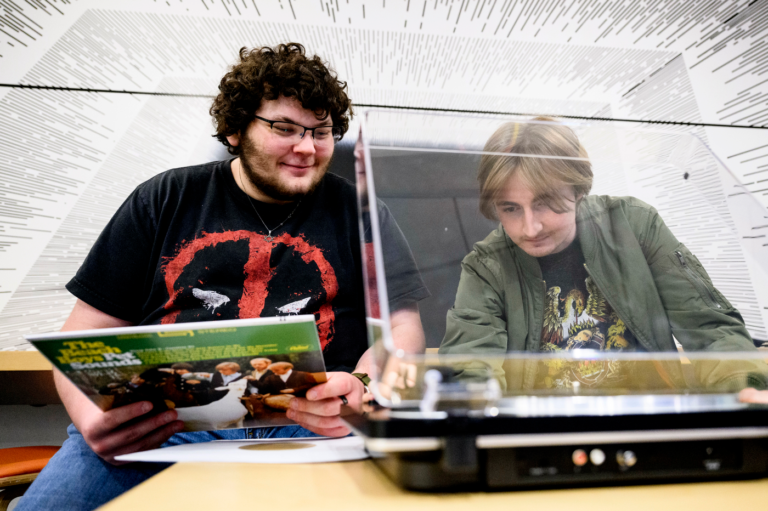
Why we remain attached to the music of our youth
Juliet Davidow, assistant psychology professor, argues that the social rewards when listening and experiencing music in our younger days helps ‘encode’ it onto our memories.
How string theory helped solve a mystery of the brain’s architecture
Scientists long thought neurons minimized connection lengths, but neuronal maps told a different story. New research by Albert László Barabási uses string theory mathematics to explain why.