Physics Research
Research in the physics department explores the fundamental principles that govern natural phenomena ranging from the smallest scale of the quantum world to atoms, molecules, organic systems, and cosmic scales of the Universe.
Research areas
-

Astrophysics and Cosmology
This group conducts cutting-edge research into the nature of the universe, including dark energy, large-scale structure, galaxy clusters, black holes across all mass scale and neutron stars, dark matter searches, and MeV gamma-ray observations.
-

Experimental Biological Physics
The experimental biological physics group develops and applies experimental techniques to study biological entities at various scales from biomolecules to cells to organisms.
-

Experimental Condensed Matter Physics
Faculty in the experimental condensed matter physics group are the forefront of research in nanophysics and novel materials
-

Experimental Particle Physics
This group works on the Compact Muon Solenoid (CMS) experiment at the Large Hadron Collider (LHC) at CERN. They study precision measurements of Standard Model processes and search for signatures of new physics, such as leptoquarks, dark matter candidates, and exotic production and decays of Higgs bosons.
-

Network Science
The Network Science group seek to discover and inspire fundamentally new ways to measure, model, predict, and visualize meaningful interactions and interconnectivity of social, physical, and technological systems.
-

Theoretical Biological Physics
In this group, members apply theoretical and computational tools of statistical and nonlinear physics to understand fundamental aspects of the behavior of living systems across molecular to organ scales in health and diseases.
-

Theoretical Condensed Matter Physics
Faculty apply theoretical and computational tools to study the quantum properties of condensed matter (solid state) systems. A major focus within the group is understanding novel and unusual phases of matter, as well as non-equilibrium aspects of materials.
-
Theoretical High Energy Physics
Faculty in the theoretical high energy physics group apply techniques from Mathematics and AI to study particle physics, cosmology, and string theory, often with overlap between the subjects.
In the news
-
Research

Could the World Cup trigger the next pandemic? Scientists have mapped the risks
The World Cup brings together 48 teams from across the globe, but it also provides an opportunity for disease to spread. Professor Alessandro Vespignani developed a tool to help American cities prepare. -
Research

12 players to watch in the FIFA World Cup 2026, according to the data
Assistant teaching professor Brennan Klein analyzed a comprehensive dataset and compiled a list of key players. -
Research
AI and physics have more in common than you might think.
“The basic premise is that AI can help us do better physics, and something that is less expected is that physics can also help us understand AI better,” said Northeastern professor James Halverson. -
Research

‘Giving back’ cellphone data so communities can plan
The goal of Professor Esteban Moro’s new research is to help communities better allocate resources, plan for events and more. -
Research

Quantum computing research earns professor prestigious Cottrell Scholar Award
Yizhi You, an assistant physics professor, was named a Cottrell Scholar, which is bestowed on promising early-career academics studying chemistry, physics or astronomy. -
Research
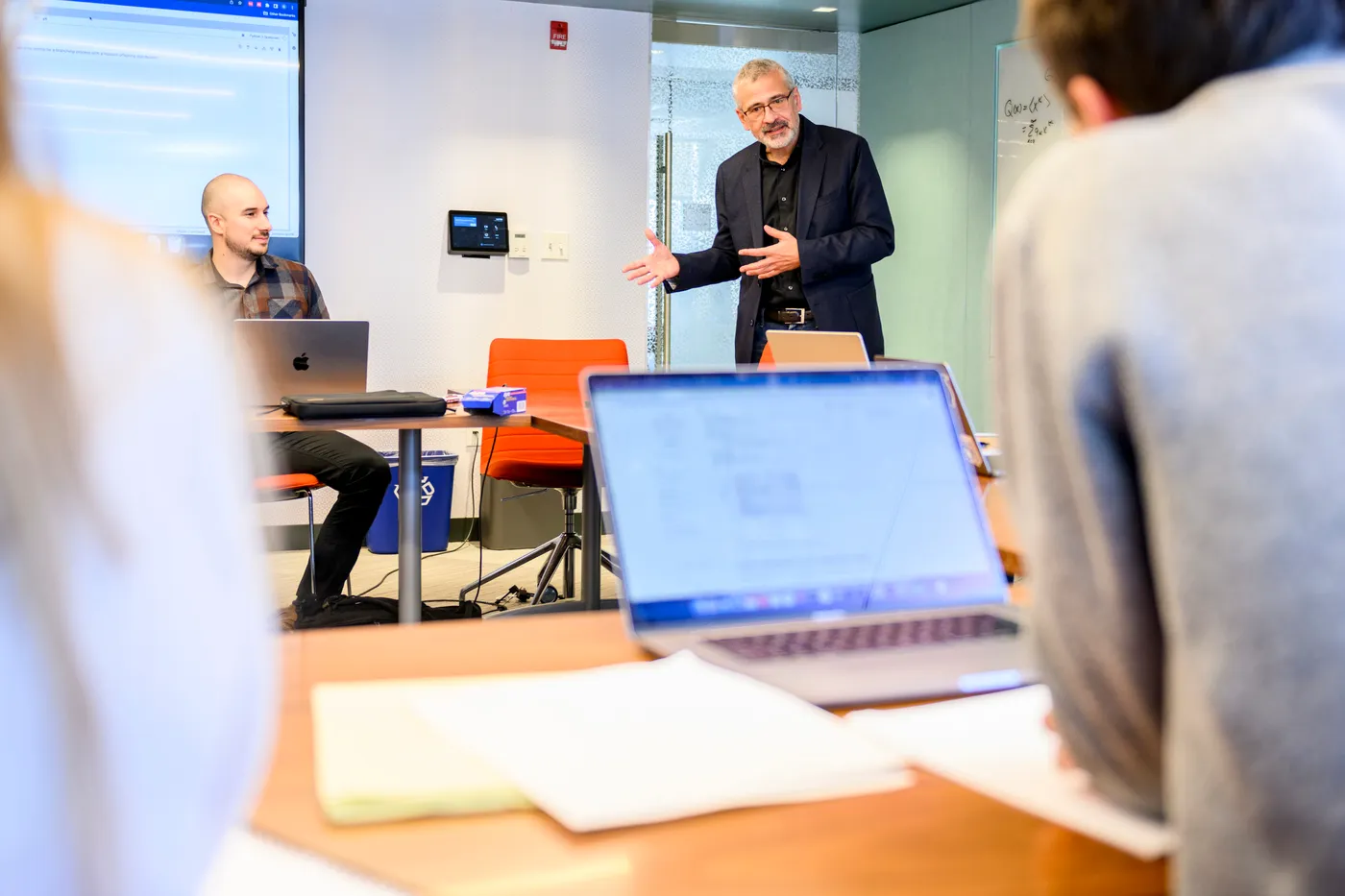
The pandemic is over but health threats remain. How network scientists are making epidemic modeling more accessible
Professor Alessandro Vespignani reveals new data on how Americans move and mingle post-COVID. -
News
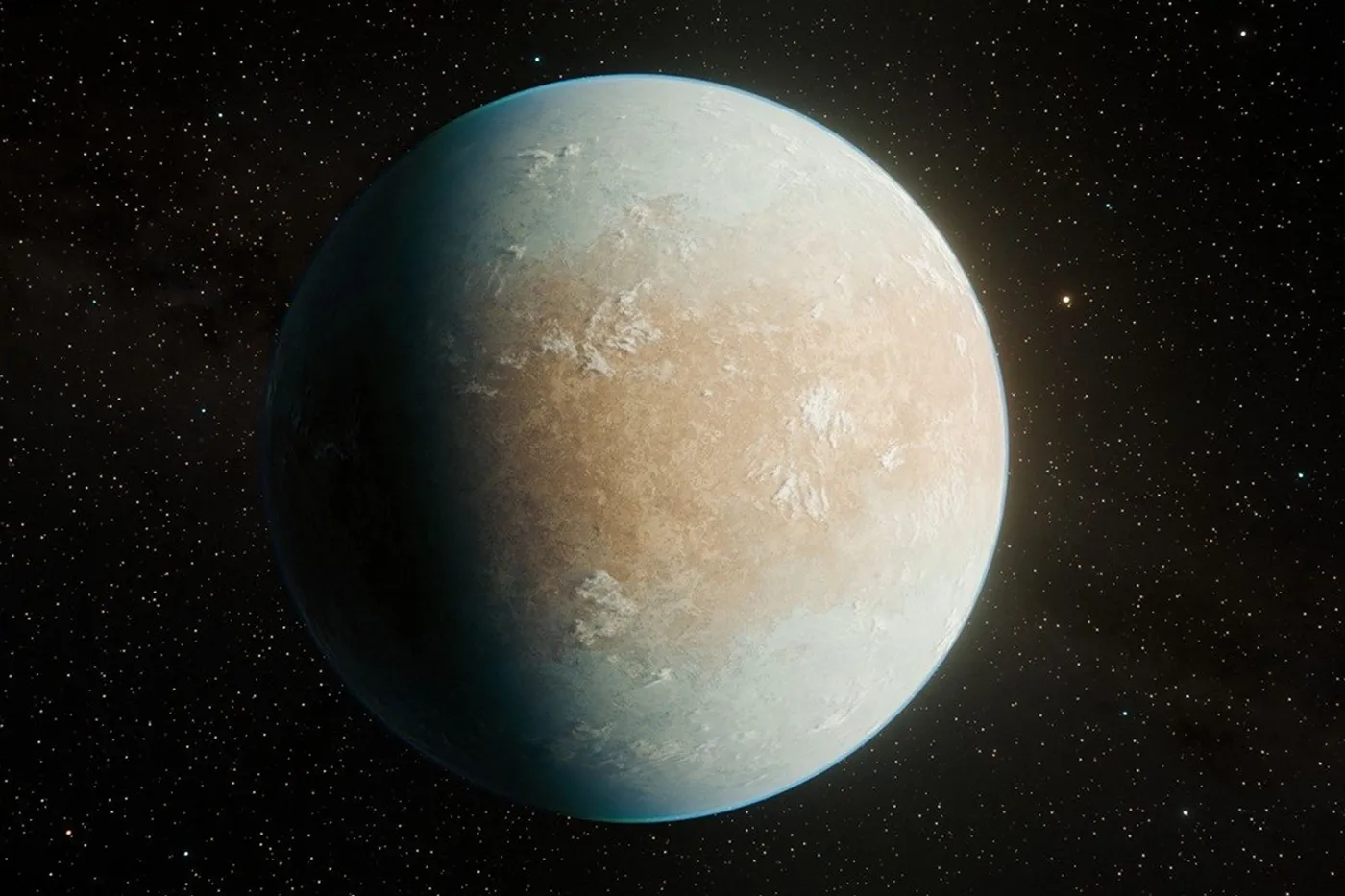
What is an exoplanet? An astrophysicist explains why they are vital for finding alien life
The discovery of a more Earth-like planet beyond our solar system reveals how these objects can help us “understand where we came from and whether we’re also alone,” astrophysicist Jonathan Blazek said. -
Research

Soccer passing is harder, shorter and sharper across pro leagues, new research finds
Assistant teaching professors Brennan Klein’s new research group, NetSi Sport, released research analyzing how professional soccer gameplay has evolved over the last five years. -
Research
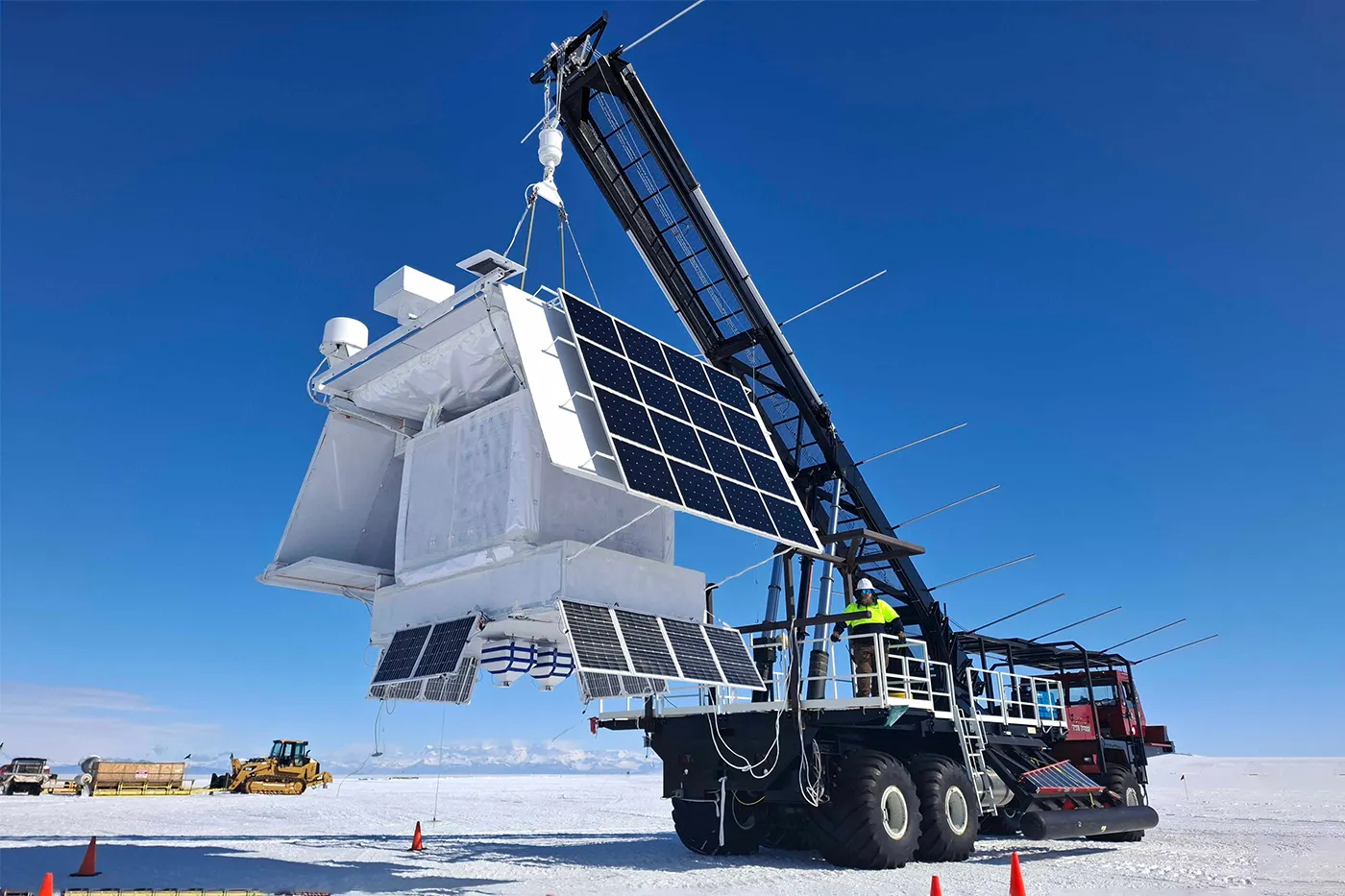
These researchers flew a particle detector above Antarctica, hoping to find evidence of mysterious matter
Assistant Professor Tsuguo Aramaki has spent 20 years developing a weather balloon-borne particle detector to record indirect traces of dark matter. It recently launched in Antarctica.