Network Science
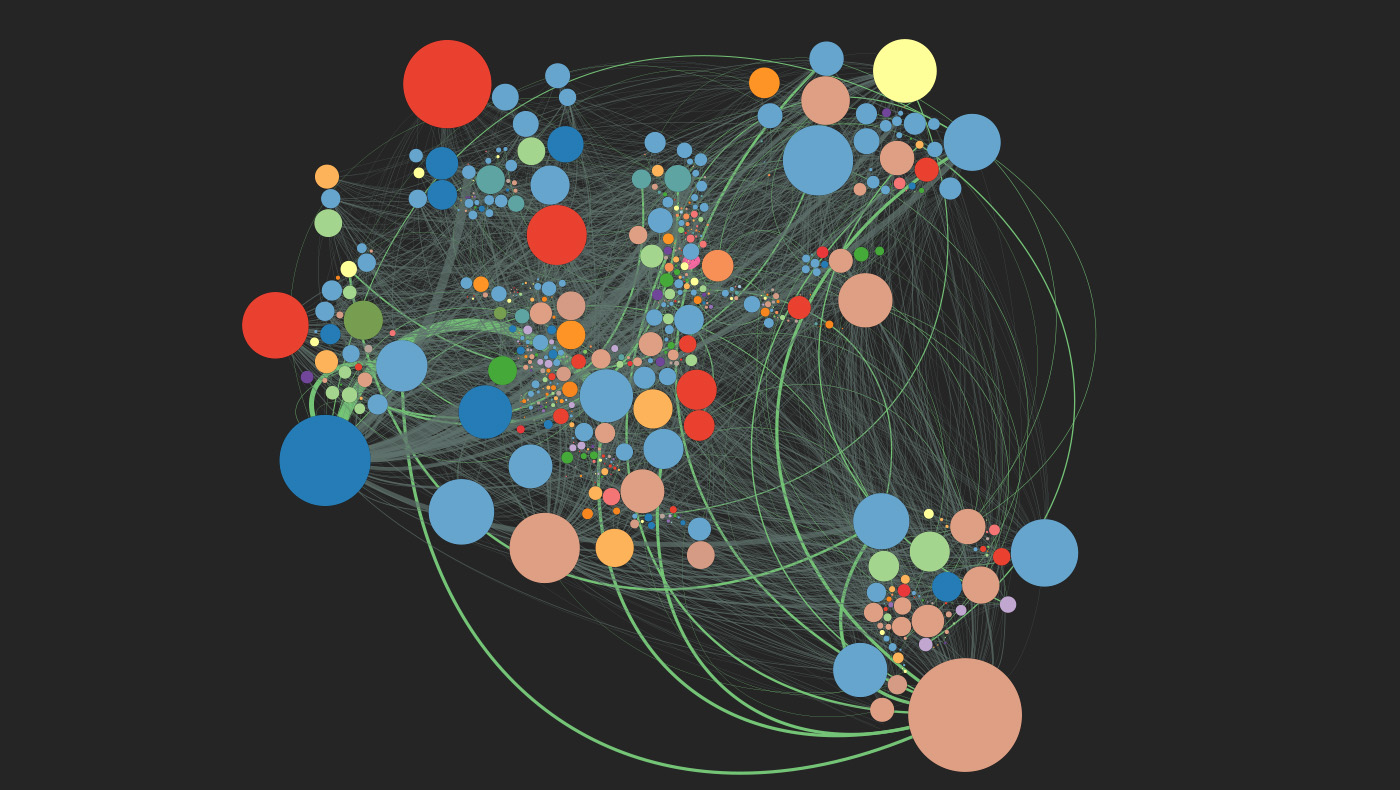
The Network Science group seek to discover and inspire fundamentally new ways to measure, model, predict, and visualize meaningful interactions and interconnectivity of social, physical, and technological systems. Members in this group are a part of the interdisciplinary Network Science Institute.
Members
-
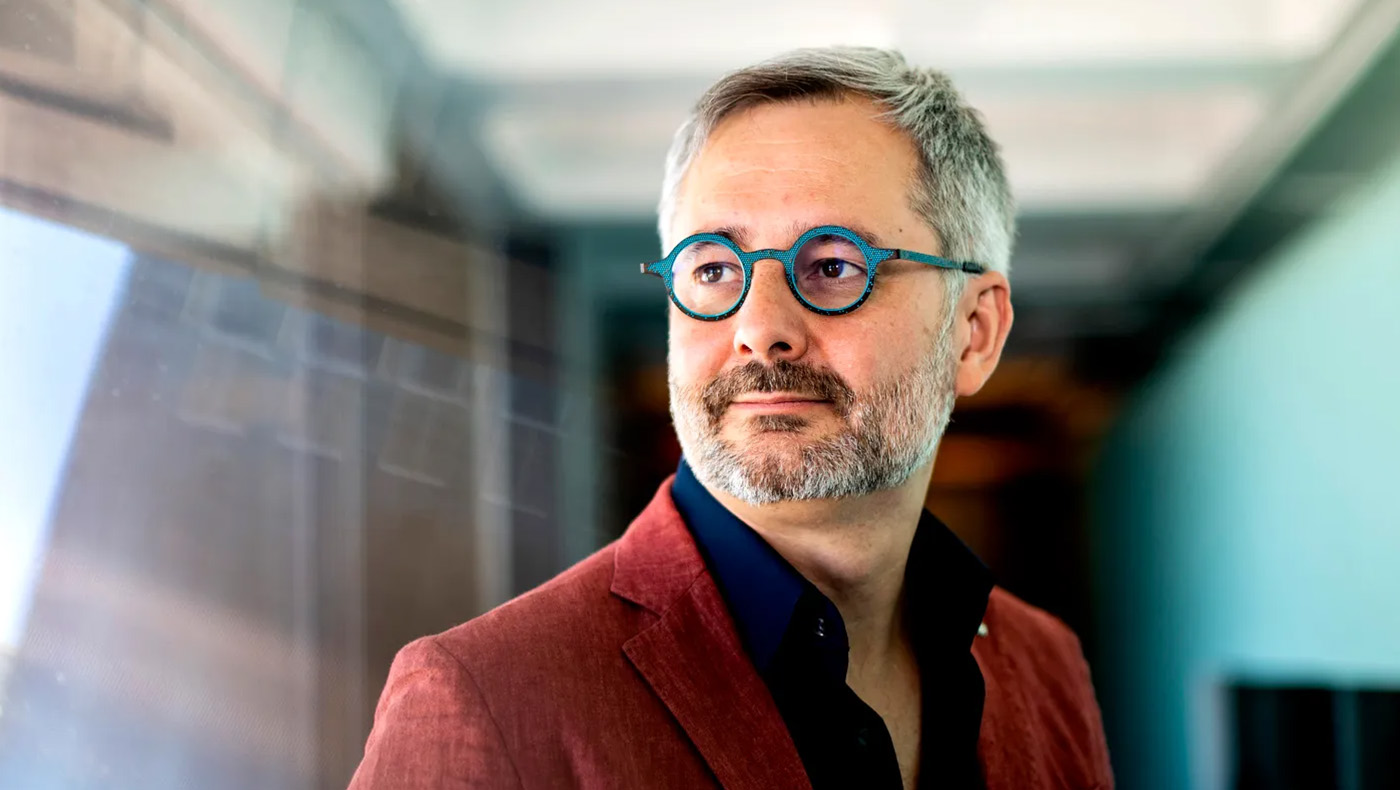
Professor Barabási’s research focuses on biological networks, science of success, applications of control theory to networks, and the development of network models of resiliency in systems.
-

Professor Krioukov’s expertise is in latent network geometry, maximum-entropy random graph ensembles and random geometric graphs, causal sets, navigation in networks, and fundamentals of network dynamics.
-

Professor Moro’s expertise is in big data, network science, and computational social science, with a focus on human dynamics, collective intelligence, social networks, and urban mobility in areas such as viral marketing, natural disaster management, and economic segregation in cities.
-
Research in Professor Santillana’s group focuses on modeling of geographic patterns of population growth, modeling fluid flow to inform coastal floods simulations and atmospheric global pollution transport models, design and implementation of disease outbreak prediction platforms, and mathematical solutions to healthcare.
-
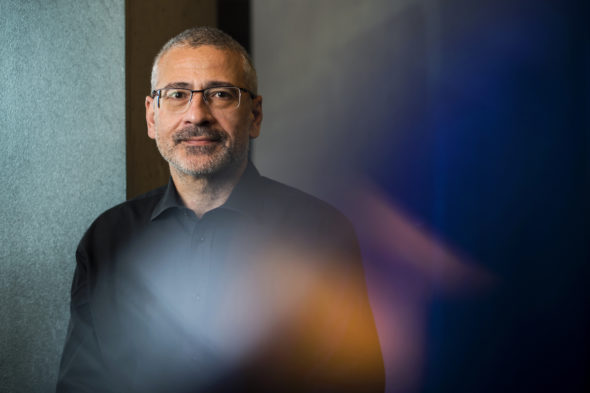
Professor Vespignani’s expertise includes contagion models and adaptive behavior, epidemics in structured populations, resilience of coevolving and interdependent networks, conversations in online social networks, global epidemic and mobility model, and mapping world languages through microblogging platforms.
Interested in working with us?
In the news
-
Research

Remote work affects urban economies far beyond downtown hubs, Northeastern research finds
Esteban Moro, professor of physics, and colleagues across the country analyzed how remote work impacted commerce. -
News
Northeastern network science professor Albert-László Barabási elected to National Academy of Sciences
Albert-László Barabási was sitting in Central Café in Budapest, Hungary, when he got the call that he had been elected to the National Academy of Sciences (NAS) for his work in network science. Network science’s recognition has felt like a long time coming, he says. In 2005, the National Research Council — “the operating and… -
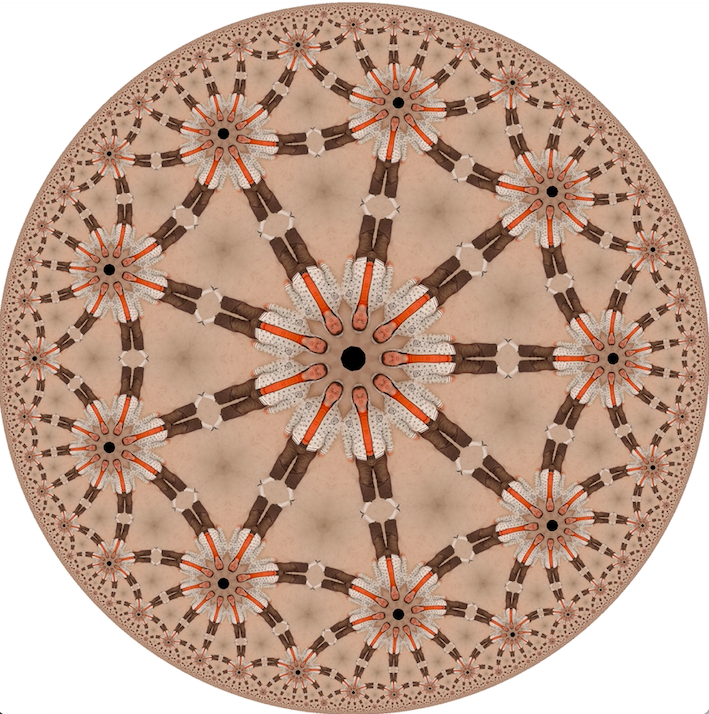
Understanding Networks: The power to predict pandemics, information spread, and quantum gravity
Dr. Krioukov’s lab recently published two papers in the field of network science. These papers show that (1) the geometry of networks can be elucidated by understanding the network’s latent properties and (2) For networks living in latent space, finding their geometry is possible using a previously known standard called Ollivier Curvature. -

Long COVID clinical trials a step in the right direction, but scale doesn’t match the need, researchers say
“There is now a shift of acknowledging it’s not in people’s heads. And that’s progress,” says Kostka, director of the Observational Health Data Sciences and Informatics (OHDSI) at Northeastern’s Roux Institute. -
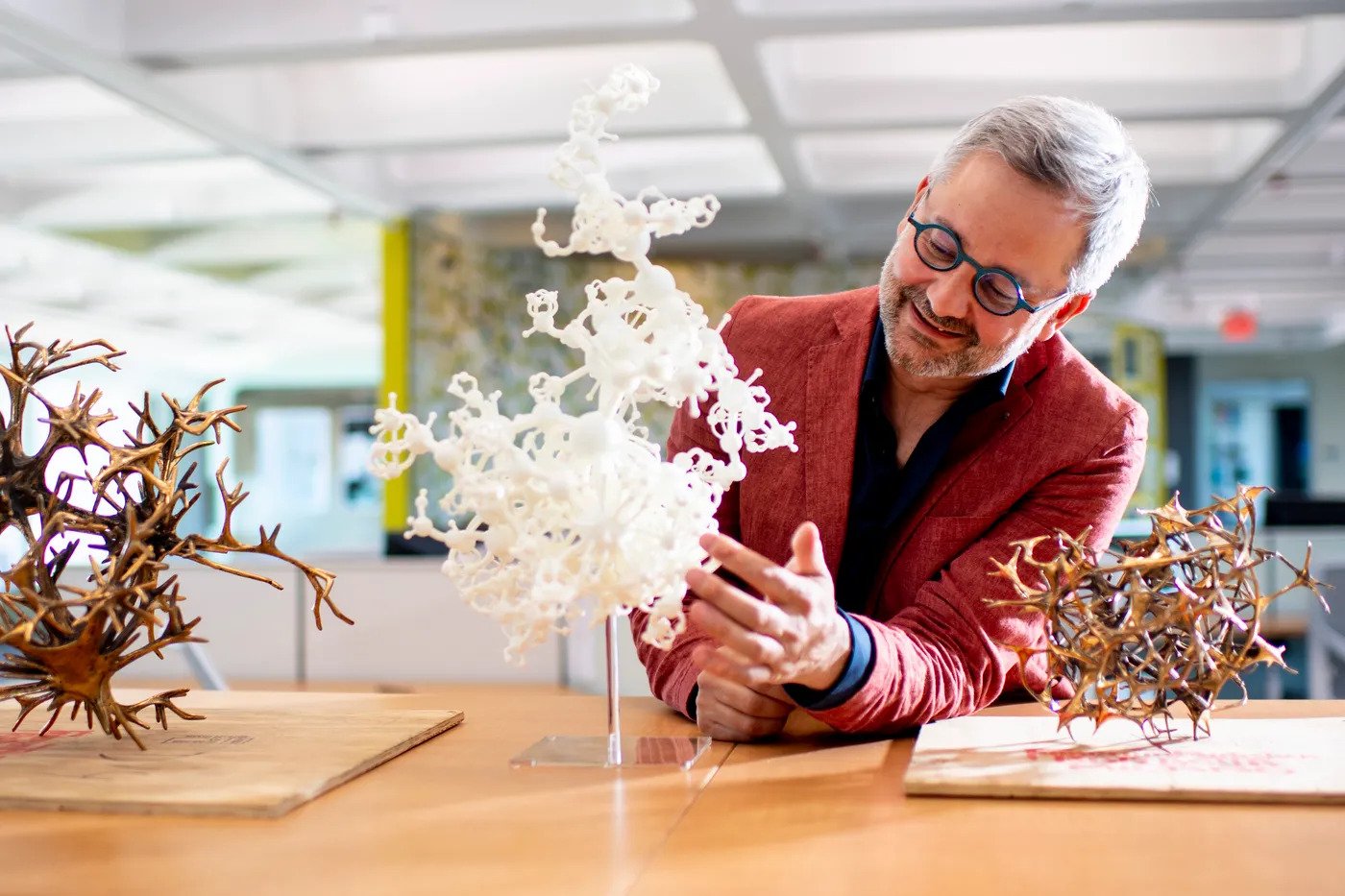
Northeastern’s Barabási receives prestigious prize from the American Physical Society
The American Physical Society selected Northeastern University professor Albert-László Barabási to receive the 2023 Julius Edgar Lilienfeld Prize for his innovative work on the statistical physics of networks. -
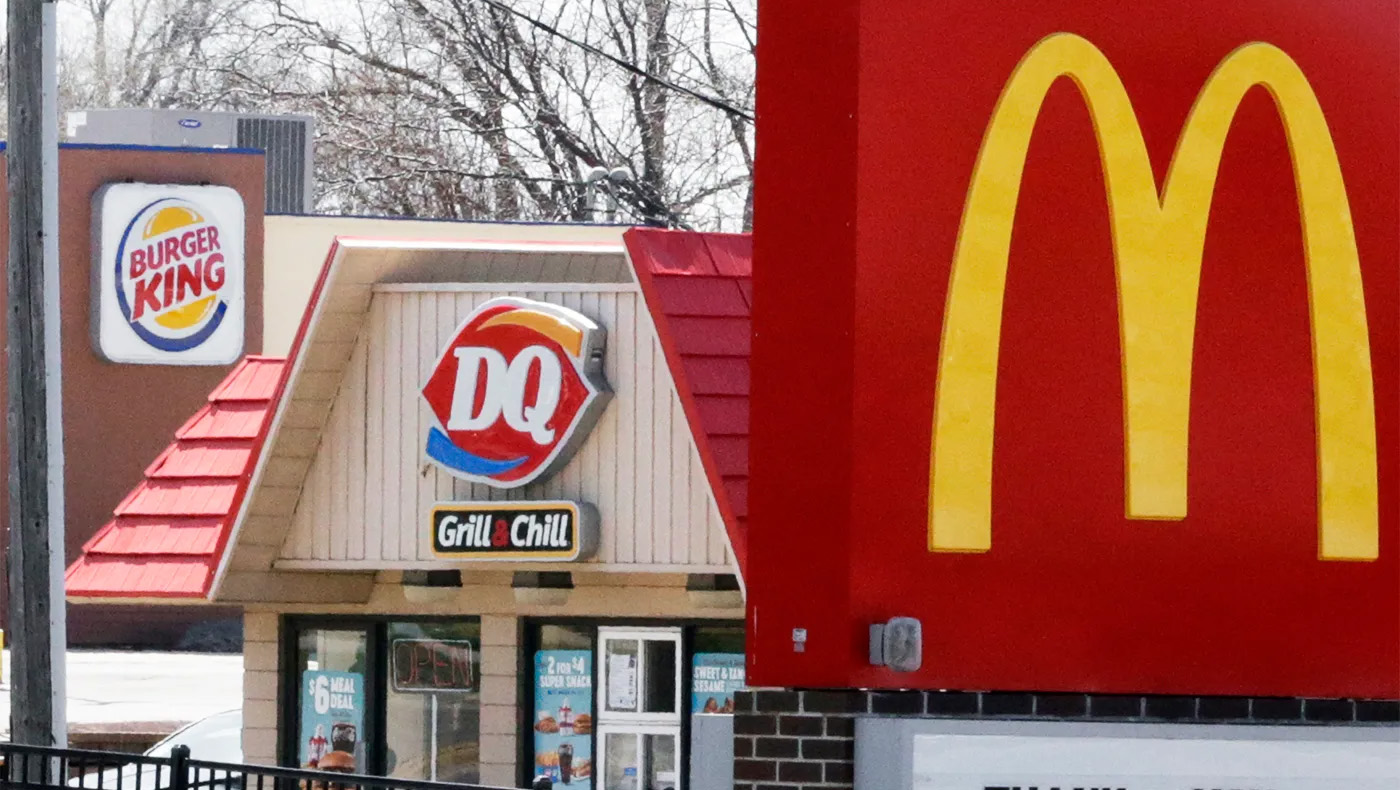
Efforts to limit fast-food near homes need rethinking, Northeastern researcher says
Amid an obesity epidemic in the United States, you may have heard of efforts to eliminate “food deserts,” or areas with few healthy food options, and limit fast-food chains near where people live. But research from Northeastern University suggests a new approach. “Most of the fast food in this country is consumed far away from… -
News
Network Science Institute expansion to London creates new European hub for trail blazing academic field
Northeastern University has expanded its world leading Network Science Institute to the university’s campus in London in a move that will establish a new European hub in the fast-growing research field of network science. As part of the expansion, the university has recruited a team of researchers to join its faculty in the United Kingdom…. -
News
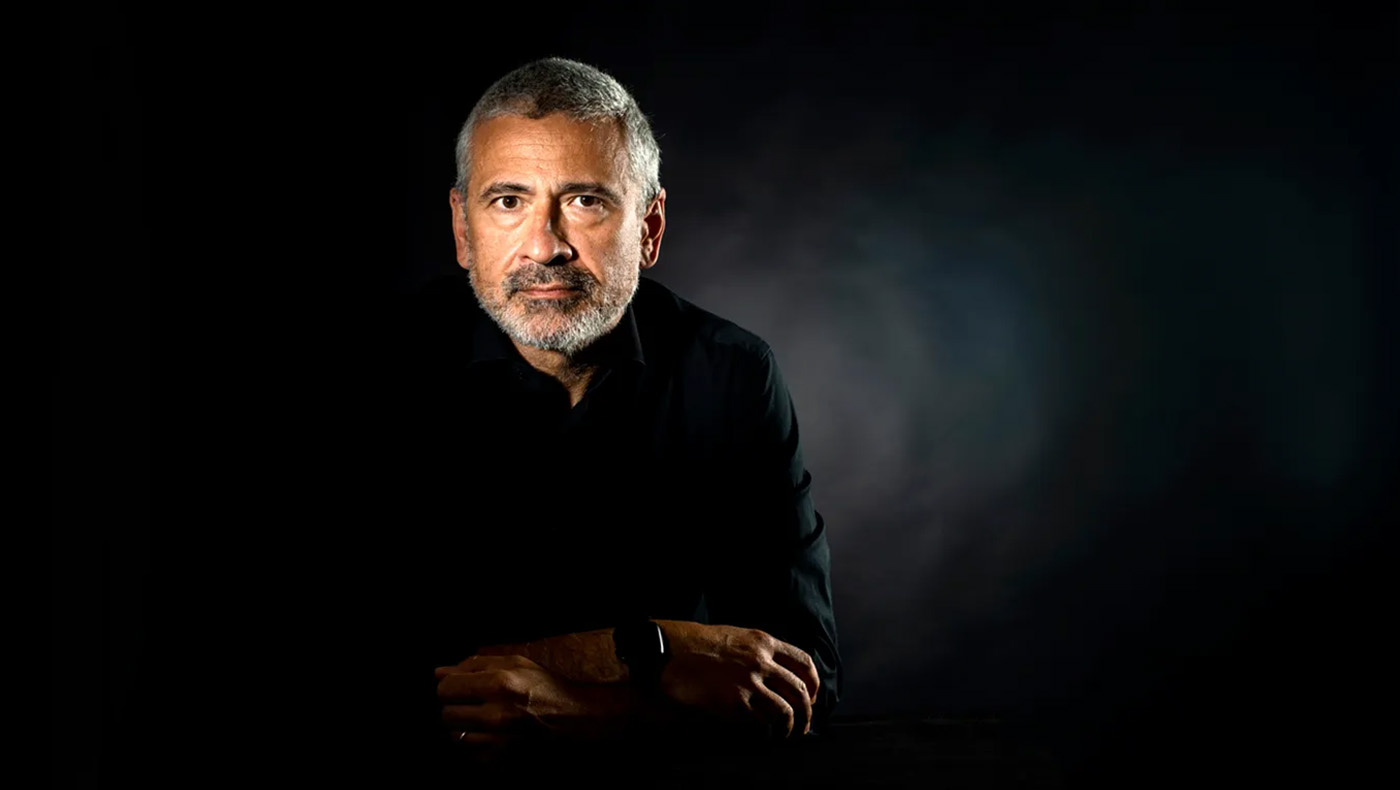
Northeastern professors Kevin Fu, Alessandro Vespignani and Yun Raymond Fu honored by American Association for the Advancement of Science
Alessandro Vespignani, director of the Network Science Institute and Sternberg Family Distinguished Professor at Northeastern, has been elected as a Fellow to the American Association for the Advancement of Science. -
Research

How monitoring wastewater from international flights can serve as an early warning system for the next pandemic
Alessandro Vespignani, director of Northeastern’s Network Science Institute, Guillaume St-Onge, a physicist at Northeastern, and colleagues have researched how monitoring wastewater from international flights can help scientists anticipate the next pandemic. -
Research
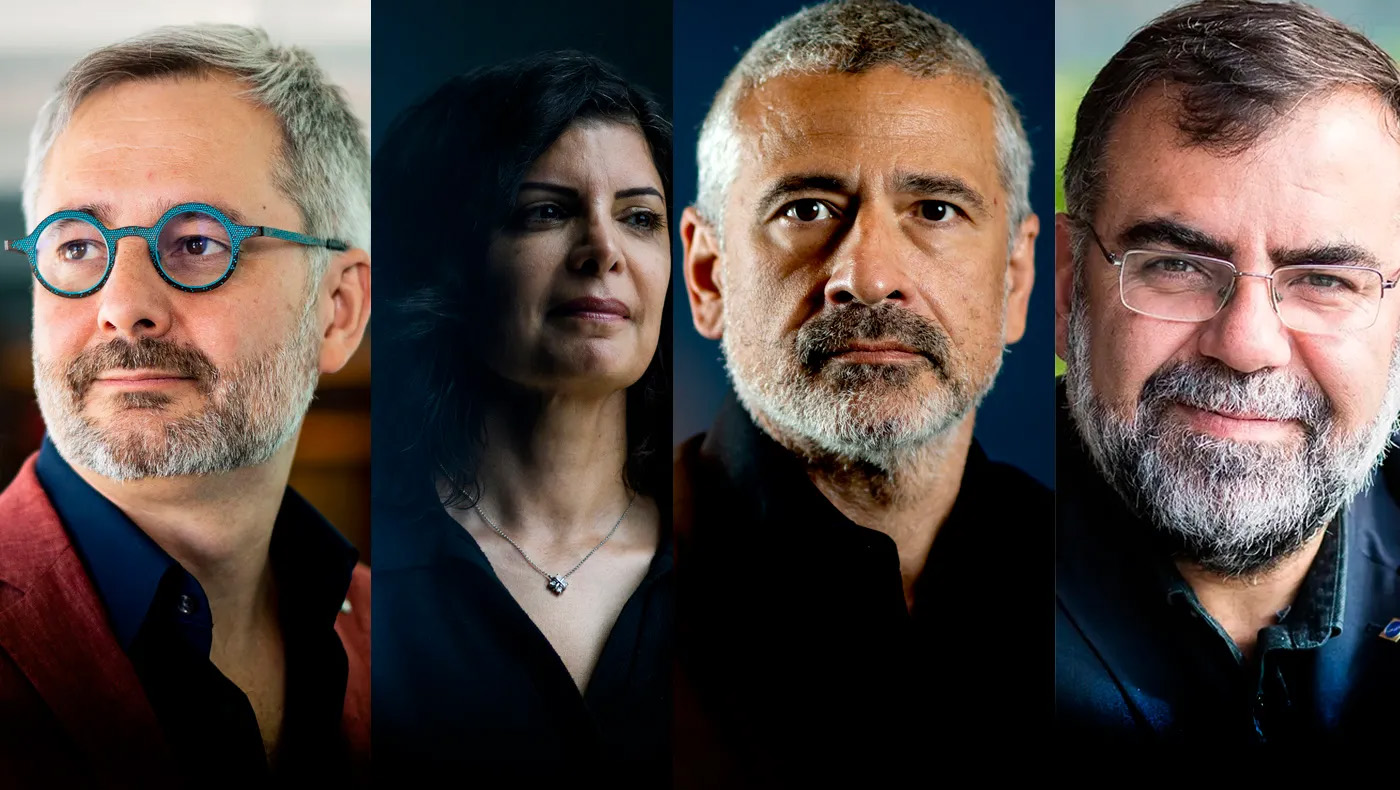
The interaction between humans and artificial intelligence demands a new field of study, Northeastern researchers say
Eliassi-Rad is one of several Northeastern researchers who have proposed a new area of study they are calling “Human AI Coevolution” to better understand and analyze these feedback loops. Other researchers on the project include Northeastern professors Ricardo Baeza-Yates, Albert-László Barabási and Alessandro Vespignani.