COS News
Research
“The basic premise is that AI can help us do better physics, and something that is less expected is that physics can also help us understand AI better,” said Northeastern professor James Halverson.
AI and physics have more in common than you might think.
Research
Formed by superheated glacial water from the last ice age, the hydrothermal vents Professor Mark Patterson studies have been bubbling beneath the fjord for centuries.
Professor receives Fulbright to explore one of the world’s most unique hydrothermal vents
Showing all results
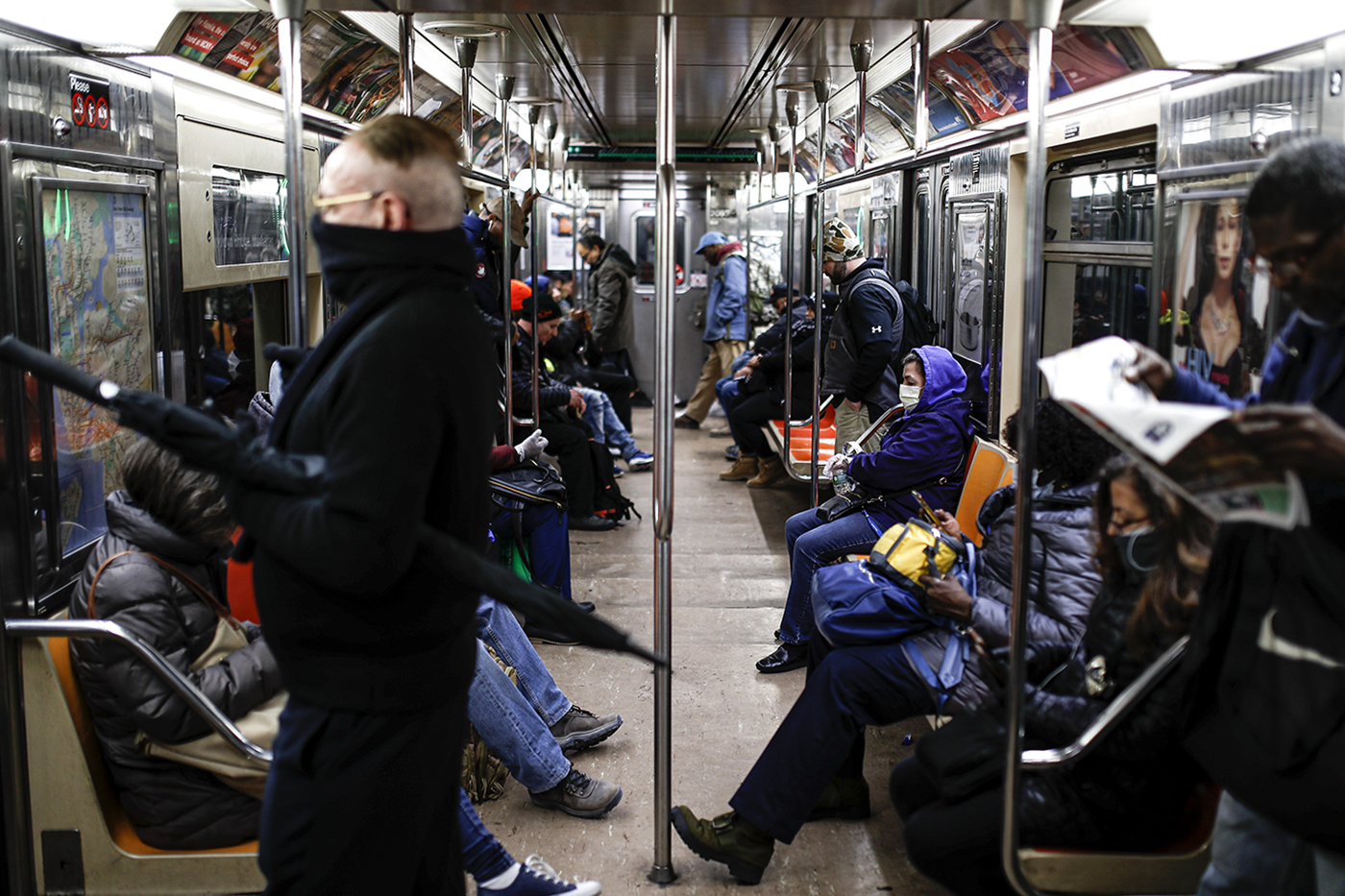
The coronavirus was in the US in January. We need to understand how we missed it.
SARS-CoV-2, the coronavirus that causes COVID-19, was circulating in major U.S. cities as early as January, says Alessandro Vespignani, director of Northeastern’s Network Science Institute. And if we want to keep our communities safe going forward, we need to understand how we missed a virus that was right under our noses.
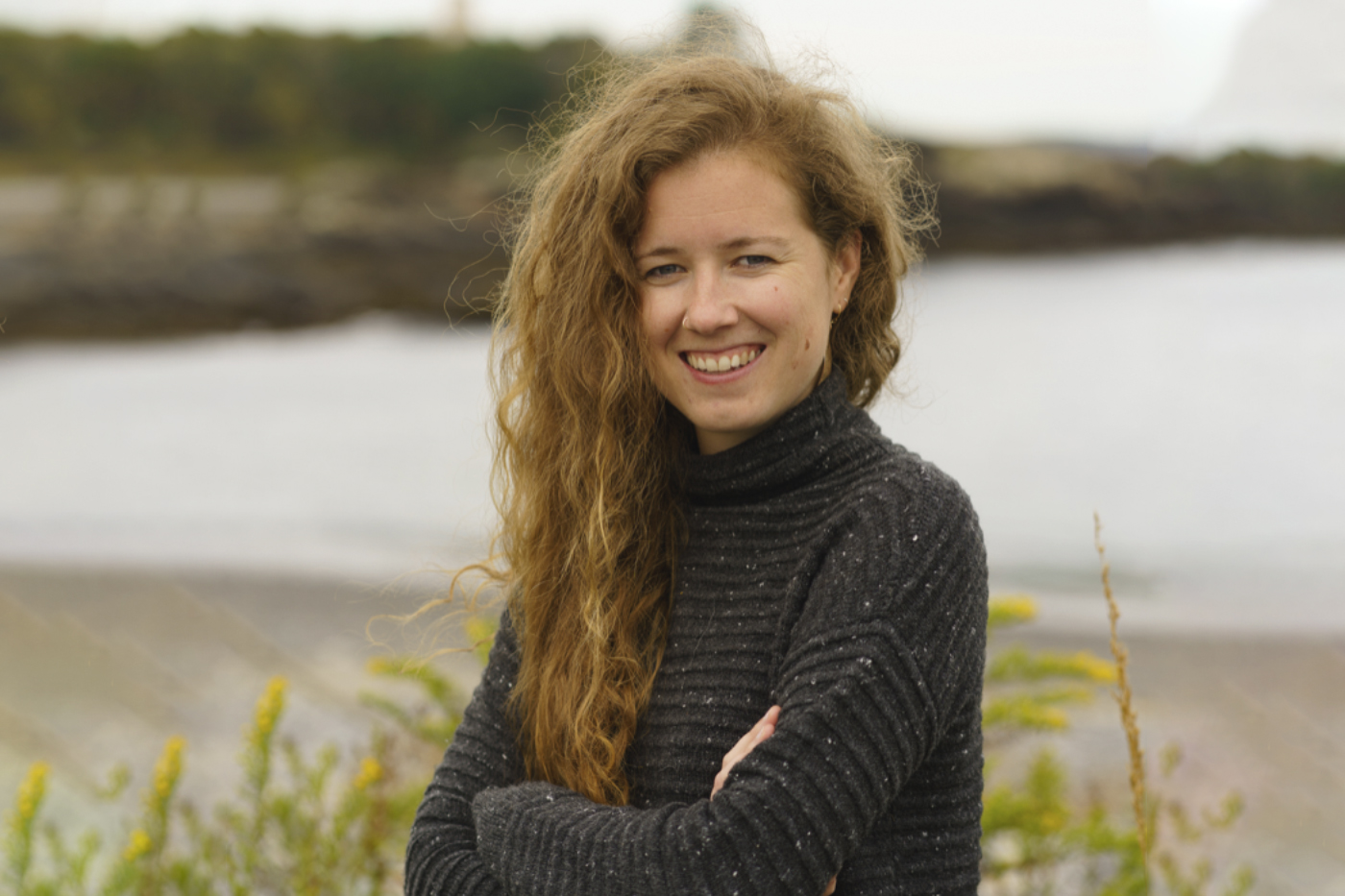
Sara Schaal Wins the Dean’s Award for Graduate Student Excellence in Teaching
Providing an innovative educational experience for our community of learners is a central focus of the Department of Marine and Environmental Sciences, so we are proud to congratulate this year’s College of Science Dean’s Award for Graduate Student Excellence in Teaching, Sara Schaal.
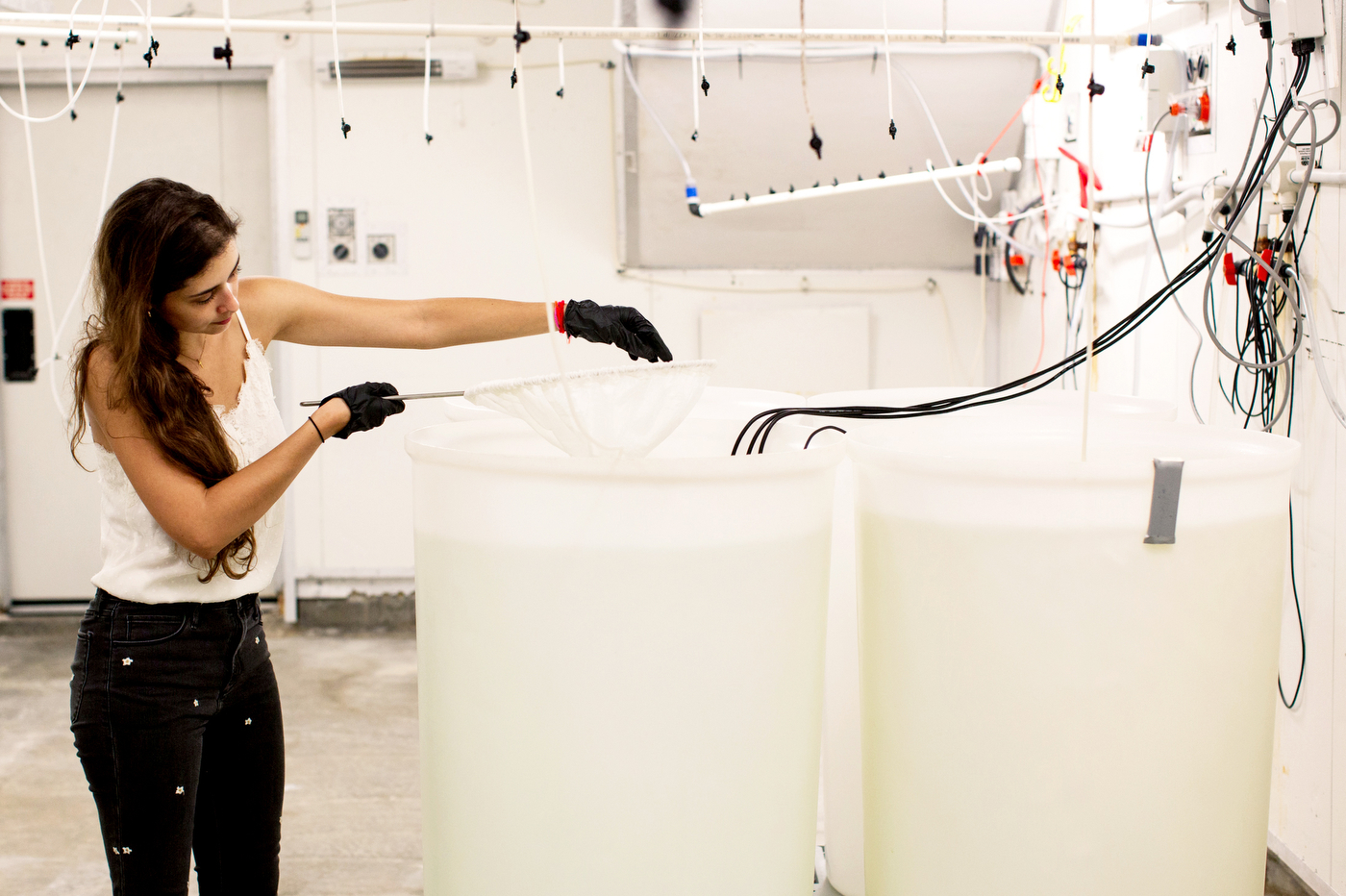
A 10,000-mile Journey for Microbes
MELBOURNE, Australia—Andrea Unzueta-Martinez, a doctoral candidate at Northeastern’s Marine Science Center, moved to the United States to be a dancer but chose science instead. She spent three months at the Port Stephens Fisheries Institute in Australia raising oyster larvae.
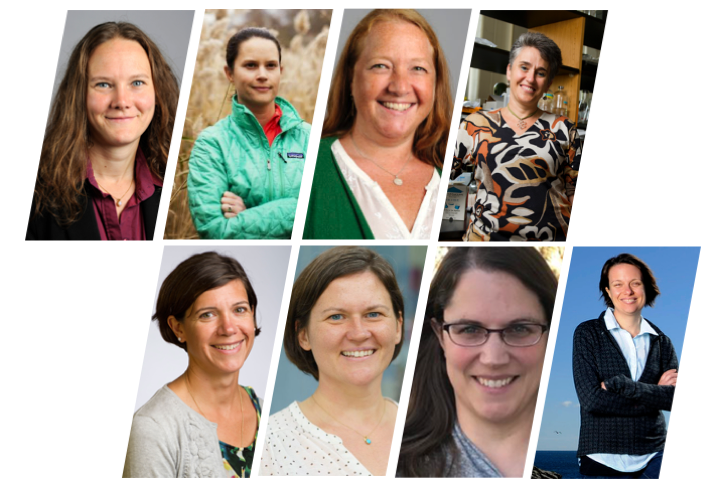
Women in Science: Communicating our Impacts on Marine Communities
Part 2: The Marine Science Center is highlighting faculty who are advancing scientific knowledge and removing barriers for the next generation of women in STEM.
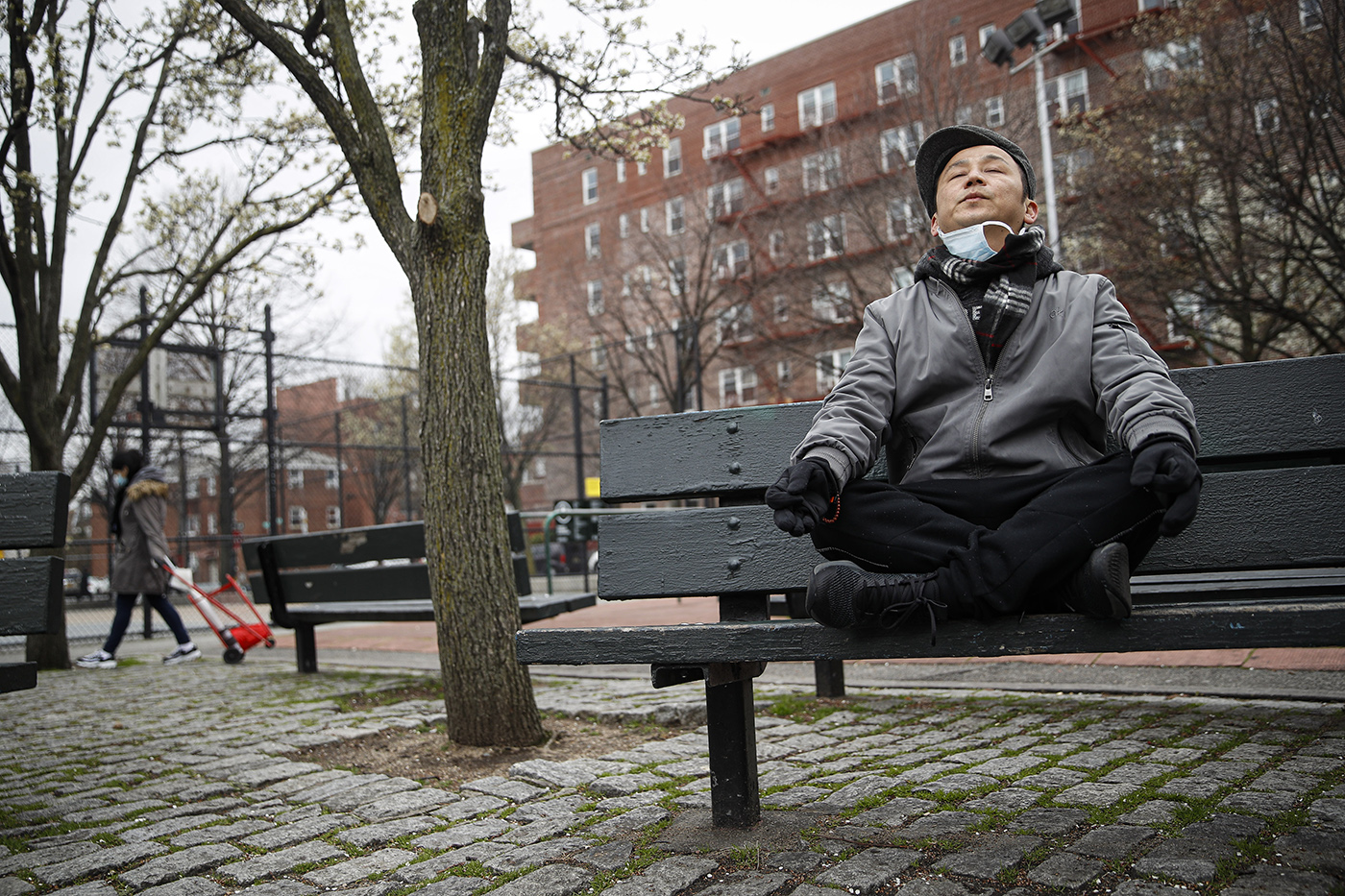
Here’s How to Combat the Fear Caused by a Barrage of Covid-19 News
David DeSteno, a Professor of Psychology does a Q&A with News@Northeastern about his research, the contagiousness of fear and offered some tips for breaking out of the constant cycle of fear and anxiety.
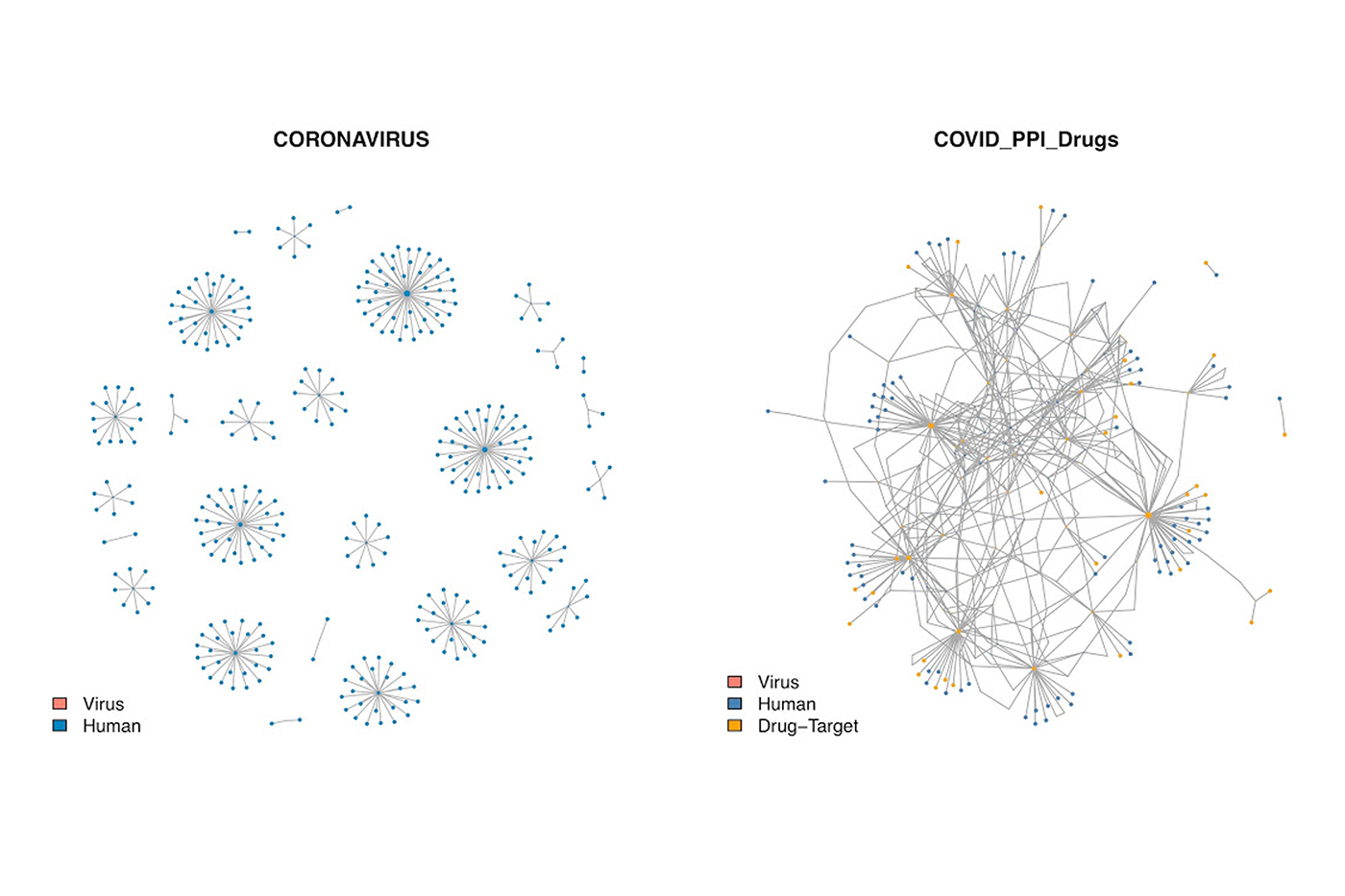
Network scientists identify 40 new drugs to test against COVID-19
Researchers at Northeastern mapped the way proteins within human cells behave after the cells are hijacked by the virus to identify drugs that might be able to fight it. The team is now working with other experimental researchers to begin testing those drugs.
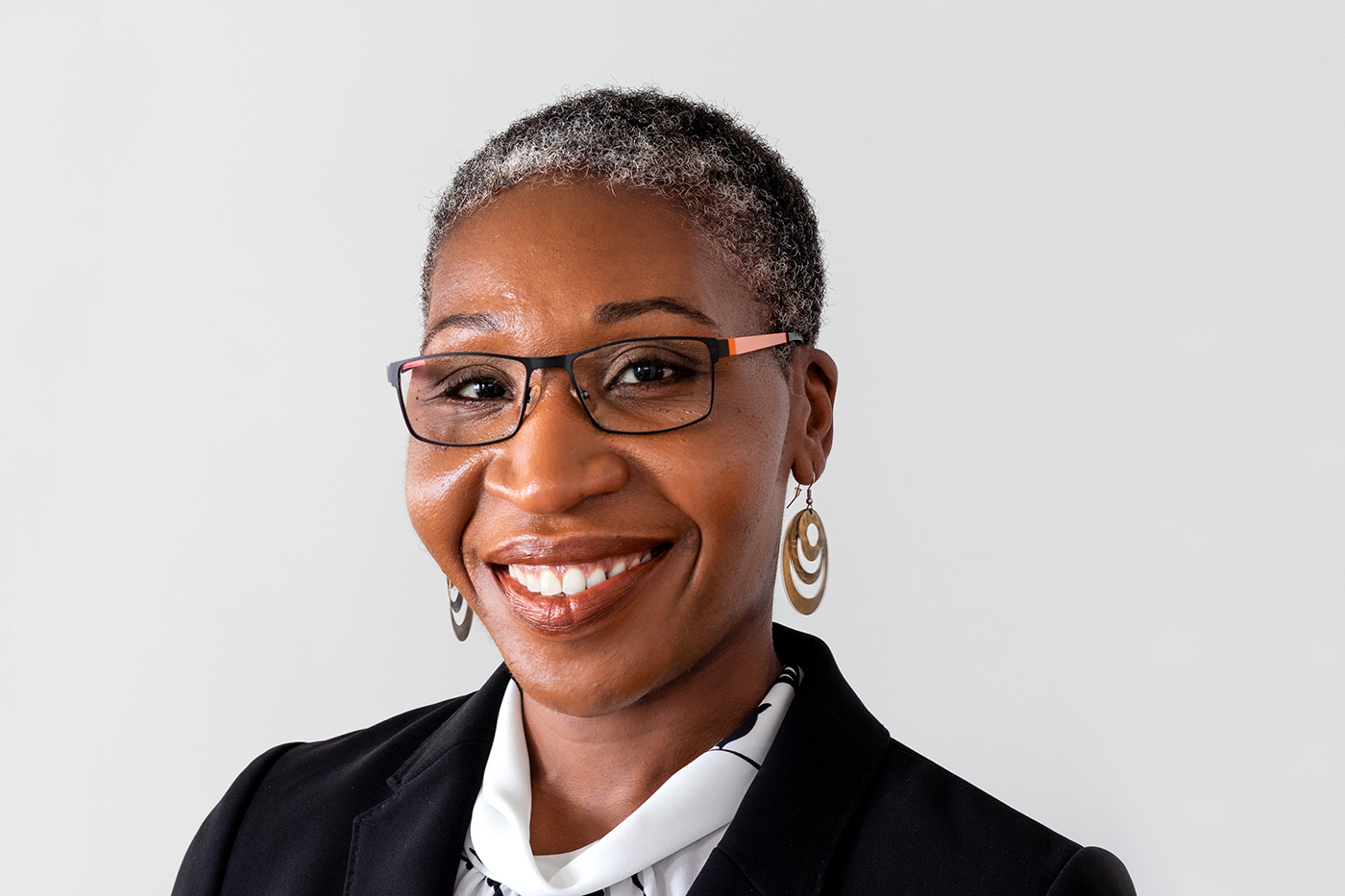
How Teaching Organic Chemistry Can Be Like Teaching a Foreign Language
Oyinda Oyelaran is a teaching professor of chemistry and chemical biology in the College of Science
Women in Science: Sentinels for Biodiversity
Part 1: The Marine Science Center is highlighting faculty who are advancing scientific knowledge and removing barriers for the next generation of women in STEM.
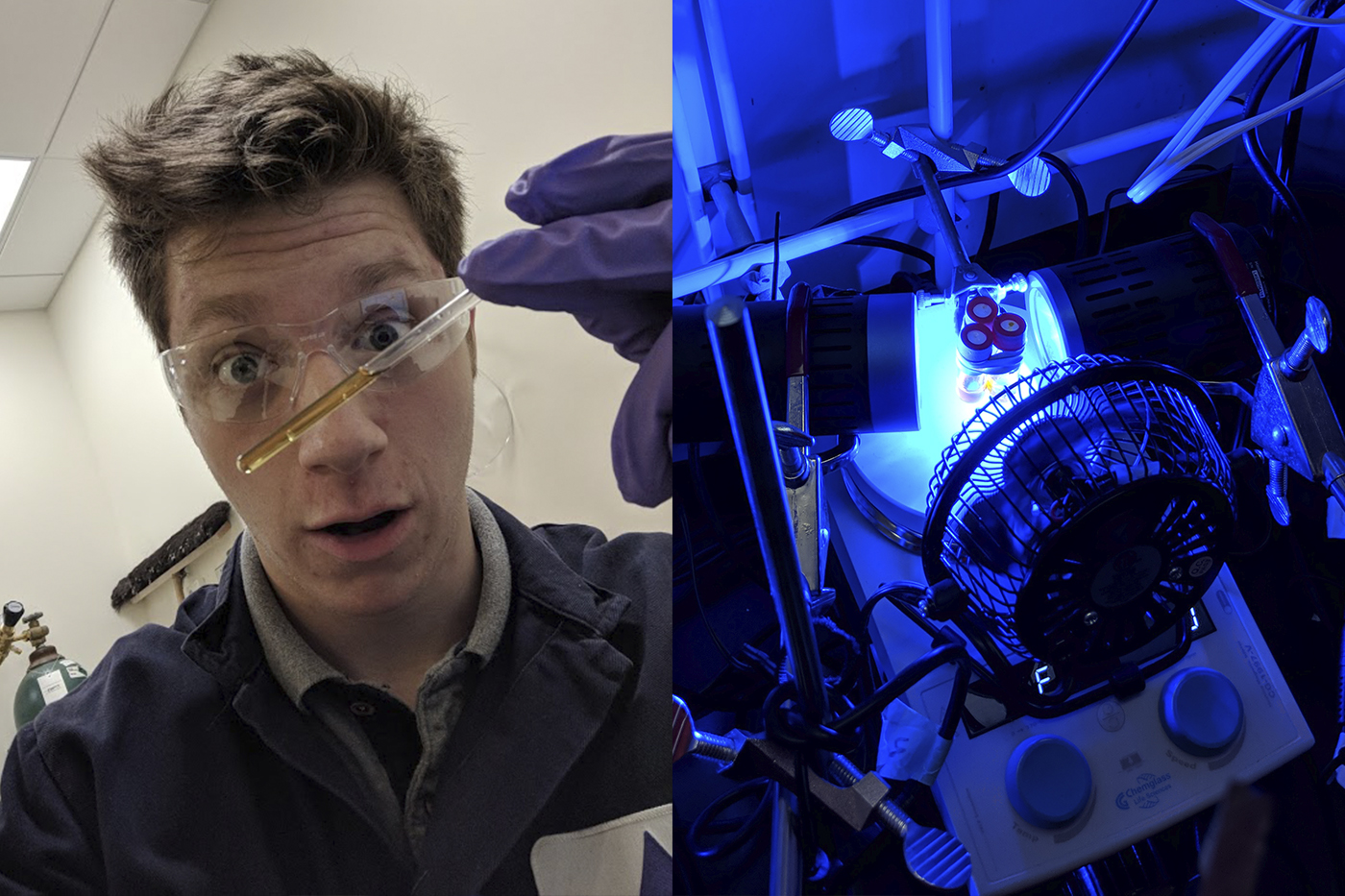
A Chemistry Co-op’s Field Guide to Mentorship
As an undergrad, co-op Noah Bissonnette never thought he'd get published or run independent experiments. Then he met the right mentors.
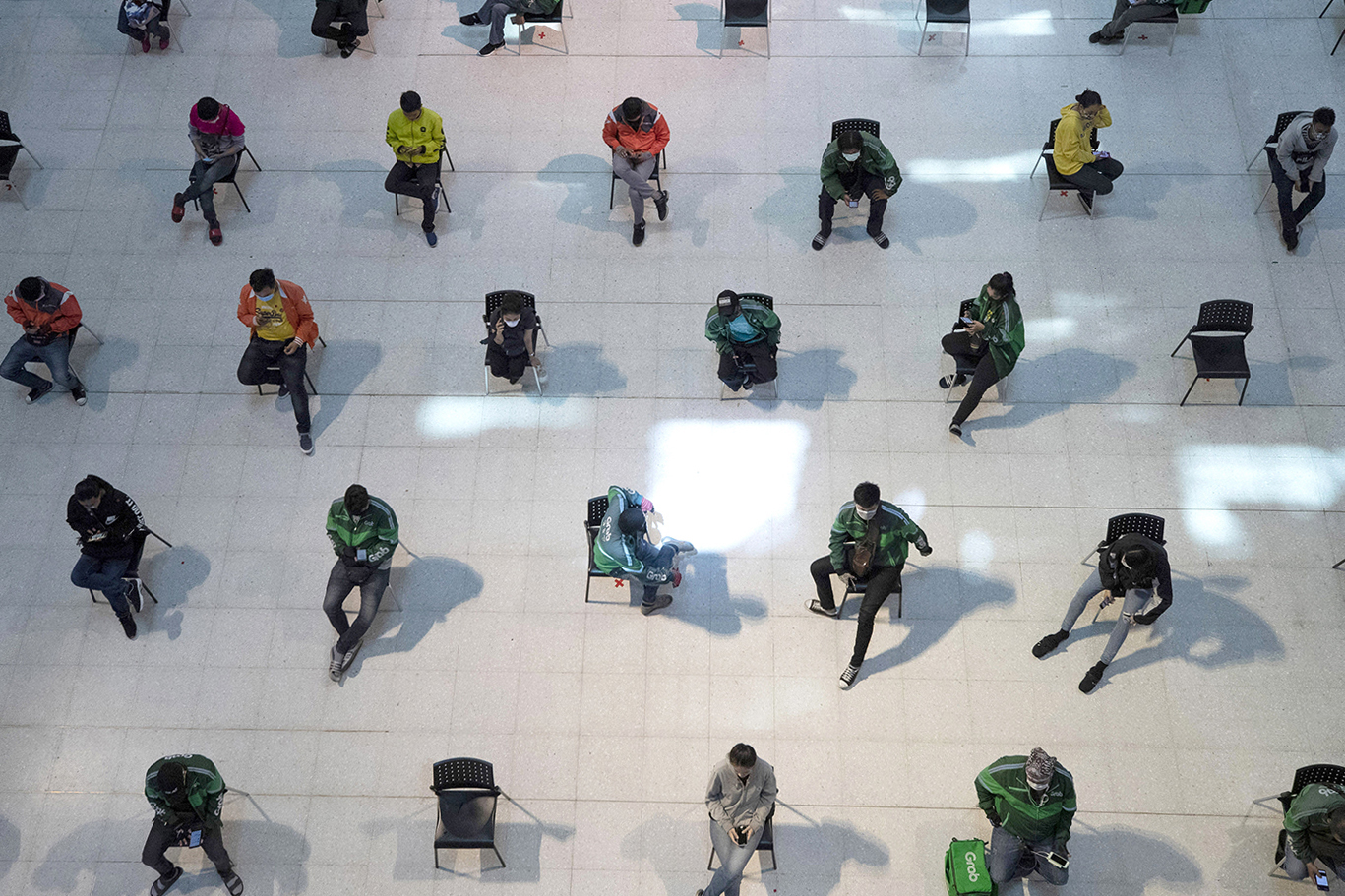
‘Social distancing’ is only the first step toward stopping the COVID-19 pandemic
After days of closures and requests—or orders—to stay home, many people caught in the heart of the COVID-19 pandemic are wondering if these efforts will be enough. Network scientist Alessandro Vespignani says the answer depends on the ways that local, regional, and federal governments use the time.
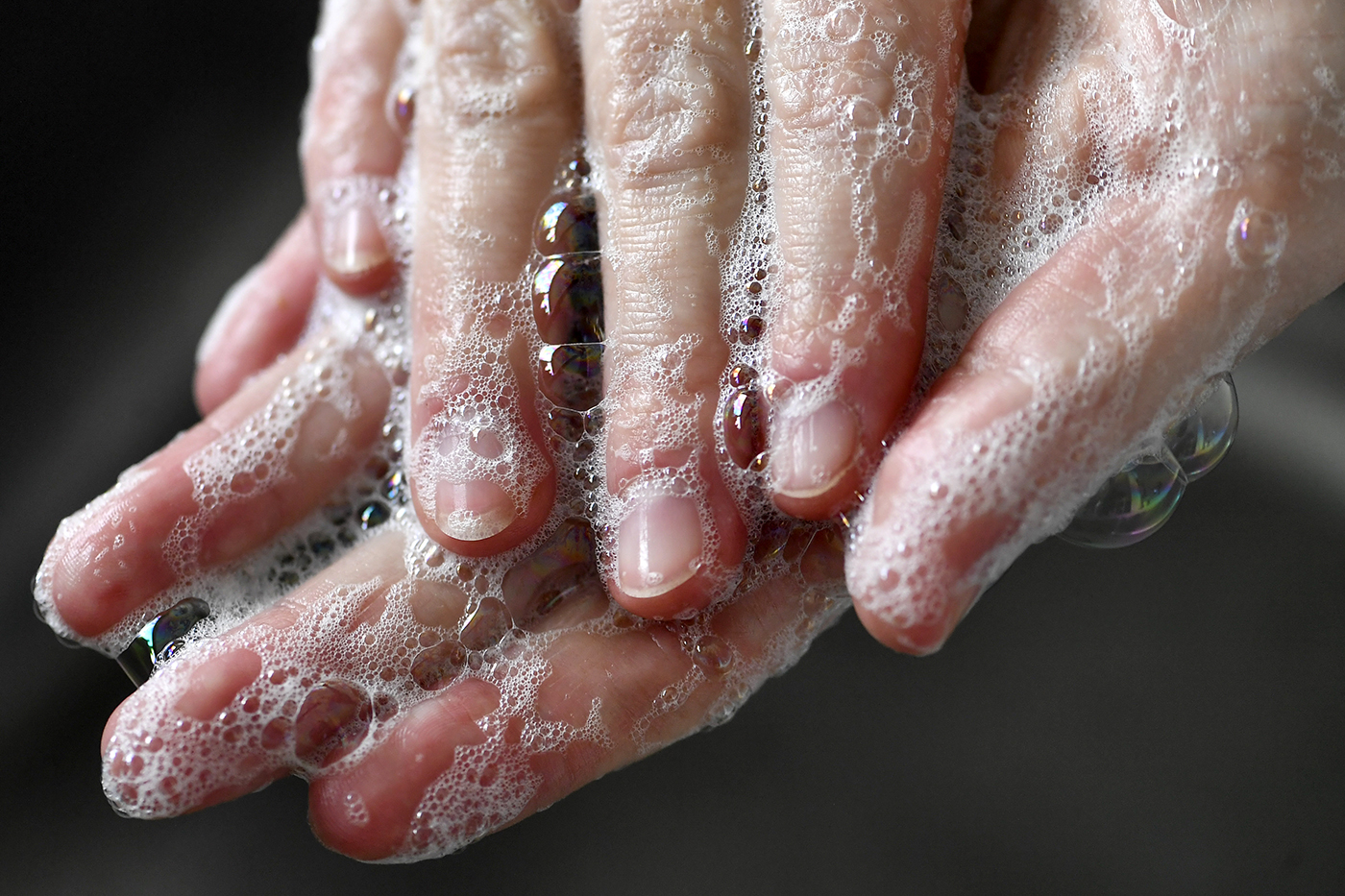
Here’s Why Washing Your Hands With Soap for 20 Seconds Protects You From Covid-19
In soap lather, a combination of molecules assemble into bubble-like structures that trap viral matter and other biomaterials—grease, oil, dirt—and rinse them down the drain, says Thomas Gilbert, associate professor of chemistry and chemical biology at Northeastern.
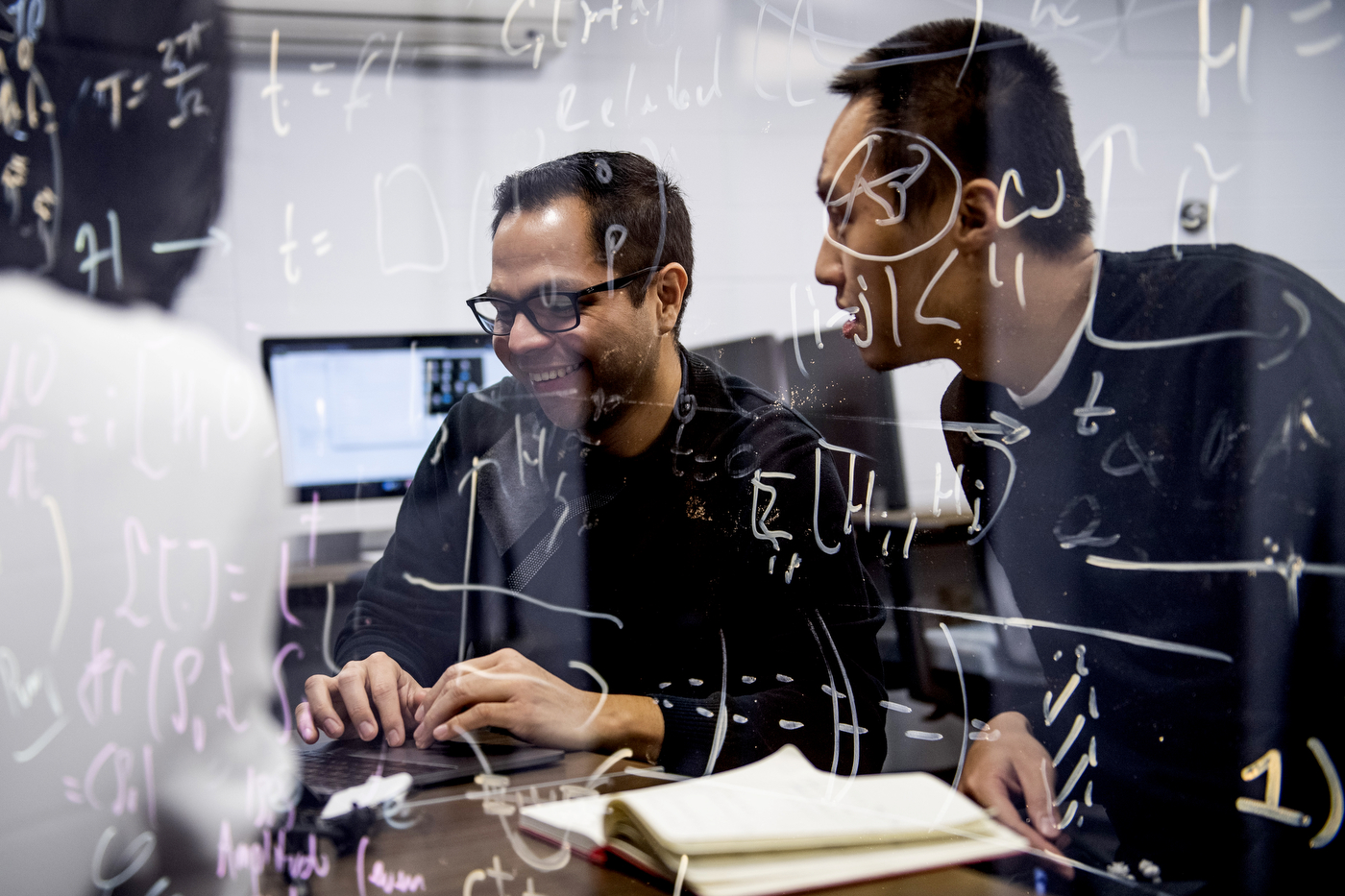
Scientists Are Baffled by This Magnet. Shooting It With Lasers Might Help.
Faster electronics, better communication devices, more efficient ways to store data are just some of the outcomes that the researchers can think of - if magnetite’s puzzle of hidden powers could be figured out. Eventually, it lead to new ways to manipulate materials and improving electronics by harnessing the behavior of their electrons.