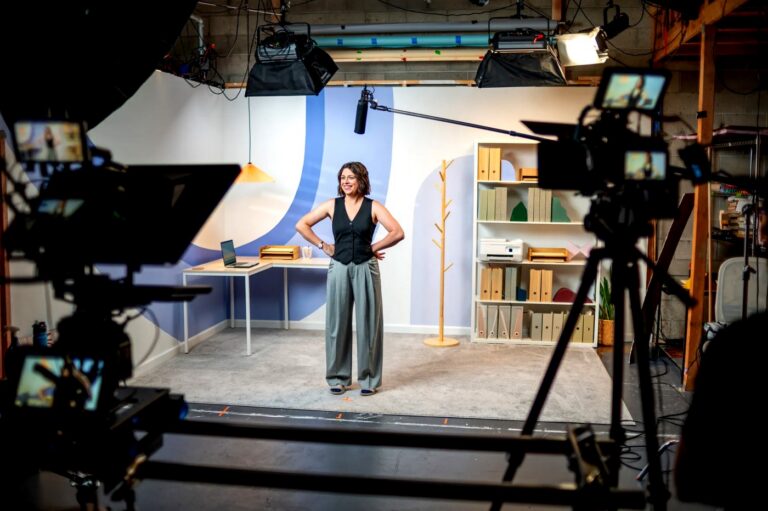
“I think it’s incredible how much power they [microbiomes] have,” says Andrea Unzueta-Martinez, a doctoral candidate at Northeastern’s Marine Science Center.
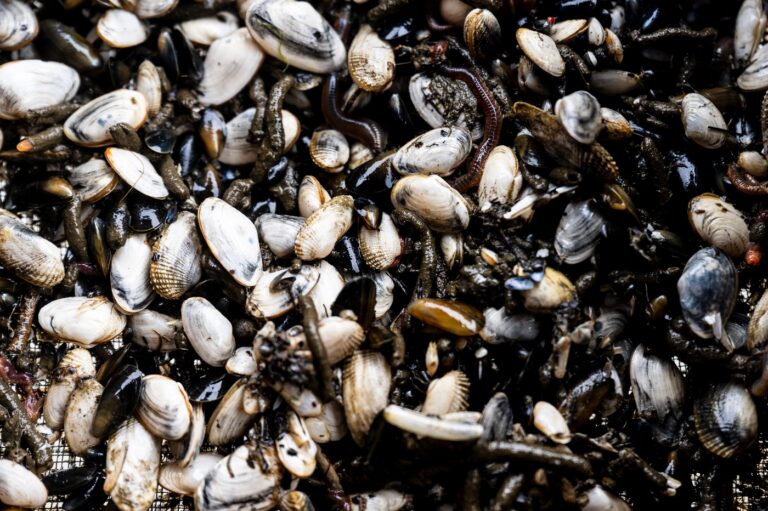
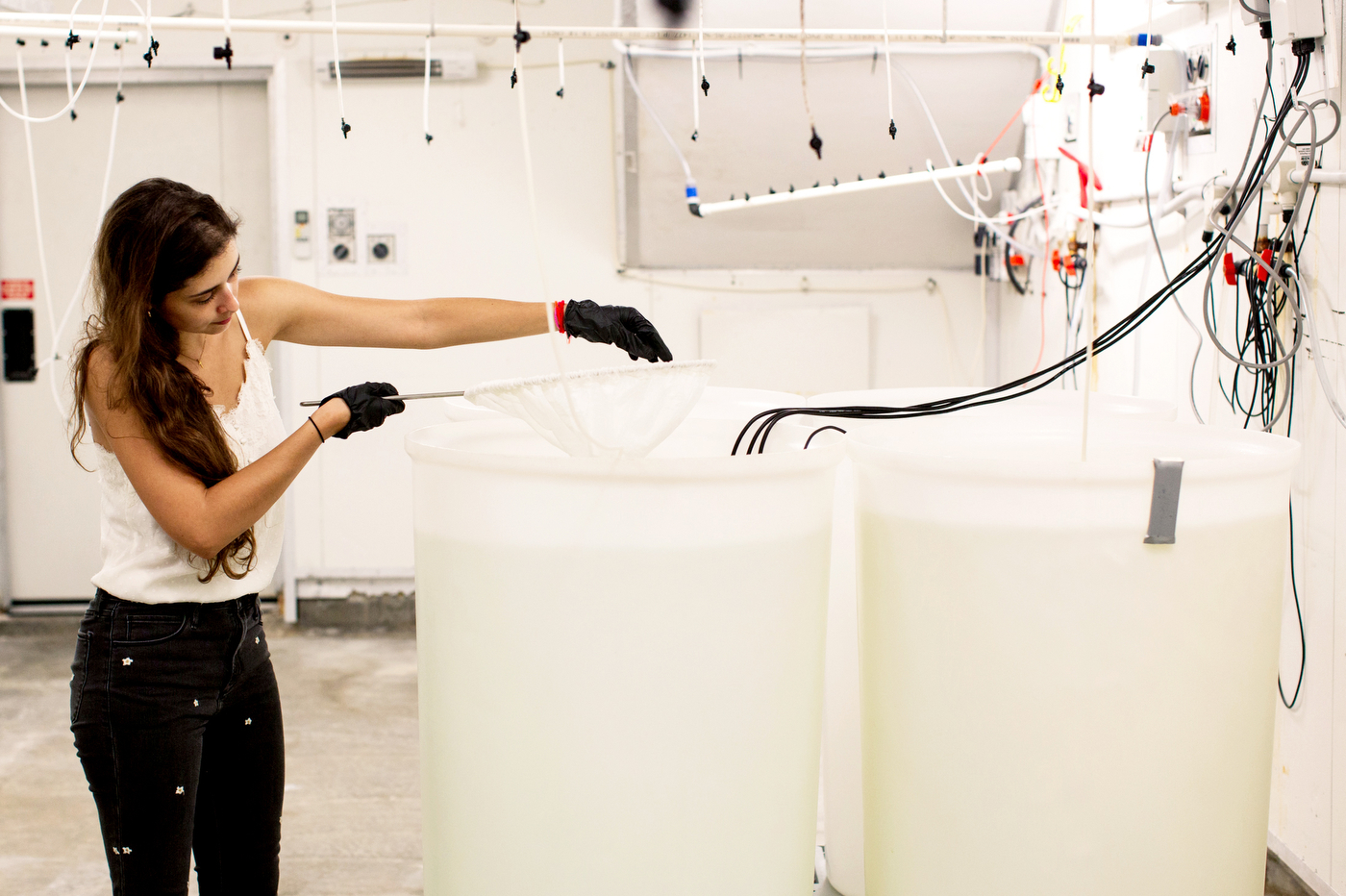
Unzueta-Martinez spent three months at the Port Stephens Fisheries Institute raising oyster larvae to try and figure out how they acquire their microbiome.
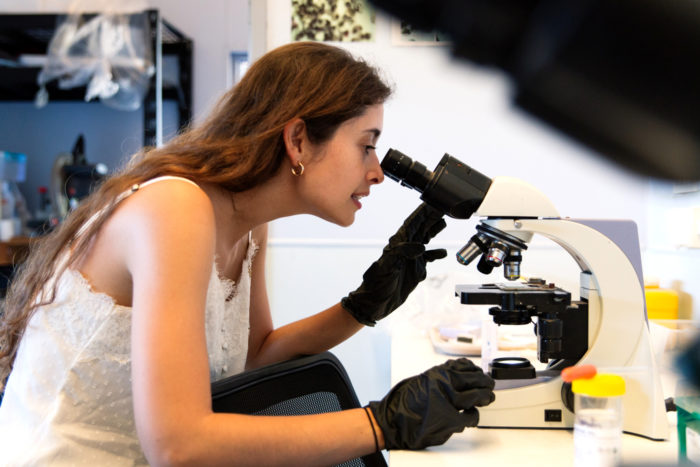
Andrea Unzueta-Martinez uses a microscope to observe Sydney rock oyster larvae.
The term microbiome refers to the billions of microscopic colonists that inhabit every living creature. Even your own body is teeming with bacteria, viruses, fungi, and archaea—they make up more than half of your cells.
Read more on Northeastern Global News.