COS News
News

A new report from a group of Northeastern researchers explores across disciplines how biotech can ensure safe, sustainable life beyond Earth.
The key to international space cooperation is developments in biotechnology, Northeastern researchers say
News

The NeuroPRISM lab, led by assistant psychology professor Stephanie Noble, makes tools that pave the way for reliable and reproducible neuroimaging of the brain.
Precise maps of the brain’s deepest corners are made possible through tools developed by these Northeastern researchers
Showing all results

COS Connects: Solving Antibiotic Resistance
Hear from biology professors Kim Lewis and Eddie Geisinger to learn about the research being done to combat antibiotic resistance. Our researchers share novel solutions to this widespread issue, including the research strategies and sophisticated advancements in drug development that have made it all possible.
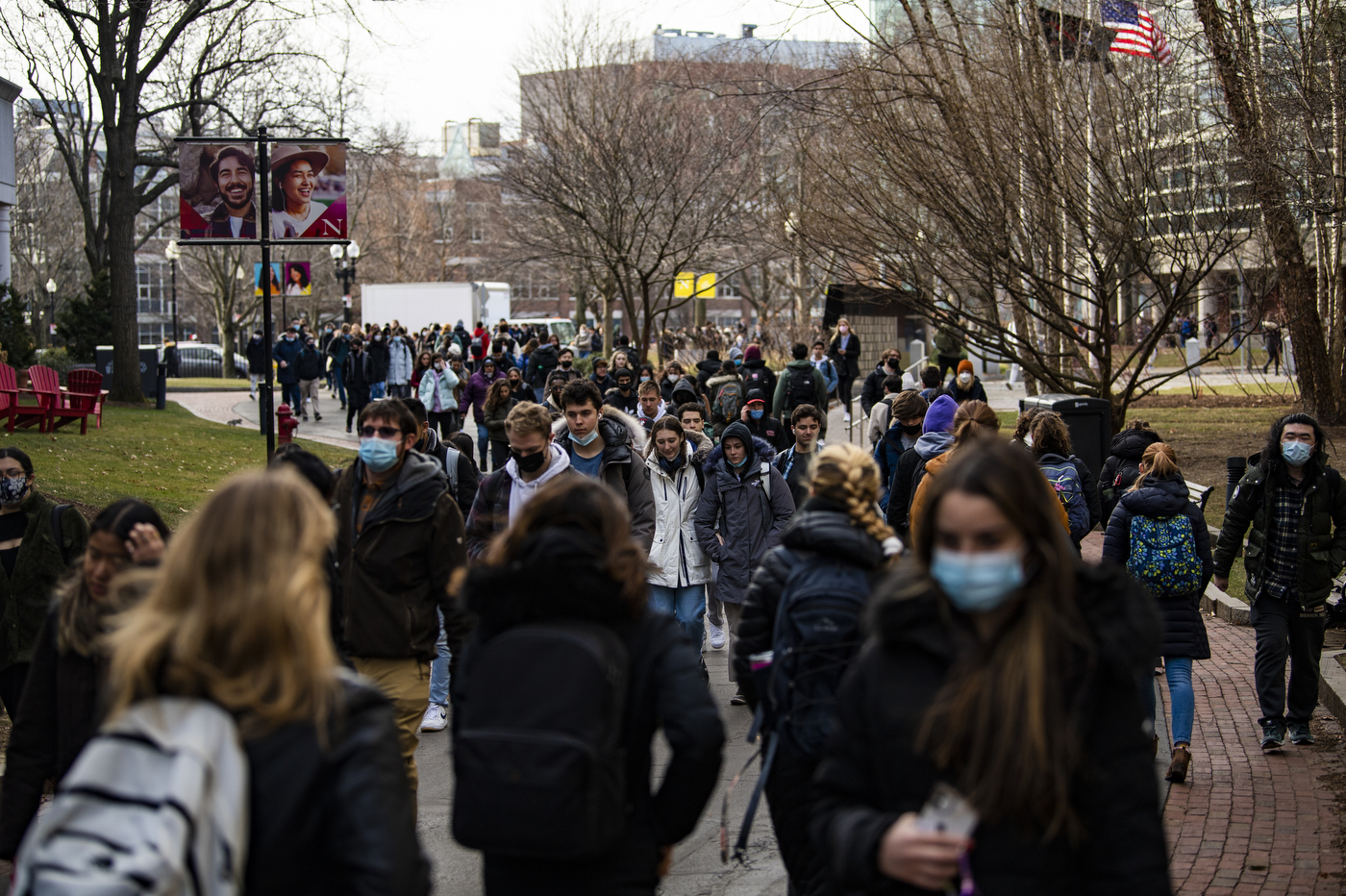
COVID-19 is evolving. So is Northeastern’s approach to managing it.
Northeastern has adjusted its COVID policies and procedures to align with the changing virus.
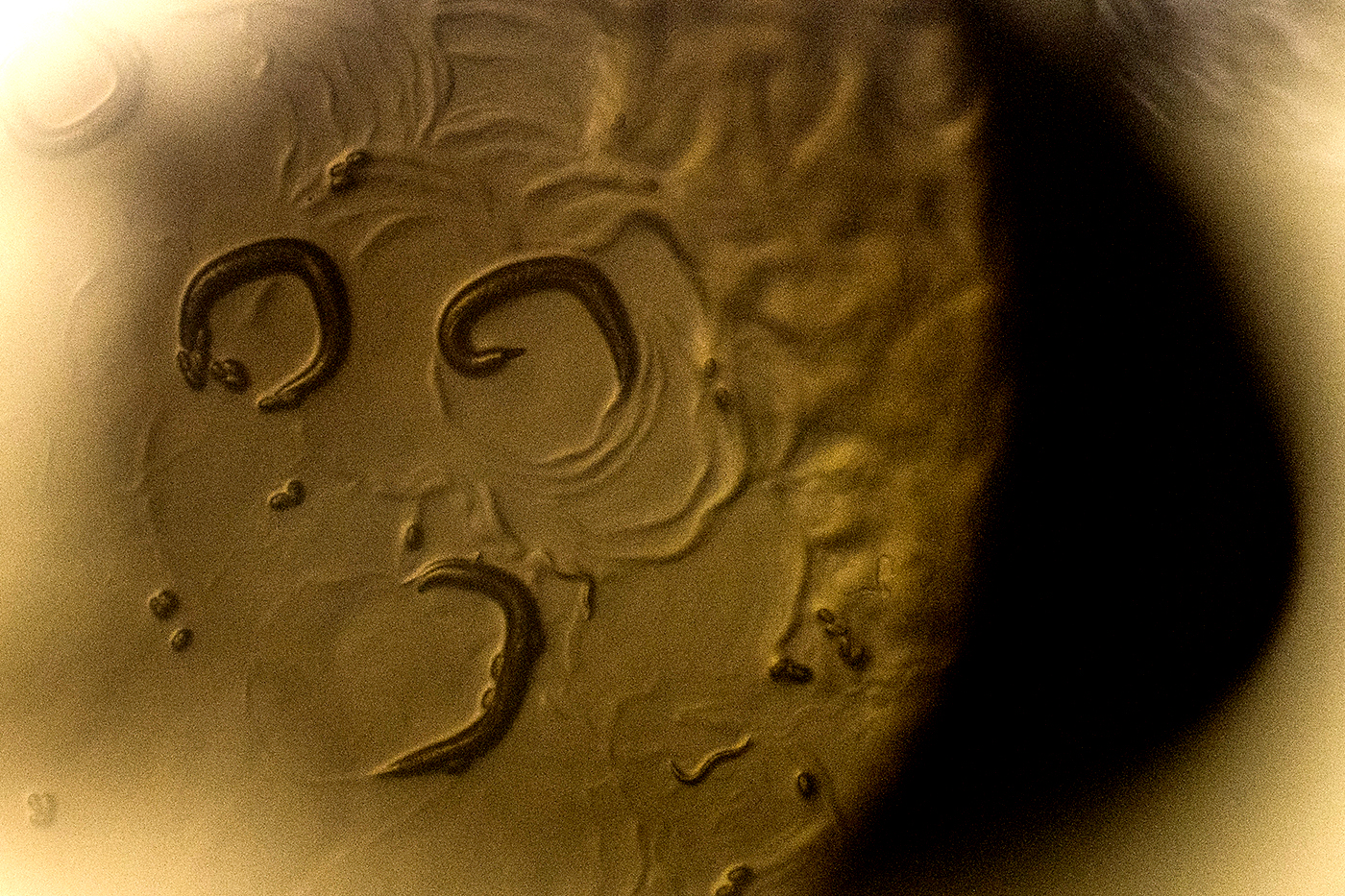
How these worms avoid getting poisoned
After the microscopic roundworms he was studying survived a toxic chemical environment, professor Javier Apfeld was intrigued to discover their tactic for protection against chemical foe.

What COVID-19 can teach fish farmers
While most people are focused on the COVID-19 pandemic and the scope of its damage, one study on fish farms finds that the most harmful pandemic upon us is climate change.
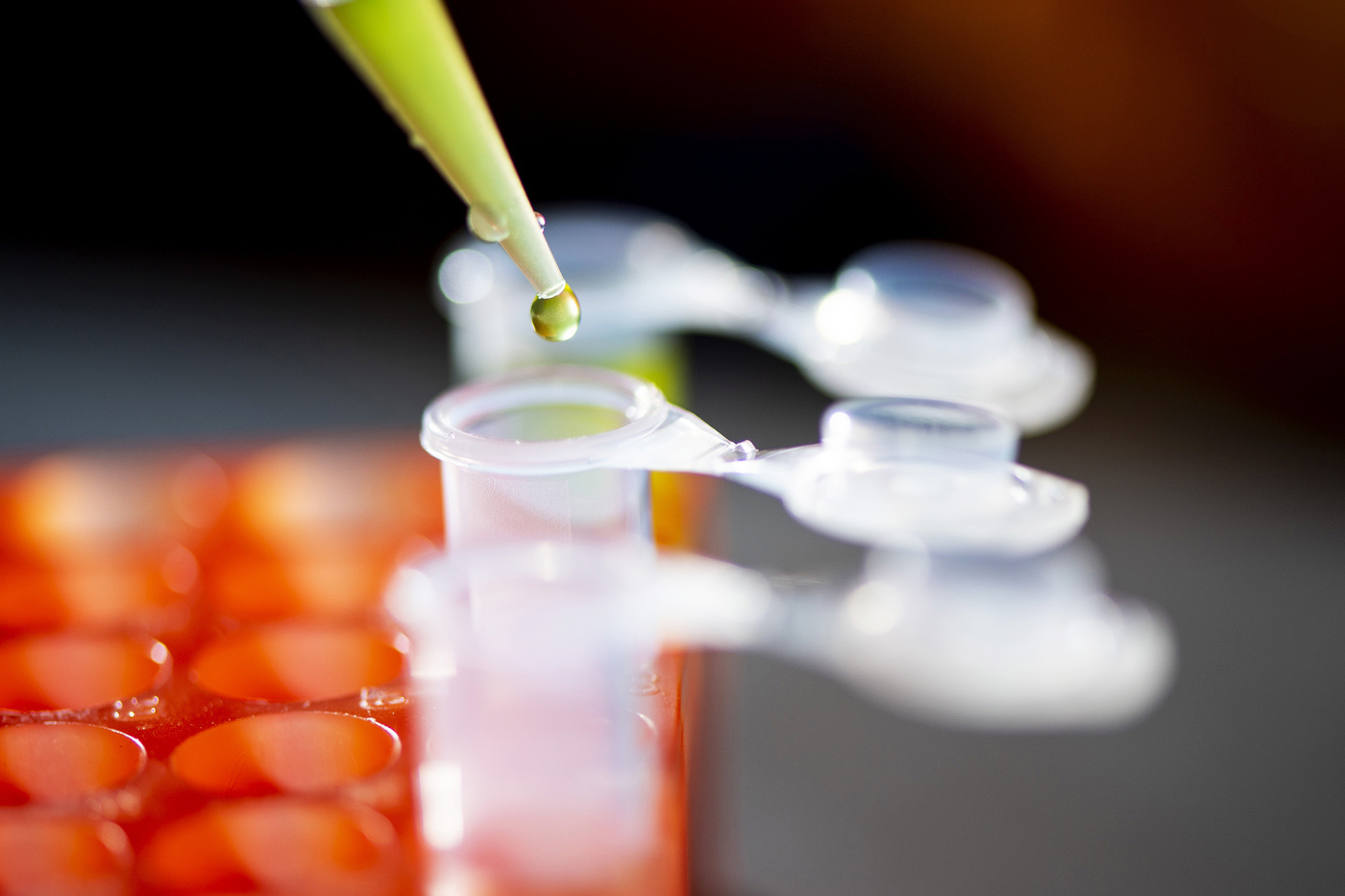
Has Omicron peaked? An unexpected source offers clues.
Not everyone is getting tested for COVID-19, therefore positive tests are not indicative of all existing cases. Something everyone does do? "Basically, everybody poops," says professor Neil Maniar. He and Jared Auclair offer wastewater as a better measure of the population's cases.
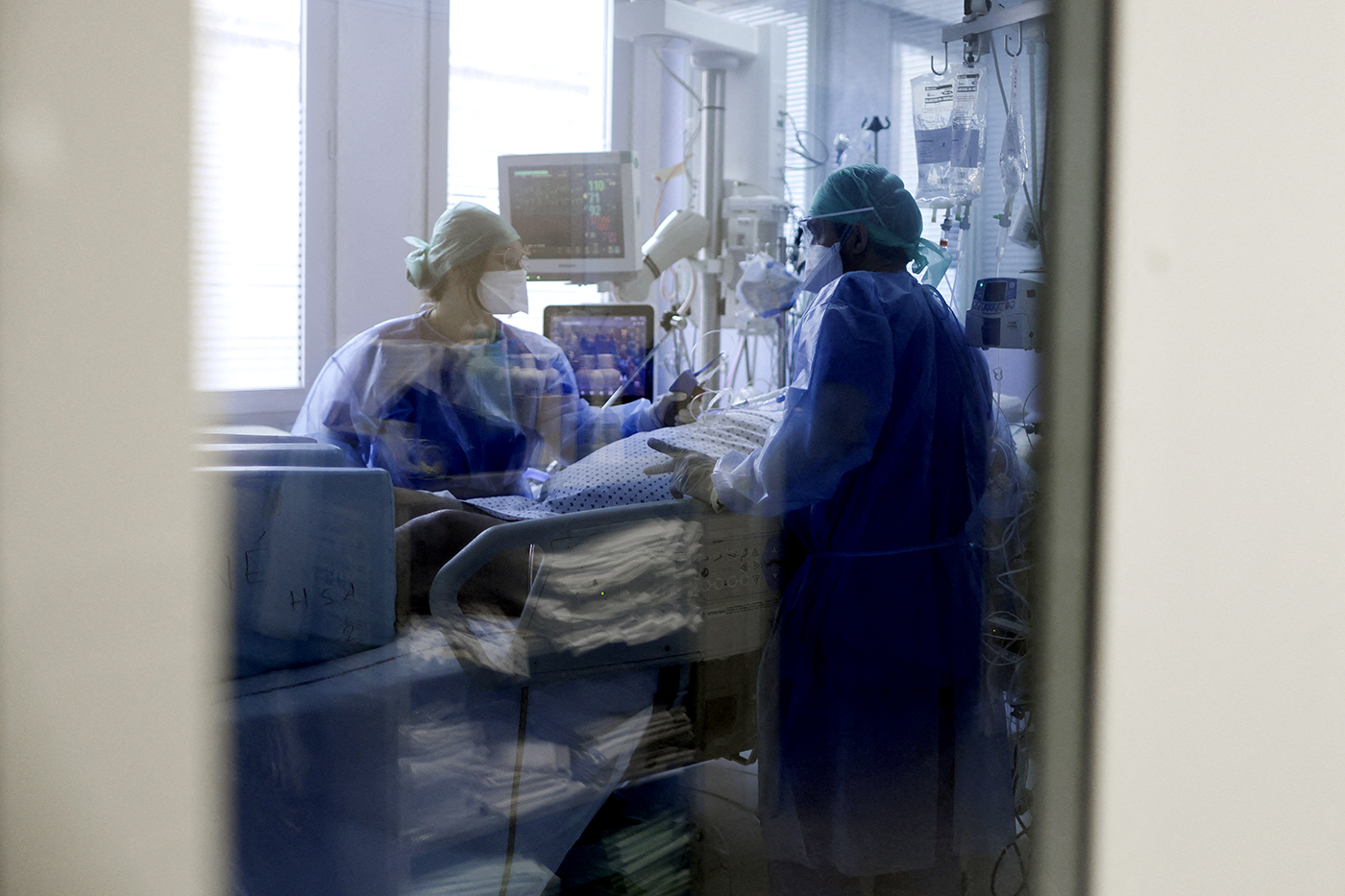
Omicron is setting records. How much do the numbers matter?
Professor Alessandro Vespignani comments on the difference between previous COVID peaks and the current Omicron surge.

When Will The Omicron Surge Be Over? Very Soon.
As citizens worry about the trajectory of the Omicron variant in the U.S., professor Alessandro Vespignani provides a positive prediction for the future.

Four Northeastern Professors Earn Their Place on 2021’s List of “Highly Cited Researchers”
Recognizing the groundbreaking research of four faculty members who have been named on 2021's list of "Highly Cited Researchers."
Q&A with Ellen Smith: CaNCURE Spring Cohort
Biochemistry major Ellen Smith shares her co-op experience at CaNCURE.
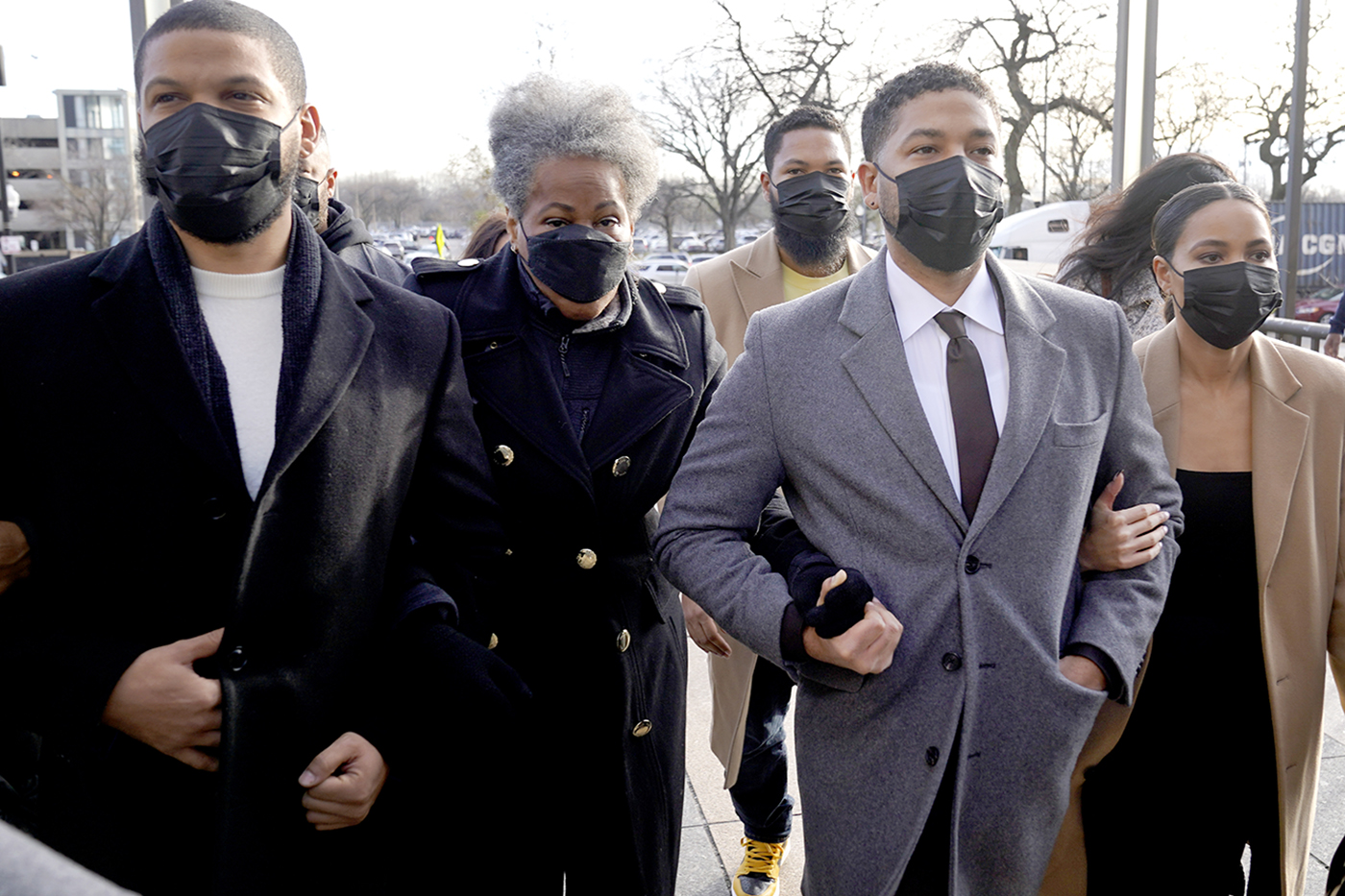
Why would someone fake a hate crime?
Hilmar von Strunck examines the psychology behind the recent case of actor Jussie Smollett.
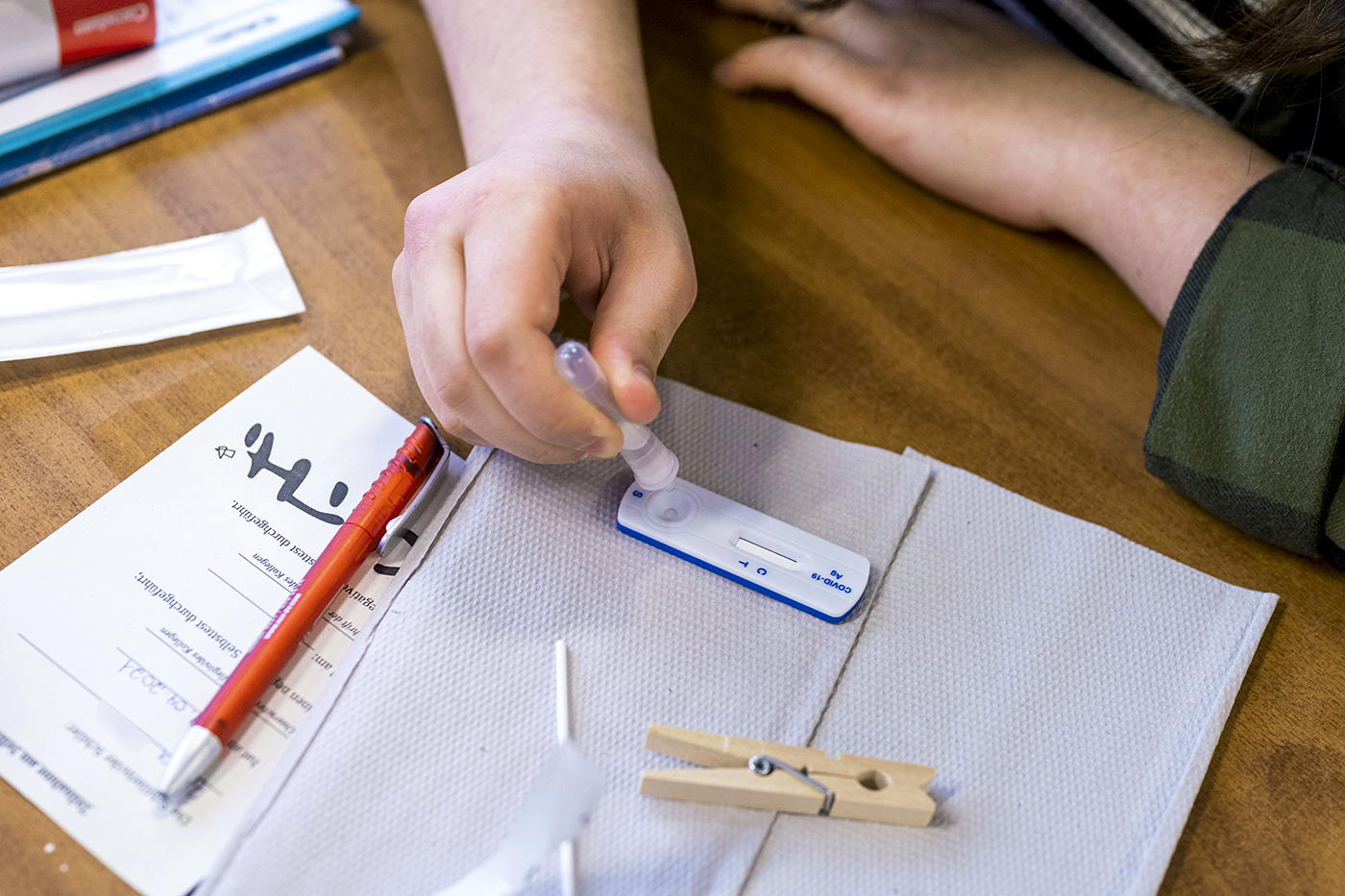
Which COVID-19 test should I take before the holidays?
This holiday season has collided with a surge in COVID-19 cases. Many people have added another task to their travel and party planning to-do lists: Get tested. Jared Auclair comments on holiday vaccinations for News at Northeastern.
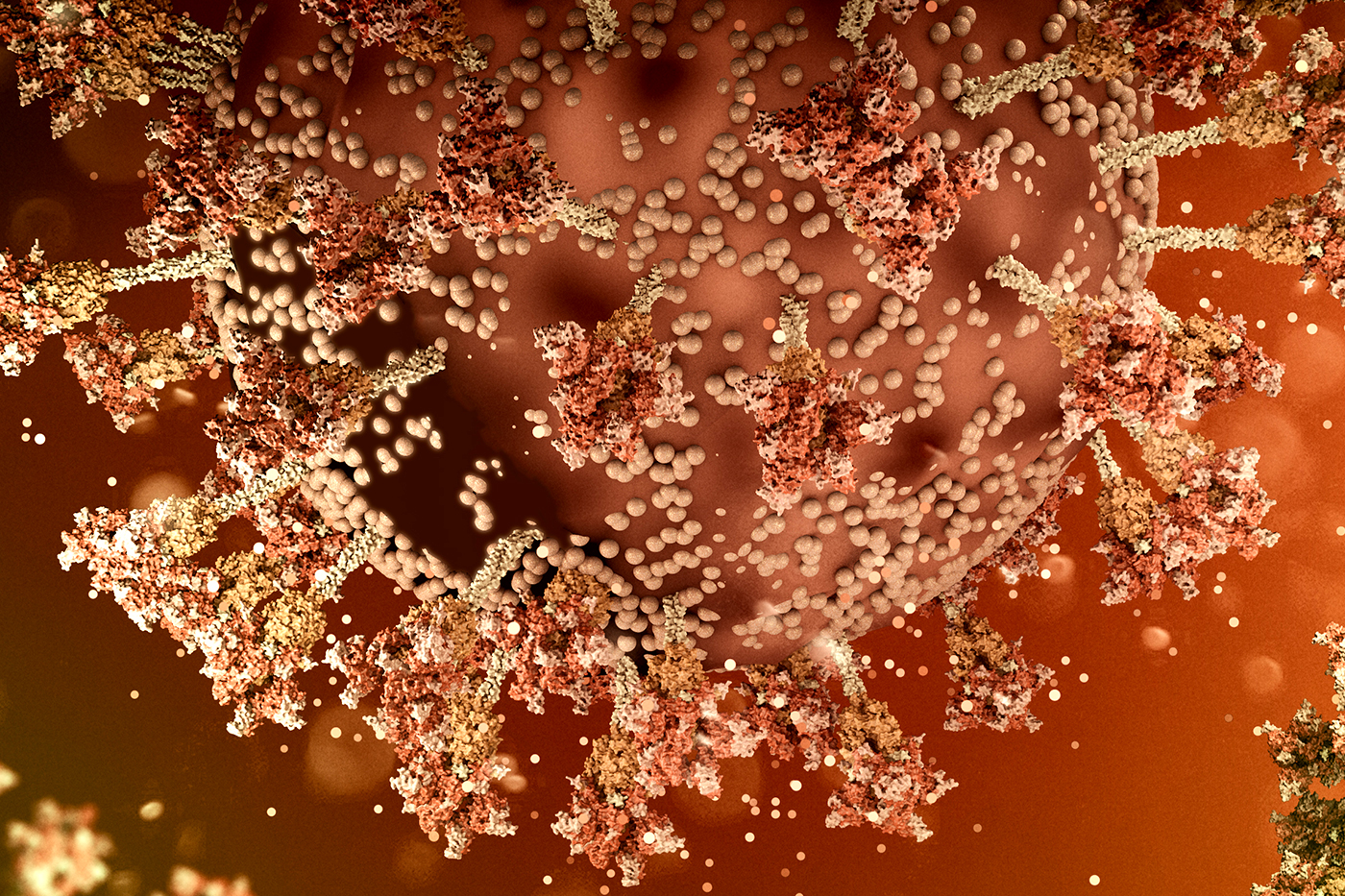
Omicron moves fast. Here’s what that means for the next few weeks.
A virus that moves as quickly around the globe as the omicron variant could spell disaster just as people are traveling and gathering for holiday and New Year celebrations. But the devil’s in the details when it comes to COVID-19—and that could be a good thing.