COS News
Research
“The basic premise is that AI can help us do better physics, and something that is less expected is that physics can also help us understand AI better,” said Northeastern professor James Halverson.
AI and physics have more in common than you might think.
News
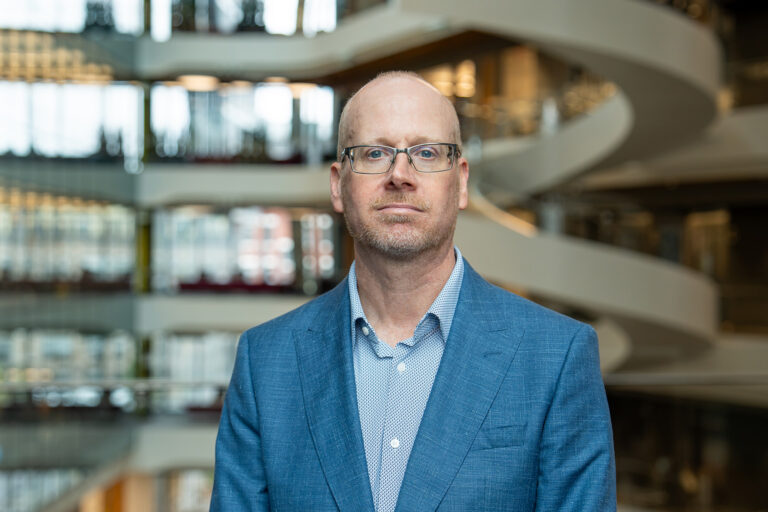
Mark Williams, Professor and Chair of the Department of Physics, will assume the role of Dean of the College of Science, effective July 1, 2026.
Mark C. Williams named Dean of the College of Science
Showing all results
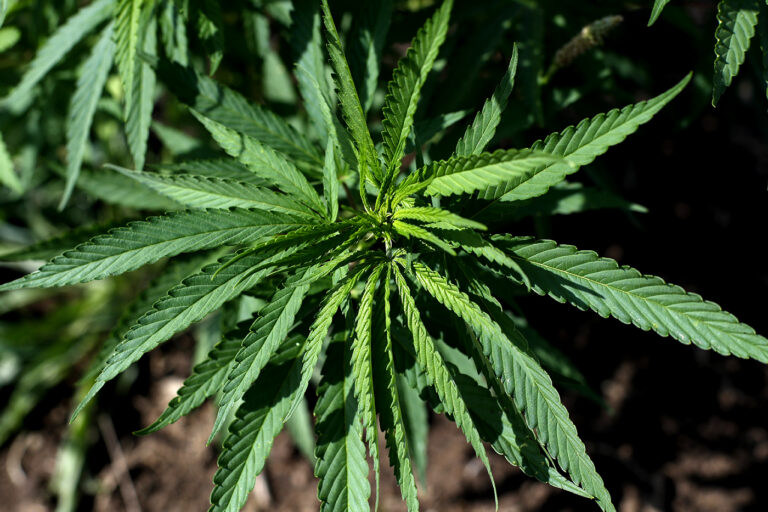
Hemp production could be a sustainable economic future for indigenous communities, but barriers remain
Professor Jared Auclair comments on the significance of hemp production.

Two Northeastern professors to be featured in Greta Thunberg’s new book
Mauricio Santillana, professor of physics and network science and director of the Machine Intelligence Lab, Network Science Institute is featured in Greta Thunberg’s new book.
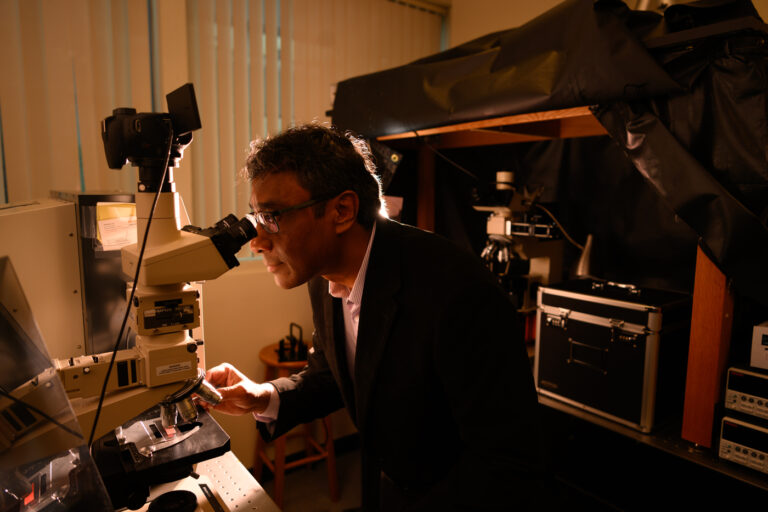
Machine vision breakthrough: This device can see ‘millions of colors’
An interdisciplinary team of researchers at Northeastern led by co-author Swastik Kar have built a device that can recognize “millions of colors” using new artificial intelligence techniques
Northeastern University Working Papers in Linguistics (Volume 7)
Northeastern University Working Papers in Linguistics
NASA successfully deflected an astroid. Northeastern physics professor explains how they did it
NASA scientists and engineers successfully crashed a spacecraft into an asteroid, altering the orbit of an object in space, with their Double Asteroid Redirection Test, or DART, mission.
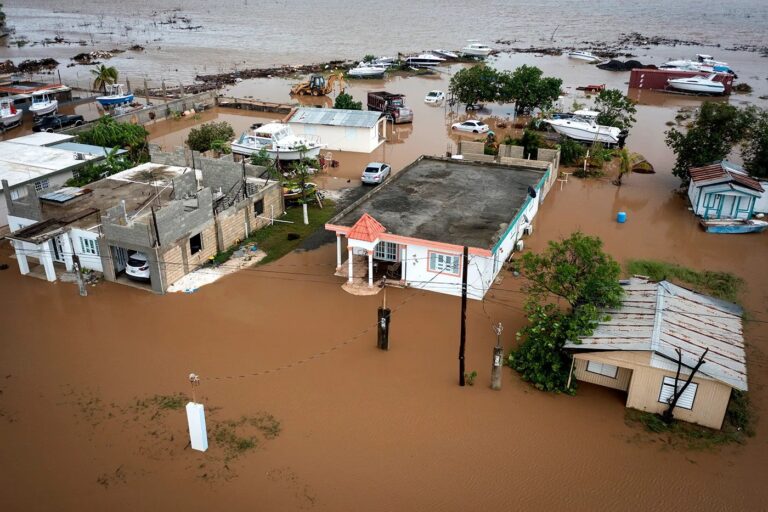
Recovery from Hurricane Fiona cuts to the heart of US-Puerto Rico relations
Hurricane Fiona dropped 30 inches of rain on Puerto Rico over the weekend, causing widespread, intense flooding on an island that was still recovering from 2017's catastrophic Hurricane Maria.

Northeastern student helps launch new sport for people with disabilities in Boston
Dylan Hogan, a Northeastern pre-med student, coached the Boston team at the inaugural volt hockey World Cup in Sweden.

Fall is here… but summer is coming. How to prepare for the next extreme heat wave now
Summer is over, but memories of the season’s historic heat waves are burned into our consciousness. Before the next scorcher hits—next week? Next year?—consider these strategies from professors at Northeastern on projects to tackle now and supplies to have on hand to stay cool and keep you and your loved ones safe. With climatologists saying...
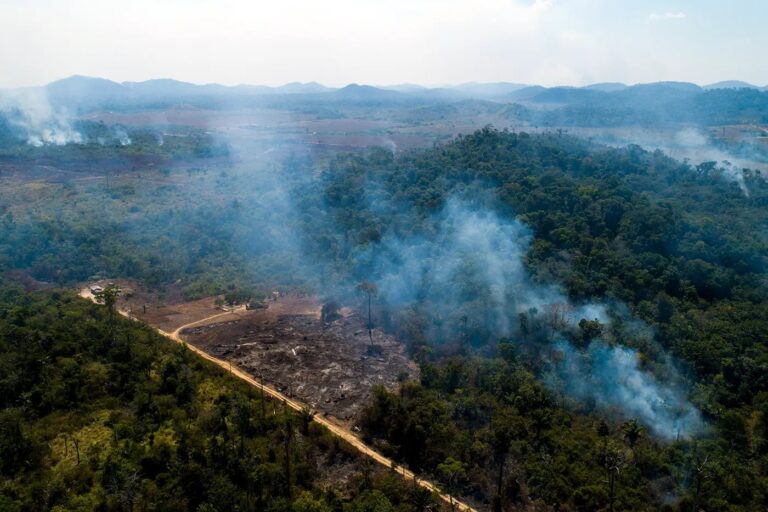
What the death of a lone Indigenous man in Brazil can tell us about our global future
As Brazil's presidential election approaches, the death of the "man of the hole" highlights what's at stake, from Indigenous rights, to environmental decline, to a global climate crisis.

Northeastern wins court decision in plan to expand Marine Science Center on its Nahant property
A Superior Court judge has ruled in Northeastern’s favor regarding the university’s proposed expansion of its Marine Science Center in Nahant, Massachusetts.

Northeastern co-op fulfills childhood dream by working at NASA
After discovering the wonders of outer space in middle school, Mya Karinchak, a fourth year physics student, is finally seeing her passion take flight. She's currently co-oping at NASA's Goddard Space Flight Center, helping NASA analyze and gather data about how solar winds impact Mars.

Northeastern expands global reach with Africa partnership
Northeastern Provost and Senior Vice President for Academic Affairs David Madigan and Zeblon Zenzele Vilakazi, vice chancellor of University of Witwatersrand in Johannesburg, South Africa, have signed a memorandum of understanding expressing a mutual desire to work together and find areas of collaboration and opportunity.